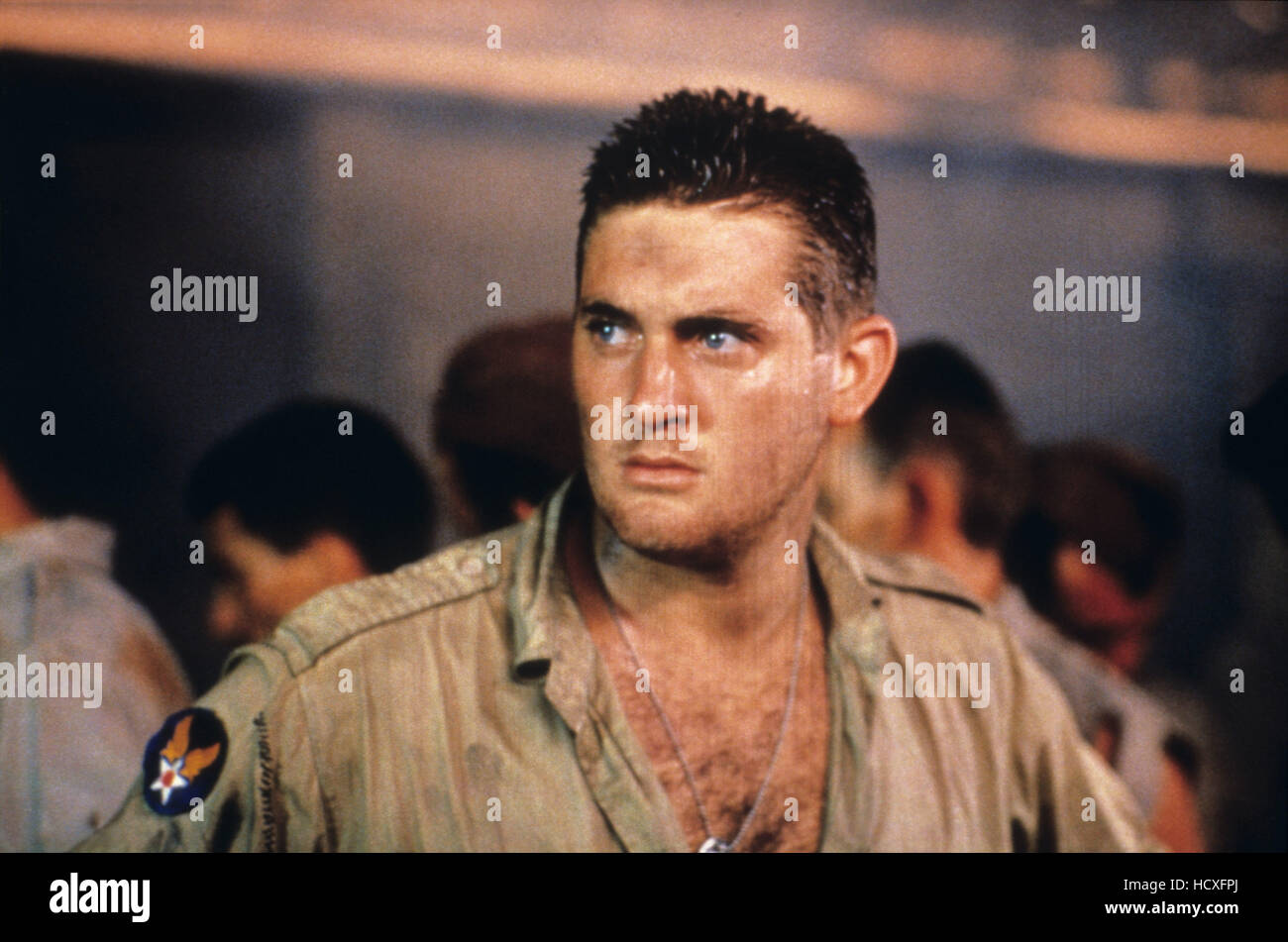
The Life, Career, and Circumstances Surrounding the Death of Chris Penn
Chris Penn died from a nonspecified heart condition, with an autopsy ruling the official cause of death as natural causes brought on by cardiomyopathy, a disease of the heart muscle. The actor, known for his compelling character work i...
Chris Penn died from a nonspecified heart condition, with an autopsy ruling the official cause of death as natural causes brought on by cardiomyopathy, a disease of the heart muscle. The actor, known for his compelling character work in films like Reservoir Dogs and True Romance, passed away at the age of 40 in his Santa Monica apartment on January 24, 2006.
Contents
Understanding the passing of a prominent public figure like Chris Penn requires looking beyond the initial headlines to examine the medical findings, his professional legacy, and the broader context of heart health issues in middle-aged adults. While sudden cardiac events in individuals in their early forties often shock the public, medical examiners utilize thorough forensic pathology to determine the precise sequence of physiological events that led to death. This comprehensive overview examines the official medical findings of Chris Penn's death, details his cinematic career, and explores the clinical realities of the heart condition that cut his life short.
The Official Medical Findings and Autopsy Results
Following the discovery of Chris Penn in his Santa Monica residence, the Los Angeles County Coroner's office conducted an autopsy and toxicology screening to determine the cause of death. The official coroner's report concluded that Penn died from natural causes, specifically attributing the fatality to nonspecified cardiomyopathy.
Cardiomyopathy is a condition that physically affects the myocardium, the muscular tissue of the heart. Over time, the heart muscle can become enlarged, thick, or rigid. In some forms of the disease, scar tissue replaces healthy muscle, which severely compromises the heart's ability to pump blood effectively throughout the body. Because the heart cannot maintain adequate cardiac output, individuals suffering from advanced cardiomyopathy are at a significantly elevated risk for sudden cardiac arrest, heart failure, and fatal arrhythmias, even in the absence of acute blockages in the coronary arteries.
Toxicology tests performed during the autopsy detected no illicit drugs or lethal levels of prescription medication that contributed to his passing, reinforcing the medical examiner's determination that the death was entirely natural and medical in origin. Furthermore, investigators found no evidence of foul play or physical trauma.
Understanding Cardiomyopathy: The Underlying Condition
To fully understand what happened to Chris Penn, it is helpful to examine the medical mechanics of cardiomyopathy. Cardiomyopathy generally falls into three main categories: dilated, hypertrophic, and restrictive. Each type alters the physical structure of the heart in distinct ways, yet all share the common danger of disrupting normal cardiac rhythm and pumping efficiency.
Types of Cardiomyopathy
- Dilated Cardiomyopathy: The left ventricle of the heart stretches and thins, becoming enlarged and unable to pump blood effectively. This is the most common form of non-ischemic heart muscle disease.
- Hypertrophic Cardiomyopathy: The heart muscle cells hypertrophy, causing the walls of the ventricles to thicken. This makes it harder for the heart to relax and fill with blood.
- Restrictive Cardiomyopathy: The heart muscle becomes rigid and stiff, preventing the ventricles from filling properly with blood between heartbeats, though the heart walls do not necessarily thicken.
In many cases of sudden cardiac death attributed generally to cardiomyopathy, the precise subtype may not be heavily publicized, but the functional result is the same: the heart experiences a fatal electrical instability or mechanical failure. These conditions can remain asymptomatic for years, allowing individuals to carry on normal daily activities without realizing their cardiovascular system is compromised. Regular preventative medical screenings, echocardiograms, and electrocardiograms remain the primary methods for detecting these structural heart abnormalities before a catastrophic event occurs.
A Retrospective on Chris Penn's Acting Career
Chris Penn was a fixture of American cinema throughout the 1980s, 1990s, and early 2000s, carving out a distinct niche as an intense, versatile character actor. Born into a prominent Hollywood family—the son of director Leo Penn and actress Eileen Ryan, and the younger brother of actor Sean Penn and musician Michael Penn—Chris established his own formidable cinematic identity through memorable supporting performances.
| Film Title | Release Year | Role | Notable Impact |
|---|---|---|---|
| Rumble Fish | 1983 | B.J. Jackson | Early breakout role directed by Francis Ford Coppola. |
| Footloose | 1984 | Willard Hewitt | Iconic comedic and dramatic supporting turn as Ren McCormack's dancing friend. |
| Reservoir Dogs | 1992 | "Nice Guy" Eddie Cabot | Critically acclaimed collaboration with Quentin Tarantino that cemented his tough-guy persona. |
| True Romance | 1993 | Nicky Dimes | Memorable portrayal of a gritty, fast-talking mob enforcer. |
| The Funeral | 1996 | Chez Tempio | Earned the Volpi Cup for Best Supporting Actor at the Venice Film Festival. |
Penn's career spanned dozens of film and television appearances. Directors frequently cast him as tough guys, mobsters, law enforcement officers, or blue-collar workers. His performance in Abel Ferrara’s The Funeral demonstrated his profound dramatic range, earning him international critical acclaim and validating his status as a premier dramatic actor capable of matching intensity with nuance.
Health Awareness and Cardiovascular Disease in Middle Age
The sudden passing of individuals in their early forties highlights broader public health discussions surrounding cardiovascular screening and early detection of heart disease. While conditions like congenital or acquired cardiomyopathy can affect younger populations, they frequently go undiagnosed due to a lack of overt symptoms during early and middle adulthood.
Medical professionals emphasize several key factors in mitigating cardiovascular risk:
- Routine Physicals: Comprehensive health evaluations should include blood pressure monitoring, lipid panels, and baseline cardiovascular assessments.
- Diagnostic Imaging: For individuals with a family history of heart disease or unexplained fatigue, diagnostic tools such as echocardiograms provide vital structural data.
- Lifestyle Management: Maintaining balanced nutrition, regular physical activity, and avoiding tobacco use remain foundational pillars of heart health, though structural genetic conditions like cardiomyopathy often require targeted clinical intervention beyond lifestyle adjustments.
Frequently Asked Questions
What was the official cause of Chris Penn's death?
The official cause of death was natural causes, specifically attributed to nonspecified cardiomyopathy, which is a disease of the heart muscle that impairs the heart's ability to pump blood effectively.
How old was Chris Penn when he died?
Chris Penn was 40 years old at the time of his death on January 24, 2006.
Did drugs or alcohol play a role in Chris Penn's death?
No. Toxicology tests performed during the official autopsy found no illicit substances or lethal levels of medication, confirming that his death was strictly due to natural medical factors.
What are the main symptoms of cardiomyopathy?
Common symptoms include shortness of breath with exertion or at rest, swelling of the legs, ankles, and feet, fatigue, irregular heartbeats, dizziness, and fainting. However, many individuals experience no symptoms until the condition reaches an advanced stage.
Is cardiomyopathy hereditary?
Yes, many forms of cardiomyopathy have a genetic component. Cardiologists often recommend screening immediate family members of individuals diagnosed with the condition to detect early structural changes.
Next Actions and Health Guidance
For readers concerned about their own cardiovascular health, the most effective next step is to schedule a comprehensive physical examination with a qualified healthcare provider. Discussing family medical history, requesting appropriate diagnostic screenings, and monitoring blood pressure regularly provide essential safeguards against silent heart conditions.
Image Gallery