Voice Broadcast Service Overview: Features, Compliance, and Implementation
A voice broadcast service is a mass-communication technology that allows organizations to transmit pre-recorded audio messages to thousands of recipients simultaneously. By leveraging cloud infrastructure and telephony networks, busine...
A voice broadcast service is a mass-communication technology that allows organizations to transmit pre-recorded audio messages to thousands of recipients simultaneously. By leveraging cloud infrastructure and telephony networks, businesses use these platforms for emergency alerts, appointment reminders, promotional campaigns, and operational updates without manual dialing.
Contents
Understanding how a voice broadcast service functions requires examining the underlying architecture, compliance requirements, operational costs, and industry-specific use cases. As organizations increasingly automate customer touchpoints, distinguishing between simple robocalling systems and enterprise-grade voice broadcasting infrastructure is critical for maintaining delivery rates and brand reputation.
Core Architecture and Operational Workflow
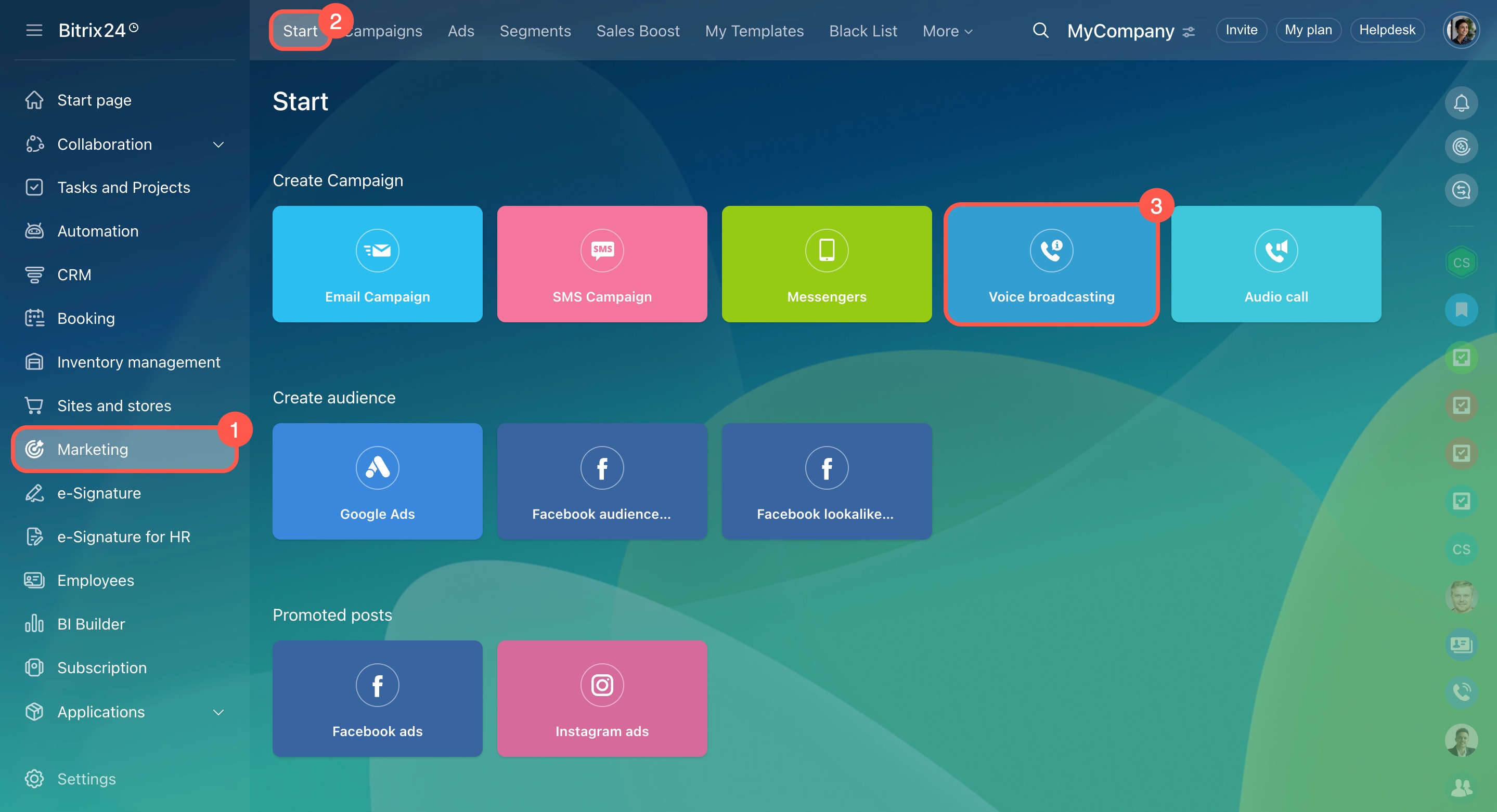
A voice broadcast service operates by integrating cloud-based software with carrier networks to distribute audio files across public switched telephone networks (PSTN) and Voice over Internet Protocol (VoIP) channels. The process begins inside a central management platform where an administrator uploads an audio file (typically in WAV or MP3 format) and imports a contact list.
Once the campaign is scheduled, the platform's automated dialer initiates outbound calls concurrently. Advanced systems use pacing algorithms to match dialing speeds with available carrier capacity and recipient answer rates, minimizing dropped calls and maximizing concurrent connections. When a recipient answers—whether a live person or an answering machine—the system detects the audio signature or dual-tone multi-frequency (DTMF) signaling.
Upon detection, the platform triggers the playback of the pre-recorded message. Enterprise platforms offer answering machine detection (AMD) capabilities, allowing the system to either leave a message on voicemail or hang up depending on campaign configurations. Furthermore, interactive voice response (IVR) integration enables recipients to press a specific key on their keypad (e.g., "Press 1 to speak with an agent" or "Press 2 to opt out"), instantly routing the call or updating the database.
Regulatory Compliance and Legal Frameworks
Operating a voice broadcast service requires strict adherence to telemarketing and consumer protection laws. Failure to comply with these regulations can result in severe financial penalties, carrier blocking, and litigation.
The Telephone Consumer Protection Act (TCPA)
In the United States, the Federal Communications Commission (FCC) regulates automated calls under the TCPA. For informational calls, landlines generally face fewer restrictions, but calls made to mobile phones using automated dialing systems or pre-recorded messages typically require prior express consent. For marketing and promotional broadcasts, the rules are stricter: prior express written consent is mandatory before dialing any consumer mobile or residential number.
Do Not Call (DNC) Registries
Campaign managers must scrub their contact lists against the National Do Not Call Registry as well as internal company-specific DNC lists. Exemptions exist for certain emergency broadcasts, political campaigns, and non-profit organizations, but commercial enterprises face strict enforcement regarding unsolicited promotional calls.
Caller ID and Opt-Out Requirements
Regulations mandate that voice broadcasts must accurately transmit Caller ID information, displaying a valid phone number and, where supported, the calling organization's name. Additionally, every commercial broadcast must provide an automated, interactive mechanism—such as a toll-free callback number or an interactive voice prompt—allowing recipients to easily revoke consent and opt out of future broadcasts.
Enterprise Features and Technical Capabilities
Modern voice broadcasting platforms have evolved far beyond basic mass-dialers, incorporating sophisticated communication features designed for scalable enterprise deployment.
- Answering Machine Detection (AMD): Differentiates between human pickup and voicemail systems with high accuracy, ensuring messages are delivered effectively regardless of who answers.
- Dynamic Variable Insertion: Personalizes audio streams or text-to-speech messages with recipient-specific data, such as names, account balances, or exact appointment times.
- Real-Time Analytics and Reporting: Provides granular data on delivery rates, call durations, button presses, bounce rates, and carrier error codes.
- API Integration: Allows developers to trigger automated voice broadcasts directly from CRM systems, enterprise resource planning (ERP) software, or custom web applications via RESTful APIs.
- Text-to-Speech (TTS): Converts written scripts into natural-sounding audio files dynamically, eliminating the need to record studio audio for variable data campaigns.
Voice Broadcast Service Comparison
| Feature Category | Basic Robocalling Software | Enterprise Voice Broadcast Platform |
|---|---|---|
| Concurrency Limit | Low (tens of lines) | High (thousands of simultaneous lines) |
| Compliance Tools | Manual list scrubbing | Automated DNC scrubbing, TCPA consent logging |
| Answering Machine Detection | Basic or absent | Advanced machine-learning algorithms |
| Integration Support | CSV import/export only | Full REST API, webhook, and CRM connectors |
| Reporting Depth | Basic delivery tallies | Detailed CDR (Call Detail Record), drop-off analytics, and IVR tracking |
Use Cases Across Industries
Voice broadcasting serves diverse operational needs across multiple sectors, ranging from urgent public safety to routine customer service administration.
Healthcare and Patient Administration
Healthcare providers utilize voice broadcasting to minimize no-show rates through automated appointment reminders. These systems securely transmit medication refill notifications, lab result readiness alerts, and facility closure notices while maintaining compliance with healthcare privacy regulations such as HIPAA.
Emergency Management and Public Safety
Municipalities, universities, and corporate campuses rely on voice broadcasts for emergency notifications. When severe weather, security threats, or facility evacuations occur, mass notification systems can alert thousands of stakeholders within minutes across multiple communication channels.
Collections and Financial Services
Financial institutions and collection agencies use broadcast services to deliver payment reminders, fraud alerts, and account status updates. Integration with secure IVR prompts allows customers to resolve balances or authenticate transactions immediately via telephone keypad inputs.
Marketing and Lead Generation
While subject to stringent consent rules, retail and service businesses deploy voice broadcasts for time-sensitive promotional events, flash sales, and customer satisfaction surveys, driving immediate inbound call traffic to sales floors or call centers.
Cost Structures and Pricing Models
Pricing for a voice broadcast service typically follows one of several models, depending on usage volume, feature requirements, and telecommunications infrastructure.
- Per-Minute Billing: Users pay based on the total duration of connected calls, measured in increments of six or sixty seconds. This model is common for interactive campaigns with variable call lengths.
- Per-Successful-Call Model: Organizations are billed only when a call successfully connects to a live person or an answering machine, insulating the user from costs associated with busy signals or disconnected numbers.
- Tiered Subscription Plans: Monthly software-as-a-service (SaaS) fees that include a set bundle of calling minutes, with overage charges applied for additional volume. Enterprise tiers generally include dedicated account management, custom SIP trunking, and advanced API rate limits.
Additional cost factors include text-to-speech rendering fees, inbound toll-free number rentals, carrier surcharges for specific destination countries, and compliance auditing tools.
Common Operational Mistakes to Avoid
Executing a successful voice broadcast campaign requires careful planning to avoid technical pitfalls and regulatory penalties.
- Ignoring Carrier Filtering: Sending high volumes of calls from unverified or improperly authenticated numbers can trigger carrier spam filters, resulting in calls being blocked or labeled as "Scam Likely." Utilizing STIR/SHAKEN protocols mitigates this risk.
- Neglecting Time Zone Management: Broadcasting campaigns across multiple time zones without schedule restrictions can result in calls arriving outside legally permissible hours, violating local telemarketing laws.
- Poor Audio Quality: Using low-bitrate recordings or overly synthetic text-to-speech voices diminishes brand perception and increases hang-up rates before the core message is delivered.
- Inadequate Infrastructure Capacity: Failing to match the dialing pacing with agent availability during interactive campaigns can result in excessive abandonment rates or frustrated customers waiting on hold.
Selecting the Right Voice Broadcast Provider
Choosing an appropriate service provider requires evaluating several technical and operational criteria to ensure reliability and scalability.
- Carrier Redundancy: Ensure the provider utilizes multiple tier-1 carrier routes to maintain high uptime and prevent single points of failure during peak traffic periods.
- Scalability: Verify that the platform can scale concurrency limits instantly to handle large emergency broadcasts or rapid marketing campaigns.
- Security and Compliance Certifications: Look for SOC 2 compliance, data encryption at rest and in transit, and robust audit logging capabilities.
- Customer Support: Evaluate the availability of technical support, particularly for mission-critical emergency notification deployments that operate outside standard business hours.
Frequently Asked Questions
What is the difference between a voice broadcast and a robocall?
Technically, both utilize automated dialing systems to deliver recorded audio. However, the term "robocall" often denotes unauthorized, spam-oriented telemarketing calls placed without consent. A "voice broadcast service" refers to legitimate, consent-based mass notification infrastructure used by enterprises, government entities, and healthcare organizations for operational, informational, or authorized marketing communications.
How do voice broadcast systems handle answering machines?
Modern platforms employ Answering Machine Detection (AMD) algorithms that analyze the initial audio cadence and response duration when a call connects. If an answering machine tone or prolonged greeting is detected, the system either terminates the call or waits for the beep to deposit the pre-recorded message, ensuring analytics accurately separate live pickups from voicemails.
Can recipients interact with a voice broadcast message?
Yes. By integrating Interactive Voice Response (IVR) technology, voice broadcasts can prompt recipients to press specific keypad numbers. This enables interactive workflows such as confirming appointments, opting out of future lists, or transferring the call directly to a live customer service representative.
Are voice broadcasts legal for marketing purposes?
Voice broadcasts for marketing purposes are legal only when the sender has obtained prior express written consent from the recipient. Additionally, campaigns must comply with the Telephone Consumer Protection Act (TCPA), respect national Do Not Call registries, and provide clear, automated opt-out mechanisms during every call.
What kind of internet connection or hardware is required?
Because modern voice broadcast services operate via cloud-hosted SaaS platforms, users do not require specialized on-premise telephony hardware. A standard web browser and an internet connection are sufficient to access the dashboard, upload audio files, manage contact lists, and monitor campaign performance metrics in real time.
Image Gallery