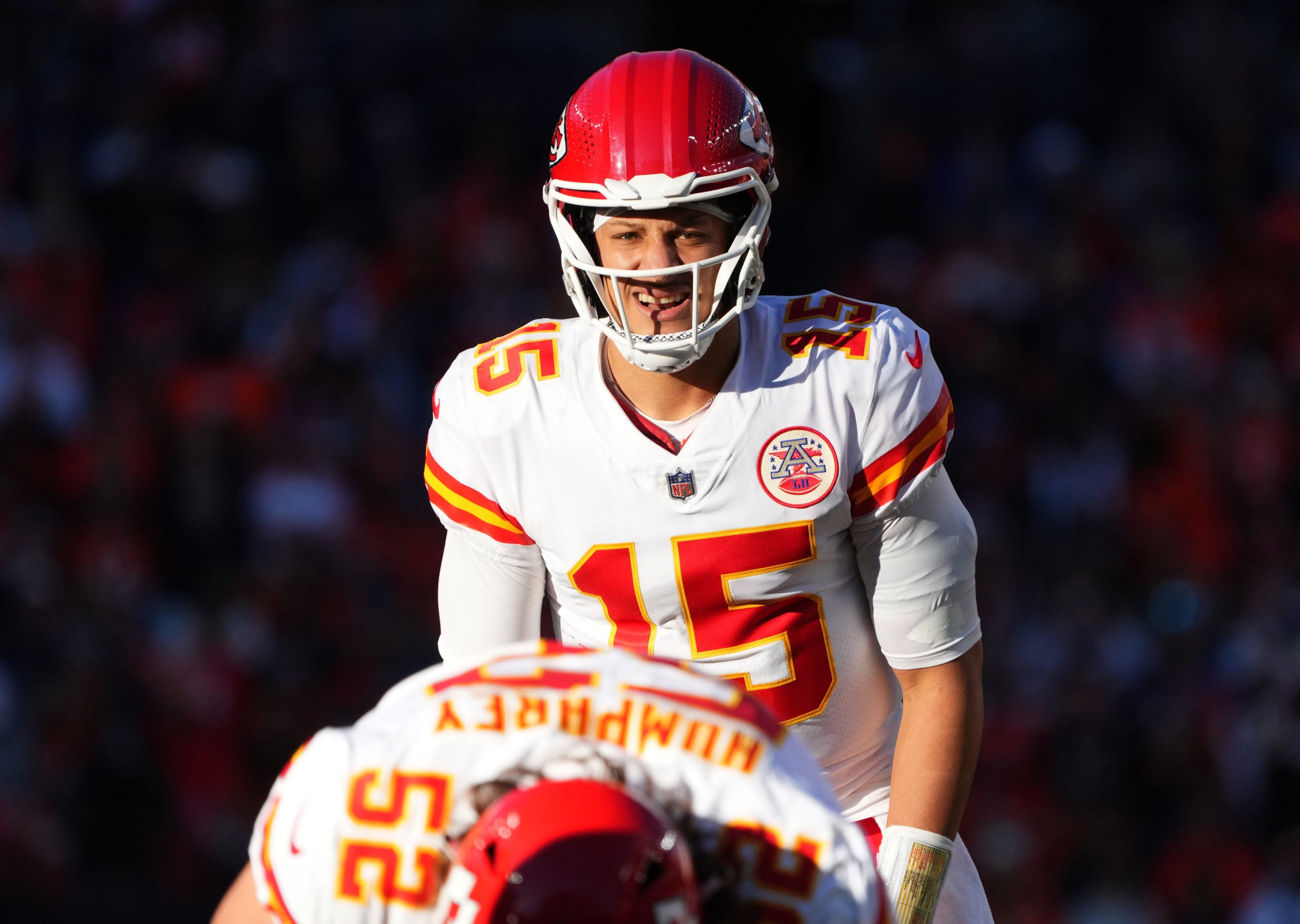
A Statistical Analysis of Patrick Mahomes Interception Totals
Since entering the National Football League in 2017, Patrick Mahomes has established himself as one of the most prolific quarterbacks in professional football history. His interception totals are a critical metric for analysts evaluati...
Since entering the National Football League in 2017, Patrick Mahomes has established himself as one of the most prolific quarterbacks in professional football history. His interception totals are a critical metric for analysts evaluating his risk-reward playstyle, reflecting a career defined by aggressive downfield passing, creative pocket navigation, and an evolving mastery of defensive coverage reading.
Contents
The Evolution of Mahomes’ Risk Management
When evaluating Patrick Mahomes’ interception totals, it is essential to view them through the lens of his offensive scheme. As a cornerstone of the Kansas City Chiefs' strategy under head coach Andy Reid, Mahomes is tasked with high-volume passing and frequently attempts "tight-window" throws that are designed to exploit defensive lapses.
In his debut season in 2017, Mahomes appeared in only one game, recording zero interceptions. His true emergence began in 2018, his first full season as a starter. During that campaign, he threw 12 interceptions while producing a historic 50-touchdown performance. This set a baseline for his career: a willingness to accept a turnover risk in exchange for massive yardage and high-scoring potential.
Between 2019 and 2025, Mahomes’ interception totals have fluctuated based on shifts in personnel and defensive trends across the league. Analysts often point to the 2021 season as a notable anomaly, where he recorded a career-high 13 interceptions. During that year, defensive coordinators across the NFL began implementing "two-high" safety shells designed specifically to limit the big plays that Mahomes and the Chiefs' offense thrived on. This forced Mahomes to adjust his target distribution, leading to a period of recalibration in his decision-making process.
Seasonal Breakdown: Analyzing Yearly Interception Trends
The statistical profile of a quarterback is rarely linear. For elite passers like Mahomes, interceptions often correlate with the complexity of the offensive playbook and the specific defensive challenges presented by opposing coordinators.
The following table summarizes the regular-season interception totals for Patrick Mahomes from his first full season through the conclusion of the 2025 season.
| Season | Starts | Interceptions | Interception Rate |
|---|---|---|---|
| 2018 | 16 | 12 | 2.1% |
| 2019 | 14 | 5 | 1.1% |
| 2020 | 15 | 6 | 1.0% |
| 2021 | 17 | 13 | 2.4% |
| 2022 | 17 | 12 | 1.8% |
| 2023 | 16 | 14 | 2.4% |
| 2024 | 17 | 11 | 1.8% |
| 2025 | 17 | 10 | 1.7% |
Note: Data reflects regular-season statistics only. Interception rate is calculated as the percentage of pass attempts resulting in an interception.
Contextualizing the Interception Rate
To understand why interception totals vary, one must consider the "intended air yards" per attempt. Mahomes is consistently ranked among the top quarterbacks in terms of average depth of target (ADOT). In a West Coast offense adapted for the modern era, high-velocity, deep-post patterns are common. These patterns naturally carry a higher interception risk compared to "check-down" passes or conservative game management styles utilized by other successful signal-callers.
Moreover, the variation in interception totals is often influenced by the caliber of the wide receiver corps and tight ends. The departure of key targets often forces a quarterback to rely on younger or less experienced receivers, which can lead to miscommunications—a frequent, though often overlooked, cause of interceptions. When a receiver cuts a route differently than the quarterback anticipated, the resulting pass is frequently recorded as a quarterback interception, despite it being a breakdown in timing or execution between the pair.
Postseason Performance and High-Stakes Pressure
The intensity of the playoffs introduces a different dimension to interception analysis. In the postseason, defensive game plans are tailored with unprecedented scrutiny. Mahomes has maintained a high level of performance in the playoffs, yet the margin for error is razor-thin.
Historically, Mahomes has shown an ability to protect the football at a higher rate during playoff runs compared to his regular-season averages. This suggests that as the competitive stakes increase, his risk-aversion threshold adjusts to favor sustained drives over deep-shot aggression. For fans and analysts, looking at "interception-to-touchdown" ratios in the postseason provides a clearer picture of his efficiency under the immense pressure of championship contention.
Factors Influencing Interception Statistics
Beyond the individual performance of the quarterback, several external factors heavily influence interception totals:
- Defensive Personnel: The rise of elite secondary players across the NFL, particularly "ball-hawking" safeties, has made tight-window throws increasingly dangerous.
- Offensive Line Stability: When a quarterback is pressured, his accuracy typically declines. Interceptions often occur when a throw is made under extreme duress or while being hit, causing the ball to sail.
- Scheme Adaptation: As opponents study film, they develop "tendency breakers." If a defense knows a specific play call is likely in a red-zone situation, they are better positioned to bait the quarterback into a turnover.
- Weather Conditions: While Mahomes plays in a stadium with controlled conditions for home games, his road performances in late-season games in northern climates often correlate with slight spikes in turnover frequency due to ball grip and wind resistance.
Frequently Asked Questions
Does Patrick Mahomes have a higher interception rate than his contemporaries? Mahomes generally maintains an interception rate that is competitive with other top-tier quarterbacks. While his absolute total may seem high in certain years, his interception rate—the percentage of passes intercepted—is historically low for the volume of deep throws he attempts.
How do "dropped interceptions" impact the perception of his stats? "Dropped interceptions" are a non-official but commonly tracked metric by analytical services. These represent passes that hit the hands of a defender but were not secured. While these do not affect official records, they are often used by advanced analysts to determine if a quarterback has been "lucky" or "unlucky" throughout a season.
Do interceptions influence the offensive scheme in the following season? Yes. If a specific type of pass leads to consistent turnovers, the coaching staff will frequently adjust the route tree or personnel groupings for the following season. This is part of the iterative process of NFL offensive design.
What is the role of the quarterback in an interception that occurs due to a tipped pass? In the official NFL record book, a tipped pass that results in an interception is charged to the quarterback. However, football analysts distinguish between "interceptions of fault" (poor decision-making) and "interceptions of circumstance" (tipped by a receiver, pass interference non-calls, or weather-related issues).
How has the change in wide receiver personnel affected Mahomes’ numbers? Changes in the receiver room require significant adjustment to timing. Over the years, as different targets have entered and exited the Chiefs' roster, Mahomes has had to calibrate his velocity and placement, which occasionally results in short-term increases in turnover rates while rapport is built.
Next Steps for Fans and Analysts
To gain a deeper understanding of quarterback performance beyond simple box scores, follow official league resources such as the NFL’s "Next Gen Stats." These platforms provide data on expected completion percentages, air yards, and defensive pressure rates, which offer the necessary context for interpreting interception totals. If you are conducting a personal analysis, focus on identifying the difference between forced interceptions—where the quarterback makes an aggressive choice—and unforced interceptions resulting from mechanical errors or miscommunication with receivers.
Image Gallery