Finding the Best Term Life Insurance for a 57-Year-Old Nonsmoker
Securing term life insurance at age 57 requires balancing long-term financial security with the realities of age-related underwriting. As a nonsmoker, you are positioned to secure more favorable premiums, but policy selection hinges on...
Securing term life insurance at age 57 requires balancing long-term financial security with the realities of age-related underwriting. As a nonsmoker, you are positioned to secure more favorable premiums, but policy selection hinges on identifying the appropriate term length to cover specific debts or income replacement goals before retirement, while navigating medical underwriting standards.
Contents
Understanding the Underwriting Landscape at 57
When you apply for term life insurance in your late 50s, insurance carriers evaluate your risk profile through a specific lens. While being a nonsmoker is a significant advantage, insurers focus heavily on your medical history, build (height-to-weight ratio), and the presence of any chronic conditions like hypertension, elevated cholesterol, or Type 2 diabetes.
At 57, the primary objective of an insurer is to determine your mortality risk over the next 10 to 20 years. Unlike younger applicants who might purchase coverage for 30-year terms, a 57-year-old generally requires a policy that matures around the time they intend to retire or when their primary financial obligations—such as a mortgage or children's college tuition—are satisfied. Understanding that you are considered a "mature" applicant means you should prepare for a paramedical exam that includes blood work, urine analysis, and blood pressure readings.
Evaluating Term Lengths and Financial Goals
The "best" policy is not necessarily the one with the lowest monthly premium; it is the one that remains active for the duration of your specific financial need. Common term lengths include 10, 15, and 20 years.
- 10-Year Term: This is often the most cost-effective choice for someone who is nearing retirement and only needs coverage to bridge the gap until their pension or Social Security benefits fully kick in, or until a specific debt (like a remaining mortgage balance) is retired.
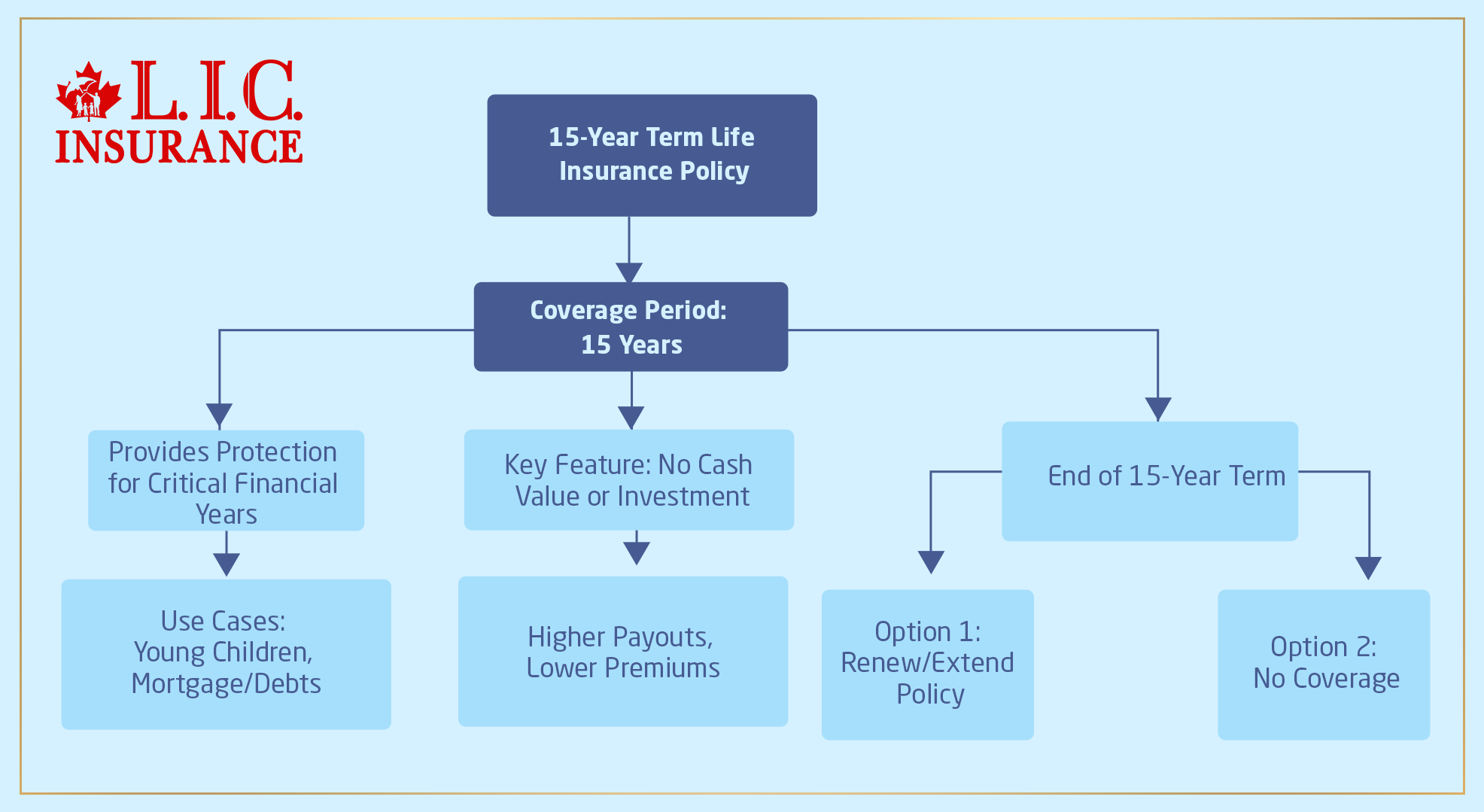
- 15-Year Term: This offers a middle ground. It provides coverage until age 72, which is often sufficient for those who want to ensure their spouse remains financially secure well into their early retirement years.
- 20-Year Term: This is generally the longest term available to a 57-year-old. While the premiums will be higher due to the extended commitment by the insurer, it provides long-term peace of mind if you have significant outstanding debts or wish to provide a legacy for heirs.
Comparing Key Features of Term Insurance
To identify the best provider, you must compare more than just the death benefit amount. Look for features that add flexibility to your policy.
| Feature | Importance at Age 57 |
|---|---|
| Convertibility | Critical. Allows you to convert your term policy into a permanent (whole or universal) policy without needing a new medical exam if your health declines later. |
| Level Premiums | Essential. Ensures your monthly cost remains fixed for the duration of the term, preventing unpleasant surprises as you age. |
| Renewability | Useful if you anticipate needing coverage beyond your initial term, though premiums usually increase significantly upon renewal. |
| Accelerated Death Benefit | Highly valuable; allows you to access a portion of the death benefit if you are diagnosed with a terminal illness, helping to cover medical costs. |
The Impact of Medical History on Premiums
Even as a nonsmoker, your "rate class" will be determined by your health data. Carriers categorize applicants into tiers, such as "Preferred Plus," "Preferred," "Standard Plus," and "Standard."
To maximize your chances of securing a "Preferred" rate at 57, ensure your medical records are up to date. If you have managed conditions, provide documentation from your physician that shows adherence to treatment and stability. Insurers are often willing to offer better rates to applicants who demonstrate consistent maintenance of their health, even if they have minor, controlled medical issues. Conversely, if you have a history of heart disease, cancer, or significant respiratory issues, underwriting becomes more complex, and you may need to look for carriers that specialize in "table rated" or high-risk coverage.
Strategic Steps to Securing Coverage
Before you commit to an application, follow these steps to ensure you are getting the best deal for your specific circumstances:
- Determine Your Death Benefit: Calculate your total debt, estimated final expenses (funeral costs), and the income replacement needed for your beneficiaries. Do not over-insure, as this can unnecessarily inflate your premiums.
- Compare Multiple Carriers: Use an independent broker who can pull quotes from several A-rated insurance companies. Prices can vary by hundreds of dollars per year for the exact same coverage between different carriers based on their specific actuarial tables.
- Prepare for the Paramedical Exam: Fasting as instructed, avoiding caffeine, and ensuring you are well-hydrated can significantly impact your blood work results. Simple preparation can prevent a "Standard" rating that might otherwise have been "Preferred."
- Review the Convertibility Clause: Before signing, confirm the policy allows for conversion to a permanent policy. At 57, your health can change; having the option to transition to permanent coverage without a new medical exam is a vital safety net.
Common Mistakes to Avoid
Many 57-year-olds make the mistake of focusing strictly on the cheapest monthly premium. If the cheapest policy lacks a strong convertibility clause, you may find yourself trapped. If your health changes and you need to keep insurance coverage past the end of your term, you would be forced to re-apply at an older age and potentially failing health, which could lead to prohibitive costs or uninsurability.
Another common oversight is failing to disclose all medical information honestly. Even if you consider a condition minor, non-disclosure can lead to a denial of a claim by your beneficiaries after your death, or the policy being rescinded during the two-year "contestability period."
Frequently Asked Questions
Does being 57 automatically disqualify me from affordable term life insurance? No. While premiums are higher than for a 30-year-old, you are still in a prime position to get competitive rates as a nonsmoker. The key is to match the term length to your actual financial needs so you aren't paying for years of coverage you don't actually require.
What happens if my health changes after I get the policy? If you choose a policy with a strong convertibility provision, your health status at the time of conversion does not matter. You can convert the policy to a permanent plan at the premium rate assigned to your age and health class at the time of conversion, regardless of any new medical issues.
Are "no-exam" policies better for a 57-year-old? No-exam (simplified issue) policies are generally more expensive and offer lower death benefit caps compared to fully underwritten policies. These are best reserved for those who have specific health issues that would likely cause them to be declined for traditional coverage, or who need insurance extremely quickly.
How do I verify the financial strength of an insurance company? Always check the company’s financial strength ratings from agencies such as A.M. Best, Moody’s, or Standard & Poor’s. You want to ensure the company is stable enough to pay out a claim 10 or 20 years from now.
Should I include a rider for long-term care? Some term policies offer a "Long-Term Care Rider." This allows you to use your death benefit to pay for long-term care expenses while you are alive. This can be a cost-effective way to address two financial risks—premature death and the high cost of assisted living—with a single premium payment.
Next Actions
To move forward, begin by auditing your current financial liabilities. List your mortgage balance, remaining years until retirement, and the amount of income your spouse would require to maintain their standard of living. Once you have a clear dollar amount for the death benefit, contact an independent life insurance broker. Request a side-by-side comparison of 10-year, 15-year, and 20-year term quotes from at least three highly-rated insurers. Ensure that each quote includes a clear statement of the convertibility options before you proceed with a formal application and medical exam.
Image Gallery