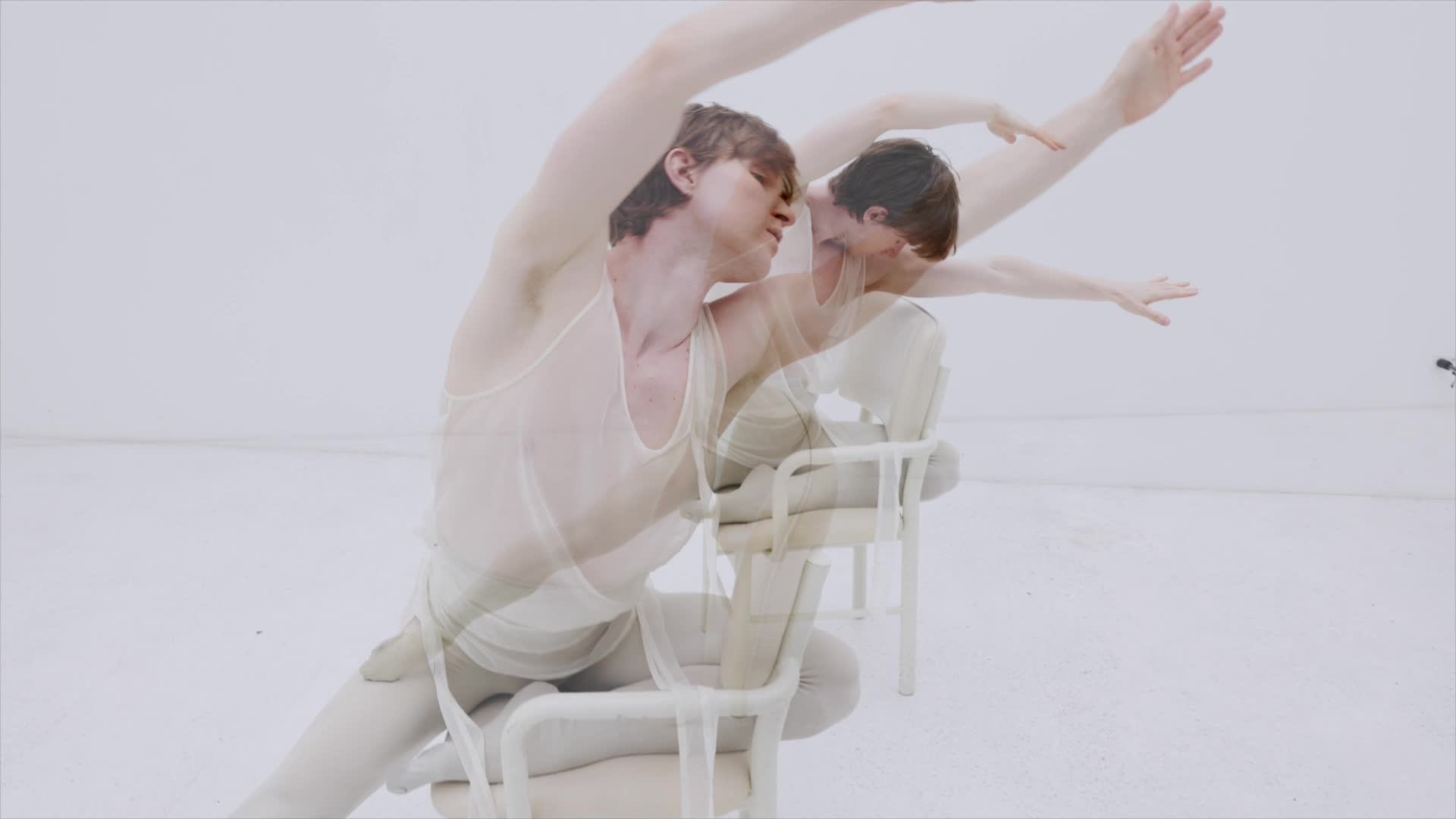
Harrison Ball: A Profile of a Principal Dancer and Choreographic Artist
Harrison Ball is a prominent figure in contemporary ballet, recognized for his distinguished career as a principal dancer with the New York City Ballet (NYCB) and his subsequent transition into choreography and artistic production. Kno...
Harrison Ball is a prominent figure in contemporary ballet, recognized for his distinguished career as a principal dancer with the New York City Ballet (NYCB) and his subsequent transition into choreography and artistic production. Known for his technical precision, dramatic versatility, and commitment to the expansion of the neoclassical repertoire, Ball remains a significant influence within the professional dance world as of 2026.
Contents
The Professional Trajectory of Harrison Ball
Harrison Ball’s rise within the hierarchy of the New York City Ballet serves as a case study in the rigorous demands and rapid progression typical of major international dance institutions. Entering the School of American Ballet (SAB)—the official school of the New York City Ballet—Ball underwent intensive training grounded in the Balanchine technique. This training emphasizes speed, musicality, and clean lines, all of which became hallmarks of his performance style.
Following his graduation and induction into the corps de ballet, Ball navigated the competitive environment of the company by demonstrating both physical reliability and artistic maturity. His elevation through the ranks—from apprentice to corps de ballet, soloist, and eventually principal dancer—required sustained excellence in a wide array of roles, ranging from the demanding, fast-paced works of George Balanchine to the intricate, contemporary creations of Jerome Robbins and Alexei Ratmansky.
As a principal dancer, Ball was tasked with interpreting some of the most challenging choreography in the canon. His tenure at NYCB saw him perform leads in iconic ballets, where he was noted for a grounded yet fluid athletic ability. His performance history reflects the breadth of the company's programming, moving effortlessly between the rigid geometries of neoclassical masterworks and the more emotive, character-driven pieces found in the company's expansive repertoire.
Technical Foundations and Performance Philosophy
To understand Harrison Ball's impact, one must evaluate his technical approach. At the principal level, dancers are evaluated on their ability to act as conduits for a choreographer's vision while maintaining a high degree of physical consistency over long performance seasons.
Key Aspects of the Ball Technique
- Musicality: A rigorous adherence to the nuances of the musical score, a prerequisite for performing in the style of Balanchine, which treats the dancer as an instrument of the rhythm.
- Adaptability: The ability to transition between the rigid, upright posture required for traditional classical steps and the more relaxed, fluid torso movements necessary for modern commissions.
- Stamina Management: Dancers at the principal level must manage complex rehearsal schedules alongside public performances. Ball’s longevity in the role was largely attributed to his focus on recovery and efficient movement mechanics.
His performance philosophy prioritized the integration of technical precision with narrative clarity. In abstract works, where the "story" is often the music itself, Ball sought to highlight the architectural elements of the movement. In narrative works, he utilized his technical facility to express character motivation, ensuring the audience remained engaged with the emotional core of the piece despite the gravity-defying nature of the physical exertion.
Transition to Choreography and Creative Direction
In the years leading up to 2026, Harrison Ball significantly expanded his professional scope to include choreography. This transition is common among high-level principal dancers, who often leverage their intimate knowledge of the company’s internal dynamics and the physical possibilities of the human form to create new works.
His choreographic style tends to emphasize the collaborative process, working closely with composers and fellow dancers to build pieces that feel organic rather than forced. His works often serve as a bridge, utilizing traditional ballet vocabulary while experimenting with the spatial limitations of the stage. This shift from performer to creator represents a maturation of his artistic voice, moving from interpreting existing scripts to developing a unique visual language.
Comparative Overview: The Principal Dancer Role
The role of a principal dancer is the highest designation in a ballet company. The following table illustrates the requirements and responsibilities associated with this position in a major institution like the New York City Ballet.
| Responsibility | Description | Impact on Professional Development |
|---|---|---|
| Lead Roles | Carrying the principal narrative or focus of a full-length ballet. | Requires high physical and mental endurance. |
| Public Representation | Acting as a face of the organization for galas and press. | Enhances personal brand and artistic authority. |
| Mentorship | Guiding junior members of the corps de ballet. | Prepares the dancer for future roles in leadership or coaching. |
| Commissioned Creation | Working directly with choreographers on new pieces. | Develops a sophisticated understanding of spatial design. |
Practical Guidance for Aspiring Dancers
For those aspiring to the standard of performance established by artists like Harrison Ball, the path requires a dedication that extends well beyond the classroom. The professional landscape of 2026 is highly competitive, necessitating a proactive approach to career management.
- Early Foundations: Securing a spot at a reputable, conservatory-style school is essential for exposure to rigorous training standards and industry networking.
- Health and Nutrition: High-performance athletes in the arts require specialized fueling. Consulting with a nutritionist familiar with dance-specific demands is standard practice for those seeking to extend their careers.
- Cross-Training: While ballet is the primary discipline, many successful dancers now incorporate Pilates, Gyrotonic, or resistance training to address muscle imbalances and reduce the risk of common overuse injuries.
- Artistic Curiosity: Understanding the history of the art form—watching archival footage and reading the writings of foundational choreographers—allows a dancer to approach a role with deeper historical context and intellectual depth.
Frequently Asked Questions
What distinguishes a principal dancer from a soloist? A principal dancer holds the highest rank within a ballet company and is cast in the most significant, lead roles. While soloists perform complex, featured variations, the principal dancer is expected to command the stage for entire productions and serve as the artistic anchor for the ensemble.
How does a dancer maintain a professional career over many years? Longevity is achieved through strict adherence to recovery protocols, physical therapy, and a balanced lifestyle. As of 2026, the integration of advanced sports science, including regular monitoring of workload and physiological markers, is common among top-tier dance professionals to prevent career-ending injuries.
Is formal training required to become a professional ballet dancer? Yes. Professional companies almost exclusively hire dancers who have completed a structured, multi-year curriculum at a recognized institution. This training ensures the dancer has the technical vocabulary and physical resilience to handle the professional repertoire.
What is the role of a choreographer in a ballet company? A choreographer translates concepts into physical movement. They determine the artistic direction of a piece, select the music, and work with dancers to refine the choreography to suit the performers' individual strengths while maintaining the integrity of the work.
Can a principal dancer also be a choreographer? It is quite common. Many principal dancers move into choreography as their performance careers wind down, using the deep insight they have gained from years of dancing to influence the way they construct movement for others.
Next Steps for Aspiring Artists
If you are an aspiring dancer looking to follow in the footsteps of established principal dancers, the most critical next step is to evaluate your current training environment against the requirements of the institutions you wish to join. Assess your access to high-quality instructors and your commitment to a multidisciplinary approach that includes both physical conditioning and deep study of the art form's history. For those already in the industry, focusing on the development of a personal creative voice—whether through choreography or refined performance nuance—is the primary method of sustaining a long-term presence in the professional dance ecosystem.
Image Gallery