A Comprehensive Guide to Little Village, Chicago (La Villita)
Little Village, known locally as La Villita, is a vibrant neighborhood located on Chicago’s Southwest Side within the South Lawndale community area. Recognized as the cultural and economic heart of Chicago’s Mexican-American community,...
Little Village, known locally as La Villita, is a vibrant neighborhood located on Chicago’s Southwest Side within the South Lawndale community area. Recognized as the cultural and economic heart of Chicago’s Mexican-American community, the neighborhood is famous for its bustling West 26th Street commercial corridor, iconic archway, authentic dining, and deep-rooted civic traditions.
Contents
- Little Village (La Villita) - South Lawndale Community Area, Chicago
- 26th Street Corridor
- 2nd Highest Tax Revenue City
- Quinceañera & Bridal Shops
- Authentic Panaderías
- Cultural & Civic Hub
- Little Village Arch (1990)
- Manuel Pérez Plaza
- Murals & Public Art
- Transit & Accessibility
- CTA Pink Line Elev.
- CTA Bus #26, #60, #82
- 26th Street Corridor
Understanding Little Village: Geography and Cultural History
Situated roughly four miles southwest of Downtown Chicago, Little Village occupies the bulk of the South Lawndale community area. Its geographical boundaries are defined by West Cullerton Street and railroad corridors to the north, the Stevenson Expressway (I-55) and the Chicago Sanitary and Ship Canal to the south, Western Avenue to the east, and Cicero Avenue to the west.
The neighborhood’s demographic evolution mirrors the broader industrial and social history of Chicago:
- Late 19th and Early 20th Centuries: Following the Great Chicago Fire of 1871, the area was settled primarily by Eastern European immigrants, predominantly from Bohemia, the Czech lands, Poland, and Germany. The district around Cermak Road was long known as "Cesky Kalifornia" (Bohemian California).
- Mid-to-Late 20th Century Transition: During the 1960s and 1970s, urban renewal projects and demographic shifts in surrounding areas led to an influx of Mexican families moving southwest from Pilsen and Near West Side neighborhoods.
- Cultural Tapestry: By the 1980s, South Lawndale transformed into the central hub of Mexican culture in the Midwestern United States. Community members coined the name La Villita (Little Village) to reflect a close-knit, self-sustaining neighborhood identity.
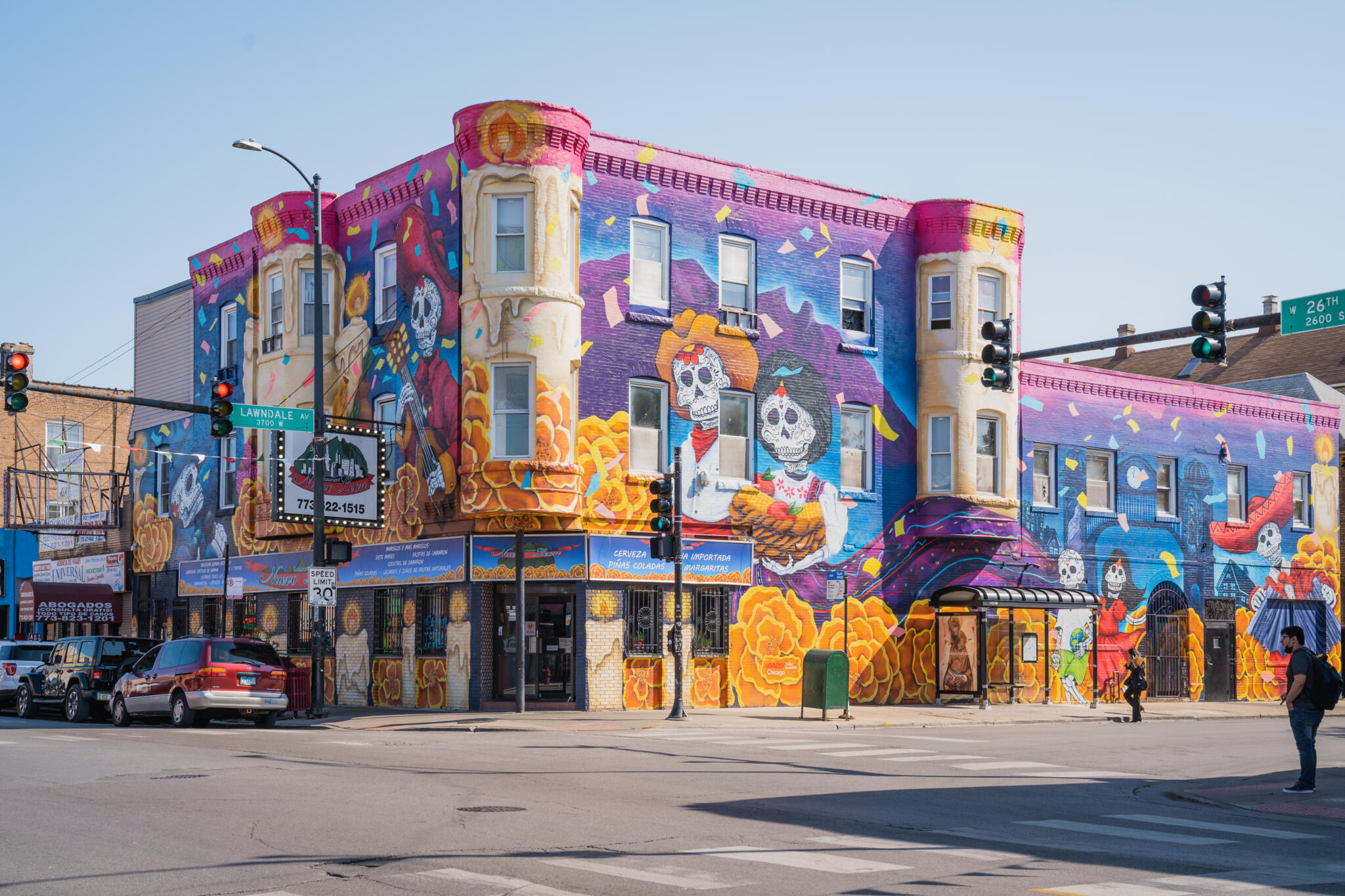
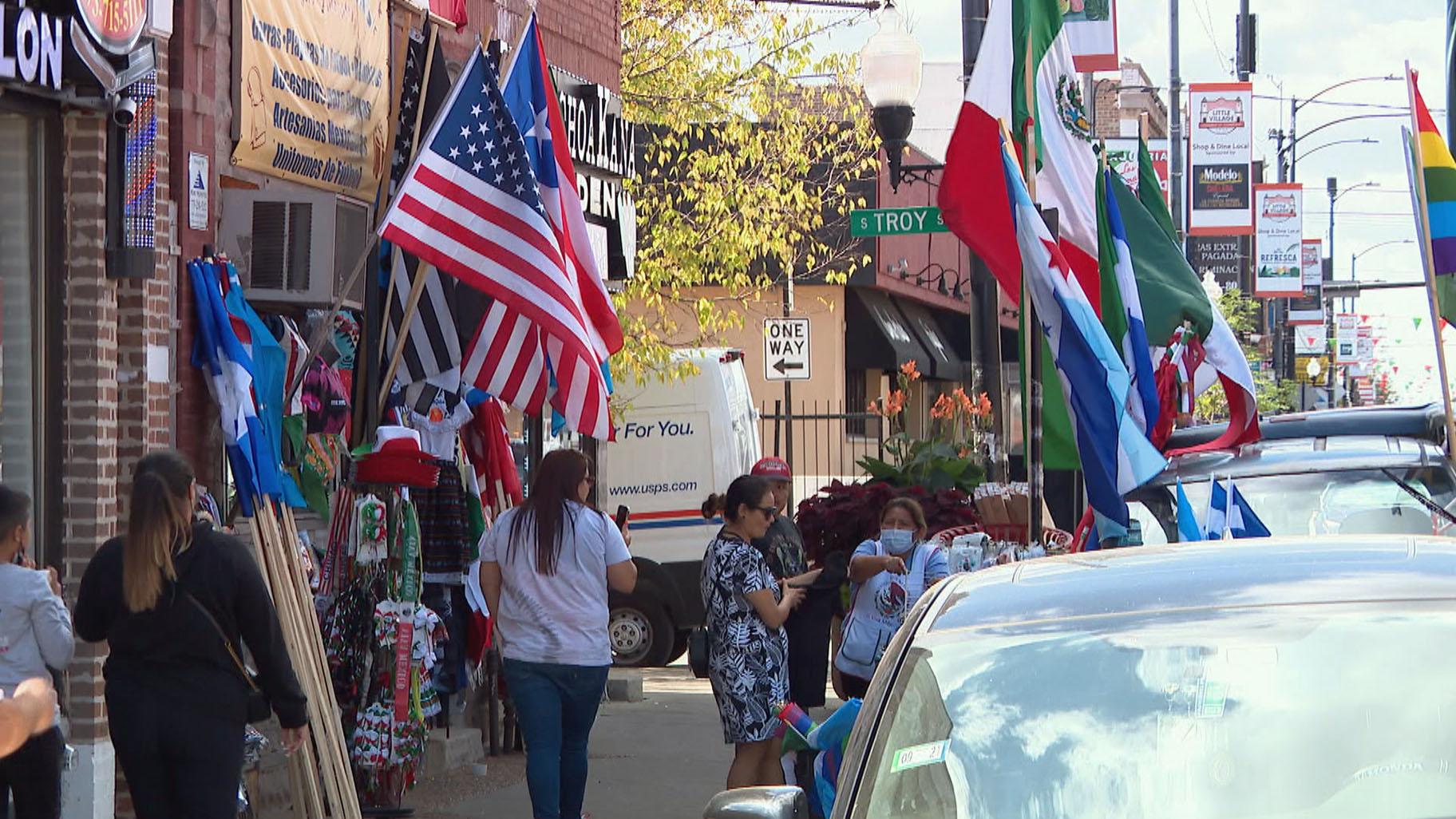
Today, Little Village remains a dense, multi-generational enclave. Its streetscapes feature traditional Chicago brick two-flats and bungalows alongside bustling commercial storefronts decorated with hand-painted signs, vibrant papel picado banners, and murals depicting Mexican history and civil rights movements.
The 26th Street Commercial Corridor: Economic Engine of the Midwest
The defining artery of Little Village is West 26th Street, a two-mile commercial stretch running primarily between Kedzie Avenue and Cicero Avenue. Frequently highlighted by urban planners and business analysts, the 26th Street commercial district generates the second-highest sales tax revenue in the City of Chicago, surpassed only by Michigan Avenue’s "Magnificent Mile."
- West 26th Street Retail Focus
- Specialty Apparel: Quinceañera gowns, charro suits, baptism outfits
- Artisanal Food & Groceries: Panaderías, dulcerías, tortillerías, fresh markets
- Street Commerce: Tamale carts, paleteros, fresh fruit vendors (fruterías)
Retail Specialty and Cultural Shopping
Unlike high-end downtown retail corridors dominated by global luxury chains, 26th Street is composed almost entirely of independent, family-owned small businesses, specialty boutiques, and traditional markets:
- Formal and Ceremonial Wear: A major drawing point for visitors across the Midwest is the concentration of specialty apparel shops. Entire blocks are dedicated to ornate gowns for quinceañeras (15th birthday celebrations), traditional Mexican wedding attire, baptismal clothing, and handmade charro (traditional equestrian) outfits.
- Traditional Bakeries (Panaderías): Establishments such as Panadería La Monarca offer freshly baked Mexican sweet bread (pan dulce), including conchas, cuernos, orejas, and seasonal Rosca de Reyes.
- Mexican Grocers and Import Markets: Grocery stores and specialty markets stock imported regional ingredients, fresh produce, house-made tortillas, dried chiles, cheese (queso fresco, cotija), and traditional cookware.
- Street Commerce: The sidewalks along 26th Street are alive with mobile street vendors (ambulantes). Depending on the season, visitors can purchase fresh-cut fruit topped with lime and chili (fruta con chile), steamed tamales, warm atole, and Mexican ice pops (paletas).
Key Cultural Landmarks and Civic Attractions
| Landmark | Description / Significance |
|---|---|
| El Arco de La Villita (Little Village Arch) | Tiled arch built in 1990; official Chicago Landmark framing 26th St & Albany Ave. |
| Manuel Pérez Plaza | Public park named after WWII Medal of Honor recipient Manuel Pérez Jr. |
| Open-Air Murals | Public art installations highlighting labor, migration, and indigenous heritage. |
The Little Village Arch (El Arco de La Villita)
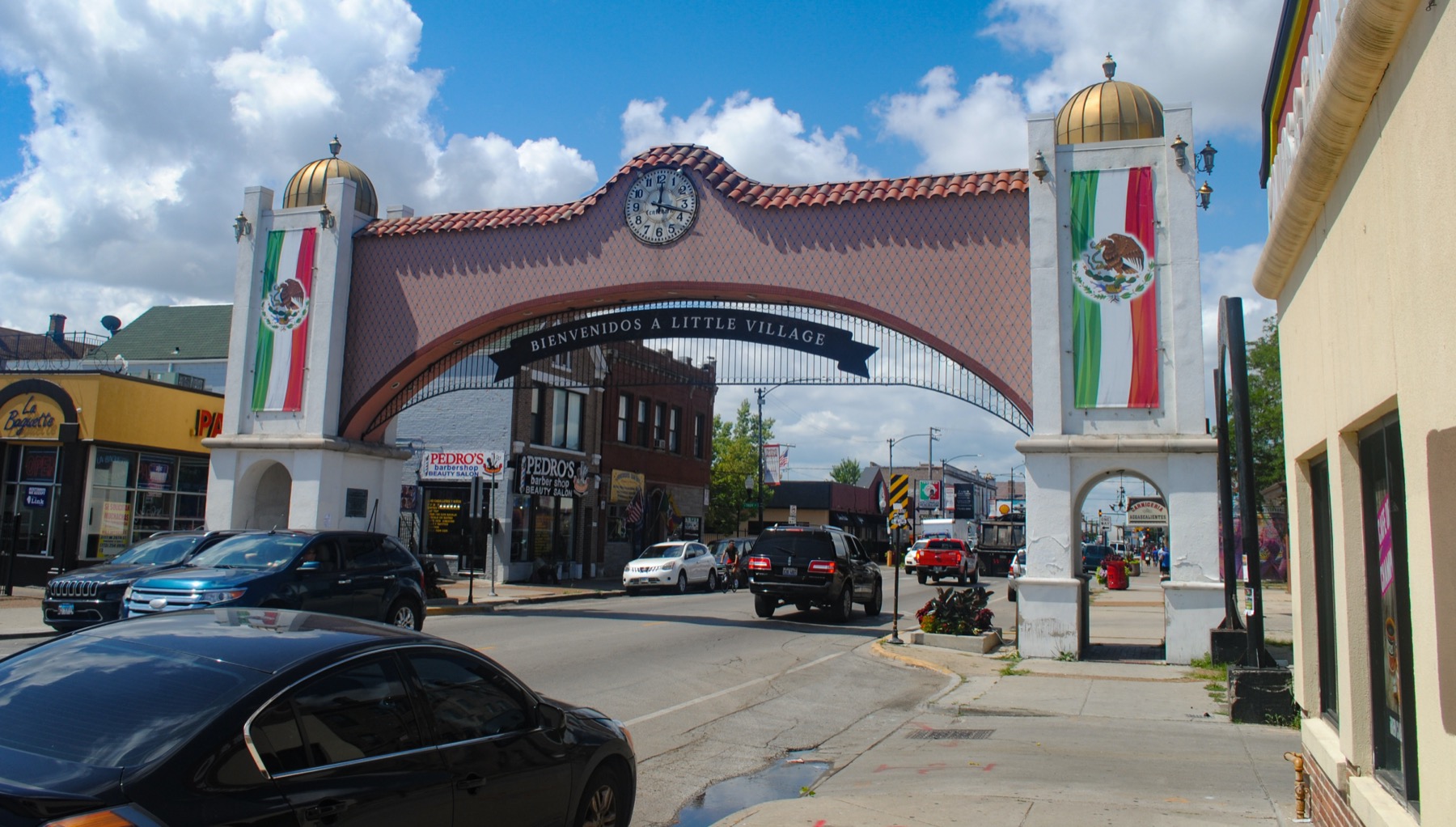
Spanning West 26th Street at Albany Avenue stands the Little Village Arch. Designed by architect Adrian Lozano and erected in 1990, the arch welcomes visitors with the tiled phrase "Bienvenidos A Little Village." Featuring tiled roofs inspired by traditional Mexican hacienda architecture and a mechanical clock, the arch serves as the symbolic gateway to the neighborhood. In 2021, the Chicago City Council officially designated the Little Village Arch as an official Chicago Landmark, preserving its structural and cultural importance.
Manuel Pérez Plaza
Located near the 26th and Kolin intersection, Manuel Pérez Plaza is a public gathering place named in honor of Manuel Pérez Jr., a Little Village resident who was posthumously awarded the Congressional Medal of Honor for his bravery during World War II. The plaza serves as a venue for community markets, cultural gatherings, and civic press events.
Public Art and Murals
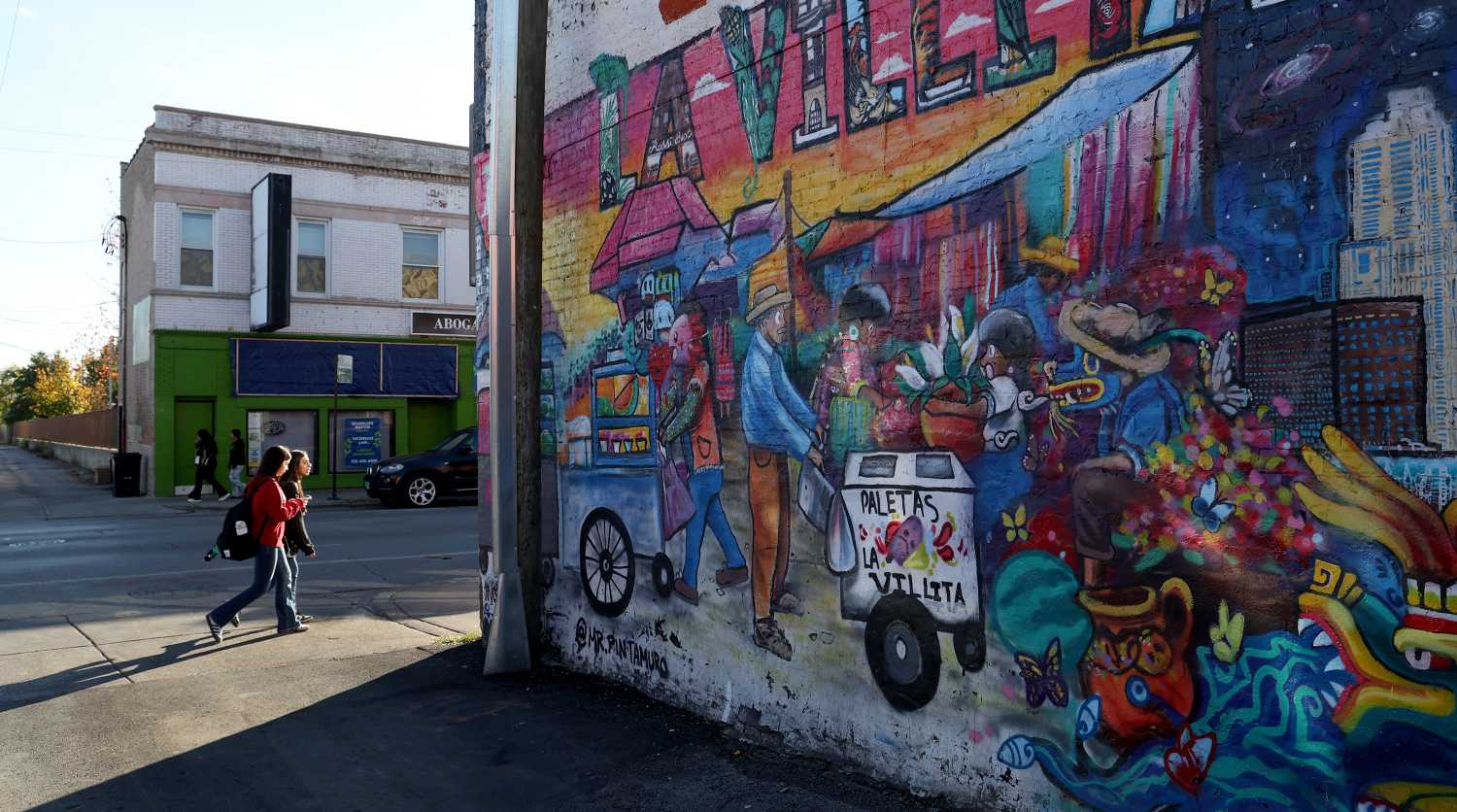
Throughout Little Village, exterior brick walls are transformed by colorful public murals. Created by local artists and youth collectives, these works reflect themes of worker solidarity, immigration history, indigenous identity, and neighborhood pride. Notable artistic clusters can be found near school yards along 24th Street and residential side streets crossing 26th Street.
Culinary Landscape: Dining in Little Village
Little Village is recognized as one of the premier destinations for authentic regional Mexican cuisine in North America. The culinary offerings range from long-standing family taquerías to specialized regional eateries representing states such as Michoacán, Jalisco, Guerrero, and Zacatecas.
- Typical Little Village Culinary Experiences
- Carnitas (Slow-cooked Pork)
- Birria (Style Goat/Beef Stew)
- Taquerías & Fresh Masa Tortillerías
- Antojitos (Elotes, Churros, Atole)
Traditional Food Highlights
- Carnitas: Little Village is famous for establishments specializing in traditional Michoacán-style carnitas—pork braised slowly in lard until tender. Restaurants serve carnitas by weight alongside fresh corn tortillas, pickled jalapenos, and house-made salsas.
- Birria: Diners will find restaurants dedicated to birria, a savory braised goat or beef stew served with rich consommé for dipping, traditional herbs, and chopped onions.
- Taquerías: Numerous independent taquerías serve classic cuts such as al pastor (marinated pork cooked on a vertical spit), carne asada (grilled steak), lengua (beef tongue), and tripas (crispy tripe).
- Bakeries and Dessert Shops: Beyond baked goods, specialized dessert shops offer mangonadas (mango sorbetlayered with chamoy and chili powder), churros fried fresh to order, and aquas frescas made daily from hibiscus (jamaica), tamarind, and rice milk (horchata).
Transportation and Access
Accessing Little Village from Downtown Chicago or surrounding suburbs is straightforward via public transit, automotive routes, and cycling infrastructure.
| Mode | Route / Service | Access Points |
|---|---|---|
| CTA Rail (Pink) | Pink Line Elevated | Stations: Kedzie, Central Park, Pulaski |
| CTA Bus | Route #26 | Serves West 26th Street |
| CTA Bus | Route #60 | Connects Loop via Blue Island/26th |
| CTA Bus | Route #53 | Pulaski Road Crosstown |
| CTA Bus | Route #82 | Kimball / Homan Crosstown |
| Expressway (Car) | I-55 (Stevenson) | Exits at Pulaski Rd, Kedzie Ave, Damen |
CTA Rail Services
The Chicago Transit Authority (CTA) Pink Line serves as the primary rail connection to Little Village. Passengers traveling southwest from the Chicago Loop can exit at key stations:
- Kedzie Station: Drops riders near the eastern entry of the 26th Street commercial district (short walk south to the Little Village Arch).
- Central Park Station: Centrally located for residential areas and mid-corridor shopping.
- Pulaski Station: Positioned near the western commercial end of 26th Street.
Bus Routes and Driving
- CTA Buses: The #26 West 26th route runs directly along the main thoroughfare. The #60 Blue Island/26th bus provides direct service from downtown Chicago to 26th Street. Key North-South routes include the #53 Pulaski and #82 Kimball/Homan buses.
- Automobile Access: Drivers can access the neighborhood via Interstate 55 (Stevenson Expressway), exiting north at Kedzie Avenue or Pulaski Road. Street parking along 26th Street consists of metered parking, while residential side streets generally require resident parking permits or have specific timed restrictions.
Practical Advice, Safety, and Visiting Etiquette
To ensure a smooth visit to Little Village, visitors should keep the following operational tips in mind:
- Visitor Checklist
- Bring cash for small street vendors and traditional markets.
- Use CTA Pink Line or metered parking spots along 26th Street.
- Plan visits during daytime commercial hours (10:00 AM – 6:00 PM).
- Respect neighborhood residents and private residential properties.
- Payment Methods: While larger retail shops and sit-down restaurants accept credit cards, many small food stalls, street vendors (paleteros, tamaleros), and smaller market stalls operate strictly on a cash-only basis. Carrying small bills is recommended.
- Optimal Visiting Hours: The 26th Street corridor is most active between 10:00 AM and 6:00 PM. Shopping and dining experiences are best enjoyed during these daylight hours when sidewalk vendors are active and storefronts are open.
- Safety and Awareness: As in any urban neighborhood in a major metropolis, standard urban safety practices apply. Stick to well-lit primary commercial corridors such as 26th Street, remain aware of your surroundings, keep personal belongings secure, and avoid walking through unfamiliar residential side streets late at night.
- Cultural Courtesy: English is widely spoken in commercial establishments, but basic Spanish greetings ("Buenos días", "Gracias") are welcomed by local merchants and shopkeepers.
Quick Reference Guide
| Subject / Category | Details & Specifications |
|---|---|
| Community Area | South Lawndale (Community Area 30) |
| Neighborhood Name | Little Village / La Villita |
| Primary Commercial Street | West 26th Street (Kedzie Ave to Cicero Ave) |
| Key Architectural Gateway | Little Village Arch (El Arco), 26th St & Albany Ave |
| Transit Access | CTA Pink Line (Kedzie, Central Park, Pulaski stops) |
| Major Annual Events | 26th Street Mexican Independence Day Parade (September) |
| Prominent Culinary Styles | Michoacán Carnitas, Jalisco Birria, Panaderías, Street Snacks |
| Economic Distinction | 2nd highest tax-generating commercial district in Chicago |
Frequently Asked Questions
What is Little Village in Chicago famous for?
Little Village is famous for being the Midwest's largest Mexican-American cultural and commercial enclave. It is renowned for its West 26th Street business district—which generates the second-highest sales tax revenue in Chicago—its iconic welcome arch, authentic regional Mexican restaurants, specialty bridal/quinceañera dress shops, and annual Mexican Independence Day celebrations.
How do I get to Little Village using public transportation?
The easiest way to reach Little Village from Downtown Chicago is via the CTA Pink Line train toward 54th/Cermak. Passengers can exit at the Kedzie, Central Park, or Pulaski stations and walk a few blocks south to West 26th Street. Alternatively, the CTA #60 Blue Island/26th bus provides direct surface transport from downtown to the heart of the neighborhood.
Is the Little Village Arch an official landmark?
Yes. The Little Village Arch (El Arco de La Villita), located at 26th Street and Albany Avenue, was designed by architect Adrian Lozano and erected in 1990. The Chicago City Council officially designated it as an official Chicago Landmark in 2021 in recognition of its cultural significance to the city.
What is the best time of day to visit 26th Street?
The ideal time to visit is during daytime commercial hours, typically between 10:00 AM and 5:00 PM. During these hours, retail boutiques, panaderías, markets, and street vendors are open, creating a vibrant shopping and dining streetscape.
Where is the annual Mexican Independence Day Parade held?
The Mexican Independence Day Parade takes place along West 26th Street in September. It is one of the largest parades in Chicago, drawing hundreds of thousands of spectators to celebrate Mexican heritage with floats, traditional music, dancing, and community marches.
Next Steps for Visitors
If you are planning a trip to Little Village, start your visit at the intersection of 26th Street and Albany Avenue to take in the iconic El Arco de La Villita. From there, walk west along 26th Street toward Pulaski Road to explore local bakeries, browse traditional artisanal shops, and enjoy a sit-down meal at one of the neighborhood's long-standing taquerías or carnitas houses.
For up-to-date transit schedules and route planning, consult the official CTA System Map, or check community business listings through the Little Village Chamber of Commerce.
Image Gallery