House Foundation Repair in Lithonia, GA: 2026 Homeowner’s Guide
House foundation repair in Lithonia requires addressing the region’s specific expansive red clay soil and high humidity. In 2026, the most effective solutions include hydraulic piering for settlement, polyurethane injection for slab le...
House foundation repair in Lithonia requires addressing the region’s specific expansive red clay soil and high humidity. In 2026, the most effective solutions include hydraulic piering for settlement, polyurethane injection for slab leveling, and comprehensive crawl space encapsulation. Early intervention is essential to prevent structural failure and maintain the property value of DeKalb County homes.
Contents
Understanding the Lithonia Soil Challenge
Lithonia, Georgia, and the surrounding DeKalb County area are characterized by a unique geological profile that significantly impacts residential foundations. The primary culprit for foundation distress in this region is the high concentration of expansive silicate clays, often colloquially known as "Georgia Red Clay."
These clays are highly reactive to moisture levels. During the heavy rain seasons typical of the Southeast, the clay particles absorb water and expand, exert upward and inward "hydrostatic pressure" against foundation walls. Conversely, during the hot, dry summers of 2026, the soil loses moisture and shrinks. This constant cycle of expansion and contraction leads to soil instability. When the soil beneath a home shrinks or washes away, the foundation loses its uniform support, resulting in "settlement." Because soil composition is rarely uniform across a single lot, one corner of a house may sink faster than another, a phenomenon known as differential settlement.
Furthermore, parts of Lithonia sit near significant granite outcroppings, such as the Arabia Mountain area. Homes built near these transitions may experience "point loading" issues where part of the foundation rests on stable rock while another part rests on shifting clay, creating significant structural tension.
Primary Signs of Foundation Failure in Lithonia Homes
Homeowners should conduct a seasonal "foundation walk" to identify early warning signs. In 2026, diagnostic tools used by professionals have become more precise, but visual inspections remain the first line of defense.
Exterior Indicators
- Stair-Step Cracking: This is the most common sign in brick-front homes. If you notice cracks following the mortar lines in a zigzag pattern, it usually indicates that one section of the foundation is sinking.
- Chimney Separation: Because chimneys are often built on a separate footing than the rest of the house, they are often the first to show signs of settlement. A gap between the chimney and the siding or brickwork is a major red flag.
- Fascia Board Gaps: Look at the corners of your roofline. If the fascia boards are pulling apart, it suggests the walls are leaning or shifting outward.
Interior Indicators
- Sticking Doors and Windows: When a foundation shifts, door and window frames go out of "square." If doors start to rub at the top or windows become difficult to latch, the structural integrity of the frame is being compromised.
- Drywall Cracks: Focus on cracks that originate from the corners of door frames or window headers. Horizontal cracks or large diagonal fissures are more concerning than thin, vertical hairline cracks, which may just be settling paint.
- Sloping Floors: In 2026, inspectors use high-precision zip levels to measure floor variance. If you can feel a "pitch" or "roll" when walking across a room, the subfloor or foundation slab has likely dipped.
Common Foundation Repair Methods in 2026
The repair method chosen depends entirely on the type of foundation (slab, crawl space, or basement) and the specific nature of the soil failure.
1. Piering and Underpinning
For homes experiencing deep settlement, piering is the gold standard. This involves driving steel columns deep into the earth until they reach stable load-bearing strata or bedrock.
- Push Piers: These use the weight of the house and hydraulic pressure to drive the pier into the ground. They are excellent for heavy structures.
- Helical Piers: These look like giant screws and are twisted into the ground. They are preferred for lighter structures like porches or in areas where the soil is particularly sandy or unstable.
2. Polyurethane Foam Injection (Polyjacking)
In 2026, polyjacking has largely replaced traditional "mudjacking" for concrete slab repair. A high-density, waterproof foam is injected through small holes (about the size of a dime) drilled into the slab. The foam expands rapidly, filling voids and lifting the concrete back to its original position. This is ideal for sinking garage floors, patios, and interior slabs.
3. Crawl Space Stabilization
Many older homes in Lithonia are built on pier-and-beam foundations with crawl spaces. These are susceptible to wood rot and "sagging" floors due to the high humidity of the Georgia climate. Repair often involves:
- Intelligent Jacks: Heavy-duty steel supports that replace failing wooden posts or concrete blocks.
- Sill Plate Repair: Replacing the horizontal wooden beams that rest on the foundation if they have succumbed to moisture-induced rot.
4. Encapsulation and Drainage
Foundation repair is often incomplete without addressing the root cause: water. Crawl space encapsulation involves lining the ground and walls with a heavy-duty vapor barrier and installing a dehumidifier. This stabilizes the moisture content of the soil and prevents the wood-destroying fungi common in the Southeast.
2026 Cost Estimation for Lithonia Foundation Repairs
Costs vary significantly based on the number of piers required and the severity of the damage. Below is a breakdown of average costs in the Lithonia market for 2026.
| Repair Type | Average Cost Range (2026) | Primary Use Case |
|---|---|---|
| Push/Helical Piers | $1,800 – $3,200 per pier | Structural settlement/sinking corners |
| Polyurethane Injection | $1,200 – $4,500 total | Leveling slabs, walkways, or garages |
| Crawl Space Encapsulation | $5,000 – $15,000 | Moisture control and floor stabilization |
| Crack Injection (Epoxy/Urethane) | $600 – $1,500 | Sealing non-structural basement wall cracks |
| Support Jack Installation | $800 – $1,400 per jack | Correcting sagging floors in crawl spaces |
| Full Foundation Replacement | $30,000 – $60,000+ | Total structural failure (rare) |
The Impact of Local Climate and Topography
In Lithonia, the topography is often rolling, which means many homes are built on lots with significant slopes. Poor "grading"—the slope of the land away from the house—leads to water pooling at the base of the foundation. In 2026, modern foundation companies prioritize Hydrostatic Pressure Management.
If a home is at the bottom of a hill, a "French Drain" or a curtain drain may be necessary. These systems redirect groundwater around the home rather than letting it press against the foundation walls. Without proper drainage, even the most expensive piering system may eventually face challenges from soil erosion or extreme hydrostatic pressure.
Choosing a Contractor in DeKalb County
When seeking "house foundation repair Lithonia," it is critical to verify the technical credentials of the provider.
- Engineering Requirement: For major structural repairs involving piering, a Professional Engineer (PE) should ideally review the plan. Many Lithonia homeowners now insist on a third-party engineering report before and after the work to ensure the lift was successful.
- Licensing: Ensure the contractor holds a valid Georgia Residential-Basic or Residential-Light Commercial Contractor license. You can verify these via the Georgia Secretary of State’s website.
- Warranty Portability: Foundation warranties should be "lifetime" and, crucially, transferable. If you sell your Lithonia home in the future, the ability to transfer the warranty to the new owner is a significant selling point and protects your home’s resale value.
- Local Experience: Ask specifically about their experience with Lithonia’s granite-to-clay transition zones. A contractor who only works in sandy coastal areas will not understand the nuances of DeKalb County soil.
Frequently Asked Questions
Does Georgia homeowners insurance cover foundation repair?
In most cases, standard homeowners insurance policies in Georgia do not cover foundation repair if the damage is caused by "earth movement" or "settlement," which are considered maintenance issues. However, if the foundation damage is a direct result of a covered peril, such as a sudden pipe burst or a fire, you may have a valid claim. Always review your specific 2026 policy riders with an agent.
How long does a typical foundation repair take?
For a standard Lithonia home requiring 8 to 12 piers, the work is usually completed within 3 to 5 days. Polyjacking projects are even faster, often completed in a single afternoon. Crawl space encapsulation may take 2 to 4 days depending on the size of the area and the amount of debris removal required.
Can I sell my house if it has foundation issues?
Yes, but you are legally required to disclose known foundation defects in the Georgia Property Disclosure Statement. Selling a home with unrepaired foundation issues usually results in a significant price reduction or difficulty securing buyer financing. Most 2026 buyers prefer the repairs to be completed and warrantied before closing.
Is a crack in my basement wall always a structural problem?
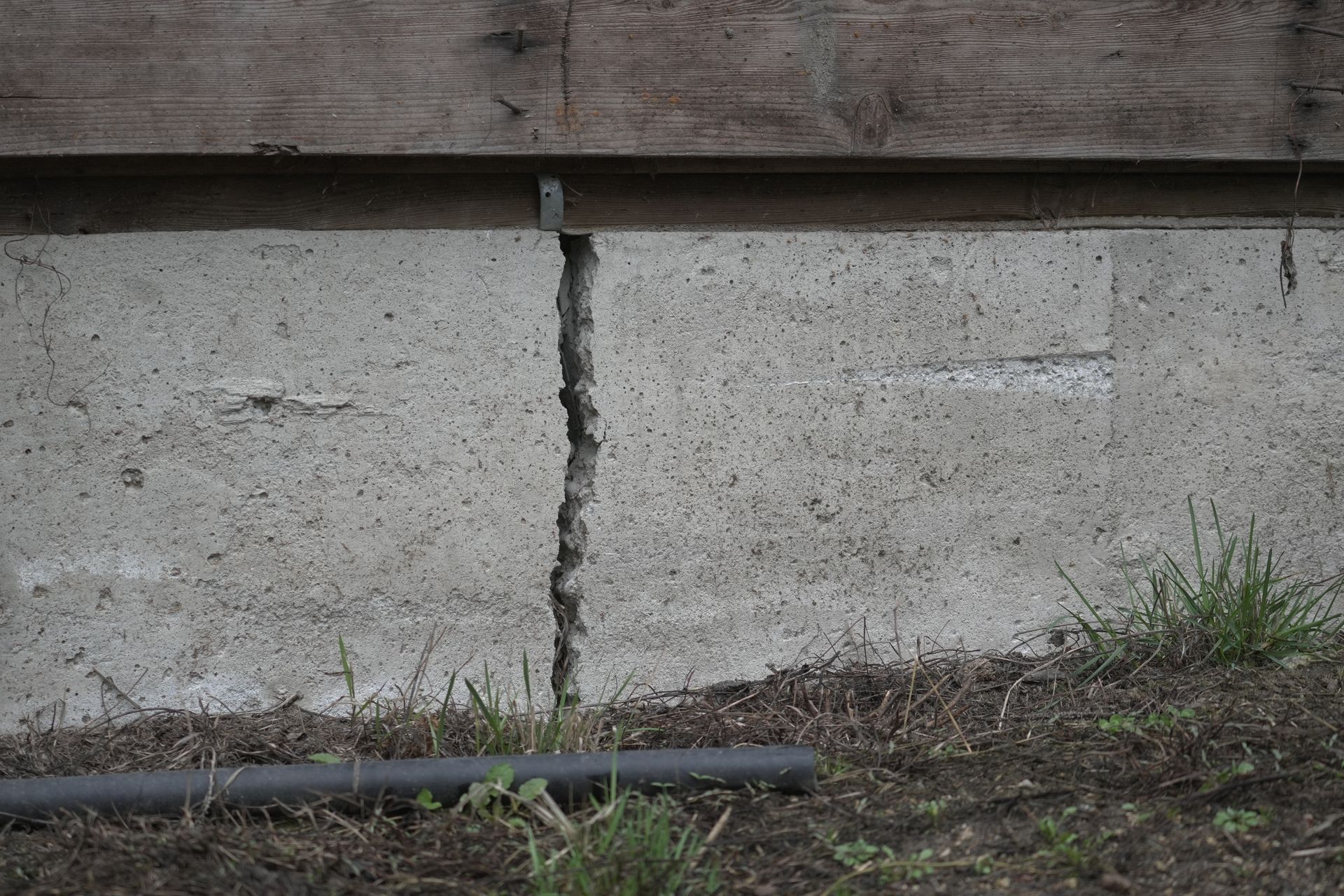
Not necessarily. Vertical cracks are often caused by the natural shrinking of concrete as it cures. However, horizontal cracks or cracks wider than 1/8 of an inch are high-priority concerns, as they indicate that the wall is bowing under pressure from the outside soil.
Will foundation repair damage my landscaping?
Piering requires excavation around the perimeter of your home. While reputable Lithonia contractors attempt to minimize damage, some bushes or flower beds near the foundation may need to be moved. Polyjacking is much less invasive, requiring only small drill holes.
Practical Recommendation
If you suspect foundation movement, the first step is to monitor the size of any visible cracks over a period of 30 days. If the cracks expand or if you notice new sticking doors, schedule a structural evaluation immediately. For homeowners in Lithonia, maintaining consistent soil moisture—using a "foundation soaker hose" during drought periods—and ensuring gutters are clear and discharging at least five feet from the home are the most cost-effective ways to prevent future damage.
Image Gallery