The Best Luxury Business Cards for High-Impact Networking in 2026
The best luxury business cards in 2026 prioritize tactile weight, material innovation, and artisanal finishes like 3D foil, letterpress, or precision-etched metal. These premium tools serve as high-stakes brand ambassadors, combining t...
The best luxury business cards in 2026 prioritize tactile weight, material innovation, and artisanal finishes like 3D foil, letterpress, or precision-etched metal. These premium tools serve as high-stakes brand ambassadors, combining traditional craftsmanship with modern enhancements like NFC integration to ensure a memorable, tactile impression that digital-only exchanges cannot replicate.
Contents
In a professional landscape where digital noise is at an all-time high, the physical business card has transitioned from a mere contact sharing tool to a powerful symbol of status and intentionality. Choosing the right luxury card requires a deep understanding of materials, weight, and finishing techniques that signal quality before a single word is read.
Defining Luxury in 2026: Materials and Weight
When selecting a luxury business card, the first sensory engagement is weight. In the printing industry, paper thickness is measured in points (pt) or grams per square meter (gsm). Standard cards typically hover around 14pt to 16pt, but a truly luxury card begins at 18pt and can go as high as 48pt or even 60pt.
Triple-Layered and Quad-Layered Paper
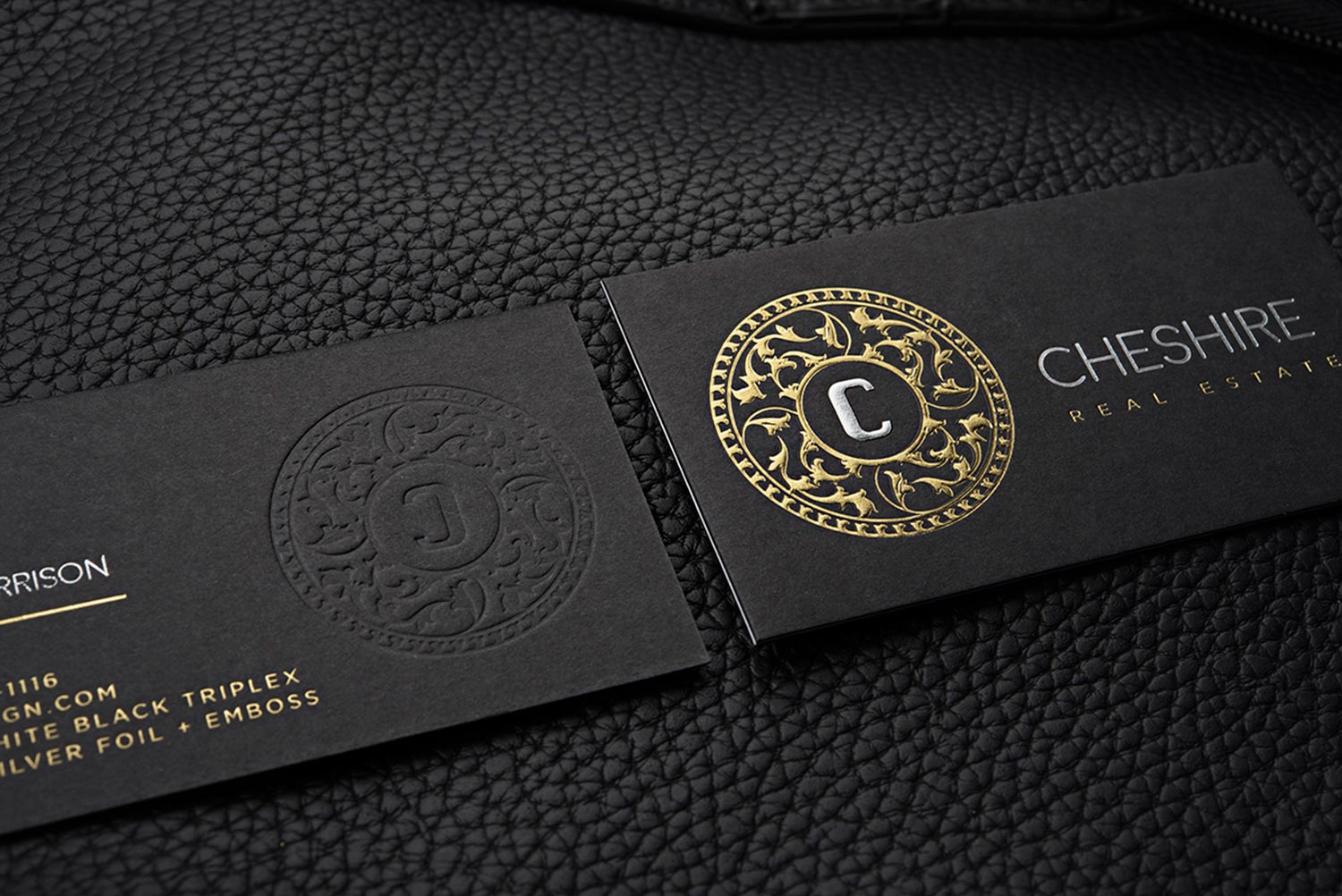
One of the most popular luxury trends in 2026 is the "Triplex" or "Multi-loft" card. These cards are constructed by sandwiching a colored center layer between two premium outer layers. This results in a card that is not only exceptionally thick (often 32pt or more) but also features a striking "seam" of color along the edge. This provides a structural rigidity that feels substantial and expensive in the hand.
Premium Cotton and Linen
For those seeking a classic, sophisticated feel, 100% cotton paper remains the gold standard. Brands like Crane’s Lettra or Mohawk Superfine provide a soft, pillowy texture that is ideal for letterpress printing. Unlike wood-pulp paper, cotton fibers are long and durable, allowing for deep impressions and a tactile "tooth" that feels organic and high-end.
Beyond Paper: Metal and Exotic Materials
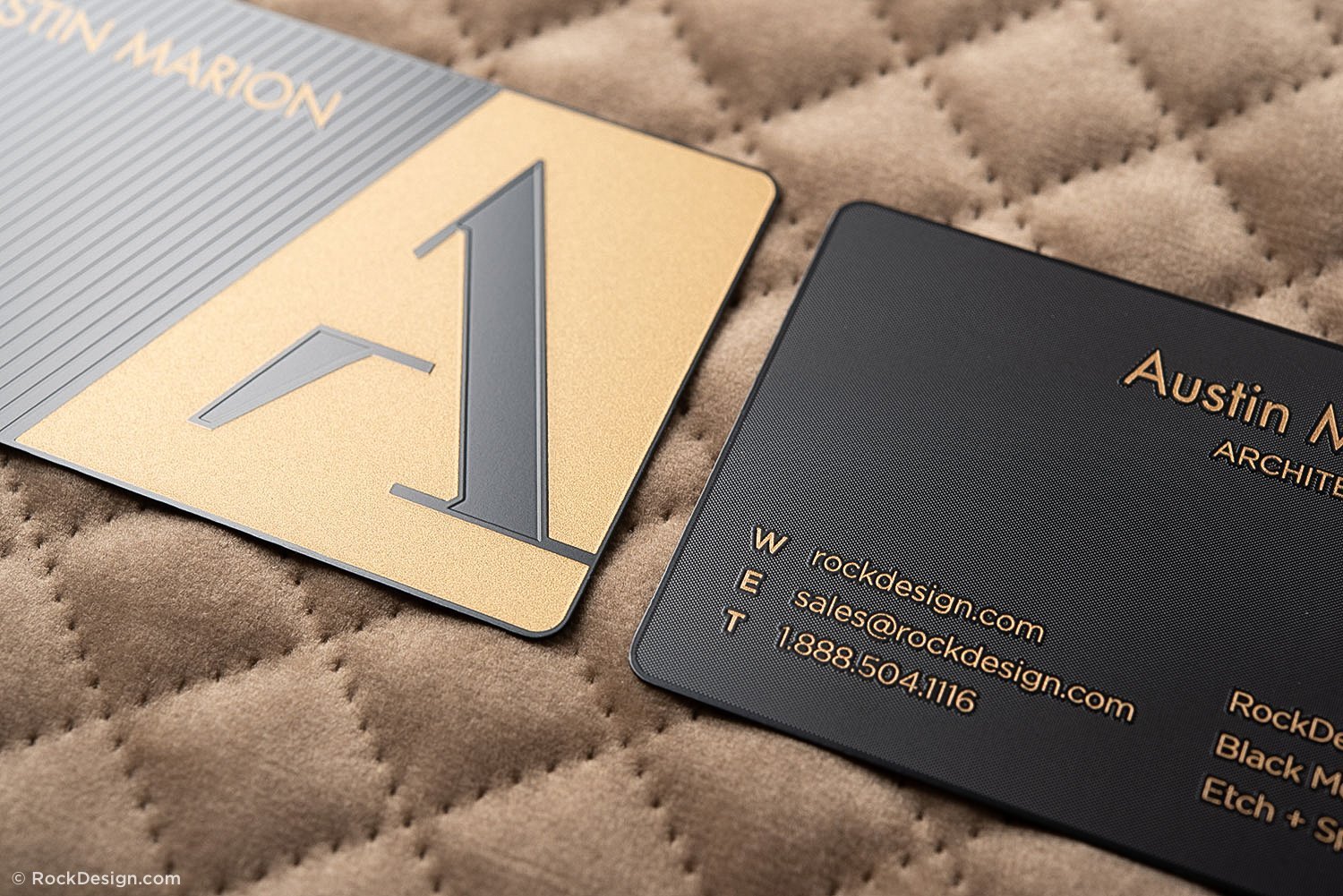
For professionals in tech, architecture, or high-end real estate, paper may not suffice. Metal business cards—crafted from 304-grade stainless steel, matte black brass, or even copper—have become a staple of the luxury market. These cards are usually 0.5mm to 0.8mm thick and use chemical etching rather than traditional printing, allowing for intricate cut-outs and a weight that demands immediate attention.
High-End Finishing Techniques
A luxury card is defined as much by its finish as by its material. These techniques require specialized machinery and a high degree of craftsmanship, separating professional-grade cards from mass-produced alternatives.
Letterpress and Debossing
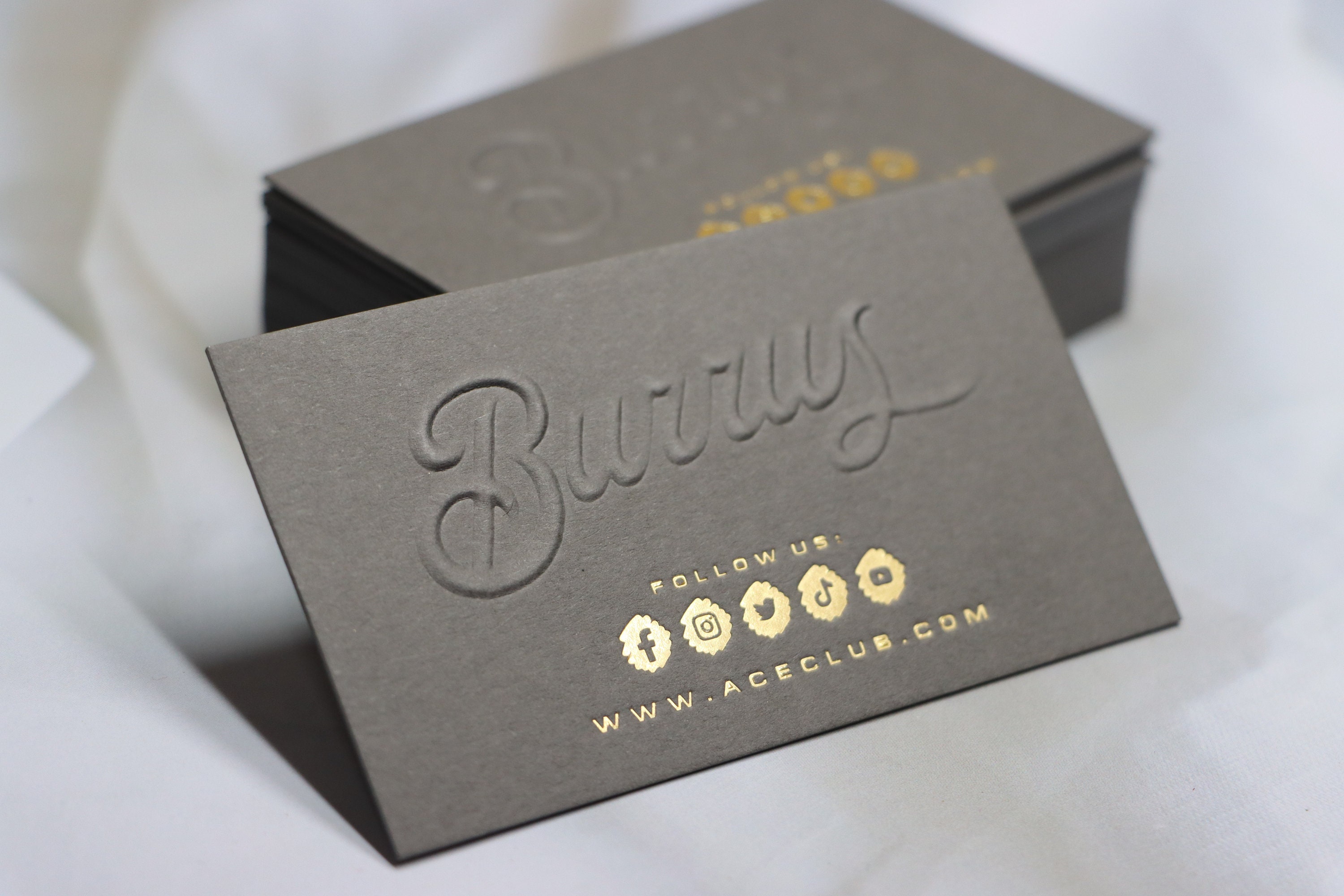
Letterpress is one of the oldest printing methods, where a raised plate is inked and pressed into thick, soft paper. This creates a physical depression that you can feel with your fingertips. Debossing is a similar technique but is often done "blind" (without ink) to create a subtle, architectural texture. In 2026, many luxury brands use deep-plunge letterpress on 600gsm cotton to create a 3D effect that signals artisanal quality.
Foil Stamping and 3D Spot UV
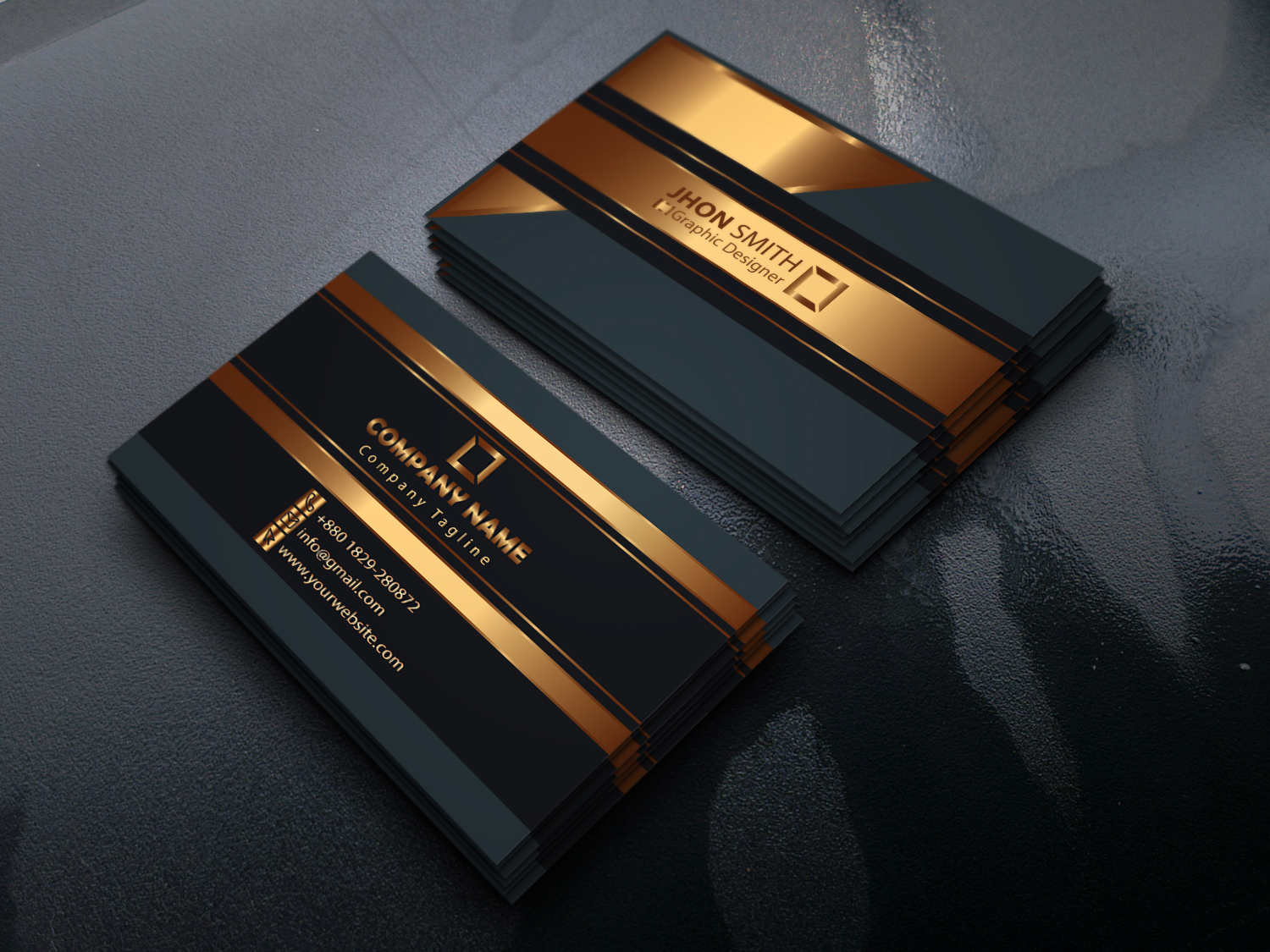
Traditional gold or silver foil adds a reflective, metallic shine that ink cannot mimic. However, modern luxury cards often utilize scuff-resistant foils in copper, rose gold, or holographic finishes. 3D Spot UV (often called Scodix) adds a raised, glossy liquid layer over specific design elements. This creates a contrast between matte paper and high-gloss textures, encouraging the recipient to "feel" the logo.
Painted and Gilded Edges
When a card is thick enough (32pt+), the edges become a canvas. Luxury providers offer edge painting in neon, metallic, or matte colors to match the brand's palette. For the ultimate in luxury, gilded edges—the application of actual metallic foil to the card's sides—provide a jewelry-like finish that catches the light from every angle.
The Integration of Technology: NFC Luxury Cards
By 2026, the "best" business card is often a hybrid of physical luxury and digital efficiency. NFC (Near Field Communication) chips can now be embedded between layers of premium 32pt paper or even inside metal cards.
When a recipient taps their phone against the card, the chip triggers an action—saving your contact details, opening a digital portfolio, or launching a specific landing page. This allows the physical card to remain minimalist and clean in design, while the "heavy lifting" of information transfer happens digitally. The luxury lies in the seamlessness of the experience; the card acts as the "key" to your professional identity.
Comparison of Leading Luxury Business Card Types
| Material Type | Standard Thickness | Best Finishing Technique | Primary Impression | Estimated Cost (per 100) |
|---|---|---|---|---|
| Cotton (Letterpress) | 20pt - 40pt | Deep Debossing / Blind Emboss | Traditional, Artisanal, Soft | $150 - $350 |
| Metal (Stainless Steel) | 0.5mm - 0.8mm | Laser Etching / Cut-outs | Industrial, Permanent, Bold | $400 - $800 |
| Triplex Paper | 32pt - 48pt | Edge Painting / Spot UV | Modern, Substantial, Colorful | $120 - $250 |
| Silk / Suede Laminated | 16pt - 19pt | Gold Foil / Raised Gloss | Sleek, Smooth, Modern | $80 - $150 |
| Carbon Fiber | 0.5mm - 1.0mm | High-Gloss Coating | Cutting-edge, Lightweight, Tech | $1,000+ |
Top Global Providers of Luxury Business Cards
Selecting a vendor is a critical step, as many local printers lack the specialized equipment for high-end finishes like 3D foil or edge gilding.
- Jukebox Print: Known for having the widest array of exotic materials, including wood, cork, and extra-thick textured papers. They are a leader in creative luxury.
- Moo (Luxe Series): A great entry point for luxury. Their Luxe line uses Mohawk Superfine paper with a colored center seam and is widely accessible for small to mid-sized firms.
- Luxury Printing: Specializes in bespoke, high-end corporate accounts. They offer advanced techniques like large-format foil and custom die-cutting that smaller shops cannot handle.
- Metal Business Kards: The industry leader for stainless steel and brass cards. They offer unique features like magnetic strips and custom "bottle opener" cut-outs for lifestyle brands.
- Silkcards: Famous for their "silk" lamination, which gives cards a unique, velvety feel that is both water-resistant and tear-resistant.
Design Principles for Luxury Cards
A common mistake is over-designing. In the luxury sector, minimalism is a proxy for confidence.
- Negative Space: Do not feel the need to fill every millimeter. Large areas of blank, high-quality paper emphasize the texture of the material itself.
- Typography: Use high-contrast, professional serifs or clean geometric sans-serifs. Avoid "gimmick" fonts that detract from the material quality.
- Color Palette: Stick to a restrained palette. Earth tones, deep navy, forest green, or monochromatic black-on-black (using Spot UV for the logo) are hallmarks of high-end design.
- Hierarchy: Ensure the most important information—usually your name and the primary way to contact you—is the most legible.
ROI and Professional Perception: Is the Cost Justified?
High-end business cards can cost between $2.00 and $10.00 per card, which is significantly higher than the $0.10 cost of a standard card. However, for professionals in high-value industries—such as luxury real estate, legal services, or executive consulting—the return on investment (ROI) is measured in retention and psychological impact.
Research in haptic perception (the sense of touch) suggests that people associate the weight and texture of an object with the perceived "weight" of the person's character or brand. A flimsy card suggests a temporary or budget-conscious operation, whereas a 32pt cotton card suggests stability, attention to detail, and long-term value. In 2026, when so much of our professional lives is ephemeral and digital, these physical anchors are more valuable than ever.
Frequently Asked Questions
What is the most durable luxury business card material?
Stainless steel and carbon fiber are the most durable materials. Unlike paper, which can fray at the corners or become water-damaged, metal cards are virtually indestructible and can last for decades. They are particularly popular among engineers and high-tech entrepreneurs.
How thick should a luxury business card be?
At a minimum, a luxury card should be 18pt (0.45mm). However, the industry standard for a "premium" feel in 2026 is 32pt (approx. 0.8mm). This thickness prevents the card from bending easily and gives it a weight that feels substantial in a recipient's pocket or wallet.
Can I include an NFC chip in a metal card?
Yes, but it is technically challenging. Because metal blocks radio frequencies, NFC chips in metal cards usually require a "window" (a small plastic or non-conductive area) or are embedded into a hybrid metal-and-PVC construction. Paper luxury cards are much easier to equip with NFC technology.
What is the difference between embossing and debossing?
Embossing raises the design above the surface of the paper, creating a 3D effect that pops out. Debossing presses the design into the paper, creating a depression. In the luxury market, "blind debossing" is currently more popular as it creates a subtle, sophisticated texture that invites touch without being visually loud.
Are eco-friendly business cards considered luxury?
Absolutely. In 2026, sustainability is a core component of luxury. High-end recycled cotton (made from t-shirt offcuts), hemp paper, and "seed paper" that can be planted are all considered premium choices. These materials often have unique textures that enhance the luxury feel while communicating a brand's values.
Final Recommendation
For those looking to make the strongest possible impression, we recommend starting with a 32pt Cotton Triplex card. It offers the perfect balance of weight, tactile softness (ideal for letterpress), and a modern edge-color detail. If you operate in a highly competitive or tech-focused industry, upgrading to a Matte Black Stainless Steel card with an embedded NFC chip will ensure your contact information is never lost and your brand is never forgotten.
Before placing a large order, always request a "sample pack" from your chosen vendor. This allows you to feel the gsm differences and see the foil quality in person, as luxury is a sensory experience that cannot be fully captured on a computer screen.
Image Gallery