Bonnie and Clyde Net Worth: The Real Financial Truth Behind the Outlaws
At the time of their deaths in May 1934, Bonnie Parker and Clyde Barrow had an estimated personal net worth of virtually zero in lasting assets, carrying just $507 in cash inside their stolen Ford V8. Throughout their two-year crime sp...
At the time of their deaths in May 1934, Bonnie Parker and Clyde Barrow had an estimated personal net worth of virtually zero in lasting assets, carrying just $507 in cash inside their stolen Ford V8. Throughout their two-year crime spree, the Barrow Gang stole between $10,000 and $15,000 total—equivalent to roughly $230,000 to $350,000 today.
Contents
Despite their legendary status in American folklore, Bonnie Parker and Clyde Barrow were never wealthy outlaws. Pop culture, news sensationalism, and Hollywood films have frequently portrayed the duo as glamorous bank robbers swimming in plunder. In reality, their lives were defined by severe financial hardship, low-yield robberies, desperate living conditions, and massive operational expenses required to stay ahead of law enforcement during the height of the Great Depression.
The Myth vs. Reality of the Barrow Gang’s Wealth
The popular image of Bonnie and Clyde suggests a romanticized couple pulling off daring high-stakes bank heists across the American Midwest. However, historical records, police reports, and contemporary accounts paint a dramatically different financial picture.
| Category | Details |
|---|---|
| PERCEPTION: | Master criminals who stole millions from massive banks. |
| REALITY: | Desperate fugitives robbing mom-and-pop stores for cash. |
| RESULTS: | High expenses, zero savings, $507 found upon death. |
Why the Public Believed They Were Rich
During the early 1930s, newspapers and sensational press outlets exaggerated the exploits of Depression-era outlaws to sell papers. Stories of dashing criminals taking money from wealthy financial institutions resonated with a public frustrated by bank failures and economic collapse.
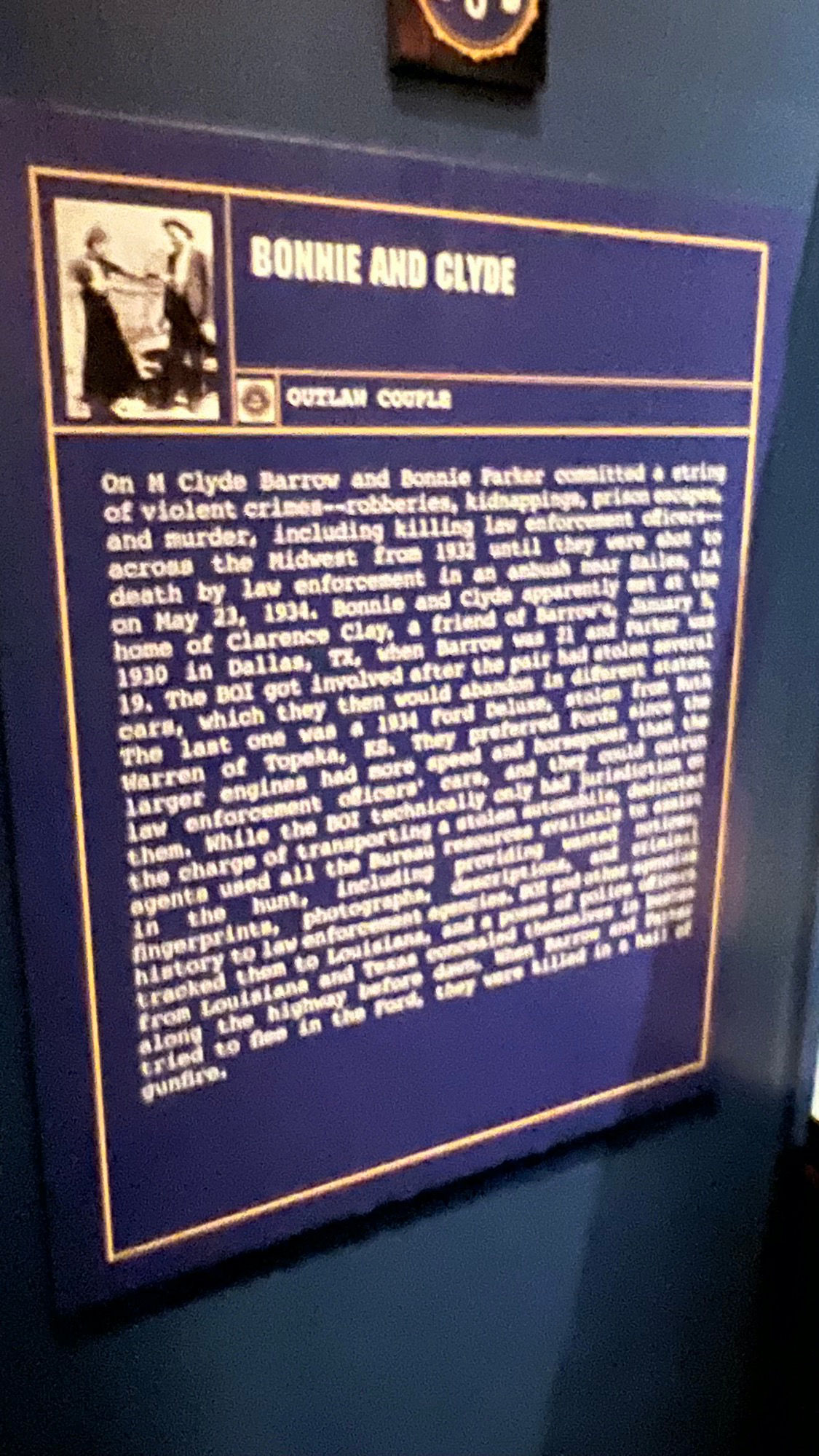
Additionally, police agencies and the FBI (then the Bureau of Investigation) highlighted the gang's threat level to justify cross-state law enforcement operations and expanding federal jurisdiction, which inadvertently heightened their public profile as major criminal masterminds.
The Gritty Financial Reality
Unlike urban bank robbers of the era who targeted prominent financial centers, Clyde Barrow preferred soft targets. The pair spent far more time raiding small-town gas stations, rural grocery stores, isolated hardware shops, and small community banks.
Many of these establishments yielded minuscule amounts—sometimes as little as $10 to $80 per robbery (roughly $230 to $1,800 in present-day value). On several occasions, the cost of the gasoline required to escape the crime scene exceeded the value of the cash stolen.
Total Robbery Earnings and Major Heists (1932–1934)
Between 1932 and 1934, the Barrow Gang conducted dozens of robberies across Texas, Oklahoma, Missouri, New Mexico, Iowa, and Kansas. While exact historical accounting varies, historians estimate the gang's cumulative stolen proceeds across their entire career totaled approximately $10,000 to $15,000.
| Date | Location / Target | Target Type | Estimated Loot (1930s USD) | Present-Day Value (2026 USD) |
|---|---|---|---|---|
| April 1932 | Kaufmann, Texas | General Store | ~$80 | ~$1,850 |
| May 1932 | Okemah, Oklahoma | First National Bank | ~$1,500 | ~$34,500 |
| July 1932 | Commerce, Oklahoma | Local Store / Gas Station | ~$120 | ~$2,760 |
| March 1933 | Joplin, Missouri | Hideout Raided (Guns/Cash) | Minimal Cash | Minimal |
| May 1933 | Lucerne, Indiana | Bank Robbery | ~$1,900 | ~$43,700 |
| March 1934 | Stuart, Iowa | First National Bank | ~$1,400 | ~$32,200 |
| April 1934 | Grapevine, Texas | Highway Patrol Patrolmen Stolen Gear | Weapons/Equipment | N/A |
Characteristics of Their Highest-Yield Heists
The gang’s largest individual payouts came from occasional small-town bank jobs, such as those in Lucerne, Indiana, and Stuart, Iowa, which yielded around $1,400 to $1,900 each. However, these larger payouts were rare exceptions.
More typical was the gang's pattern of stealing petty cash, small supplies, gasoline, clothing, and weapons from rural filling stations or small merchant storefronts.
Financial Breakdown: What Happened to the Money?
If the Barrow Gang managed to steal up to $15,000 over two years, why did they die virtually penniless? The answer lies in the extreme operational costs of living life on the run as high-profile fugitives.
Barrow Gang Cash Flow Dynamics
- Robbery Proceeds ($10,000 - $15,000)
- High Operating Costs
- Fuel & Maintenance
- Ammunition & Guns
- Black-Market Meds
- Family Support
- Net Cash at Death ($507)
1. High Operational Expenses of Life on the Run
Being continuous fugitives forced Bonnie and Clyde into an extraordinarily expensive lifestyle. They could not use standard hotel accommodations or public infrastructure without risking recognition and arrest.
- Fuel and Vehicle Upkeep: Clyde Barrow had a known preference for high-powered, late-model Ford V8 vehicles due to their speed and reliability. Maintaining stolen vehicles, constantly changing license plates, purchasing gas at all hours, and repairing blown tires consumed a massive portion of their cash.
- Ammunition and Weapons: The gang engaged in frequent firefights with local law enforcement and state posses. Acquiring military-grade weaponry (such as Browning Automatic Rifles stolen from National Guard armories) and buying large quantities of ammunition required constant funds.
2. Black-Market Medical Care
Injuries were frequent and costly. In June 1933, Clyde was driving near Wellington, Texas, when he missed a bridge construction sign and crashed into a ravine.
The car overturned and caught fire, causing severe third-degree battery-acid burns to Bonnie’s right leg. Because they could not seek care at a formal hospital without attracting federal authorities, they had to rely on illegal medical supplies, expensive black-market drugs, and paid assistance from sympathizers, consuming thousands of dollars.
3. Financial Support to Families
Clyde Barrow maintained a deep sense of loyalty to his impoverished family living in the West Dallas slums known as the "Barrow Camp" or "Boggy Bottom." Whenever the gang secured a decent robbery payout, Clyde frequently slipped cash to his mother, Cumie Barrow, and other family members.
Similarly, Bonnie provided money to her mother, Emma Parker. This regular redistribution of loot prevented the couple from building any meaningful reserve fund.
4. Inability to Invest or Store Wealth
Standard mechanisms for wealth building—such as bank accounts, real estate holdings, stocks, or secure physical vaults—were completely inaccessible to wanted fugitives. Money stolen by the gang had to be kept in cash and spent almost immediately on basic survival necessities.
Net Worth at the Ambush: May 23, 1934
On the morning of May 23, 1934, a six-man law enforcement posse led by former Texas Ranger Frank Hamer ambushed Bonnie Parker and Clyde Barrow along Highway 154 near Sailes, Bienville Parish, Louisiana.
| Inventory at Time of Death | Details |
|---|---|
| Physical Cash Found: | $507 (Approx. $11,800 modern equivalent) |
| Primary Vehicle: | 1934 Ford Deluxe V8 (Stolen) |
| Fixed Assets / Real Estate: | None |
| Investment Holdings: | None |
| Total Realized Net Worth: | $0 in legitimate assets / $507 liquid |
The Physical Inventory of the Stolen Ford V8
When officers searched the bullet-riddled 1934 Ford Deluxe V8 following the ambush, they cataloged the physical possessions remaining in the couple's possession:
- Cash: Approximately $507 in paper currency and coins (equivalent to roughly $11,800 in 2026 inflation-adjusted dollars).
- Weapons: A massive arsenal including several stolen Browning Automatic Rifles (BARs), modified shotguns, Colt .45 automatic pistols, revolvers, and thousands of rounds of ammunition.
- Personal Items: A pair of saxophones, a typewriter, personal letters, street maps, a camera with undeveloped film, stolen license plates, and cheap clothing.
The $507 in cash represented their entire liquid fortune after two years of continuous armed crime.
Posthumous Value: What Their Memorabilia Is Worth Today
While Bonnie and Clyde possessed virtually no material wealth when they died, their infamy turned their former personal belongings and weapons into high-value auction items decades later.
Collectors, museums, and true-crime historians have paid millions of dollars for verified artifacts connected to the Barrow Gang.
Major Auction Sales of Bonnie and Clyde Artifacts
- Bonnie’s Colt .38 Special Revolver: Taped to her inner thigh at the time of her death, this revolver was auctioned in 2012 for $264,000.
- Clyde’s Colt .45 Automatic Pistol: Found in Clyde’s waistband after the ambush, this firearm sold at the same 2012 auction for $240,000.
- Clyde’s Pocket Watch: A gold-tone pocket watch worn by Clyde Barrow at his death sold for over $36,000.
- Bonnie’s Makeup Compact: A silver compact belonging to Bonnie Parker brought $25,000 at auction.
- Poetry Notebook: A notebook containing handwritten verses penned by Bonnie Parker ("The Trail's End") was valued at tens of thousands of dollars during historical distributions.
- The "Death Car": The original 1934 Ford V8 in which they were killed—riddled with over 100 bullet holes—became a touring attraction for decades and was eventually purchased and displayed at the Whiskey Pete's Hotel and Casino in Primm, Nevada, valued in the millions.
Financial Comparison: Bonnie & Clyde vs. Depression-Era Outlaws
To put Bonnie and Clyde's modest earnings into financial context, it is helpful to compare them to other prominent Midwestern outlaws of the public enemy era (1931–1935).
| Outlaw / Gang | Target Focus | Total Estimated Loot |
|---|---|---|
| John Dillinger | Large City Banks | $300,000 – $500,000 |
| Baby Face Nelson | Financial Hubs | $150,000 – $250,000 |
| Pretty Boy Floyd | Regional Banks | $80,000 – $120,000 |
| Bonnie and Clyde | Small Stores / Gas | $10,000 – $15,000 |
John Dillinger
John Dillinger focused almost exclusively on large, well-funded urban banks. His gang routinely netted $20,000 to $50,000 per bank heist. Over his career, Dillinger's stolen proceeds exceeded $300,000 (over $6 million in modern purchasing power).
"Baby Face" Nelson and "Pretty Boy" Floyd
Both Nelson and Floyd hit larger regional targets that provided tens of thousands of dollars per job. They operated with greater financial discipline and organizational links to urban organized crime syndicates compared to the Barrow Gang.
Why the Barrow Gang Earned Less
Clyde Barrow suffered from deep paranoia regarding police traps and ambushes, largely due to his brutal experiences at the Eastham State Prison Farm in Texas.
Consequently, he preferred fast, hit-and-run attacks on small, unarmored rural businesses rather than heavily guarded urban banks, sacrificing high payouts for perceived safety and speed.
Frequently Asked Questions
How much money did Bonnie and Clyde have when they died?
When law enforcement ambushed Bonnie and Clyde in May 1934, searchers found $507 in cash inside their vehicle. In present-day 2026 dollars, this cash reserve equals approximately $11,800. They held no bank accounts, real estate, or formal investments.
What was the Barrow Gang’s biggest bank robbery payout?
The Barrow Gang’s largest individual bank robbery yield occurred at the First National Bank in Lucerne, Indiana, in May 1933, where they netted roughly $1,900 (equivalent to about $43,700 today). Most of their typical store or gas station robberies yielded under $100.
Did Bonnie and Clyde leave behind any buried treasure or hidden cash?
No. Historical records, FBI files, and family memoirs confirm that Bonnie and Clyde lived paycheck-to-paycheck on stolen funds. Because of high expenses for fuel, weaponry, bribes, and medical aid, they spent their proceeds almost immediately. Claims of hidden or buried Barrow loot are urban legends.
How much was the reward money for capturing Bonnie and Clyde?
At the time of their deaths, combined local, state, and federal reward offers for the capture or death of Bonnie Parker and Clyde Barrow totaled roughly $26,000 (over $600,000 today). However, much of this money was tied up in bureaucratic conditions, and the posse members received significantly less in actual payouts.
Why were Bonnie and Clyde broke despite robbing so many locations?
The gang had continuous high operating expenses, including buying stolen vehicles, high-priced black-market gas, ammunition, and illicit medical treatments for wounds sustained during gunfights. Furthermore, Clyde frequently gave portions of their money to his impoverished family in West Dallas.
Strategic Summary and Historical Takeaway
The modern financial legacy of Bonnie Parker and Clyde Barrow stands as a stark study in the contrast between pop-culture myth and historical reality:
- Net Worth at Death: Virtually $0 in real equity; $507 in cash on hand.
- Lifetime Criminal Revenue: Estimated between $10,000 and $15,000 total.
- Primary Income Sources: Rural gas stations, grocery stores, hardware shops, and small community banks.
- Primary Cost Drivers: Vehicle maintenance, high fuel usage, black-market medical care, weaponry, and cash handouts to relatives.
While Bonnie and Clyde accumulated no actual personal wealth during their lifetimes, the cultural infamy surrounding their tragic, violent story created millions of dollars in secondary market value for modern collectors and historical institutions.
Image Gallery