Understanding If There Is a Deductible for Life Insurance
Life insurance policies do not have a deductible. Unlike health, auto, or homeowners insurance—where policyholders must pay a specified out-of-pocket amount before coverage applies—life insurance pays the full agreed-upon death benefit...
Life insurance policies do not have a deductible. Unlike health, auto, or homeowners insurance—where policyholders must pay a specified out-of-pocket amount before coverage applies—life insurance pays the full agreed-upon death benefit directly to beneficiaries upon the insured individual's death, provided the policy remains active and all premiums are paid.
Contents
Why Life Insurance Policies Do Not Have Deductibles
To understand why life insurance operates without a deductible, it helps to examine how different types of insurance contracts handle risk and financial indemnification.
Property, casualty, and health insurance plans operate on the principle of indemnity. In these policies, the insurer promises to restore the policyholder to the financial position they occupied right before a covered loss occurred (up to the policy limit). Deductibles are built into indemnity contracts for two primary reasons:
- Moral Hazard Mitigation: Requiring policyholders to share in initial out-of-pocket costs deters reckless behavior and prevents small, frivolous claims.
- Administrative Efficiency: Processing low-value claims (such as a $100 health visit or minor auto scratch) costs insurance companies more in administrative overhead than the claim is worth. A deductible shifts small losses back to the insured.
Life insurance policies operate under a different legal framework known as valued contracts. Human life cannot be assessed for exact replacement value after a loss. Instead, the insurer and the policyholder enter into a contract stating that if the insured person dies while the coverage is active, the insurer will pay a specific, predetermined dollar amount—the policy's face value or death benefit.
Because death is a singular, total loss event rather than an ongoing or partial repair scenario, partial cost-sharing via a traditional deductible is inapplicable. The cost structure of life insurance is entirely contained within the policy's premiums, which are calculated based on mortality tables, age, health status, policy type, and underwriting class.
Life Insurance Costs vs. Health and Property Insurance
While life insurance eliminates deductibles, consumers frequently confuse life insurance with other forms of coverage that do feature out-of-pocket expenses. Comparing how out-of-pocket expenses function across major insurance types highlights these structural differences:
| Feature | Life Insurance | Health Insurance | Auto / Homeowners Insurance |
|---|---|---|---|
| Deductible Required? | No | Yes (in most plans) | Yes (for collision, comprehensive, or property claims) |
| Primary Cost to Policyholder | Regular premium payments | Premiums, deductibles, co-pays, and coinsurance | Premiums and per-claim deductibles |
| Payout Mechanism | Predetermined lump sum or installment to beneficiary | Payment directly to medical providers or reimbursement to patient | Replacement or repair cost minus deductible paid to repair shop or insured |
| Claim Trigger | Death of the insured person | Qualified medical treatment or illness | Physical damage, theft, or liability event |
| Cost Sharing on Payout | None (full face value paid, subject to adjustments) | Significant cost sharing until out-of-pocket maximum is met | Policyholder pays deductible first; insurer covers the remaining loss balance |
In health insurance, a consumer might need to pay a $2,000 deductible before the insurer pays a dime toward hospital bills. In auto insurance, a driver with a $500 deductible pays that amount directly to a repair shop after an accident. In life insurance, beneficiaries do not write a check or pay an upfront fee to collect the death benefit.
Scenarios Where a Life Insurance Death Benefit Is Reduced
Although life insurance contracts do not include a deductible, situations exist where the amount paid to beneficiaries is less than the original face value of the policy. These reductions reflect financial adjustments, contractual loans, or administrative fees rather than deductibles.
- Original Policy Face Amount (e.g., $500,000)
- Outstanding Policy Loans (Loan + Interest)
- Grace Period Unpaid Premiums (Sourced Fee)
- Accelerated Benefit Rider Drawdowns (Advance Amount)
- Actual Death Benefit Payout to Beneficiaries
1. Outstanding Policy Loans
Permanent life insurance policies—such as Whole Life or Universal Life—allow policyholders to borrow money against their accumulated cash value. If a policyholder takes a loan and dies before fully repaying it, the insurance company does not forfeit the remaining balance. Instead, the outstanding principal plus accrued interest is subtracted directly from the death benefit before the balance is disbursed to the beneficiary.
2. Unpaid Premiums During the Grace Period
Life insurance policies include a standard grace period (typically 30 or 31 days) following a missed premium deadline. If the insured person dies during this window, the policy remains technically active. However, the insurance carrier will deduct the past-due premium amount from the final death benefit payout.
3. Accelerated Death Benefit Riders
Many modern life insurance policies offer living benefit riders, such as accelerated death benefits for terminal, critical, or chronic illness. If an insured individual receives a terminal diagnosis and elects to access 50% of their $500,000 policy to pay for palliative care while living, the eventual death benefit paid to their heirs will be reduced by that $250,000 advance, alongside minor administrative processing fees.
4. Age or Gender Misstatement
If an applicant accidentally or intentionally enters the wrong age or biological sex on their life insurance application, state regulatory standards allow the insurer to recalculate the death benefit upon discovery. The payout is adjusted to the amount of coverage the paid premiums would have purchased had the correct information been disclosed during underwriting.
5. Early Surrender of Permanent Policies
If a policyholder surrenders a cash value life insurance contract early in its lifespan, the insurance company may apply surrender charges. These fees reduce the net cash value returned to the policyholder, but they affect living surrenders, not death benefit claims paid to beneficiaries.
Key Terms in Life Insurance Cost Structures
Understanding the terminology used in life insurance contracts helps clarify how expenses are structured over the life of a policy.
- Premium: The fixed or variable payment required to keep the life insurance contract active. Premium frequency can be monthly, quarterly, semi-annually, or annually.
- Face Value (Death Benefit): The total dollar amount of coverage purchased (e.g., $250,000 or $1,000,000) that the insurer agrees to pay upon proof of death.
- Contestability Period: A statutory two-year window from the policy's effective date during which the insurance carrier can investigate claims for material misrepresentation or fraud. According to the National Association of Insurance Commissioners (NAIC), if an applicant intentionally hides a pre-existing medical condition, the carrier may contest the claim and deny payout within this period.
- Cash Value: The tax-deferred savings component built into permanent policies. Cash value grows over time and can be accessed by the owner through loans or withdrawals.
- Suicide Exclusion Clause: A standard policy clause (typically active for the first two years) stating that if the insured dies by suicide within this window, the death benefit is voided, and the insurer returns only the premiums paid.
How the Life Insurance Claim Process Works
Because there are no deductibles to calculate or settle, filing a life insurance claim is relatively straightforward. Beneficiaries follow a structured process to receive their funds:
- Step 1: Obtain Death Certificates
- Step 2: Submit Statement & Documentation
- Step 3: Insurer Verification & Review
- Step 4: Lump-Sum or Installment Payout
Step 1: Obtain Certified Death Certificates
The beneficiary must obtain certified copies of the insured’s death certificate from the vital statistics office or funeral home. Insurance carriers require an official certified copy—not a photocopy—to verify the cause and date of death.
Step 2: Complete the Claimant Statement
The beneficiary submits a formal claim form (often called a Claimant’s Statement) to the insurance provider. This form requires basic identification details, social security numbers, and the policy number. If multiple beneficiaries are named, each individual must complete their own form to claim their designated percentage of the payout.
Step 3: Insurer Verification
The insurance company verifies that the policy was in force at the time of death, that premiums were current, and that the cause of death is covered under the contract terms. If the policy is outside the two-year contestability period, claims are typically processed rapidly—often within 30 days.
Step 4: Election of Payout Option
Beneficiaries typically select how they wish to receive the funds. Common payout options include:
- Lump-Sum Payment: A single, tax-free payout sent via electronic funds transfer or physical check.
- Specific Amount / Fixed Period Installments: The death benefit is placed in an interest-bearing account and disbursed in structured monthly or annual installments.
- Interest-Only Account: The insurer holds the principal death benefit in an account and pays the beneficiary regular interest payments, leaving the principal intact for later withdrawal.
If the death benefit yields accrued interest between the date of death and the date of final payment, that interest income is taxable and must be reported to the Internal Revenue Service (IRS).
Factors That Influence Overall Life Insurance Costs
While there are no deductibles to factor into your budget, the ongoing premium cost of a life insurance policy varies widely based on individual risk profiles. Insurance underwriters evaluate several core factors when setting policy rates:
- Age: Age is the single largest determinant of life insurance costs. Rates increase exponentially as an applicant ages because statistical mortality risk rises.
- Health History and Current Status: Underwriters examine height-to-weight ratio (BMI), blood pressure, cholesterol levels, personal medical history, and family medical history (specifically cardiovascular disease and cancer before age 60).
- Tobacco and Nicotine Use: Smokers, vapers, and users of nicotine replacement products pay significantly higher premiums—often two to four times more than non-users—due to elevated health risks.
- Occupation and Hobbies: High-risk professions (such as aviation, underground mining, or structural steelwork) and dangerous hobbies (such as scuba diving or skydiving) can trigger flat-rate surcharges or specialty underwriting ratings.
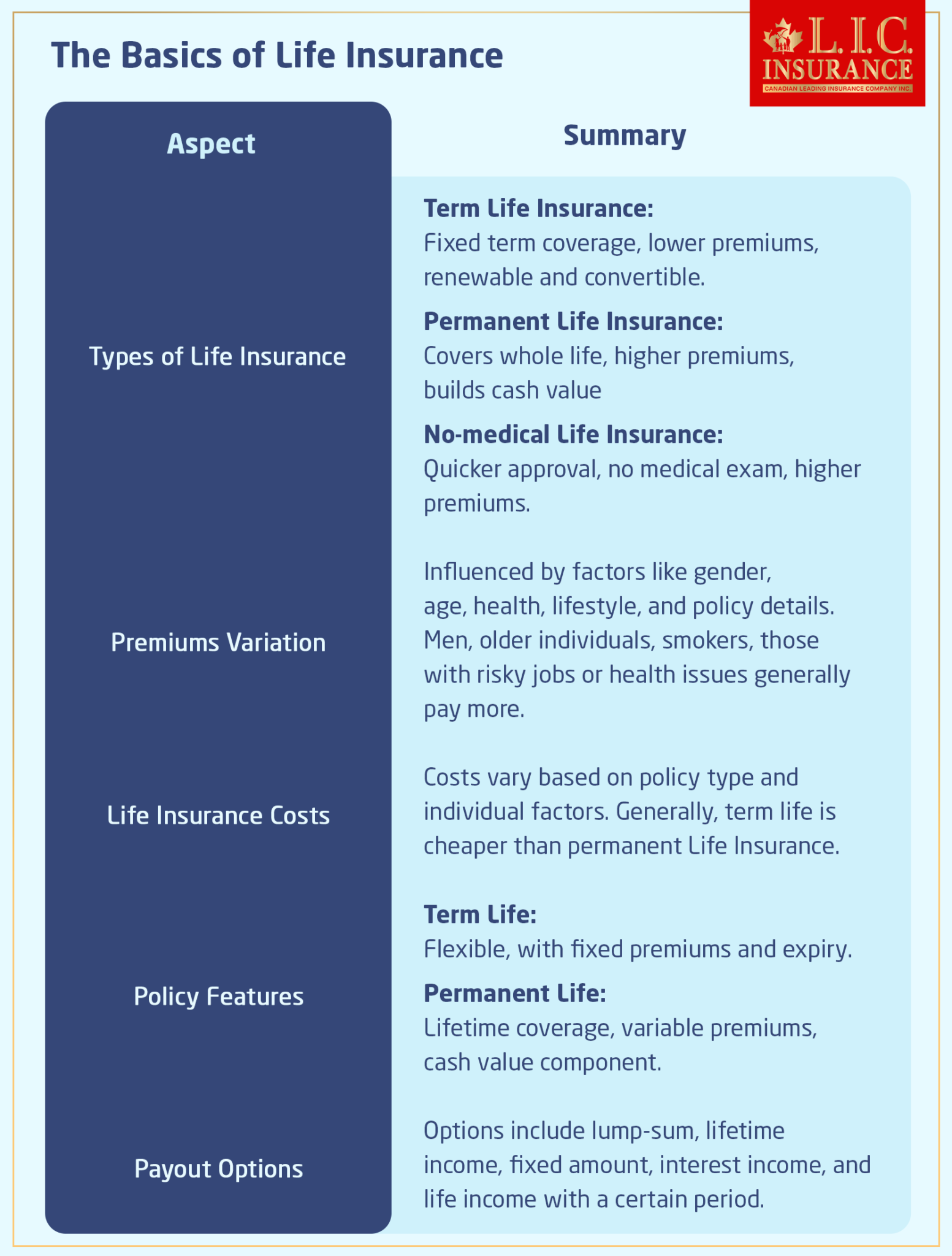
- Policy Type and Duration: Term life insurance, which provides coverage for a set period (e.g., 10, 20, or 30 years), is much less expensive than permanent whole or universal life policies, which guarantee lifetime coverage and build cash value.
Frequently Asked Questions
Do beneficiaries ever have to pay money upfront to receive a death benefit?
No. Legitimate life insurance companies never require beneficiaries to pay a deductible, processing fee, or administrative tax upfront before releasing claim funds. Any request demanding money before releasing a life insurance payout is typically a warning sign of an insurance scam.
What happens if the policyholder dies with an active loan on their policy?
If the policyholder dies with an outstanding policy loan, the insurer simply deducts the unpaid loan principal plus any accrued interest from the total face value of the policy. The remaining net balance is then distributed to the listed beneficiaries.
Is there a deductible on Accidental Death and Dismemberment (AD&D) insurance?
No. Like standard life insurance, AD&D insurance does not carry a deductible. If an insured individual dies or suffers a covered injury (such as loss of limb or sight) as a direct result of a covered accident, the policy pays out the contractual benefit amount directly without requiring out-of-pocket contributions.
Can a life insurance claim be denied even without a deductible?
Yes. A life insurance claim can be denied if the policy lapsed due to unpaid premiums, if the insured died from a cause excluded in the policy (such as acts of war or dangerous activities not disclosed during underwriting), or if material fraud was committed during the application process within the contestability period.
Are life insurance death benefit payouts subject to income tax?
Under Section 101(a) of the U.S. Internal Revenue Code, life insurance death benefits paid to a beneficiary are generally received free of federal income tax. However, any interest accrued on the death benefit between the date of death and the payout date is considered taxable income.
Practical Guidance for Policyholders and Beneficiaries
Navigating life insurance coverage without deductibles simplifies long-term planning, but maintaining policy validity requires ongoing attention to administrative details.
- Set Up Automatic Premium Payments: Because life insurance policies lapse when premiums go unpaid, setting up automatic bank transfers ensures coverage remains active without risking a grace-period deduction or policy cancellation.
- Keep Beneficiary Designations Updated: Beneficiary designations in your policy contract take precedence over instructions in a will. Review your primary and contingent beneficiaries following major life events, such as marriage, divorce, or the birth of a child.
- Monitor Outstanding Cash Value Loans: If you hold a permanent policy and borrow against the cash value, track the accrued interest carefully. If the total loan balance exceeds the accumulated cash value, the policy can lapse, creating severe tax liabilities and extinguishing the death benefit entirely.
- Store Policy Documentation Accessibly: Ensure trusted family members or designated beneficiaries know which insurance company holds your policy, the policy number, and where physical or digital copies of the contract are stored.
Disclaimer: Life insurance laws, regulations, and tax treatments vary by state and jurisdiction. Contractual terms govern all individual policies. Consult a qualified financial advisor, licensed insurance professional, or estate attorney for personal advice regarding your specific policy details.
Image Gallery