What Is a Synonym for an Interest Group? Core Terms and Contextual Usage
The most common synonyms for an interest group are advocacy group, pressure group, lobby group, and special interest group (SIG). Depending on the specific political, legal, or organizational context, alternatives such as civil society...
The most common synonyms for an interest group are advocacy group, pressure group, lobby group, and special interest group (SIG). Depending on the specific political, legal, or organizational context, alternatives such as civil society organization (CSO), non-governmental organization (NGO), or stakeholder group may also apply. Choosing the correct term depends on the group's methods, objectives, and public perception.
Contents
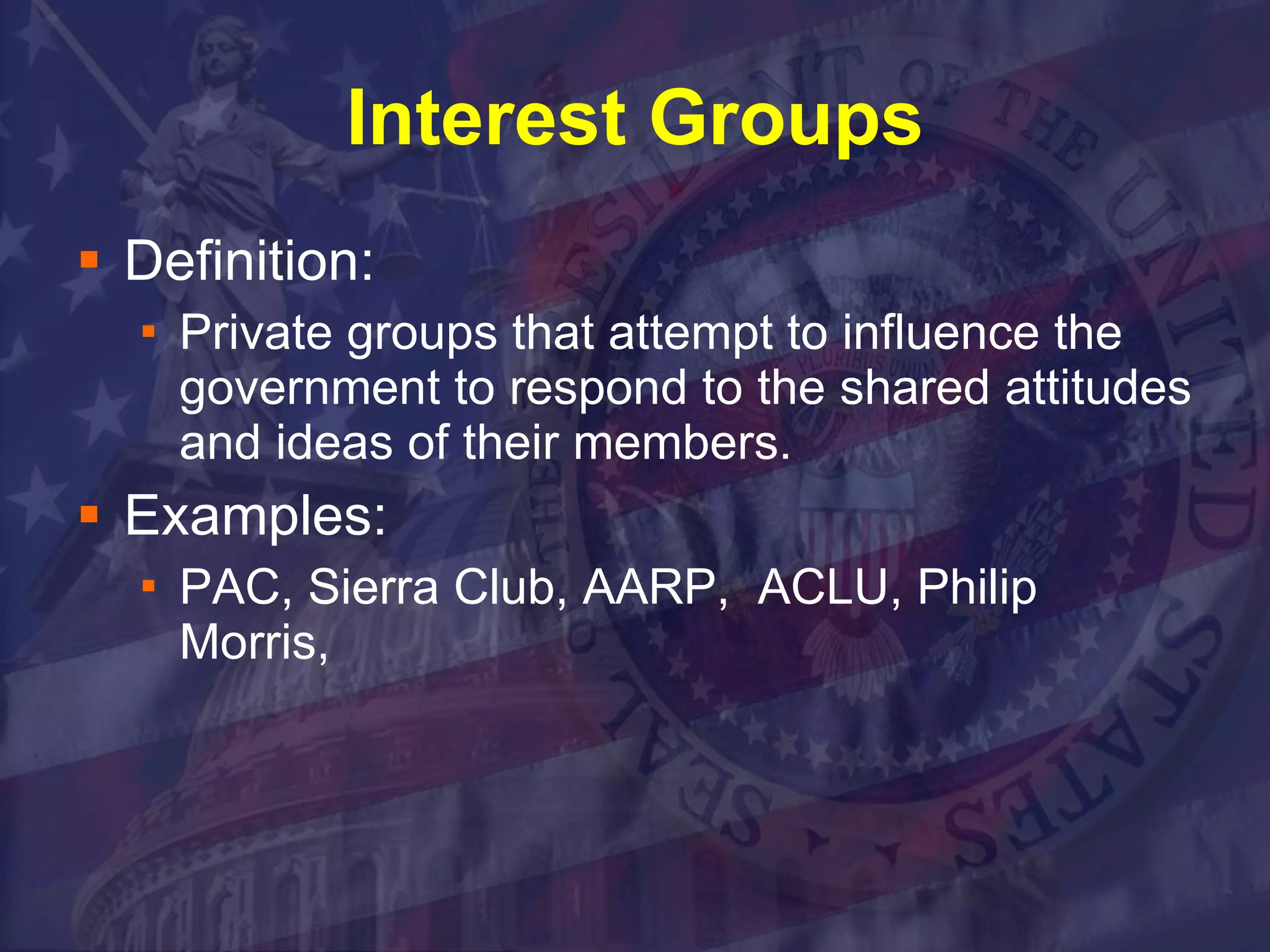
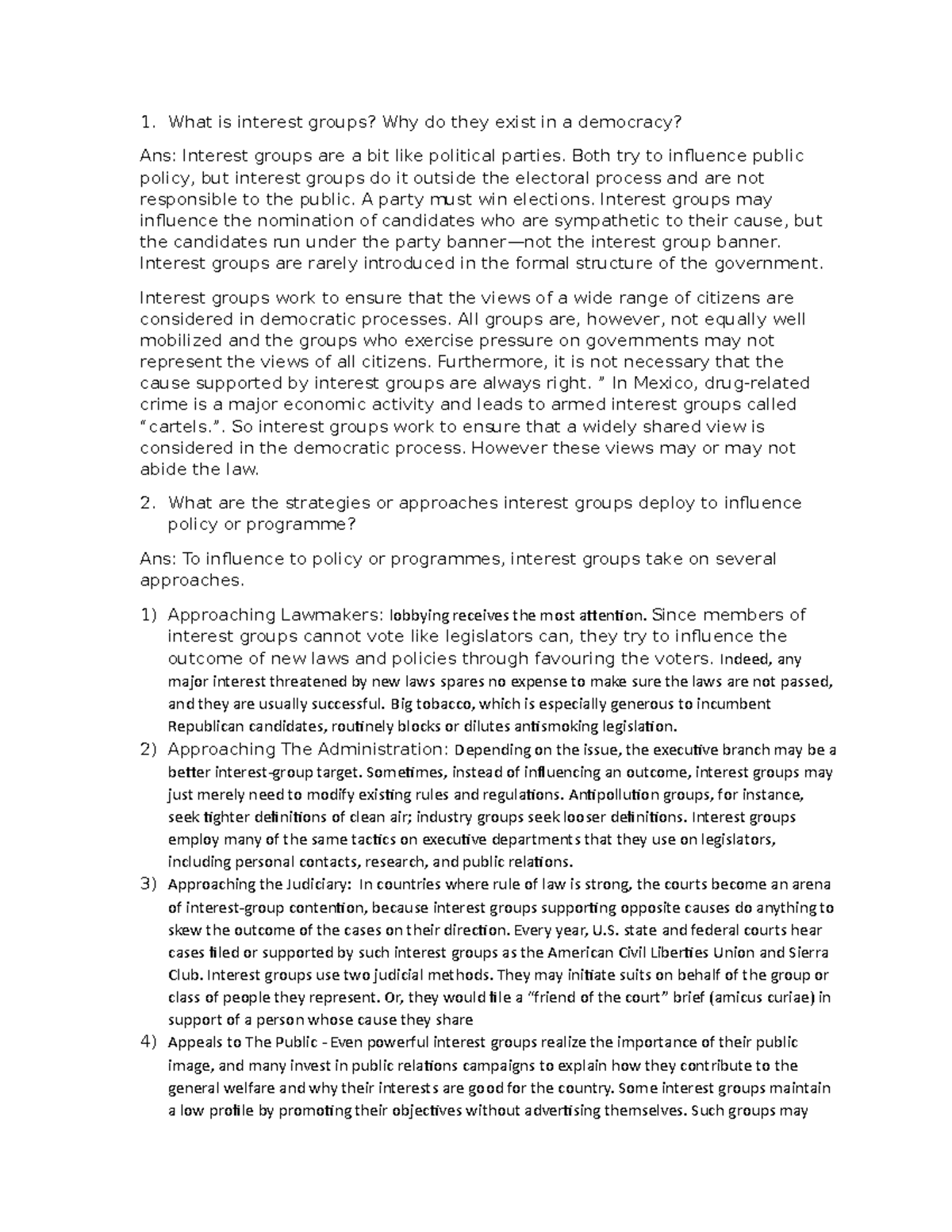
An interest group is formally defined as an organized association of individuals, businesses, or institutions that attempts to influence public policy, legislation, or government decision-making without seeking elected office directly. Because political science, public administration, legal reporting, and journalism describe these entities from different angles, the ideal synonym shifts based on nuance, tone, and domain.
Direct Synonyms for "Interest Group"
While many terms overlap with interest groups, each primary synonym carries distinct shades of meaning regarding how the organization operates and how the public perceives it.
- Interest Group
- Advocacy Group (Cause Focus)
- Pressure Group (Target Focus)
- Lobby Group (Direct Access)
- Special Interest Group (Narrow Scope)
1. Advocacy Group
An advocacy group emphasizes the promotion of a specific cause, policy outcome, or community interest. This term is neutral to positive in connotation and is widely used in media, academic literature, and non-profit communications.
- Best used when: Highlighting public-facing awareness campaigns, educational efforts, or policy promotion (e.g., environmental conservation, patient rights, or civil liberties).
- Nuance: Implies that the group speaks on behalf of a cause or population segment, often focusing as much on public education as direct legislative influence.
2. Pressure Group
Common in British, Commonwealth, and comparative political science terminology, a pressure group refers to an organization that seeks to influence government officials and policy decisions through outside leverage.
- Best used when: Describing groups that utilize public demonstrations, campaigns, boycotts, or voter mobilization to compel legislative action.
- Nuance: Focuses on the mechanism of influence (applying political pressure) rather than the organization's legal structure or underlying mission.
3. Lobby Group (or Lobby)
A lobby group (or simply a lobby) specifically highlights direct interaction with lawmakers, regulators, legislative staff, and executive agencies.
- Best used when: Discussing direct legislative outreach, regulatory filings, draft legislation, or formal meetings between professional advocates and government officials.
- Nuance: Concentrates on formal government relations. In political reporting, referencing a "corporate lobby" or "pharmaceutical lobby" highlights formal access to decision-makers.
4. Special Interest Group (SIG)
A special interest group is a subgroup or organization focused on advancing a very specific, often narrow economic, professional, or regulatory agenda.
- Best used when: Differentiating narrow, sector-specific demands from broader public interest initiatives.
- Nuance: While used as a standard technical term in political science, in public political discourse "special interest" can carry a slightly negative connotation, implying that private gains are being prioritized over the general public good.
5. Public Interest Group
A public interest group is a specific category of interest group that claims to seek collective benefits that are not limited to the selective economic interests of its members.
- Best used when: Describing organizations working for broad societal goals like clean air, government transparency, consumer safety, or open access to information.
- Nuance: Positioned in direct contrast to private or economic interest groups.
Broader Organizational Synonyms and Legal Classifications
Beyond direct functional synonyms, several institutional terms describe interest groups depending on their tax status, international scope, or governance model.
- Broader Frameworks
- NGO (Global Scope)
- CSO (Civic Realm)
- Stakeholder (Policy Context)
- PAC / Super PAC (US Campaign Finance)
Non-Governmental Organization (NGO)
An NGO is a non-profit, citizen-based group that operates independently of government, often on an international scale. While all advocacy-oriented NGOs act as interest groups when attempting to change government policies, not all interest groups are NGOs (for instance, corporate trade associations or political action committees are not classified as traditional NGOs).
Civil Society Organization (CSO)
Civil society organization is a broad term encompassing non-governmental associations, community unions, faith-based organizations, and activist networks. In international relations and governance literature, CSOs represent the broader societal fabric operating between the individual citizen and the formal state structure.
Stakeholder Group
In corporate governance, public policy planning, and environmental management, the term stakeholder group refers to any collectivity affected by or holding a direct interest in administrative or corporate decisions. Using "stakeholder group" shifts the focus from political lobbying to official consultation and policy co-design.
Political Action Committee (PAC) or Super PAC
In the United States legal framework, interest groups frequently form PACs or Super PACs to raise and spend funds for or against political candidates. While an interest group represents the overarching membership or goal, a PAC is the specific legal entity structured to participate in electoral spending under federal or state campaign finance regulations.
Think Tank / Policy Research Institute
When an interest group functions primarily by conducting research, publishing policy briefs, and drafting model legislation, it is often referred to as a think tank or policy research institute. While some think tanks maintain strict non-partisan academic independence, many operate as specialized interest groups focused on advancing specific economic or ideological frameworks.
Comparative Analysis of Interest Group Synonyms
To select the precise term for a given sentence or research paper, refer to the operational context, primary focus, and standard usage patterns outlined below:
| Synonym | Primary Domain | Core Focus | Tone / Connotation | Typical Example |
|---|---|---|---|---|
| Advocacy Group | Non-profit, Media, Public Policy | Cause promotion, public awareness, legal defence | Neutral to Positive | Environmental Defense Fund, Amnesty International |
| Pressure Group | Political Science, International Affairs | Mobilization, external influence, public campaigning | Neutral (Academic) to Critical | Direct-action climate groups, trade union federations |
| Lobby Group | Legislative Relations, Government Affairs | Direct lawmaker engagement, regulatory shaping | Neutral to Critical | American Bankers Association, trade representation firms |
| Special Interest Group | Media, Political Commentary, Economics | Sectoral advantages, narrow policy amendments | Frequently Critical | Energy industry coalitions, specialized trade groups |
| Public Interest Group | Public Policy, Consumer Protection | Broad public goods, systemic reform | Positive | Consumer Reports, public integrity watchdog organizations |
| Civil Society Group | Governance, International Development | Community representation, civic engagement | Positive / Technical | Local voter leagues, regional development coalitions |
| Stakeholder Group | Corporate Strategy, Public Administration | Formal consultation, policy implementation | Neutral / Formal | Local advisory boards, industry consultative committees |
Connotations and Usage Considerations: Selecting the Right Term
Precision in writing requires understanding how different synonyms shape the reader's perception. The context of your document—whether academic, legal, journalistic, or casual—dictates which synonym maintains appropriate neutrality and accuracy.
- Spectrum of Connotation
- Positive / Neutral
- Advocacy Group
- Public Interest Group
- Neutral
- Interest Group
- Lobby / CSO
- Critical / Pejorative
- Special Interest Group
- Pressure Group
- Positive / Neutral
1. Neutral vs. Pejorative Connotations
- Neutral terms: Interest group, advocacy group, civil society organization, and stakeholder group present an unbiased framing. These are standard in academic writing, official policy submissions, and balanced journalism.
- Potentially loaded terms: Special interest group, lobby, and pressure group can carry negative undertones in popular media, implying covert influence, disproportionate financial power, or resistance to the broader public interest. When writing objective analyses, balance these terms carefully.
2. Geographic and Jurisdictional Differences
- North America: Political discourse in the United States relies heavily on terms like interest group, lobby, advocacy group, and legal distinctions like 501(c)(3) or PAC.
- United Kingdom and Commonwealth: Political science literature frequently prefers pressure group, distinguishing between "sectional groups" (representing a specific group's interest, like a union) and "cause groups" (advocating for broader issues, like animal welfare).
- International Bodies (UN, EU): Official governance documents usually favor non-governmental organization (NGO), civil society organization (CSO), or registered interest representative.
3. Legal and Regulatory Classifications
In formal legal contexts, vague synonyms should be avoided in favor of statutory definitions. For instance, under United States federal law (such as the Lobbying Disclosure Act), entities engaging in direct legislative outreach are legally classified as registrants or active lobbyists. Similarly, tax regulations by the Internal Revenue Service (IRS) categorize these groups by operational scope (e.g., 501(c)(3) charitable organizations vs. 501(c)(4) social welfare organizations allowed to engage in political campaign activities).
Distinguishing Interest Groups from Related Political Entities
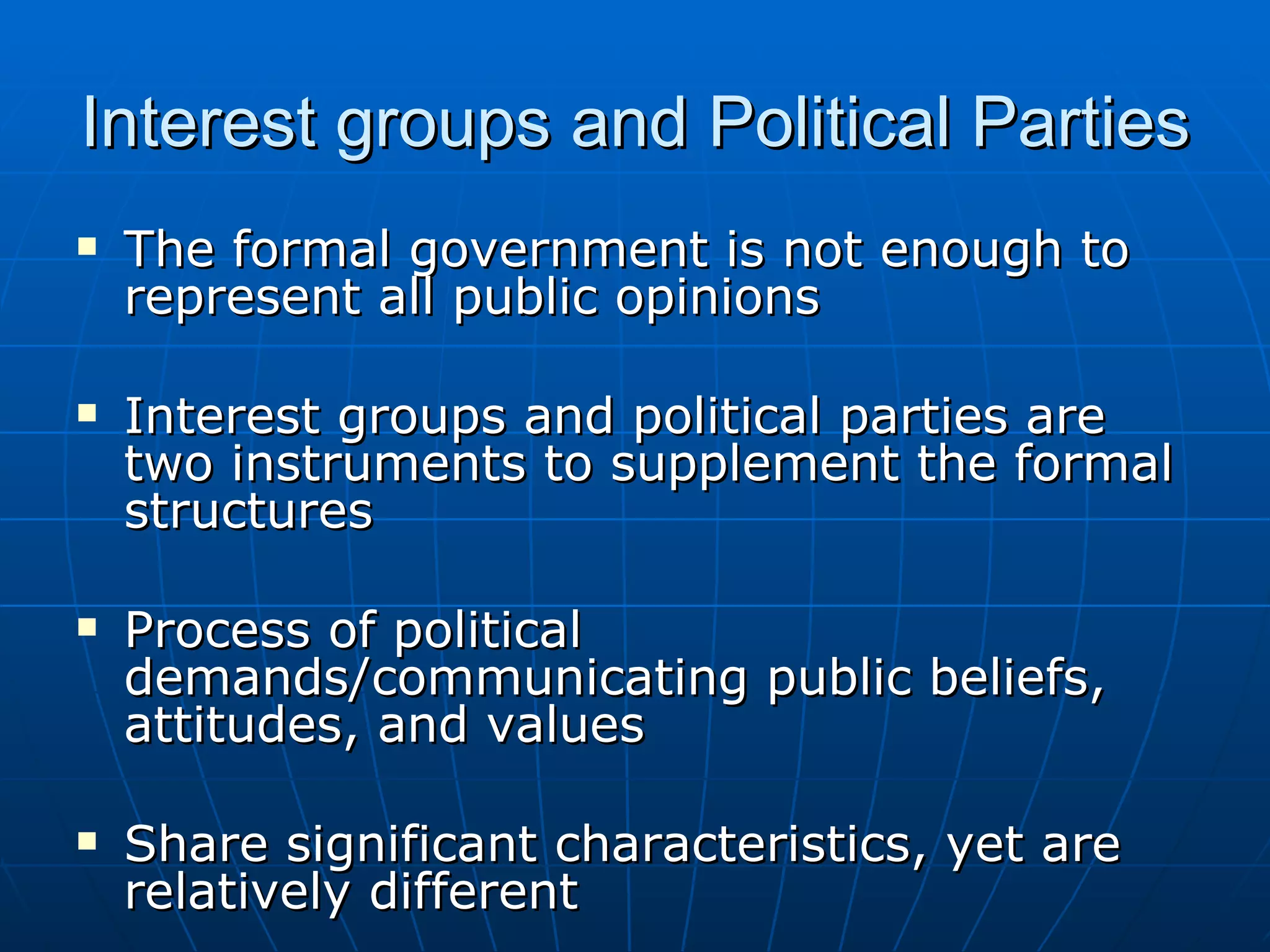
A common mistake in writing is conflating interest groups with political parties, social movements, or informal coalitions. Recognizing these boundaries prevents imprecise synonym usage.
Interest Groups vs. Political Parties
- Goal: Political parties seek to control government directly by nominating candidates and winning political office. Interest groups seek to influence those who hold office, regardless of party affiliation.
- Scope: Parties address a broad platform covering all areas of governance to build wide voting coalitions. Interest groups typically focus on a specific policy area, industry sector, or societal issue.
Interest Groups vs. Social Movements
- Structure: Social movements are broad, fluid networks of individuals and organizations bound by a shared ideological goal (e.g., the Civil Rights Movement).
- Formalization: An interest group is a formal, structured organization with defined leadership, budgeting, and legal registration. Social movements often spawn multiple interest groups over time to institutionalize their goals.
Interest Groups vs. Business Coalitions
- While individual corporations act as political entities, a business coalition or trade association occurs when multiple commercial rivals pool resources to pursue shared regulatory outcomes. Examples include the National Retail Federation or regional chambers of commerce.
Frequently Asked Questions
What is the best overall synonym for "interest group"?
Advocacy group is the most versatile and broadly accepted direct synonym. It neutrally describes organizations working to advance specific policy goals without the negative undertones sometimes attached to terms like "lobby" or "special interest group."
What is the difference between an interest group and a pressure group?
In practical usage, they are interchangeable synonyms. However, in political science terminology, "pressure group" specifically highlights the tactics used (applying leverage or pressure on political figures), whereas "interest group" describes the underlying common policy goals of the membership.
Is "lobby group" a pejorative synonym?
Not necessarily, but it carries a strong connotation of direct political access and professional influence. In legal and legislative settings, "lobby group" is a standard description for entities engaging in formal government relations. In public commentary, it is sometimes used critically to emphasize financial influence over public decision-making.
What is a "sectional interest group"?
A sectional interest group (also called a protective or selective interest group) represents the specific economic or professional interests of its own members, such as a trade union, medical association, or bar association. This contrasts with a cause or public interest group, which advocates for broader social issues benefiting non-members.
Can a non-profit organization be an interest group?
Yes. Most non-profit organizations that engage in public policy campaigns, legislative research, or community outreach function as interest groups. However, their specific legal classification (such as 501(c)(3) status in the U.S.) limits how much direct lobbying or campaign spending they can undertake relative to their public education efforts.
Practical Guidance for Writers and Researchers
When choosing a synonym for an interest group in your writing:
- Assess the context: Use advocacy group for general non-profit and public-policy topics; use lobby group when discussing direct legislative work; use pressure group for political science analyses of campaign pressure.
- Maintain objective tone: Avoid loaded terms like "special interest" unless you are analyzing public criticism or quoting political rhetoric.
- Check regional usage: Use terms common to your audience's jurisdiction (e.g., pressure group for UK/Commonwealth contexts; interest group or advocacy organization for US contexts).
- Verify legal definitions: If reporting on campaign finance or statutory compliance, use exact legal terms such as registered lobbyist, political action committee (PAC), or specific tax codes rather than general synonyms.
Image Gallery