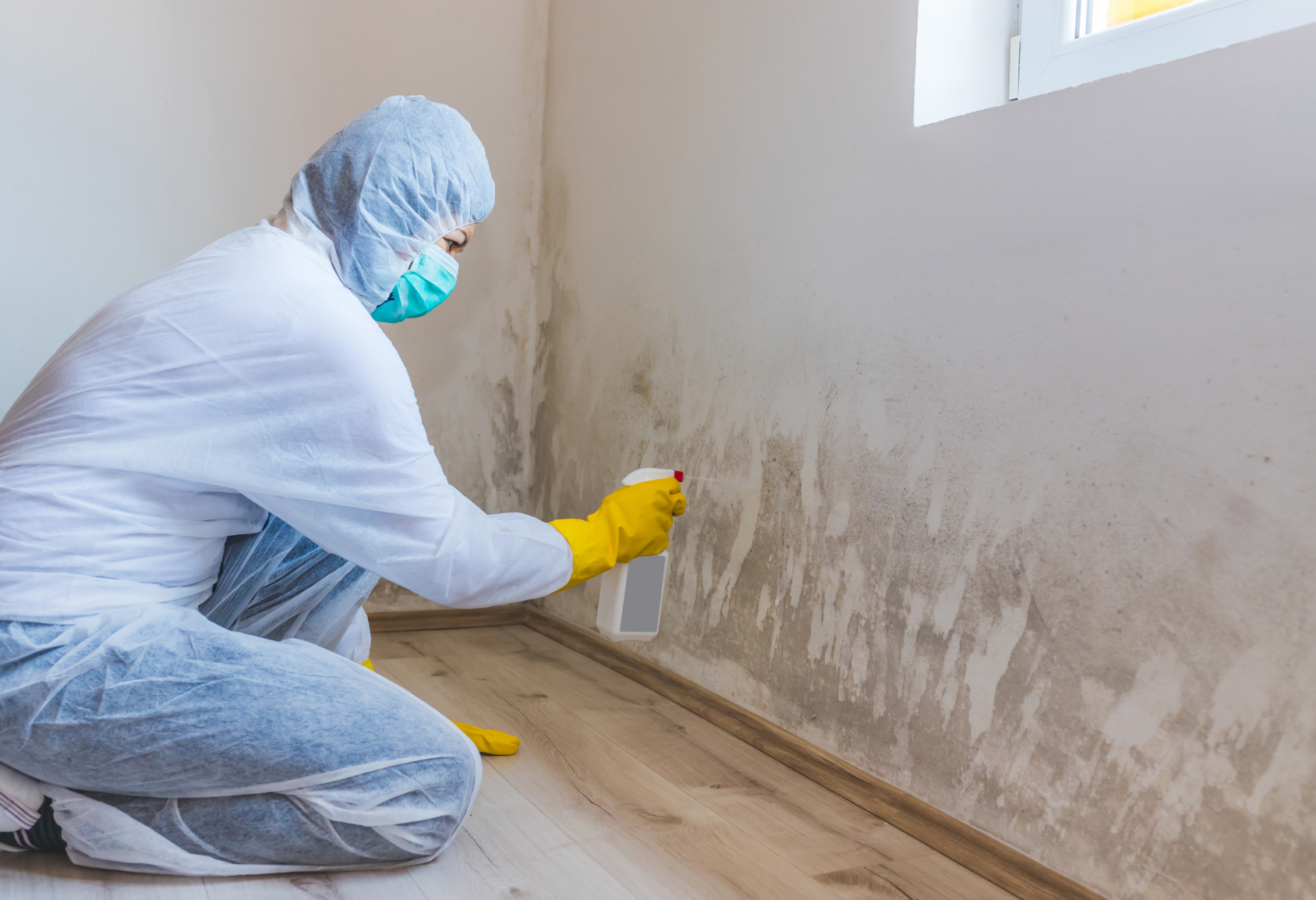
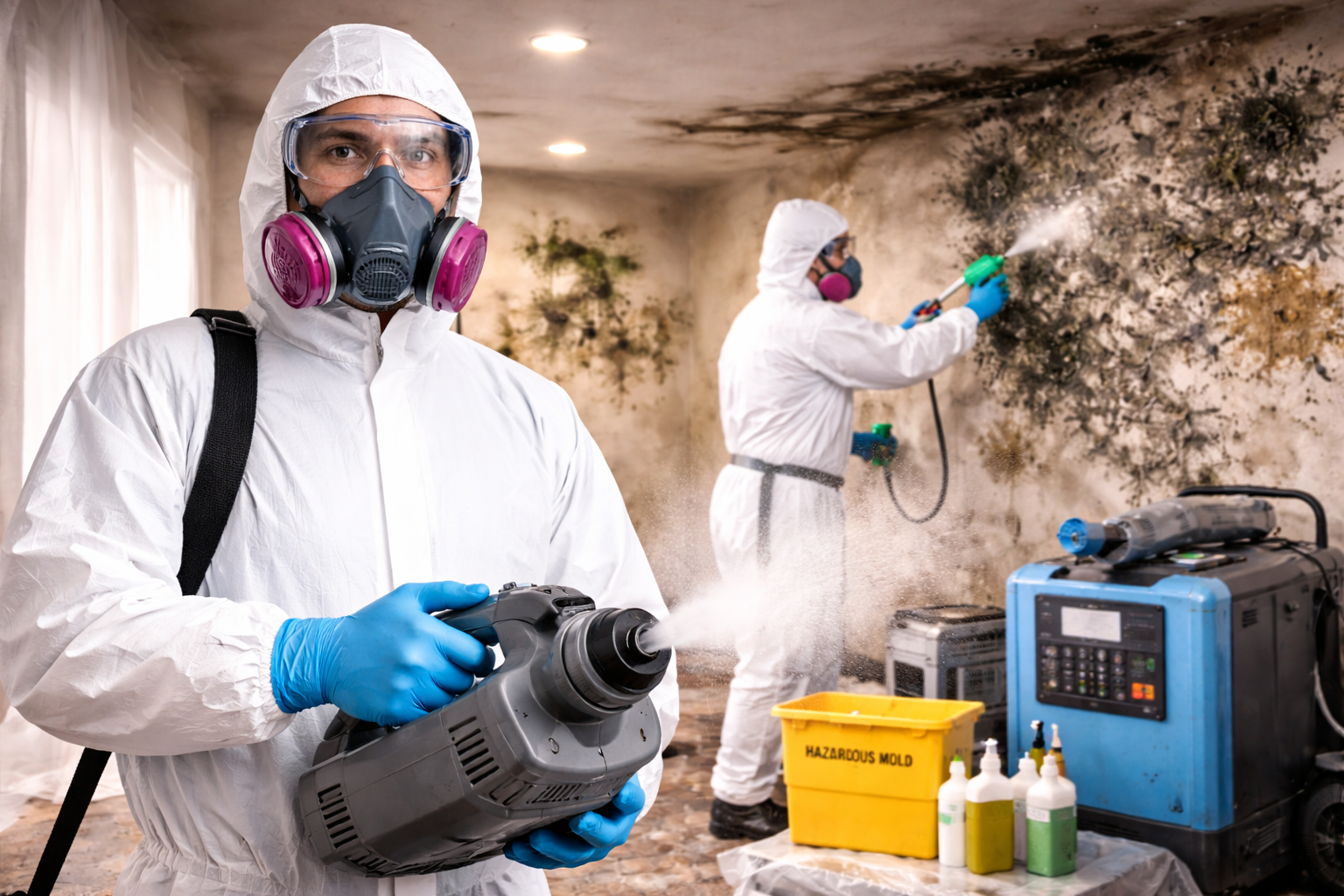
Mold Remediation in Gambrills, MD: Complete Professional Guide
Professional mold remediation in Gambrills, MD involves identifying moisture sources, isolating contaminated zones with negative air containment, removing affected porous materials, and applying HEPA filtration and EPA-registered antim...
Professional mold remediation in Gambrills, MD involves identifying moisture sources, isolating contaminated zones with negative air containment, removing affected porous materials, and applying HEPA filtration and EPA-registered antimicrobials. Adhering to ANSI/IICRC S520 industry standards ensures complete mold abatement while addressing Anne Arundel County's high seasonal humidity and local architectural vulnerabilities.
Contents
Understanding Mold Dynamics in Gambrills, MD
Gambrills, Maryland, located in central Anne Arundel County, experiences a Mid-Atlantic humid subtropical climate characterized by hot, muggy summers and wet transitional seasons. This geographic setting—combined with a relatively high water table and proximity to the Patuxent River watershed—creates persistent moisture management challenges for residential and commercial property owners.
Microscopic mold spores exist naturally in outdoor ambient air across Maryland. However, indoor mold growth requires three primary conditions: elevated relative humidity (above 60%), organic nutrient sources (such as drywall paper backing, timber framing, carpet underlayment, or dust), and sustained moisture from leaks, groundwater intrusion, or condensation.
In Gambrills homes, structural design elements frequently influence mold growth patterns:
- Basements and Foundation Walls: Below-grade poured concrete or cinder block foundations are subject to hydrostatic pressure during heavy rainfall, leading to capillary water seepage.
- Crawl Spaces: Unencapsulated crawl spaces absorb ground moisture, allowing high relative humidity to cause wood decay fungi and fungal growth on floor joists.
- Attics: Inadequate soffit or ridge ventilation traps warm, moist air escaping from living quarters, causing winter condensation on roof decking.
- HVAC Systems: Central air conditioning systems operating during humid Maryland summers generate substantial condensation in drain pans and ductwork, providing ideal breeding conditions for fungal colonies.
Promptly addressing indoor moisture is critical. Under standard indoor conditions (70°F to 80°F with excess surface moisture), active mold growth can initiate on porous building materials within 24 to 48 hours.
Identifying Common Mold Species and Health Risks
Indoor mold contamination presents both structural integrity risks and indoor air quality concerns. Mold species commonly identified in Anne Arundel County properties include:
- Aspergillus: A widespread fungal genus found in indoor environments, frequently colonizing HVAC systems, insulation, and damp drywall. Certain species can produce mycotoxins and trigger allergic bronchopulmonary aspergilosis in sensitive individuals.
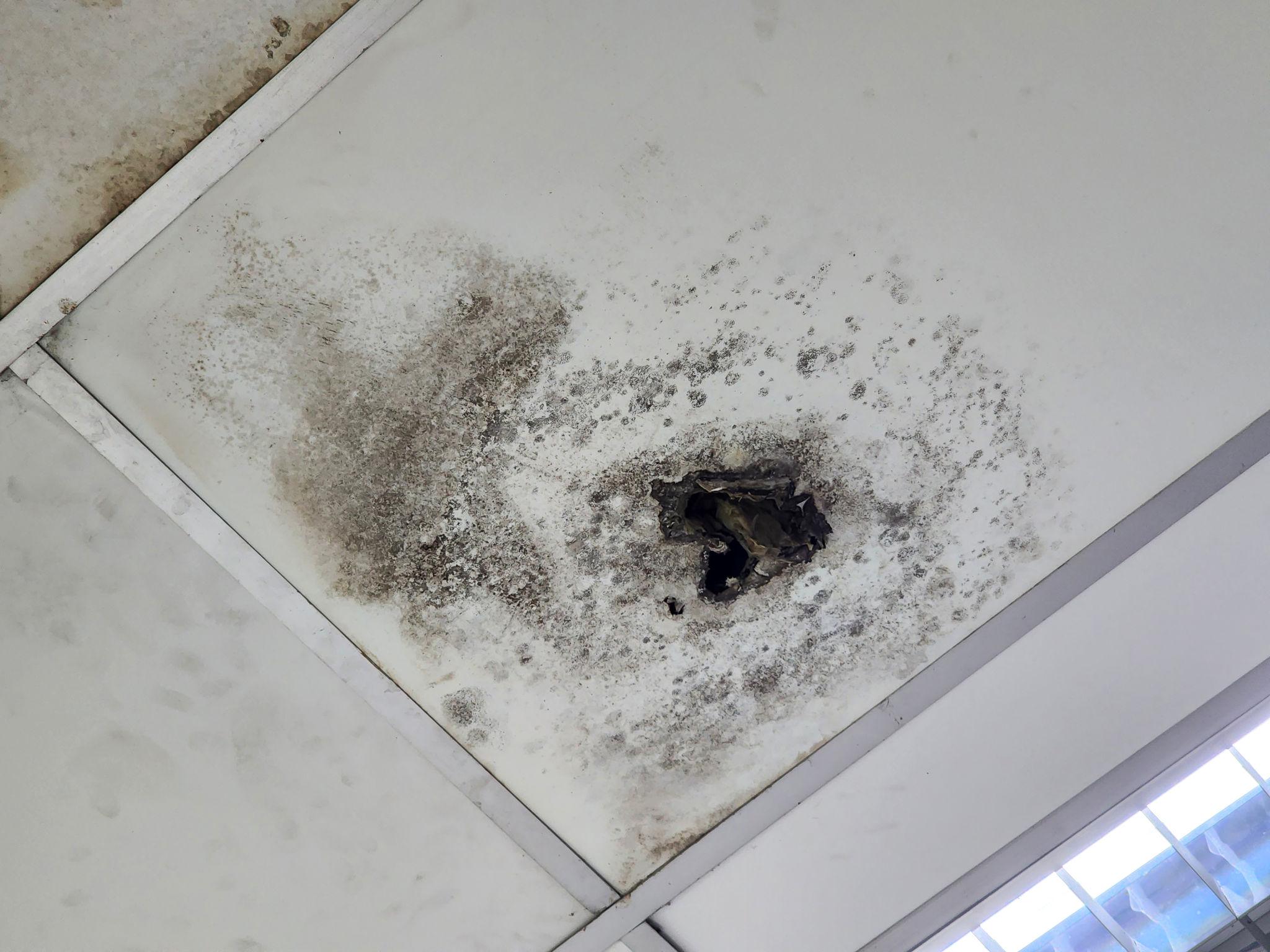
- Penicillium: Readily develops on water-damaged carpets, wallpaper, and ceiling tiles. It releases abundant spores into indoor air, contributing to respiratory irritation and allergic reactions.
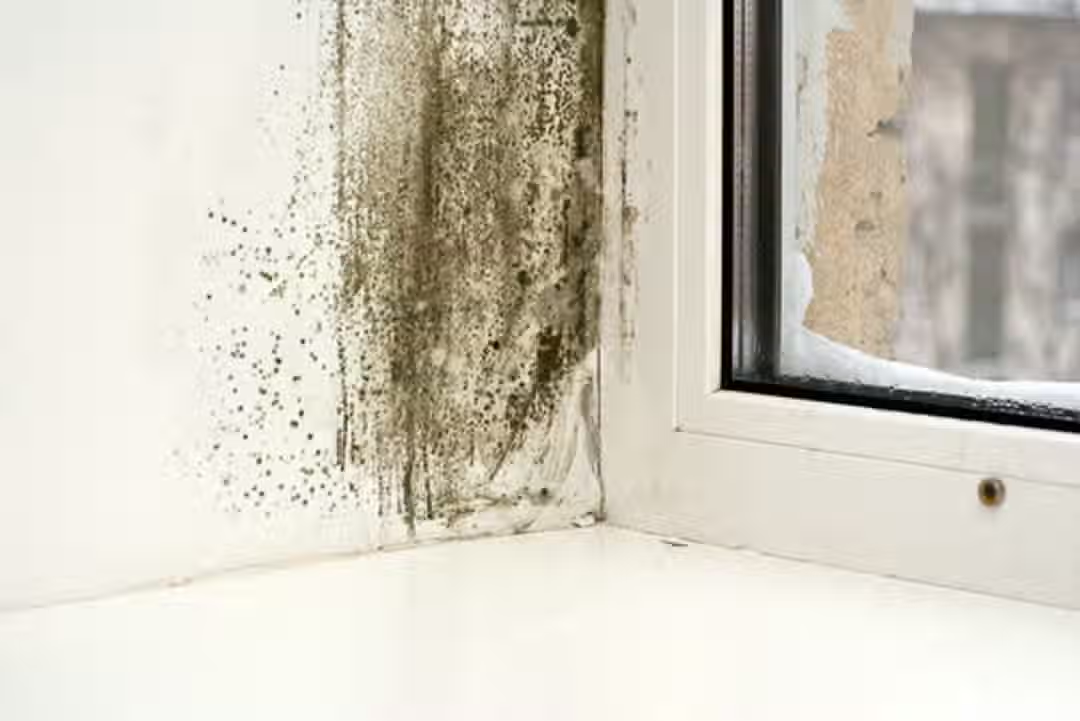
- Cladosporium: Highly adaptable fungus capable of growing on both cold and warm surfaces, including fiberglass insulation, window sills, and bathroom grout.
- Stachybotrys chartarum: Often referred to as "black mold," this dark greenish-black fungus requires prolonged saturation on high-cellulose materials (such as gypsum board backing or structural OSB). It produces macrocyclic trichothecene mycotoxins that warrant strict containment procedures during removal.
Exposure to elevated airborne fungal spore concentrations can cause adverse health effects, particularly in children, the elderly, and immunocompromised individuals. According to the Centers for Disease Control and Prevention (CDC), common symptoms include nasal congestion, throat irritation, coughing, wheezing, eye irritation, and skin rash. Chronic exposure in moisture-damaged buildings can exacerbate pre-existing asthma and upper respiratory ailments.
The Standard Professional Remediation Process (IICRC S520 Standards)
Certified restoration technicians execute mold abatement following the ANSI/IICRC S520 Standard for Professional Mold Remediation. This structured methodology guarantees safe, comprehensive containment and removal without cross-contaminating unaffected living areas.
- Inspection & Moisture Assessment
- Thermal Imaging (FLIR), Moisture Meters, Hygrometers
- Isolation & Engineering Controls
- 6-mil Polyethylene Containment, Negative Air Units (-0.02" w.g.)
- HEPA Air Filtration & Dust Suppression
- Air Scrubbers (99.97% efficiency at 0.3 microns)
- Material Removal & Cleaning
- Removal of non-salvageable drywall; HEPA vacuuming & sanding
- Antimicrobial Treatment & Drying
- EPA-registered fungicides; drying wood content to <16% WMC
- Post-Remediation Verification (PRV)
- Independent third-party air testing & visual inspection
1. Comprehensive Inspection and Moisture Mapping
Before physical remediation begins, technicians inspect the structure using specialized diagnostic instruments:
- Infrared Thermal Cameras: Detect subtle temperature differentials that indicate hidden water intrusion behind drywall, ceilings, or exterior cladding.
- Pin and Pinless Moisture Meters: Measure the percentage of Wood Moisture Content (WMC) in framing and relative moisture levels in masonry or plaster.
- Thermo-Hygrometers: Evaluate ambient air temperature, relative humidity, and dew point to identify environmental conditions supporting fungal growth.
If structural mold contamination exceeds 10 continuous square feet, standard guidelines recommend hiring an independent Industrial Hygienist or Council-certified Indoor Environmental Consultant (CIEC) to perform baseline air sampling and establish a site-specific remediation protocol.
2. Containment and Negative Pressure Installation
Preventing the dispersion of active fungal spores into clean areas of the home is a priority. Technicians install critical barriers made of 6-mil flame-retardant polyethylene sheeting, sealing off doorways, supply/return HVAC vents, and plumbing penetrations.
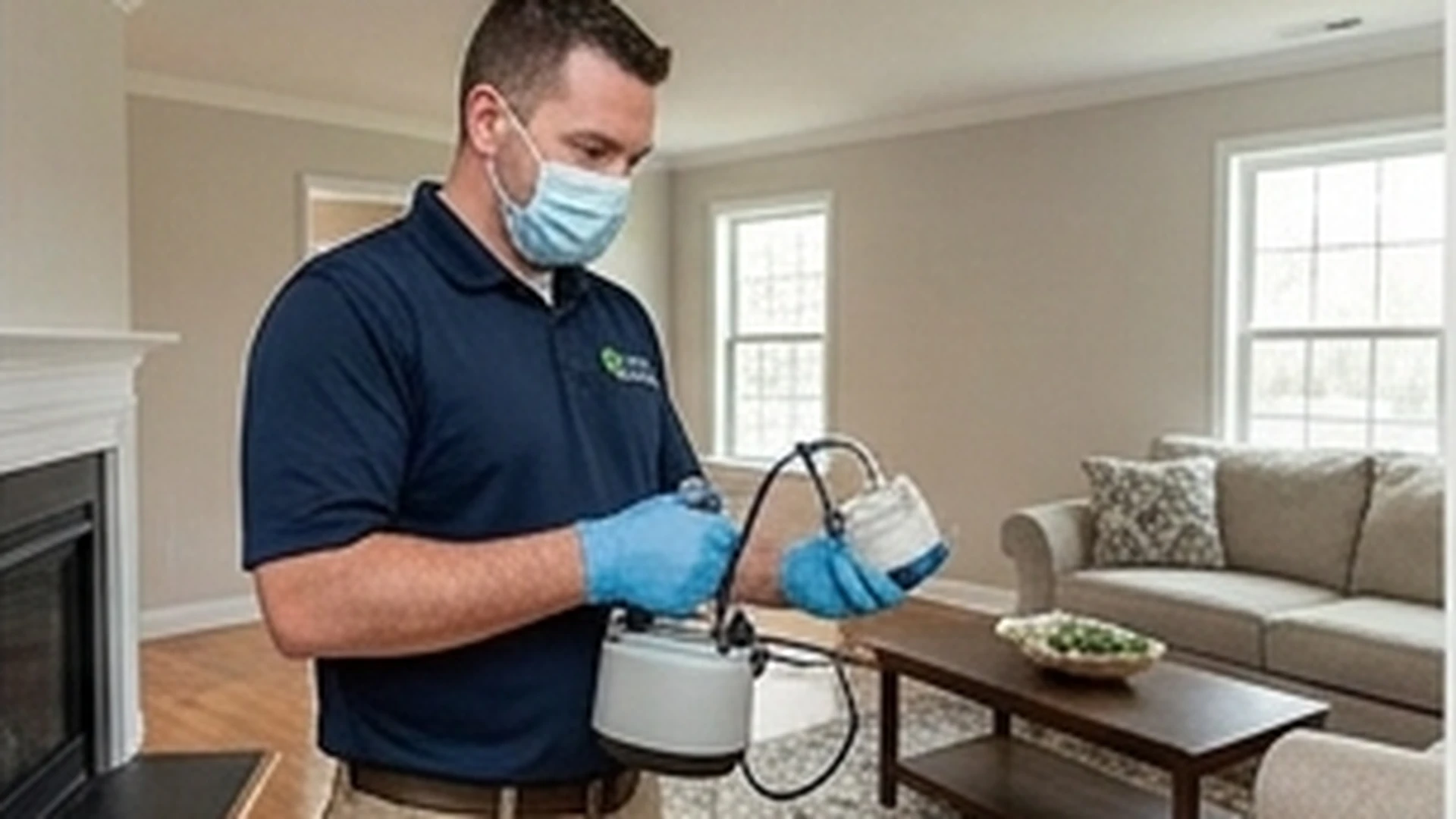
Negative air pressure differential is maintained within the containment zone using specialized industrial air scrubbers equipped with High-Efficiency Particulate Air (HEPA) filtration. The system exhausts air outside the home or into an unoccupied buffer zone through ducting. Maintaining negative pressure (minimum -0.02 inches of water column relative to outer areas) ensures air flows inward toward the contaminated area, preventing spore escape during demolition.
3. Physical Removal of Contaminated Materials
Building materials are classified by porosity to determine whether they can be decontaminated or must be removed:
- Porous Materials: Unsealed drywall, acoustic ceiling tiles, fiberglass insulation, and carpet underlayment usually cannot be completely sanitized once fungal hyphae penetrate deep within the matrix. These materials are controlled-dampened to minimize dust, cut out, double-bagged in 6-mil heavy-duty trash bags, wiped down on the exterior, and disposed of as standard solid waste.
- Semi-Porous Materials: Plywood, OSB subflooring, structural framing joists, and concrete can often be restored. Technicians use HEPA-vacuuming, wire-brushing, media blasting (such as dry-ice blasting), and fine-detail sanding to remove surface fungal growth.
- Non-Porous Materials: Solid wood trim, glass, vinyl, and metal surfaces are thoroughly cleaned using EPA-registered antimicrobial detergents and HEPA-filtered vacuum systems.
4. Antimicrobial Application and Structural Drying
Following physical removal, remaining structural framing is treated with an EPA-registered antimicrobial, fungicide, or fungicidal sealant. This step neutralizes remaining surface microflora and prevents future fungal colonization on exposed timber surfaces.
Technicians then deploy commercial LGR (Low Grain Refrigerant) dehumidifiers and high-velocity axial air movers to dry remaining damp materials. Structural timber must reach a target Wood Moisture Content below 16% (ideally 10%–12%) before drywall reinstallation or secondary restoration work begins. Re-covering damp wood leads to secondary mold growth behind newly installed wallboards.
5. Post-Remediation Verification (PRV)
Upon completion of cleaning and drying, a visual inspection ensures all surface mold, debris, and dust have been removed. For major projects, an independent environmental consultant performs Post-Remediation Verification (PRV) clearance testing. This assessment involves taking air cassette samples (such as Spore Trap analysis) inside the containment area and comparing them to outdoor control samples.
Clearance criteria require:
- Complete absence of visible mold growth, dust, or odor.
- Airborne spore counts inside containment that are lower than or equivalent to outdoor background concentrations.
- Dominant indoor fungal species matching outdoor control species composition (e.g., absence of dominant Stachybotrys or Aspergillus/Penicillium amplification).
Remediation Cost Estimates in Gambrills, MD
The overall cost of mold remediation in Gambrills depends on several variables, including the total surface area affected, accessibility, structural complexity, degree of water damage, and whether HVAC systems or crawl spaces require specialized abatement.
| Remediation Scope | Typical Affected Area | Estimated Cost Range (USD) | Primary Cost Drivers |
|---|---|---|---|
| Small Isolated Area | Small bathroom, closet, or pantry (<20 sq. ft.) | $500 – $1,500 | Minimal containment, localized drywall replacement, surface cleaning. |
| Crawl Space Remediation | Standard crawl space footprint (800 – 1,500 sq. ft.) | $2,500 – $7,500 | Joist sanding, antimicrobial application, vapor barrier installation, tight access constraints. |
| Basement Remediation | Partial to full basement area (500 – 1,200 sq. ft.) | $1,800 – $6,000 | Drywall removal, masonry cleaning, dehumidification setup, subfloor drying. |
| Attic Remediation | Attic roof decking & framing (1,000 – 2,000 sq. ft.) | $2,000 – $5,500 | Difficult access, insulation removal/disposal, specialized media blasting (dry ice). |
| HVAC & Ductwork System | Complete residential duct network | $1,000 – $3,000 | Specialized mechanical brushing, HEPA vacuuming, antimicrobial fogging. |
| Whole-Home Structural | Multi-room major flooding or long-term neglect | $5,000 – $15,000+ | Extensive containment zones, major structural demolition, prolonged drying, clearance testing. |
Note: Cost ranges represent average local market rates in central Maryland for professional remediation service only. Full reconstruction or cosmetic repair (such as painting and drywall finishing) will incur additional costs.
Insurance Coverage and Local Regulations in Maryland
Navigating insurance claims and municipal regulations for mold remediation requires understanding regional guidelines and policy terms.
Homeowners Insurance Dynamics
In Maryland, standard HO-3 homeowners insurance policies generally handle mold claims based on the underlying cause of damage:
- Covered Events: If mold results directly from a sudden, accidental discharge of water—such as a burst supply line, water heater rupture, or appliance failure—remediation expenses are typically covered, up to specific policy sub-limits (often capped between $5,000 and $10,000 unless an additional rider was purchased).
- Excluded Events: Policies routinely exclude mold coverage resulting from unresolved long-term maintenance issues, surface water flooding, exterior groundwater seepage, high ambient indoor humidity, or deferred property repairs. Flood-related mold requires a separate policy through the National Flood Insurance Program (NFIP).
Licensing and Regulatory Standards
Property owners should verify that remediation contractors hold appropriate licensing and adhere to state and federal safety mandates:
- Maryland Home Improvement Commission (MHIC): While specialized mold abatement itself does not carry a separate standalone state trade license in Maryland, any associated structural repairs, wall demolition, drywall re-installation, or home modifications require contractor licensing through the Maryland Department of Labor MHIC.
- Safety & Environmental Standards: Professional teams must comply with Federal Occupational Safety and Health Administration (OSHA) standards (including 29 CFR 1910.134 for respiratory protection) and follow environmental recommendations outlined by the U.S. Environmental Protection Agency (EPA).
Preventive Measures for Gambrills Homeowners
Preventing mold recurring after successful remediation requires maintaining continuous control over structural moisture. Property owners in Gambrills can protect their structures by implementing several practical moisture control strategies:
Maintain Indoor Relative Humidity <50%
Keep Crawl Spaces Clean & Encapsulated
Inspect Sump Pumps & Backup Batteries
Maintain Positive Foundation Grading
Maintain Controlled Humidity: Operate energy-efficient, low-temperature dehumidifiers in basements and crawl spaces. Target an indoor relative humidity level between 30% and 50%. Relative humidity should never exceed 60%.
Encapsulate Dirt Crawl Spaces: Upgrade open crawl spaces by laying down a durable, sealed 12-to-20-mil reinforced vapor barrier over exposed earth, sealing foundation wall vents, and installing a dedicated crawl space dehumidifier.
Inspect Basement Drainage Systems: Ensure sump pumps are operating properly and install a battery-backup power system to protect against power outages during severe coastal storms or summer thunderstorms in Anne Arundel County.
Optimize Exterior Slope Grading: Maintain positive slope grading around the home's exterior foundation wall—sloping downward at least 6 inches over the first 6 feet away from the foundation. Clear downspouts and extend discharge lines at least 6 feet away from exterior walls.
Ensure Proper Attic Ventilation: Verify soffit vents are free of insulation blockages and balance intake vents with ridge or gable exhaust fans to prevent warm, moist air from building up during winter.
Frequently Asked Questions
How long does the professional mold remediation process take?
For a standard residential project in Gambrills (such as an isolated basement room or crawl space), physical remediation usually takes between 2 and 5 days. Complex structural remediation involving deep demolition, extensive timber drying, or whole-home HVAC decontamination may require up to 7 to 10 days.
Can I remain inside my house while mold remediation is under way?
Whether you can stay home depends on the location and scale of contamination, as well as resident health status. Small, localized remediation projects isolated by sealed containment structures generally allow occupants to remain in unaffected areas. However, if containment compromises access to essential living quarters, or if residents have severe asthma, respiratory illnesses, or weakened immune systems, temporary relocation is recommended until final clearance testing passes.
Is professional mold testing mandatory before starting remediation?
Preliminary mold testing is not legally required for every property, but it is strongly recommended if the contamination source is unclear, mold is hidden within building cavities, or health symptoms exist without visible growth. Pre-remediation testing establishes precise baseline spore levels, identifies specific fungal species, and provides an objective benchmark for verifying success during final clearance testing.
How do I know if mold has spread into my HVAC system?
Signs of HVAC mold contamination include musty odors coming from air vents when the AC or furnace cycles on, visible dark staining around air supply grilles, or unexplained respiratory irritation among occupants when the HVAC operates. If contamination is suspected, an inspection of the air handler coils, drain pan, internal duct insulation, and ductwork trunk lines should be conducted.
Why does mold keep returning in my basement or crawl space?
Mold returns when the underlying moisture problem remains unaddressed. Applying surface paints or antimicrobials without eliminating high relative humidity, liquid water intrusion, plumbing leaks, or foundation seepage provides only a temporary fix. Permanent mold elimination requires combined moisture control, structural repair, and adequate dehumidification.
Practical Action Plan for Gambrills Property Owners
If you suspect mold contamination in your Gambrills home or commercial building, taking systematic action helps prevent further structural damage and health issues:
- Locate and Halt Water Sources: Immediately shut off leaking plumbing valves, repair roof flashing, or divert pooling exterior rainwater away from the foundation.
- Isolate Affected Areas: Close doors to affected rooms and shut down the central HVAC system if vents are near visible mold growth to prevent spore circulation.
- Avoid Improper DIY Cleanup: Refrain from scrubbing large mold colonies with household bleach or running un-filtered dry household vacuums, which aerosolize millions of fungal spores into clean areas of the home.
- Schedule a Professional Assessment: Contact an IICRC-certified mold remediation company or an independent Indoor Environmental Consultant to assess the structure, perform moisture diagnostics, and develop a tailored containment and removal protocol.
Image Gallery