The Queen Elizabeth Rose History Revealed in Gardens
The Queen Elizabeth rose is a celebrated grandiflora cultivar known for its tall growth, disease resistance, and clusters of striking pink blossoms. Developed in the United States and introduced in 1954 to coincide with the coronation...
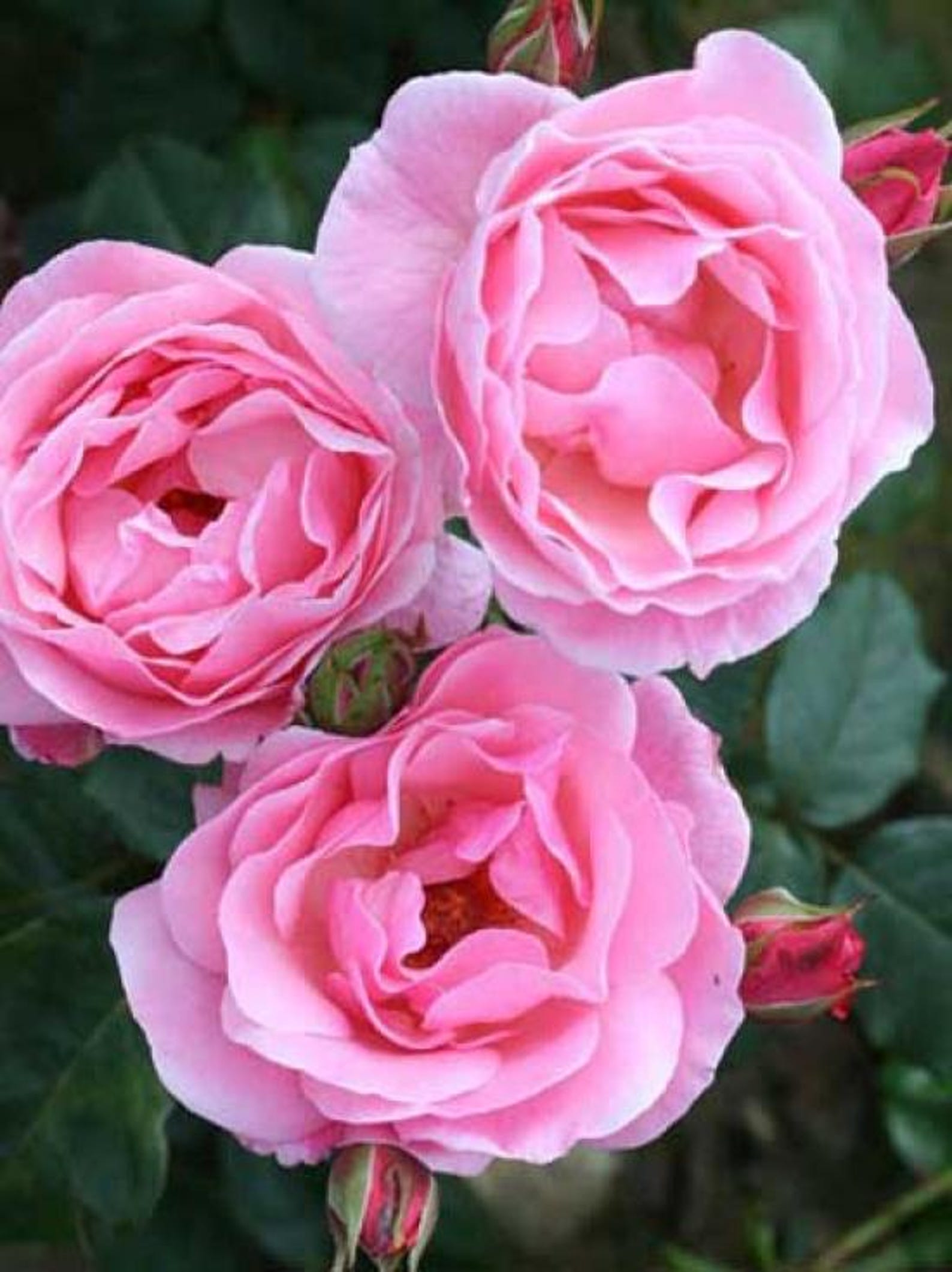
The Queen Elizabeth rose is a celebrated grandiflora cultivar known for its tall growth, disease resistance, and clusters of striking pink blossoms. Developed in the United States and introduced in 1954 to coincide with the coronation of Queen Elizabeth II, it transformed modern rose breeding by establishing an entirely new class of garden roses.
Contents
The Origins and Breeding of a Horticultural Milestone
The history of the Queen Elizabeth rose begins in the mid-twentieth century at the hands of Dr. Walter E. Lammerts, a renowned horticulturist working for the Armstrong Nurseries in California. Lammerts set out to combine the large, exquisitely formed blooms of hybrid tea roses with the continuous, cluster-flowering growth habit of floribundas. Up until this point, hybrid teas typically produced single blooms on long stems, while floribundas produced numerous smaller flowers in bunches.
By crossing the pale pink hybrid tea 'Charlotte Armstrong' with the bright red floribunda 'Floradora', Lammerts successfully bred a seedling that exhibited an entirely novel growth characteristic. The resulting plant was exceptionally vigorous, upright, and capable of producing massive quantities of long-stemmed, medium-pink flowers either singly or in large clusters. Recognizing that this seedling did not fit comfortably into either existing category, the rose classification committees established a brand-new classification specifically for it: the Grandiflora class.
The introduction of the cultivar coincided with the coronation of Queen Elizabeth II in 1953, and the rose was officially named in her honor ahead of its commercial release in 1954. This royal association, combined with its breakthrough performance metrics, propelled the cultivar to international stardom almost overnight. It quickly became a staple in botanical institutions, public parks, and private domestic landscapes across the globe, setting a new benchmark for what gardeners could expect from a landscape rose.
Botanical Characteristics and Garden Performance
Understanding why the Queen Elizabeth rose achieved such widespread acclaim requires a close examination of its physical traits and horticultural specifications. Botanically classified as Rosa 'Queen Elizabeth', the plant is famed for its robust constitution and imposing stature. Unlike many delicate modern roses, this cultivar behaves almost like a flowering shrub, frequently reaching heights of six to ten feet (1.8 to 3 meters) with a spread of about three to four feet.
The flowers themselves are a soft, luminous blend of carmine pink and dawn pink, typically featuring 35 to 40 petals that unfurl from high-centered buds into large, slightly ruffled blooms measuring up to four inches across. The foliage is dark green, leathery, and semi-glossy, providing a rich contrast against the pale pink petals. Furthermore, the foliage possesses a natural resilience to common fungal ailments such as black spot and powdery mildew, though proper garden management remains essential for optimal health.
| Botanical Attribute | Specification / Characteristic |
|---|---|
| Class | Grandiflora |
| Hybridization | 'Charlotte Armstrong' (Hybrid Tea) × 'Floradora' (Floribunda) |
| Breeder / Year | Dr. Walter E. Lammerts, 1954 |
| Mature Height | 6 to 10 feet (1.8 to 3 meters) |
| Mature Spread | 3 to 4 feet (0.9 to 1.2 meters) |
| Flower Color & Form | Clear medium pink; high-centered to cup-shaped, 35–40 petals |
| Fragrance | Mild, sweet, classic tea rose scent |
| Hardiness Zones | USDA Zones 5 through 9 |
Cultivation Requirements and Landscape Integration
Successfully cultivating the Queen Elizabeth rose in a home or institutional garden requires adherence to standard horticultural practices tailored for vigorous grandifloras. Because of its considerable height and upright branching structure, it serves exceptionally well as a back-of-border specimen, a formal hedge, or a striking focal point in a mixed perennial bed.
Sunlight and Soil Preparation
To achieve maximum bloom density and vibrant coloration, the plant requires a location that receives at least six hours of direct, unobstructed sunlight daily. Morning sun is particularly beneficial, as it quickly dries dew from the leaves and minimizes the risk of fungal spores germinating. The soil must be loamy, rich in organic matter, and well-draining. Heavy clay soils should be amended with compost, aged manure, or peat moss to improve drainage and aeration, while sandy soils benefit from organic amendments to retain necessary moisture and nutrients.
Watering and Fertilization Regimes
Deep, infrequent watering is vastly superior to shallow, daily sprinklings. Providing roughly one inch of water per week—either through rainfall or targeted drip irrigation—encourages the root system to grow deep into the soil profile. During prolonged dry spells or intense summer heat, watering frequency should be increased. Fertilization should commence in early spring just as new red shoots begin to emerge. A balanced, slow-release granular rose fertilizer, supplemented by liquid organic feeds during the peak blooming cycle in late spring and mid-summer, ensures continuous flower production.
Pruning and Seasonal Maintenance
Pruning is arguably the most critical aspect of managing this vigorous cultivar. Because it flowers on new wood, heavy pruning should be executed annually in late winter or early spring just before the leaf buds begin to swell. Gardeners should remove any dead, damaged, or crossing canes entirely. The remaining healthy canes should be cut back by about one-third to one-half of their height, making clean cuts at a 45-degree angle just above an outward-facing bud eye. Regular deadheading—snipping away spent flowers down to the first five-leaflet leaf—encourages prompt re-blooming throughout the summer and autumn months.
Cultural Impact and Historical Legacy in Public Gardens
The introduction of the Queen Elizabeth rose fundamentally reshaped the horticultural industry and left an enduring imprint on public and private garden design. Before its arrival, breeders focused heavily on refining existing classes without introducing structural breakthroughs in plant architecture. By proving that a cross between a hybrid tea and a floribunda could yield a taller, hardier plant capable of abundant cluster blooming, Lammerts opened the floodgates for the creation of numerous subsequent grandiflora cultivars.
In public arboretums and historic rose gardens worldwide, this cultivar holds a revered position. Institutions such as the Elizabeth Park Rose Garden in Connecticut, the Huntington Botanical Gardens in California, and various royal gardens across the United Commonwealth frequently feature dedicated plantings of the Queen Elizabeth rose to demonstrate mid-century breeding milestones. Its ability to thrive across diverse climatic zones—from the humid summers of the American South to the cooler, temperate environments of Northern Europe—solidified its reputation as a reliable and resilient historic selection.
Furthermore, the rose received numerous prestigious accolades, including the Portland Gold Medal in 1954, the All-America Rose Selections (AARS) award in 1955, and the World's Favourite Rose award by the World Federation of Rose Societies in 1979, an honor that placed it in the Rose Hall of Fame. These awards underscore its historical significance not merely as a decorative garden plant, but as a masterpiece of agricultural science that bridged the gap between delicate exhibition blooms and rugged landscape shrubs.
Frequently Asked Questions
How tall does the Queen Elizabeth rose grow?
The Queen Elizabeth rose typically matures to a height of 6 to 10 feet (1.8 to 3 meters) and a spread of 3 to 4 feet. Because of this tall, upright habit, it functions best when planted toward the back of garden beds or used as an informal flowering hedge rather than a low border plant.
Is the Queen Elizabeth rose difficult to grow for beginners?
No, it is widely considered one of the easiest and most reliable modern roses for home gardeners. Its hybrid vigor grants it superior disease resistance against common fungal issues like black spot, and its adaptable root system tolerates a wide range of soil conditions provided it receives adequate sunlight and proper watering.
Does the Queen Elizabeth rose produce a strong fragrance?
The cultivar produces a mild, sweet, and distinctly traditional tea rose fragrance. While it is not overwhelmingly pungent compared to some heavily scented old garden roses, its subtle aroma complements its visual elegance without dominating a garden space.
What is the difference between a grandiflora and a hybrid tea rose?
Grandifloras, a class established specifically because of the Queen Elizabeth rose, are crosses between hybrid teas and floribundas. They combine the large, well-formed flower shape and long stems of hybrid teas with the cluster-flowering habit and taller, more robust growth of floribundas, whereas traditional hybrid teas usually bear single flowers on shorter stems.
When is the best time of year to prune a Queen Elizabeth rose?
The optimal time for major annual pruning is late winter or early spring, just as the dormant buds begin to swell but before active new growth emerges. Removing dead wood and cutting back healthy canes by one-third to one-half at this time stimulates vigorous spring growth and maximizes summer flowering.
Image Gallery