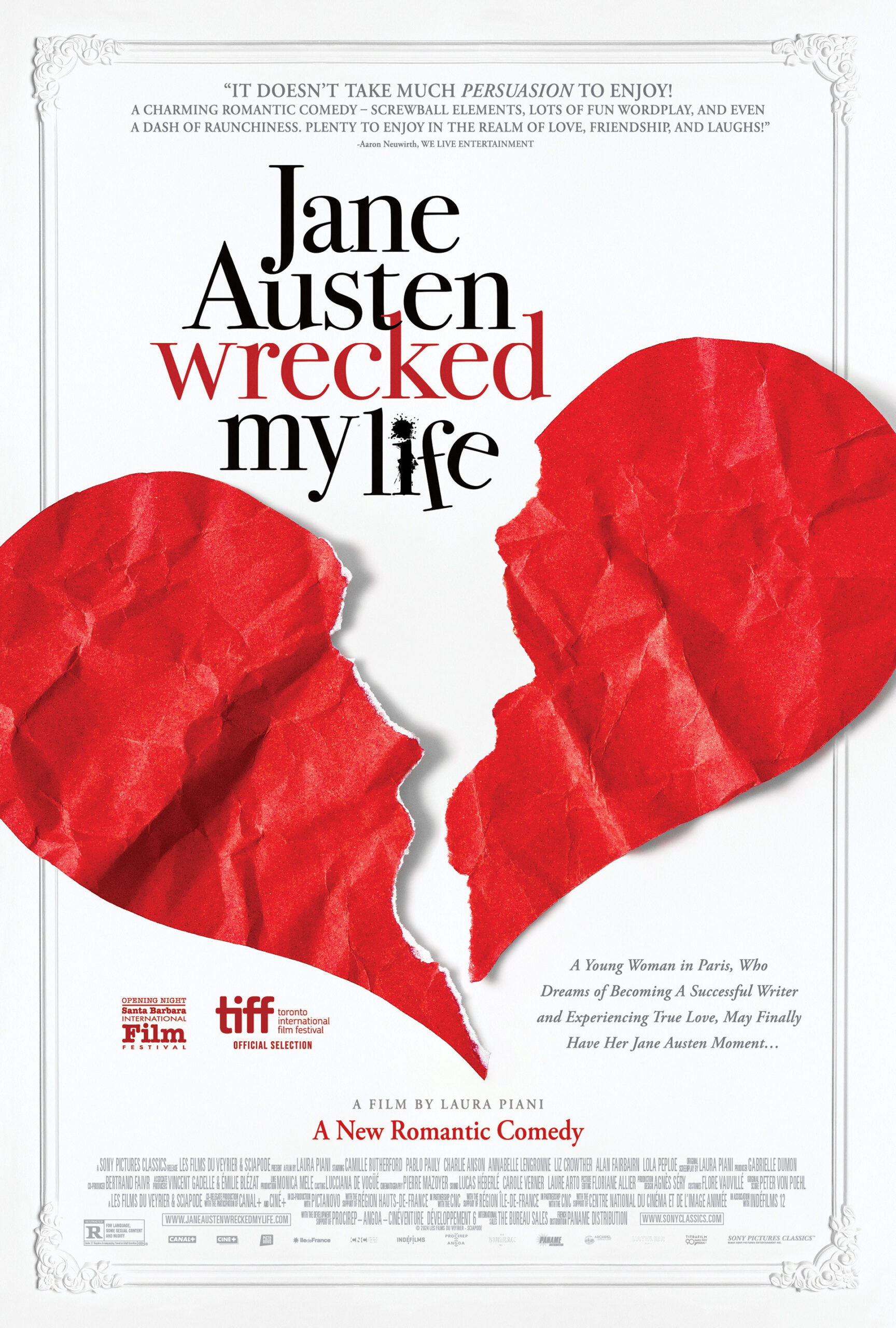
Jane Austen Movies in Order for Film Fans: A Comprehensive Chronology
For film enthusiasts seeking to explore the cinematic legacy of Jane Austen, navigating the numerous adaptations requires distinguishing between faithful period dramas, modern reinterpretations, and biographical films. While there is n...
For film enthusiasts seeking to explore the cinematic legacy of Jane Austen, navigating the numerous adaptations requires distinguishing between faithful period dramas, modern reinterpretations, and biographical films. While there is no single "canonical" order, the most rewarding viewing experience for film fans involves tracking the evolution of Austen adaptations from classic, faithful television miniseries to the high-concept, contemporary stylistic shifts seen in recent 21st-century productions.
Contents
Understanding the Scope of Austen Adaptations
Jane Austen’s six major novels—Sense and Sensibility, Pride and Prejudice, Mansfield Park, Emma, Northanger Abbey, and Persuasion—have provided the source material for dozens of screen adaptations since the advent of sound film. For the discerning film fan, the distinction lies in the approach to the source material. Some productions, such as the 1995 BBC Pride and Prejudice, prioritize fidelity to the original Regency-era text, capturing the nuanced social hierarchies and internal monologues of the characters. Others, like the 1995 film Clueless, function as thematic transpositions, relocating the narrative to a completely different historical and cultural setting while retaining the structural "DNA" of the original story.
When organizing these films, it is helpful to categorize them by their primary intent: "period-accurate" adaptations which rely on meticulous costume and production design, and "reimagined" narratives that use Austen as a scaffolding for modern social commentary.
Chronological Milestones in Austen Cinema
Tracing the evolution of these films reveals how directorial perspectives on marriage, class, and female agency have shifted over the last several decades. The following table provides a reference for key, widely recognized adaptations that defined their respective eras.
| Title | Year | Basis | Style |
|---|---|---|---|
| Pride and Prejudice | 1940 | Pride and Prejudice | Classic Hollywood |
| Sense and Sensibility | 1995 | Sense and Sensibility | Period Drama |
| Clueless | 1995 | Emma | Modern Reimagining |
| Emma | 1996 | Emma | Period Drama |
| Mansfield Park | 1999 | Mansfield Park | Revisionist Drama |
| Pride & Prejudice | 2005 | Pride and Prejudice | Romantic Realism |
| Becoming Jane | 2007 | Biographical | Historical Fiction |
| Emma. | 2020 | Emma | Stylized Satire |
| Persuasion | 2022 | Persuasion | Contemporary Lens |
Analyzing the "Big Three" Adaptations
Film fans often begin their journey with the most critically acclaimed works. The 1995 Sense and Sensibility, directed by Ang Lee, is frequently cited for its masterful screenplay, which transformed the novel into a globally accessible cinematic experience. This film established a gold standard for production design and restrained, emotive acting.
Conversely, Joe Wright’s 2005 Pride & Prejudice offered a starkly different aesthetic. By favoring handheld camera work, naturalistic lighting, and a less rigid portrayal of the Darcy-Bennet relationship, Wright shifted the focus from the parlor to the landscape. For the film student, comparing these two titles demonstrates the shift in the late 90s and early 2000s away from "museum-piece" cinema toward a more visceral, emotionally immediate form of historical storytelling.
The Rise of Modern Recontextualization
The 21st century has seen an influx of films that treat Austen’s work as a dialogue rather than a static text. Productions like the 2022 Persuasion sparked significant debate among traditionalists for its inclusion of contemporary vernacular and stylistic choices that purposefully clash with Regency expectations. For a film fan, these adaptations are not necessarily meant to replace the source material but to interrogate it. They invite the audience to ask: which aspects of Austen’s critique of the marriage market are timeless, and which are strictly bounded by her era?
When evaluating these modern takes, it is essential to look at the screenplay’s intent. Is the adaptation attempting to modernize the setting to highlight the persistence of class stratification, or is it merely using the Austen brand to update a romantic comedy? Understanding this distinction prevents frustration when a viewer expects a period-accurate drama and receives an experimental commentary.
Biographical Context: Becoming Jane
While not a direct adaptation of her books, Becoming Jane (2007) is a crucial entry for those studying the intersection of the author's life and her work. Films of this nature occupy a unique space in the cinematic canon, as they synthesize historical speculation with literary analysis. They provide a lens through which to view the novels, often suggesting that Austen’s own romantic frustrations directly influenced the "happily ever after" tropes she both utilized and subverted in her writing. Watching this alongside a direct adaptation provides a holistic view of the Jane Austen phenomenon.
Technical Elements: Costume and Production Design
One of the primary draws for film fans is the technical craft inherent in period dramas. The attention to detail regarding 19th-century silhouetting, architecture, and social etiquette serves as the backbone of the genre.
- Costume Design: Analyze how the use of color palettes in films like the 2020 Emma. indicates character traits and status. The bold, saturated colors utilized by cinematographer Christopher Blauvelt and production designer Kave Quinn represent a departure from the muted, "faded-pastel" look of 90s period dramas.
- Location Scouting: Note the contrast between the grand estates featured in earlier adaptations and the more intimate, lived-in interiors of later films. The location is an actor in itself; the way a room is staged often reflects the claustrophobic nature of the social circles Austen depicted.
Frequently Asked Questions for Enthusiasts
Should I watch these films in the order the books were written? There is no requirement to watch them in publication order. While reading the novels first can provide deep context, the films are distinct creative entities. Many fans prefer to group them by the specific novel they adapt to see how different directors interpret the same source material.
Why are there so many versions of Emma? Emma is often adapted because the protagonist is intentionally "flawed"—a character who meddles in others' lives. This provides directors with a complex psychological arc that is more malleable than the straightforward romance of Pride and Prejudice.
What is the best version for a beginner? The 1995 Sense and Sensibility is widely considered the most balanced starting point, offering a perfect marriage of high-production value, emotional clarity, and technical mastery.
How do I distinguish between a "faithful" adaptation and a "loose" adaptation? A faithful adaptation generally maintains the original dialogue, social setting, and historical context. A loose adaptation may retain character names and the general plot structure but modernize the setting, vocabulary, or the ideological themes of the story.
Recommendations for Your Viewing List
If you are just beginning, start with the "gold standard" period pieces to establish a baseline of what the Regency era "looks" like on film. Once you have established this foundation, move toward the experimental and reimagined works. This transition allows you to appreciate the deliberate subversions made by later directors. For a true film fan, the joy lies in the comparison: pay close attention to the editing, the pace of the dialogue, and the specific choices made regarding which subplots to truncate or expand. By viewing these films as a collection of choices rather than a collection of stories, you will gain a deeper understanding of Austen’s enduring cinematic power.
Image Gallery