Ecological Succession: The Mechanisms of Ecosystem Development and Change
Ecological succession is the process by which the structure and species composition of an ecological community evolve over time in a predictable sequence. Initiated by environmental disturbance or the creation of new land, it involves...
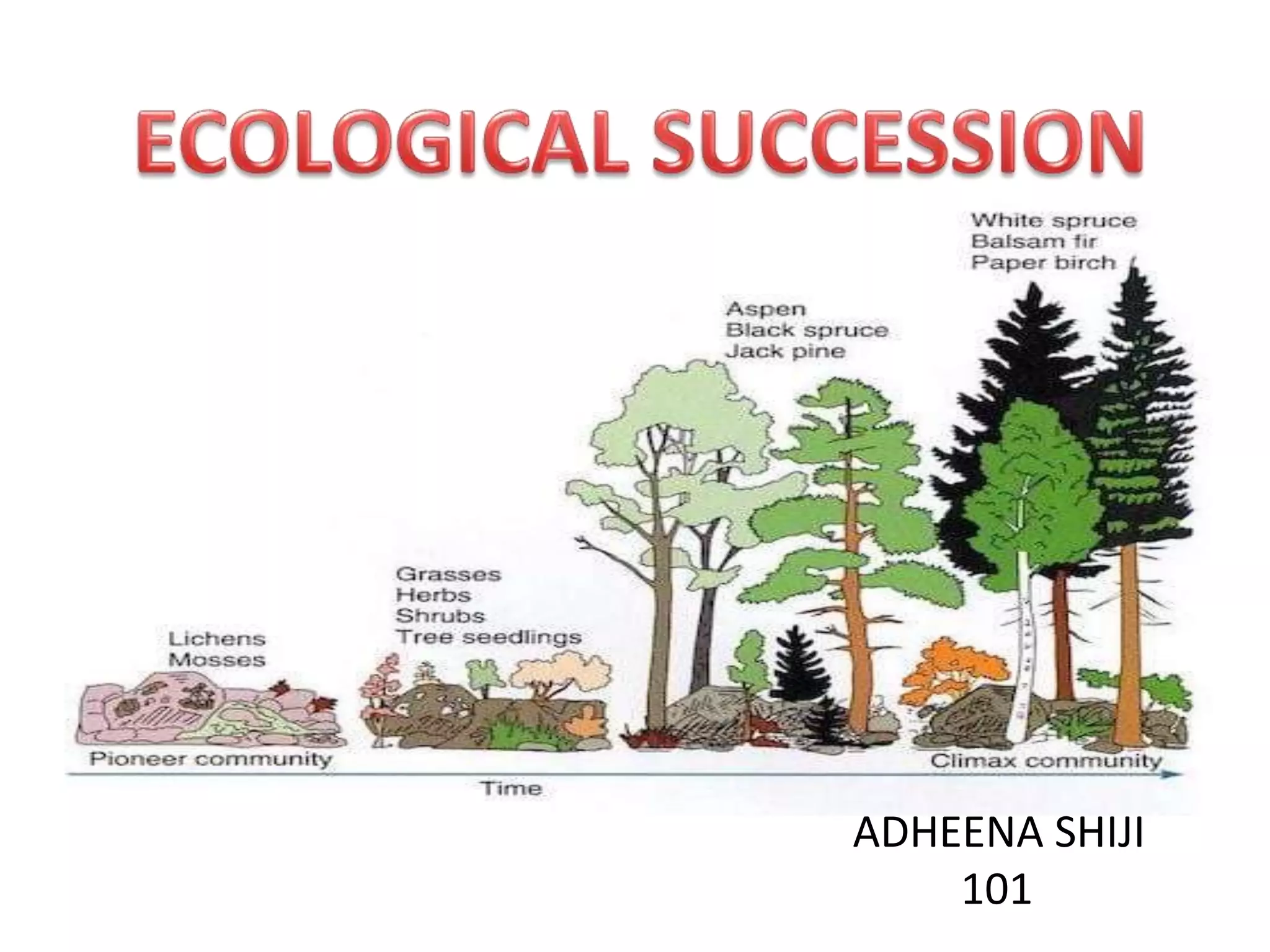
Ecological succession is the process by which the structure and species composition of an ecological community evolve over time in a predictable sequence. Initiated by environmental disturbance or the creation of new land, it involves the gradual transition from pioneer organisms to a stable, self-perpetuating climax community through competitive displacement and environmental modification.
Contents
The Fundamental Concepts of Ecological Succession
At its core, ecological succession is a reflection of how living organisms modify their environment, making it more hospitable for other species, which eventually leads to their own replacement. This process is not chaotic; it follows identifiable patterns driven by colonization, resource availability, and interspecies interactions. Scientists categorize these transitions into two primary pathways based on the initial conditions of the habitat: primary succession and secondary succession.
Primary Succession: Life from Bare Rock
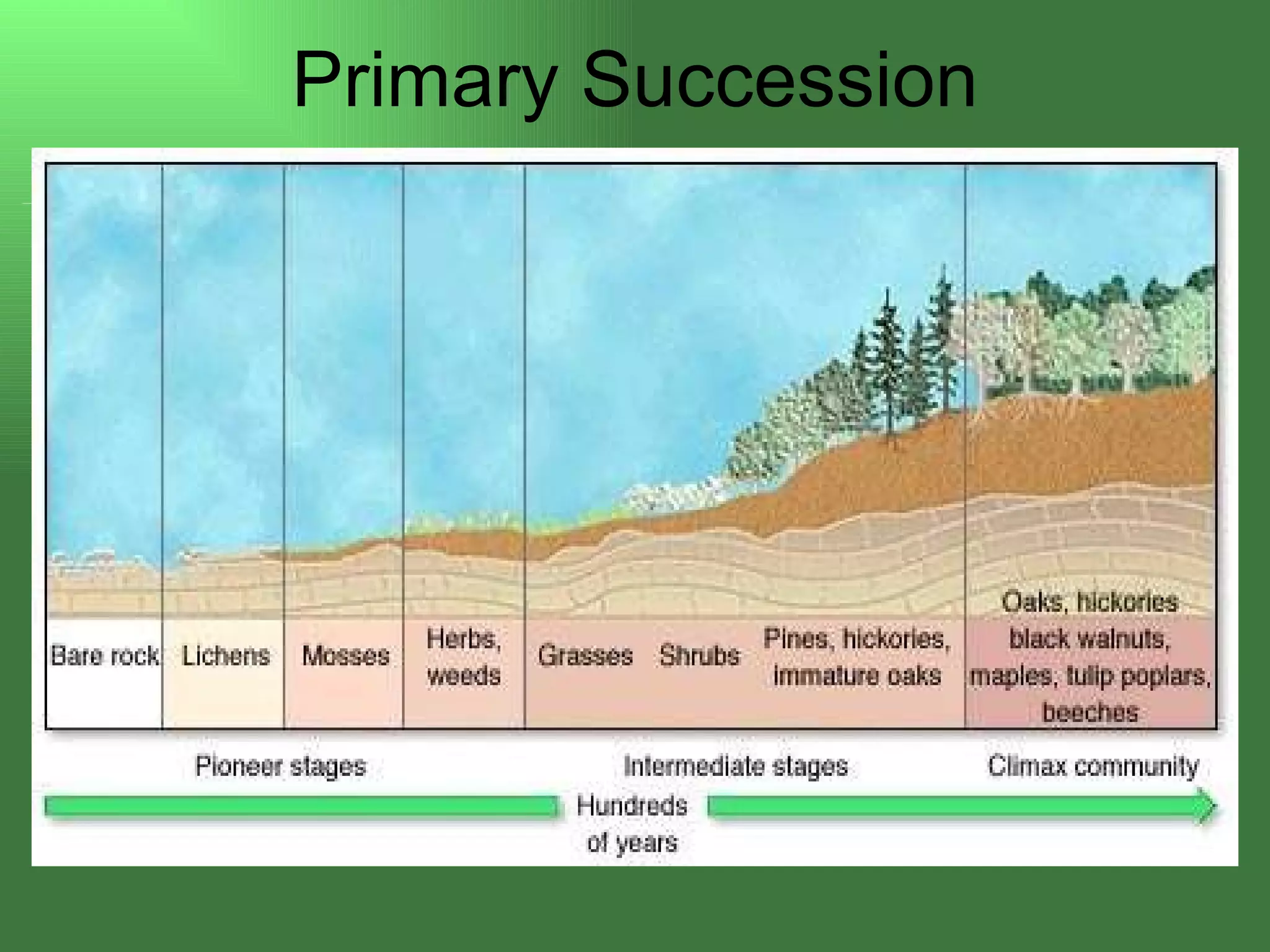
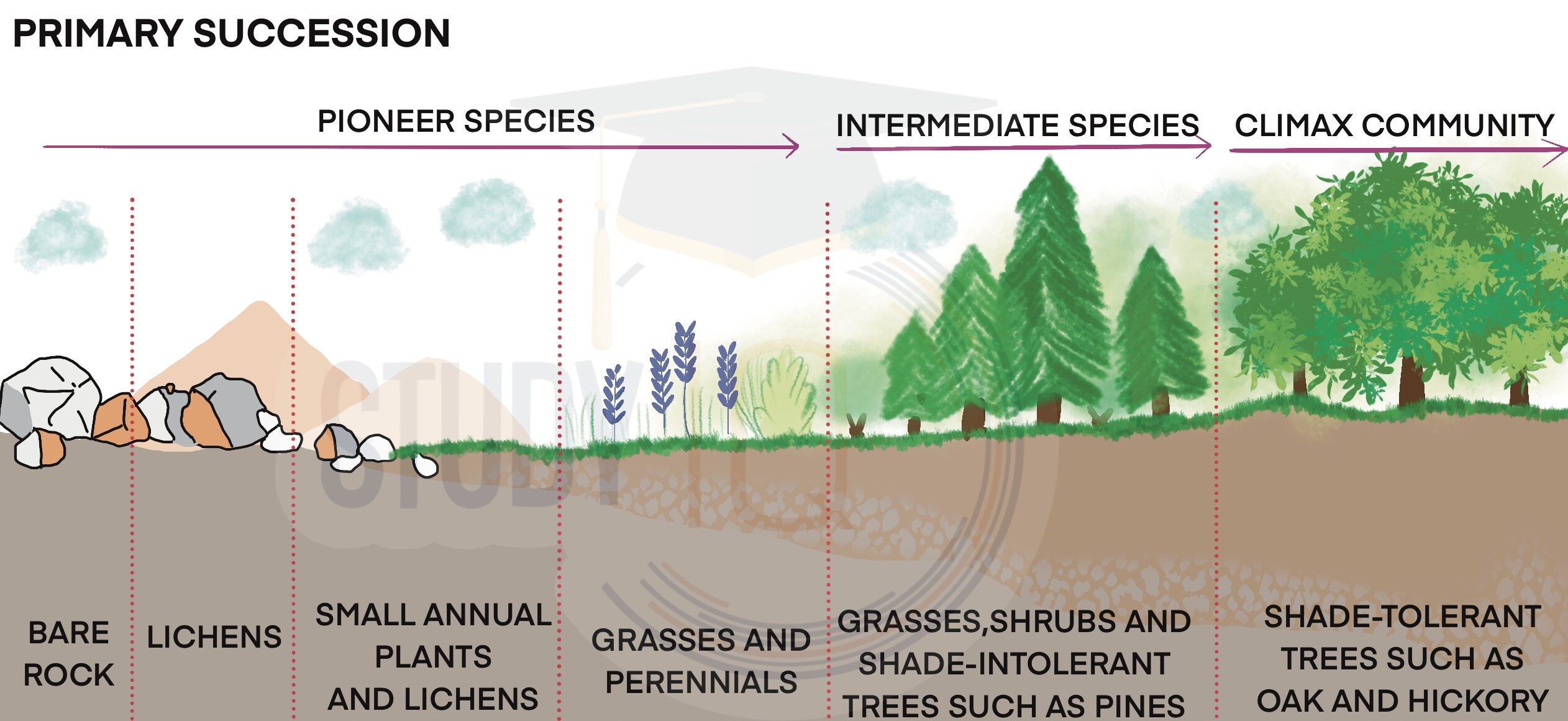
Primary succession occurs in environments that are entirely devoid of life and soil. This often happens on newly formed volcanic islands, land exposed by retreating glaciers, or surfaces stripped by severe geological events. The starting point is essentially mineral substrate, such as bare rock or sand.
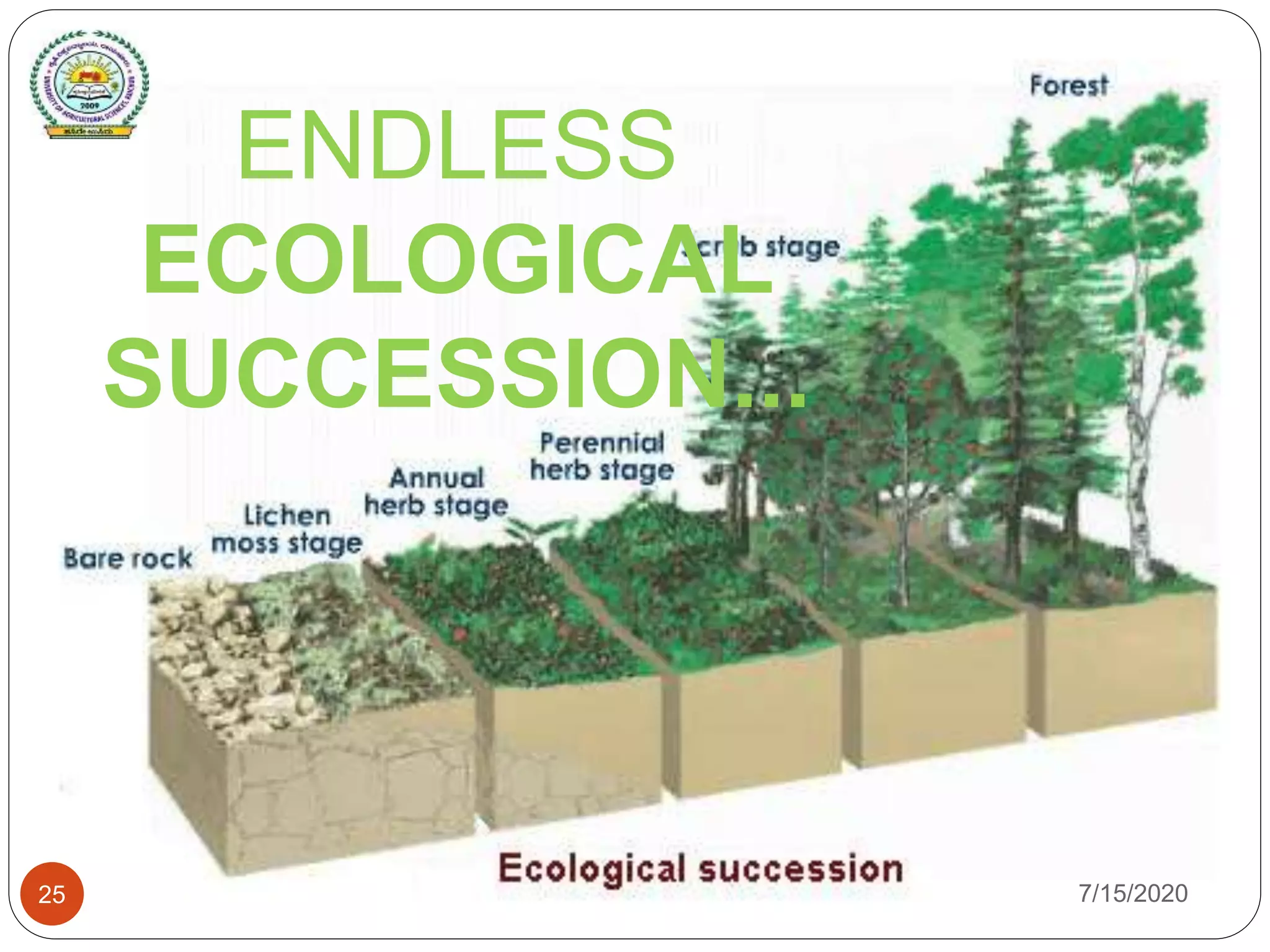
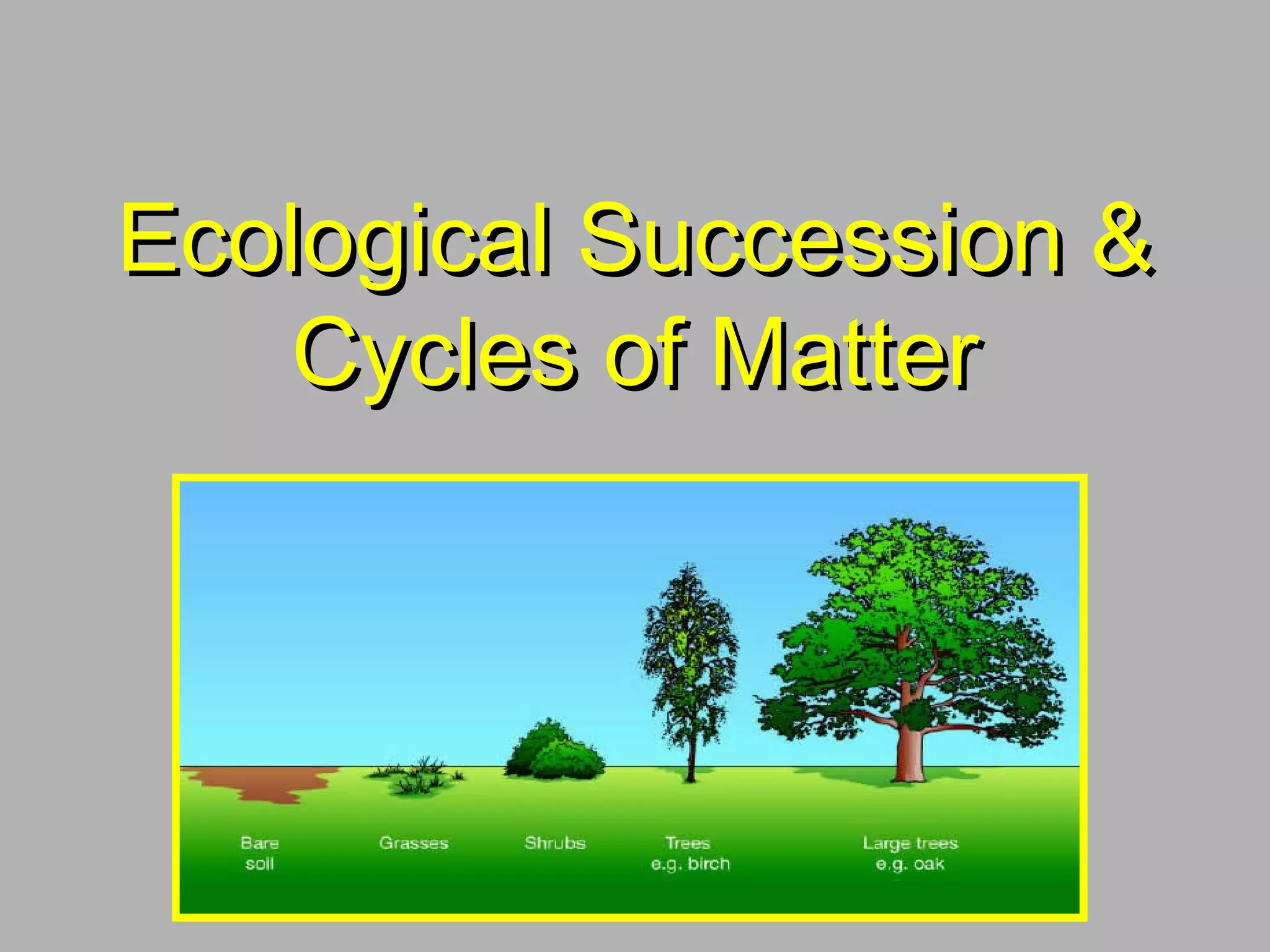
The "pioneer species"—typically hardy organisms like lichens and certain mosses—are the first to colonize these barren landscapes. These organisms possess the unique ability to survive without organic soil. Through biological weathering and the secretion of mild acids, they begin to break down the rock surface. As these pioneers die and decompose, they contribute the first layer of organic matter to the environment. This foundational detritus, mixed with weathered mineral particles, marks the genesis of rudimentary soil. Once soil depth and nutrient levels increase, grasses and herbaceous plants move in, followed by shrubs and, eventually, a forest canopy.
Secondary Succession: Recovery from Disturbance
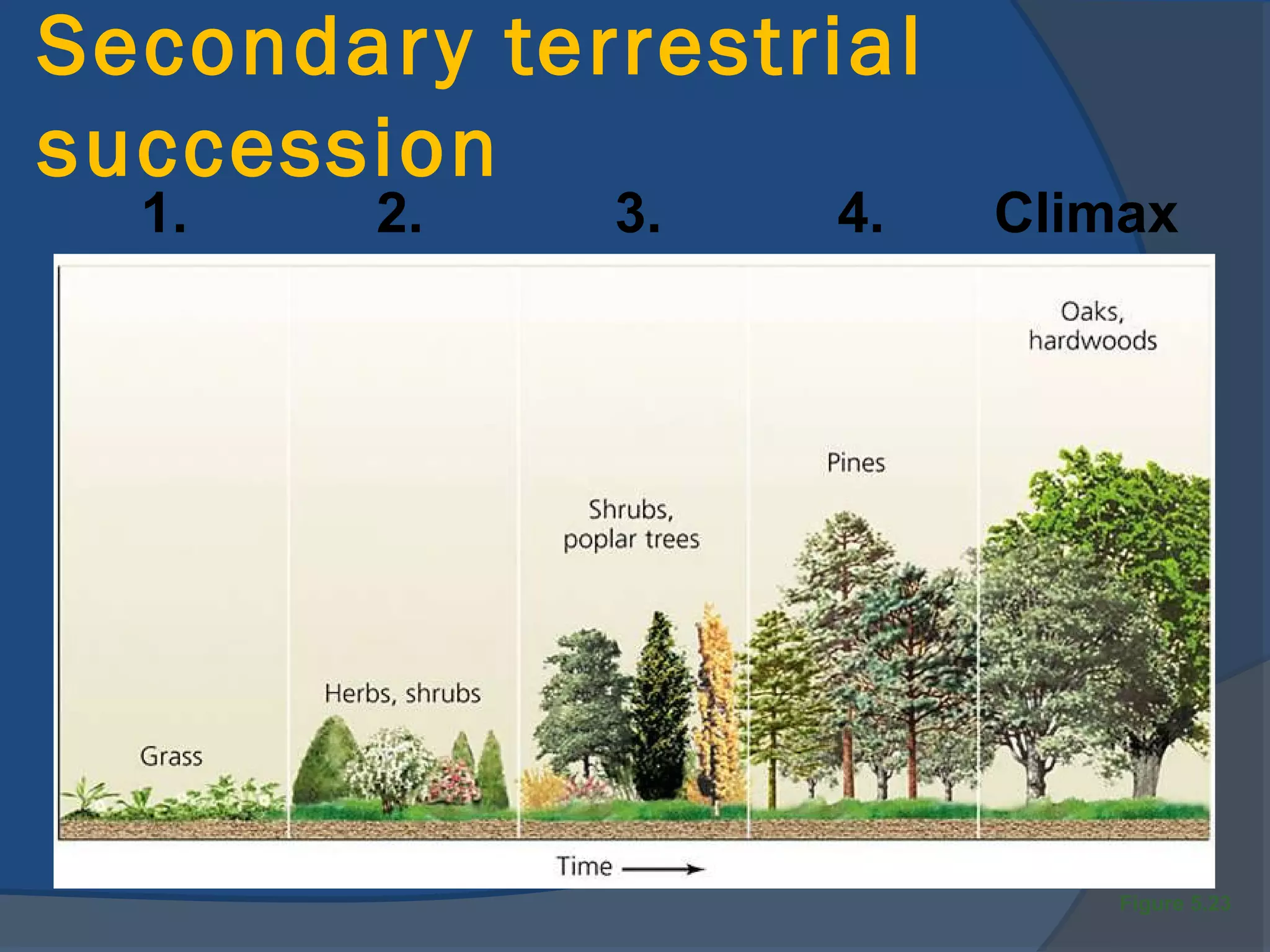
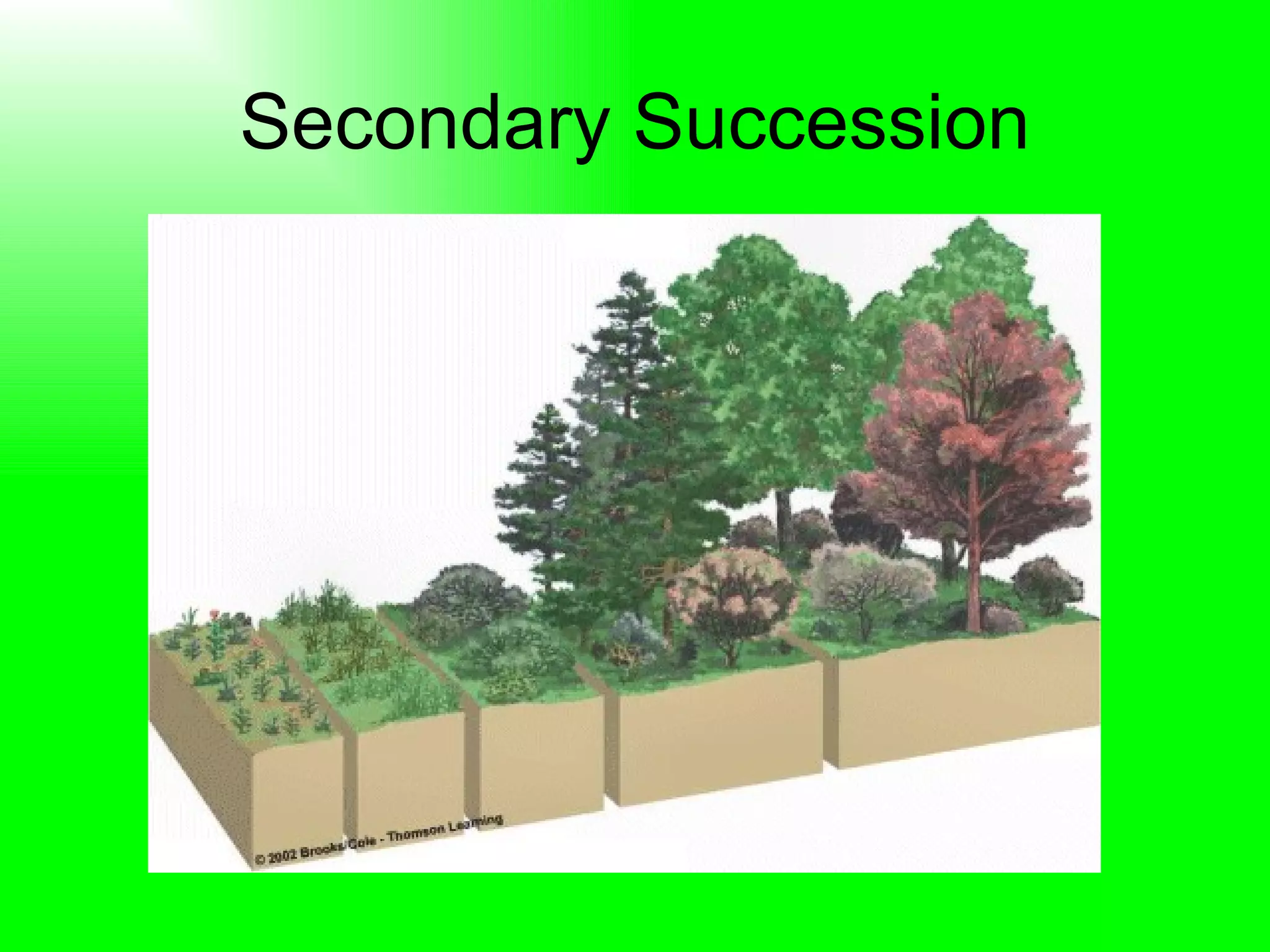
Secondary succession is more common and occurs in areas where an existing community has been cleared by a disturbance—such as a forest fire, windstorm, flood, or human agricultural activity—but where the soil remains intact. Because the soil already contains a "seed bank" (dormant seeds) and a foundation of nutrients, the recovery process is significantly faster than in primary succession.
The timeline for secondary succession depends heavily on the severity of the disturbance and the surrounding climate. In temperate regions, abandoned farm fields often undergo a predictable transition: annual weeds, followed by perennial grasses, then softwood trees (like pines), and finally hardwood species (like oaks and maples). This process continues until a community that can reproduce under its own shade—the climax community—is established.
Stages of Community Development
While the specific species differ across biomes, the functional stages of succession remain consistent across diverse geographic regions.
- Nudation: The establishment of a bare site, whether through primary formation or secondary destruction.
- Migration: The arrival of seeds, spores, or propagules from surrounding areas carried by wind, water, or animals.
- Ecesis (Establishment): The successful germination and growth of the colonizing species.
- Competition and Reaction: As density increases, organisms compete for limited resources like light, water, and nitrogen. Simultaneously, they "react" by changing the environment, such as shading out lower plants or adding nitrogen to the soil via root-associated bacteria.
- Stabilization (Climax): The final stage where the community reaches a steady state of equilibrium with the local climate and soil conditions.
Comparative Analysis of Succession Types
The following table summarizes the key environmental differences between primary and secondary succession to assist in identifying specific landscape recovery patterns.
| Feature | Primary Succession | Secondary Succession |
|---|---|---|
| Starting Substrate | Bare rock, sand, or ice | Existing soil |
| Soil Presence | Absent | Present |
| Speed of Process | Very slow (hundreds/thousands of years) | Relatively fast (decades/centuries) |
| Pioneer Species | Lichens, mosses | Annual weeds, grasses |
| Nutrient Availability | Extremely limited | Available in soil profile |
| Seed Bank | Not present | Present in soil |
The Role of Disturbance and Stability
Ecological succession challenges the notion of a static nature. In reality, ecosystems are dynamic, constantly responding to external pressures. The "Climax Community" theory, once thought to represent a final, permanent state, is now viewed in modern ecology as a dynamic equilibrium. Even a stable old-growth forest is subject to small-scale disturbances—such as a large tree falling and creating a gap in the canopy—which initiates a micro-succession event.
Disturbances are essential for maintaining biodiversity. A landscape that never experiences change eventually reaches a monoculture-like state where dominant species exclude all others. Intermediate-level disturbances prevent this, ensuring that different successional stages exist simultaneously across a mosaic landscape. This heterogeneity supports a wider array of niches, providing resources for more species than a single, uniform climax community could.
Human Impact on Successional Processes
Human activities in 2026 continue to accelerate, decelerate, or permanently alter successional pathways. Urbanization creates vast areas of "artificial primary succession," while industrial pollution can arrest succession by toxic stress, preventing the colonization of sensitive species.
In forestry and land management, the concept of "assisted migration" is sometimes employed. This involves planting tree species that are better suited for the future climate of an area, effectively fast-tracking the successional timeline to ensure ecosystem resilience against rising global temperatures and shifting precipitation patterns. Conversely, invasive species can hijack successional processes. Once introduced, an invasive plant might outcompete native pioneers, creating a new "alternative stable state" that prevents the community from ever returning to its original ecological structure.
Practical Applications and Management
Ecological restoration projects rely heavily on understanding these stages. To restore a degraded site, land managers often use "nudge" techniques:
- Site Preparation: If the soil is heavily compacted or stripped of nutrients, mechanical tilling or organic amendment is required to simulate the "soil building" phase.
- Species Introduction: Managers may bypass the early, slow-growing stages by planting late-successional species directly into a site, provided the soil chemistry can support them.
- Invasive Suppression: Consistent monitoring is required to ensure that pioneers are native species. Without this, the site may diverge into a low-diversity scrubland.
Frequently Asked Questions
Why is lichen considered a pioneer species in primary succession? Lichens are a symbiotic pairing of fungi and algae (or cyanobacteria). They require only mineral surfaces and atmospheric moisture to grow. By producing acids, they chemically break down rock, creating the microscopic fissures and soil particles necessary for future plant life to take root.
Does a climax community ever change? Yes. While it appears stable, a climax community changes over long periods due to shifts in regional climate, soil erosion, or evolutionary changes in the resident species. It is a "steady state," not an immutable one.
How does climate change affect succession? Climate change can shift the "target" climax community. If an area becomes significantly hotter or drier, the successional trajectory may shift from a forest climax toward a grassland or shrubland, as the previous forest species can no longer regenerate in the new climate.
Can succession be reversed? Technically, no; succession is a progressive process. However, severe degradation (e.g., desertification) can move a landscape backward along the successional scale, forcing it to restart from a lower-functioning state.
What is the "seed bank," and why does it matter? The seed bank is the reserve of dormant seeds naturally stored in the soil. It is the primary reason secondary succession is so much faster than primary succession, as the "biological memory" of the previous community is already waiting to germinate.
Conclusion and Next Steps
Understanding ecological succession is vital for anyone involved in land stewardship, conservation, or environmental planning. To effectively manage a natural space, first identify the current stage of the landscape. Is it currently a barren site requiring soil development, or an abandoned field dominated by weeds? By identifying the current successional stage, you can determine if the site will naturally progress toward your goal or if intervention—such as soil enrichment or native seeding—is required to bridge the gap to a more stable, biodiverse ecosystem. Always consult with regional ecological guidelines or local university extension offices to determine which native species are appropriate for your specific stage of succession.
Image Gallery