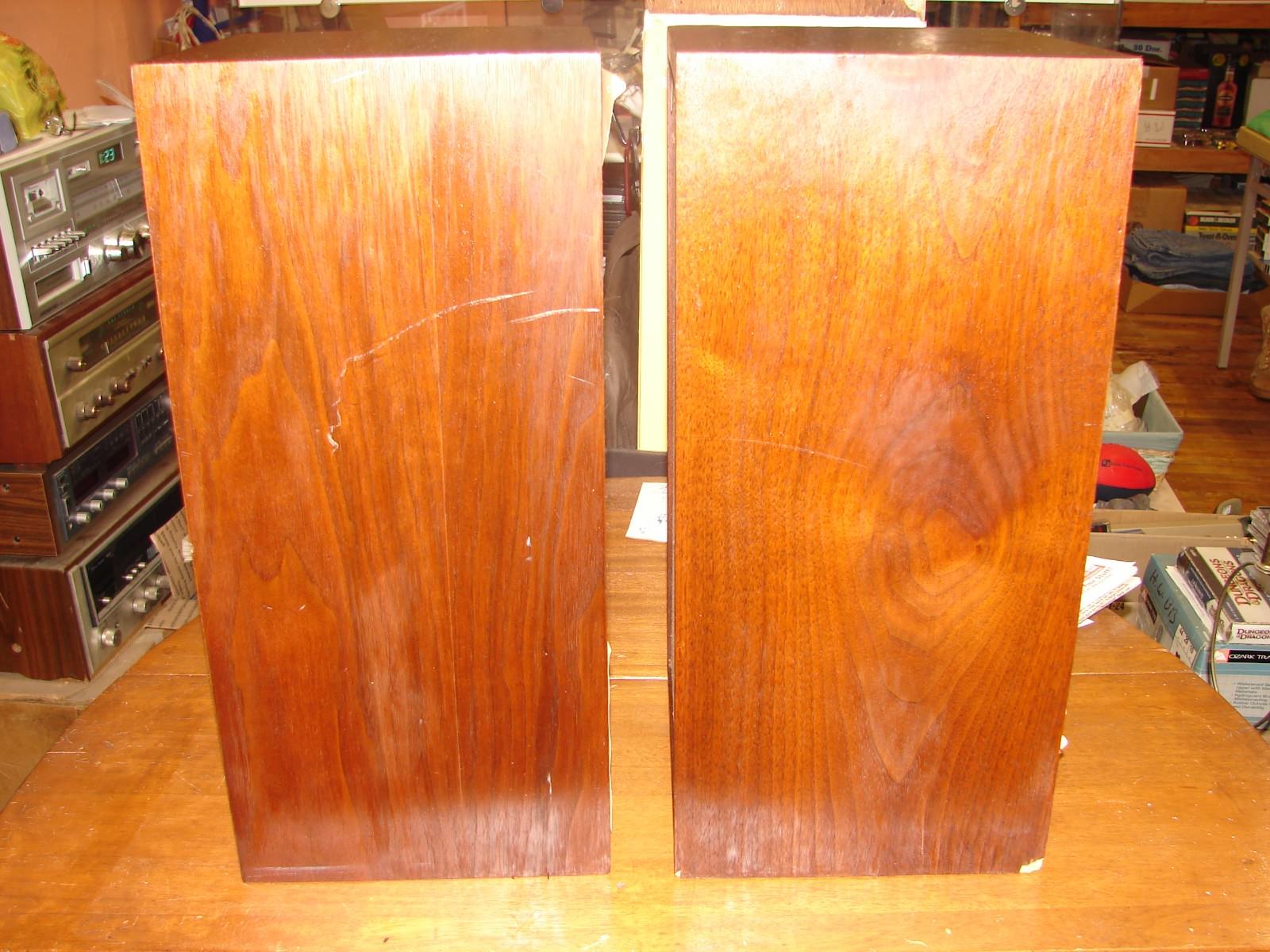
A Comprehensive Guide to the Acoustic Research AR-4x Loudspeaker
The Acoustic Research AR-4x remains a hallmark of high-fidelity audio history, representing the successful transition of bookshelf speaker technology into the accessible consumer market. Designed as a compact, two-way acoustic suspensi...
The Acoustic Research AR-4x remains a hallmark of high-fidelity audio history, representing the successful transition of bookshelf speaker technology into the accessible consumer market. Designed as a compact, two-way acoustic suspension system, it delivered remarkably flat frequency response and deep, controlled bass, effectively defining the "bookshelf" speaker category for listeners during its production run in the mid-1960s to early 1970s.
Contents
The Legacy and Technical Concept of the AR-4x
The Acoustic Research AR-4x was introduced in 1965 as an evolutionary upgrade to the earlier AR-4. While the original AR-4 utilized a specific cone tweeter design, the "x" designation signaled the integration of a new, improved high-frequency driver that provided wider dispersion and smoother response. Developed by Edgar Villchur and Henry Kloss, the core of the AR philosophy relied on the acoustic suspension principle.
In traditional speaker designs of the era, the woofer was attached to the cabinet using a stiff mechanical suspension, which limited its ability to reproduce very low frequencies without significant distortion. The AR approach sealed the driver in an airtight, relatively small cabinet. The air inside acted as a linear spring, essentially replacing the stiff mechanical suspension with a "spring of air." This allowed the woofer cone to move linearly over a much greater distance, enabling the small 8-inch woofer of the AR-4x to produce bass frequencies that were previously considered impossible for a loudspeaker of its physical size.
Technical Specifications and Performance
To understand why the AR-4x remains highly regarded in 2026, one must look at the balance of its design. The speaker was marketed as a high-fidelity component for the budget-conscious enthusiast, yet it rarely felt like a compromise.
Key Specifications
- System Type: Two-way acoustic suspension.
- Woofer: 8-inch high-compliance long-throw cone.
- Tweeter: 2.5-inch cone-type high-frequency unit.
- Crossover Frequency: 1,200 Hz.
- Impedance: 8 ohms.
- Cabinet Dimensions: 19 x 10 x 9 inches.
- Finish: Oiled walnut veneer (standard) or unfinished pine.
The 1,200 Hz crossover point is particularly significant. Because the woofer handled a broad range of frequencies and the tweeter was designed to integrate seamlessly at that relatively low crossover point, the AR-4x maintained a cohesive sound profile. It lacked the harsh "beaming" of many contemporary speakers, offering a wide, natural soundstage that performed exceptionally well in smaller rooms.
Practical Considerations for Modern Owners
In 2026, many AR-4x units in circulation are over 50 years old. If you own or are looking to acquire a pair, you must account for the natural aging of electronic and mechanical components.
1. The Crossover Capacitors
The original electrolytic capacitors used in the AR-4x crossover network were not designed to last for decades. Over time, these components dry out and drift in value, which can lead to a loss of high-frequency detail or an uneven frequency response. Many enthusiasts replace these with modern, high-quality film capacitors to restore the original sonic signature.
2. The Potentiometer (Level Control)
The rear of the AR-4x features a level control for the tweeter. This potentiometer is notorious for oxidizing, which can cause the tweeter to cut out intermittently or sound "scratchy." In most cases, deoxidizing the contacts with an electronic cleaner resolves the issue; in severe cases, the potentiometer may need to be bypassed or replaced.
3. Surround Maintenance
While the woofer surround is usually made of a durable treated cloth rather than the foam found in later speakers, it can still lose its airtight seal over time. Ensuring the cabinet is properly sealed is vital to maintaining the acoustic suspension principle.
Comparison of Vintage Bookshelf Monitors
The following table compares the AR-4x with other notable speakers of its era to help identify its place in the market.
| Feature | Acoustic Research AR-4x | KLH Model 17 | Advent (Original) |
|---|---|---|---|
| Woofer Size | 8 inch | 10 inch | 10 inch |
| Philosophy | Acoustic Suspension | Acoustic Suspension | Acoustic Suspension |
| Sound Profile | Warm, neutral | Clear, forward | Deep bass, lively |
| Typical Use | Small to mid rooms | Mid rooms | Large rooms |
Restoring and Troubleshooting Your AR-4x
When troubleshooting an AR-4x, follow a methodical approach to avoid damaging original components.
- Auditory Check: If there is no sound, first test the signal source and amplifier. If the speaker remains silent, inspect the rear level control. Rotate it back and forth several times to "wipe" the contacts.
- Visual Inspection: If the speaker produces sound but lacks high frequencies, the capacitor has likely failed. If the sound is thin or lacks bass, check the cabinet for air leaks—particularly around the speaker frame gasket.
- Component Upgrades: When performing maintenance, keep the original aesthetic in mind. Many owners opt for modern components that fit within the original footprint of the crossover board to preserve the historical integrity of the cabinet internals.
Frequently Asked Questions
Can I use modern amplifiers with the AR-4x? Yes. The AR-4x is an 8-ohm load and is generally easy to drive. While high-power amplifiers are not strictly necessary, an amplifier with at least 25–50 watts per channel of clean power will provide excellent control, especially at lower volumes.
Should I replace the original drivers if they stop working? It is generally better to repair original drivers than to replace them with generic modern units. The AR-4x was voiced specifically for its original drivers; replacing them with non-standard parts will fundamentally alter the speaker's sound profile and value.
Is the AR-4x suitable for modern home theater? While the AR-4x offers excellent clarity, its design is optimized for stereo imaging rather than the wide-dispersion demands of modern multi-channel home theater setups. It is best enjoyed in a dedicated two-channel stereo system.
Why does the sound seem "dark" or "muffled" compared to newer speakers? The AR-4x was designed according to the "East Coast" sound philosophy, which prioritizes a natural, non-fatiguing, and slightly warm tonal balance. Compared to modern speakers with metal-dome tweeters, the AR-4x will naturally sound less "bright" or "etched."
How do I determine if my cabinet is leaking air? If the woofer moves excessively but produces little bass, or if you can hear a whistling sound from the cabinet seams during heavy bass, the airtight seal is compromised. Check the mounting screws for the woofer and reseal the back panel if it has been loosened.
Recommendation for Next Actions
If you have acquired a pair of AR-4x speakers, your first step should be to perform a "listening test" at low volume. Once you confirm the drivers are operational, consider a professional or DIY recap of the crossover network. Preserving these speakers involves honoring their original design while ensuring that aging capacitors do not inadvertently damage the sensitive voice coils. If you are not comfortable with soldering or electronic repair, contact a local vintage audio technician who specializes in acoustic suspension systems. With proper care, these speakers will continue to offer high-quality audio reproduction for years to come.
Image Gallery