Understanding Virginia Sales and Use Tax Rules: A Comprehensive Guide for Businesses
Virginia sales and use tax is a mandatory financial obligation imposed on the retail sale, lease, or rental of tangible personal property and certain services within the Commonwealth. Managed by the Virginia Department of Taxation, the...
Virginia sales and use tax is a mandatory financial obligation imposed on the retail sale, lease, or rental of tangible personal property and certain services within the Commonwealth. Managed by the Virginia Department of Taxation, the tax is collected by retailers at the point of sale and remitted to the state, while the "use" tax serves as a companion levy on out-of-state purchases where sales tax was not collected, ensuring a neutral tax environment for local businesses.
Contents
The Foundation of Virginia Sales and Use Tax
The core principle of Virginia’s tax structure is that sales tax applies to most retail transactions, while use tax applies when a purchaser brings goods into the state for use, consumption, or storage without having paid a comparable sales tax elsewhere. For business owners, compliance is not merely an administrative task; it is a legal requirement tied to the privilege of conducting business in the state.
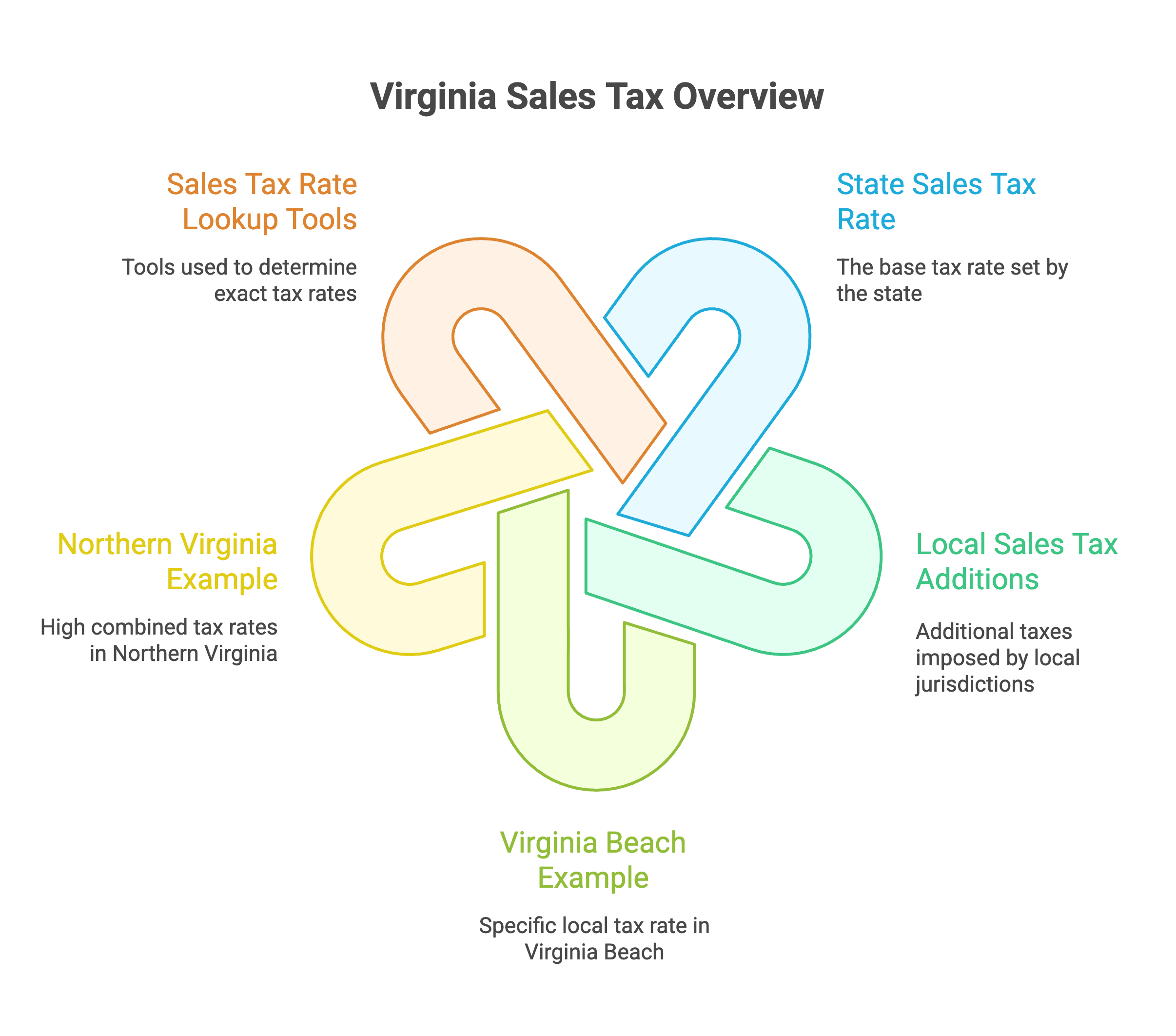
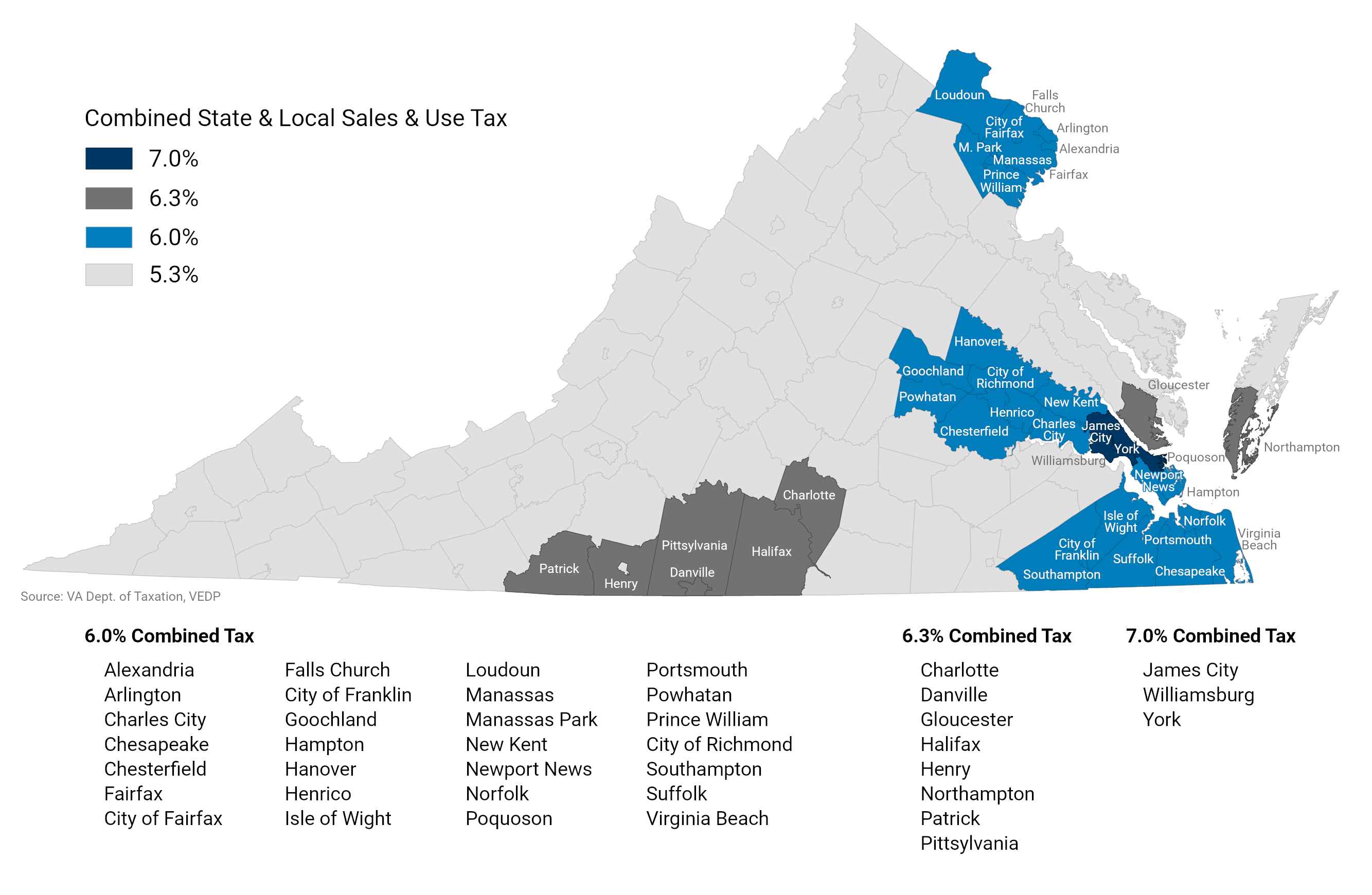
The tax rate in Virginia is generally a combination of the state rate and a local component. As of 2026, the statewide sales and use tax rate is 4.3%, with an additional 1.0% local tax applied to most jurisdictions, resulting in a standard combined rate of 5.3%. However, certain regions—particularly those in Northern Virginia and Hampton Roads—may impose additional regional or local option taxes for transportation and special district infrastructure, which can elevate the total rate beyond the base 5.3%.
Determining Nexus and Registration
Before collecting any tax, a business must establish whether it has "nexus" in Virginia. Nexus refers to the sufficient physical or economic connection a business has with the state that mandates tax collection.
Physical nexus is traditionally established through storefronts, warehouses, employees, or contractors operating within Virginia borders. Economic nexus, which became increasingly prominent following the South Dakota v. Wayfair, Inc. decision, applies to remote sellers. If your business exceeds $100,000 in annual gross revenue from retail sales in Virginia or engages in 200 or more separate retail transactions within the state, you are required to register for a Sales and Use Tax Certificate of Registration.
Registration is conducted through the Virginia Department of Taxation’s online portal, iFile. Once registered, businesses are issued a Certificate of Registration, which must be displayed at each place of business. This certificate authorizes you to collect tax from customers and, conversely, allows you to issue resale certificates when purchasing inventory, ensuring you do not pay tax on items intended for resale.
Taxable vs. Exempt Transactions
Not every transaction is subject to sales tax. Understanding the distinction between taxable items and exempt goods is essential for accurate reporting.
- Tangible Personal Property: Generally, physical goods such as furniture, electronics, clothing, and machinery are taxable.
- Services: Most professional services, such as consulting, legal advice, or accounting, are not subject to sales tax in Virginia. However, certain labor charges related to the fabrication or repair of tangible personal property may be taxable.
- Exemptions: Virginia provides specific exemptions for items used in manufacturing, agriculture, or research and development. Additionally, non-profit organizations or government entities may be exempt under specific certification rules.
Retailers are responsible for maintaining rigorous documentation for all exempt sales. If you sell an item tax-free based on a customer’s claim of exemption, you must possess a valid Virginia Retail Sales and Use Tax Certificate of Exemption (Form ST-10) or similar documentation. Failure to produce this during an audit can result in the business becoming personally liable for the uncollected tax.
Collecting and Remitting the Tax
The collection process occurs at the point of transaction. If your business uses a point-of-sale (POS) system, ensure it is configured to accurately calculate the combined state and local rate based on the destination of the goods.
Remittance is typically handled on a monthly basis, though businesses with low average monthly liabilities may be granted quarterly or semi-annual filing status by the Department of Taxation. Payments are made electronically via the iFile system. It is critical to adhere to the filing deadlines; penalties for late filing and late payment accrue interest and can include significant percentage-based fines on the unpaid balance.
Comparison of Tax Obligations
| Feature | Sales Tax | Use Tax |
|---|---|---|
| Primary Trigger | Retail sale of goods in VA | Use of untaxed goods in VA |
| Collection Responsibility | Collected by the seller | Paid by the purchaser |
| Applicability | Tangible personal property | Out-of-state purchases; inventory withdrawals |
| Registration Required | Yes, for all retail sellers | Yes, for businesses/dealers |
| Reporting Frequency | Monthly/Quarterly/Annual | Monthly/Annual (via Income Tax return) |
Dealing with Use Tax: The "Hidden" Obligation
Many businesses mistakenly believe that if they do not sell items to customers, they have no sales tax obligations. This is often incorrect due to the "Use Tax" component. If you purchase equipment or office supplies from an out-of-state vendor that does not collect Virginia sales tax, you are legally required to report and pay the "use tax" directly to the state. This is often calculated at the same rate as the sales tax. Businesses must track these untaxed acquisitions throughout the year to satisfy their end-of-year tax liabilities.
Audits and Recordkeeping Requirements
The Virginia Department of Taxation periodically conducts audits to verify that businesses are properly collecting and remitting taxes. The burden of proof rests entirely on the business owner. To survive an audit, you must maintain organized records for at least three to four years.
These records should include:
- Original sales invoices.
- Exemption certificates for non-taxable sales.
- Records of all purchases made by the business.
- Summary reports of daily sales tax collections.
- Documentation regarding inventory withdrawn for personal or business use.
If you are selected for an audit, the auditor will review your purchasing records to ensure you have paid use tax on items that were not taxed at the point of sale. Discrepancies between your reported sales and your actual revenue can lead to assessments of back taxes, interest, and civil penalties.
Common Pitfalls and Troubleshooting
- Incorrect Rate Application: Businesses often use the wrong rate when shipping items to customers in different jurisdictions. Always ensure your tax software updates the local tax rate based on the customer’s delivery address.
- Improper Use of Resale Certificates: Using a resale certificate to buy items for personal use is a major compliance violation that can lead to criminal charges or revocation of your tax registration.
- Ignoring Local Levies: Failing to account for local transportation district taxes in Northern Virginia or Hampton Roads is a frequent error that results in underpayment.
If you encounter technical issues with the iFile portal or are unsure about the taxability of a specific product or service, you can request a formal letter ruling from the Virginia Department of Taxation. This provides written guidance that protects your business from penalties if you follow the department’s interpretation of the law.
Next Steps for Compliance
To maintain good standing with the Commonwealth of Virginia, start by performing a self-audit of your current tax collection processes. Verify that your POS system is pulling the most current tax rates for all service areas. If you regularly purchase goods from out-of-state suppliers, reconcile your accounts payable to ensure that use tax has been accrued and paid for all items that were not charged sales tax. If you identify gaps in your previous filings, consult with a qualified tax professional to discuss the Voluntary Disclosure Program, which may mitigate potential penalties for past non-compliance.
Disclaimer: This guide is intended for informational purposes and does not constitute formal legal or financial advice. Tax laws are subject to change and may vary based on specific business activities. Consult the Virginia Department of Taxation or a certified public accountant for guidance tailored to your unique financial situation.
Image Gallery