Navigating the Gaithersburg Time Zone: Standard Time, Daylight Saving Rules, and Local Scheduling
Gaithersburg, Maryland, operates in the Eastern Time Zone of the United States, observing Eastern Standard Time (EST) during the winter months and Eastern Daylight Time (EDT) during the summer. This geographic location aligns with the...
Gaithersburg, Maryland, operates in the Eastern Time Zone of the United States, observing Eastern Standard Time (EST) during the winter months and Eastern Daylight Time (EDT) during the summer. This geographic location aligns with the primary timekeeping standard for the U.S. East Coast, meaning the city shifts its clocks forward and backward twice a year in coordination with federal daylight saving regulations.
Contents
Understanding the Eastern Time Zone in Maryland
The Eastern Time Zone is one of the standard time zones utilized across the Americas, anchored by the Coordinated Universal Time offset of UTC-5 during standard time and UTC-4 during daylight saving time. Because Gaithersburg is situated within Montgomery County, Maryland, its local municipal offices, businesses, public schools, and transportation networks synchronize strictly with this regional standard.
Timekeeping in the United States is regulated at the federal level by the Department of Transportation under the Uniform Time Act of 1966. While states and local municipalities can choose whether or not to observe daylight saving time entirely—as done by Arizona and Hawaii—Maryland fully participates in the bi-annual transition. Consequently, anyone scheduling remote meetings, traveling to the region, or managing operations within Gaithersburg must account for these seasonal adjustments.
Standard Time vs. Daylight Saving Time in Gaithersburg
The transition between standard and daylight saving time alters how local time relates to UTC and other global time zones. Understanding these two distinct phases prevents scheduling errors for remote work, logistics, and travel.
Eastern Standard Time (EST)
From early November to mid-March, Gaithersburg operates on Eastern Standard Time, which is five hours behind Coordinated Universal Time (UTC-5). During this period, winter days feature earlier sunsets, and the local time matches standard meteorological and astronomical clocks utilized across the eastern seabord from Maine down to Florida.
Eastern Daylight Time (EDT)
Beginning on the second Sunday in March and lasting until the first Sunday in November, the city shifts to Eastern Daylight Time, moving clocks forward by one hour to UTC-4. This adjustment maximizes daylight hours during the evening throughout the spring, summer, and early autumn months.
| Period | Time Zone Name | UTC Offset | Duration |
|---|---|---|---|
| Winter / Early Spring | Eastern Standard Time (EST) | UTC-5 | Early November to Second Sunday in March |
| Spring / Summer / Fall | Eastern Daylight Time (EDT) | UTC-4 | Second Sunday in March to First Sunday in November |
Practical Impact on Scheduling and Business Operations
Operating within the Gaithersburg time zone requires careful coordination for national and international entities. Because Montgomery County serves as a major hub for biotechnology, federal research agencies, and corporate headquarters, business hours typically run from 9:00 AM to 5:00 PM EST or EDT.
When coordinating across domestic time zones, professionals must remember that Gaithersburg is:
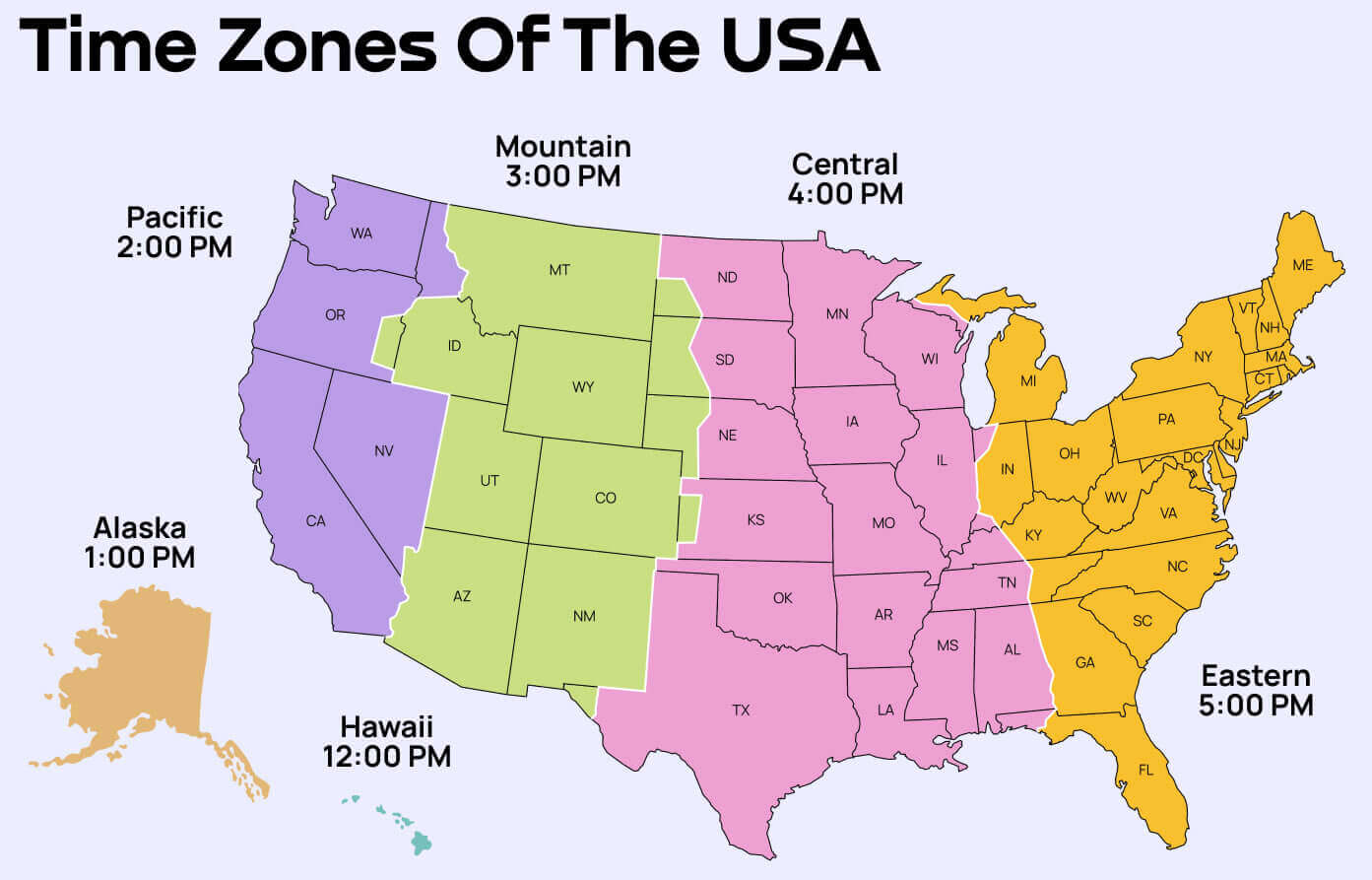
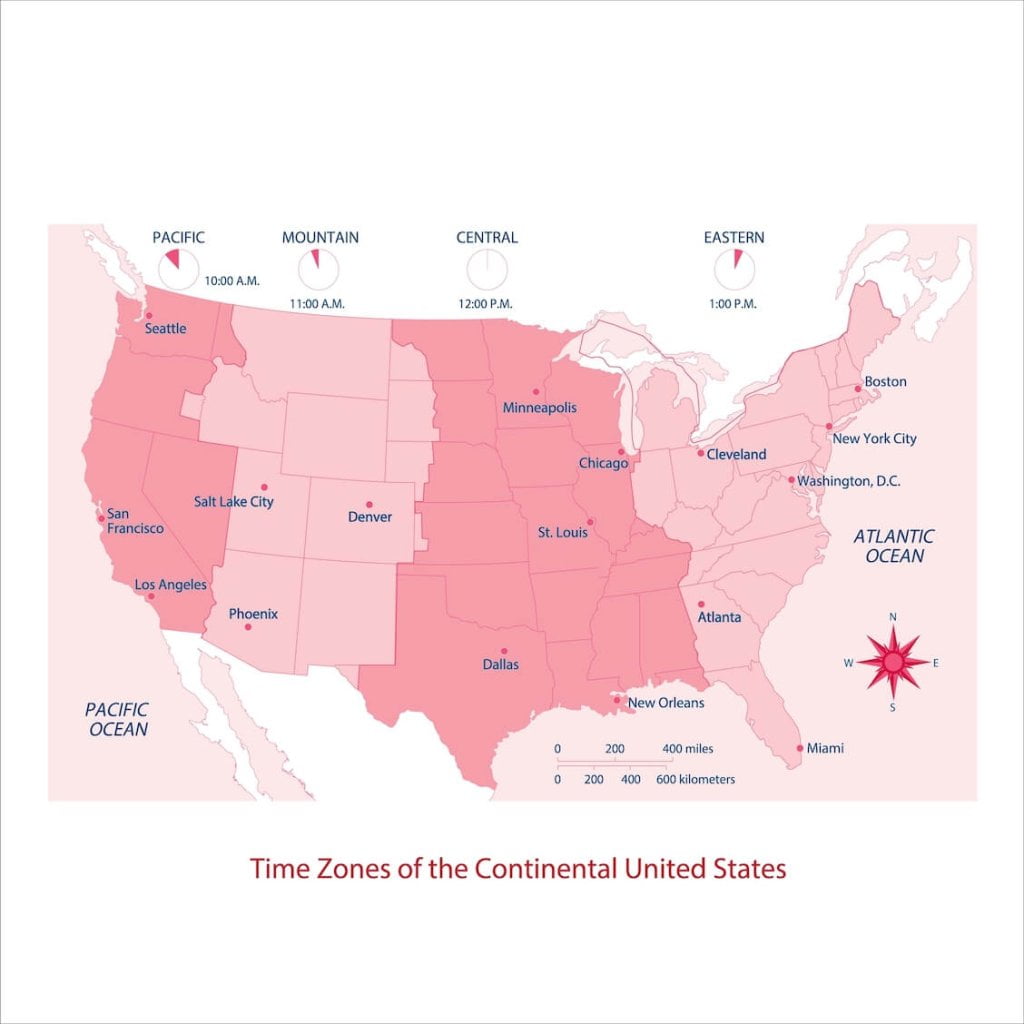
- 3 hours ahead of Pacific Time (PST/PDT)
- 2 hours ahead of Mountain Time (MST/MDT)
- 1 hour ahead of Central Time (CST/CDT)
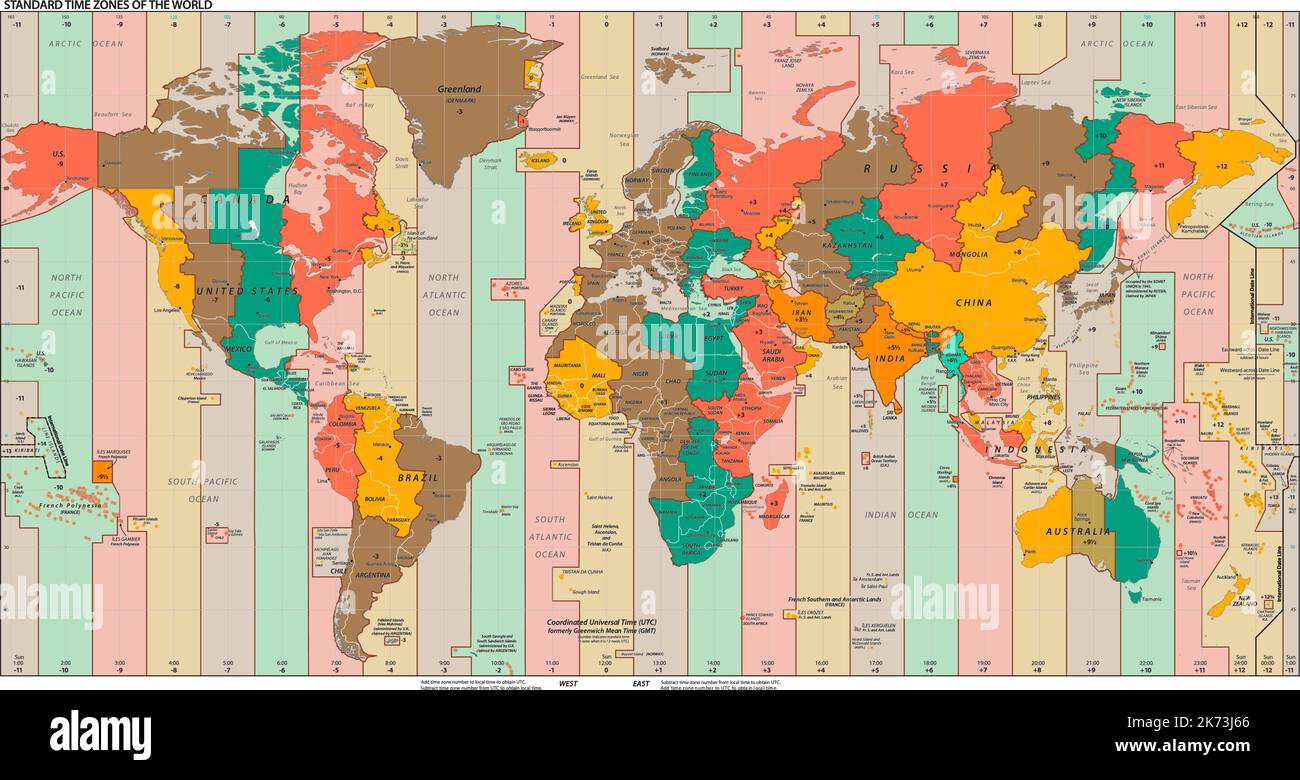
For international coordination, individuals must calculate the precise offset relative to UTC, keeping in mind that the transition dates for daylight saving time in Europe (such as British Summer Time or Central European Summer Time) do not always align with the U.S. transition calendar. This discrepancy creates temporary one-hour shifts in meeting windows during the transition weeks of March and October/November.
Common Challenges and Troubleshooting Time Zone Errors
Miscalculating local time in Gaithersburg usually stems from confusion during transition weeks or failing to account for daylight saving changes.
Transition Week Discrepancies
The most frequent scheduling error occurs during the weeks when the United States and other international territories change their clocks on different dates. For instance, European countries typically adjust their clocks on the last Sunday of March and October, whereas the United States shifts on the second Sunday in March and the first Sunday in November. During these multi-week windows, international meeting planners must verify local times manually rather than relying on automated calendar conversions that may miscalculate the gap.
Software and Calendar Settings
Digital calendars, booking platforms, and operating systems generally manage time zone changes automatically if configured correctly. However, users traveling into Gaithersburg from non-observing regions or areas with different offset rules should verify that their device time zones are set to " Eastern Time (US & Canada)" rather than a fixed manual offset. Manual offsets do not update automatically when daylight saving time begins or ends, leading to missed appointments.
Frequently Asked Questions
What specific time zone is Gaithersburg, Maryland, in?
Gaithersburg is in the Eastern Time Zone. It observes Eastern Standard Time (EST, UTC-5) during the winter months and switches to Eastern Daylight Time (EDT, UTC-4) in the spring and summer.
When do clocks change in Gaithersburg?
Clocks in Gaithersburg change twice a year in accordance with U.S. federal policy. Daylight saving time begins on the second Sunday of March (moving clocks forward one hour) and ends on the first Sunday of November (moving clocks back one hour).
Does Gaithersburg stay on standard time year-round?
No. Unlike Arizona and Hawaii, the state of Maryland observes daylight saving time. Therefore, Gaithersburg shifts between UTC-5 and UTC-4 annually.
How many hours behind UTC is Gaithersburg in the summer?
During the summer months while Eastern Daylight Time is active, Gaithersburg is 4 hours behind Coordinated Universal Time (UTC-4).
How can I avoid scheduling errors with clients in Gaithersburg?
Always confirm meeting times using precise time zone identifiers such as "Eastern Time" or "America/New_York" rather than generic abbreviations like "ET," which can occasionally cause ambiguity. Utilize scheduling software that automatically accounts for regional daylight saving rules.
Next Actions for Accurate Scheduling
To ensure seamless coordination with contacts, businesses, or municipal services in Gaithersburg, verify your calendar applications are updated to automatically reflect North American Eastern Time rules. When planning multi-region virtual events across the spring and autumn transition dates, double-check meeting times manually to account for the mismatched transition schedules between the United States and international partners.
Image Gallery