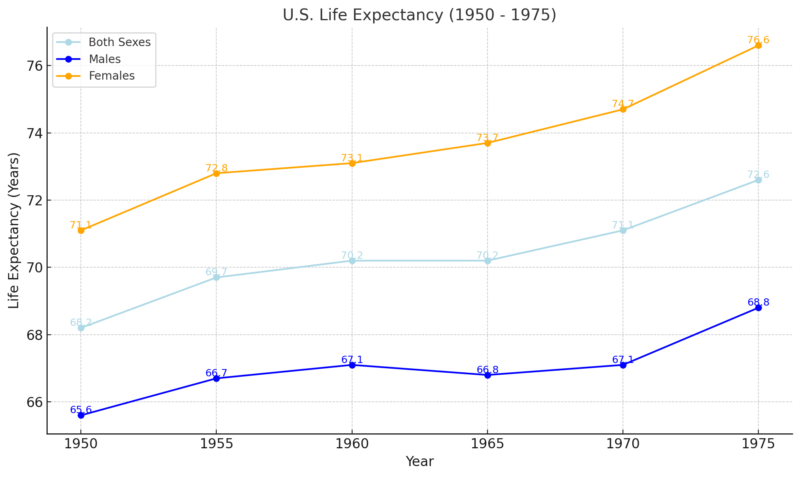
Women’s Life Expectancy in the US: Current Trends and Why the Data Matters in 2026
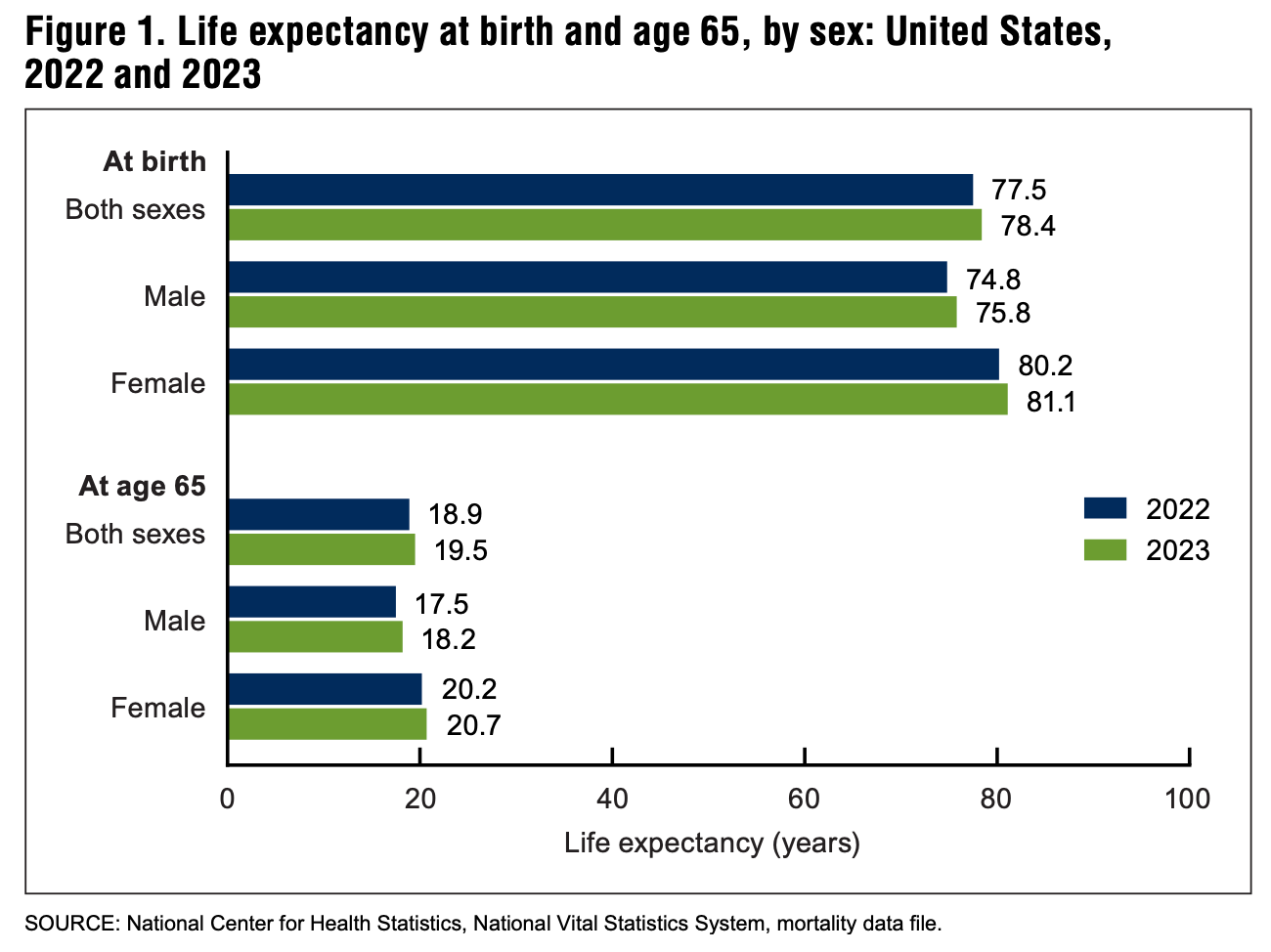
As of 2026, the life expectancy for women in the United States stands at approximately 80.2 years. While this reflects a recovery from the sharp declines seen during the early 2020s, it remains lower than that of many other high-income...
As of 2026, the life expectancy for women in the United States stands at approximately 80.2 years. While this reflects a recovery from the sharp declines seen during the early 2020s, it remains lower than that of many other high-income nations, highlighting critical issues in healthcare access, maternal health, and chronic disease management.
Contents
Understanding the trajectory of female longevity is not merely a statistical exercise; it is a vital metric for public health, economic planning, and social policy. Life expectancy serves as a "canary in the coal mine" for the general well-being of a population. When women’s life expectancy stalls or fluctuates, it signals deep-seated issues within the social fabric, ranging from the quality of postpartum care to the effectiveness of preventative screenings for cardiovascular disease.
The Current Landscape of Longevity in 2026
The figures reported by the National Center for Health Statistics (NCHS) for 2026 indicate a period of stabilization. After the historic drop in life expectancy caused by the COVID-19 pandemic and the subsequent "tripledemic" of respiratory illnesses in the mid-2020s, the slight rebound to 80.2 years is a sign of resilience. However, this number must be viewed in the context of the "longevity gap" both between genders and between the U.S. and its international peers.
Historically, women have consistently outlived men. In 2026, the gap between female and male life expectancy is roughly 5.4 years. While women live longer, they do not necessarily live these additional years in better health. This phenomenon, often called the "morbidity-mortality paradox," suggests that while women survive longer, they often face higher rates of disability and chronic illness in their later years.
Historical Comparison: A Decade of Volatility
To understand where we are in 2026, we must look at the preceding decade. In 2019, U.S. female life expectancy was roughly 81.4 years. The subsequent decline to under 79 years by 2021 was a shock to the public health system. The recovery to the current 80.2 years has been slow, hampered by what experts call "deaths of despair"—overdoses and suicides—and a persistent rise in metabolic syndromes like Type 2 diabetes and hypertension.
| Year | Female Life Expectancy (US) | Male Life Expectancy (US) | The Gender Gap (Years) |
|---|---|---|---|
| 2019 | 81.4 | 76.3 | 5.1 |
| 2021 | 79.1 | 73.2 | 5.9 |
| 2024 | 79.9 | 74.5 | 5.4 |
| 2026 (Est.) | 80.2 | 74.8 | 5.4 |
Why Women Live Longer: Biological and Behavioral Factors
The biological advantage of women is well-documented but complex. Genetics play a significant role; the double X chromosome provides a "backup" for certain genetic mutations that might be fatal or life-shortening in males (who have an XY pair). Furthermore, estrogen serves as a natural antioxidant and provides a level of cardiovascular protection that persists until menopause.
However, biology is only part of the story. Behavioral patterns significantly influence the 5.4-year gap seen in 2026:
- Healthcare Utilization: Statistically, women are more likely to visit primary care physicians and participate in preventative screenings, such as mammograms and pap smears.
- Risk-Taking Behavior: Men historically engage in higher-risk activities, leading to higher rates of accidental death and injury.
- Social Connectivity: Stronger social networks among women have been linked to lower levels of cortisol and better long-term mental health outcomes, which correlate with physical longevity.
Factors Dragging Down the US Average
Despite these advantages, the U.S. lags behind countries like Japan, Switzerland, and Spain, where female life expectancy frequently exceeds 85 or even 87 years. Several U.S.-specific factors contribute to this "longevity penalty."
The Maternal Mortality Crisis
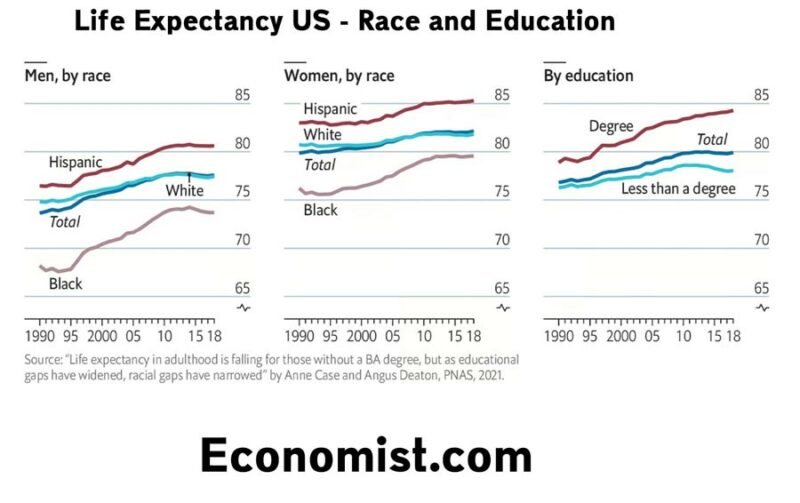
One of the most distressing factors in 2026 is the persistent maternal mortality rate. The U.S. continues to have the highest rate of maternal deaths among developed nations. This is particularly acute for Black women, who face mortality rates two to three times higher than white women, regardless of income or education levels. These preventable deaths significantly weigh down the overall life expectancy average and reflect systemic failures in postpartum support and cardiovascular monitoring during pregnancy.
Chronic Disease and Obesity
The prevalence of obesity-related complications—specifically heart disease and stroke—remains the leading cause of death for women in the U.S. In 2026, data suggests that over 40% of adult women are classified as obese. This leads to an earlier onset of chronic conditions that, while manageable with expensive medical intervention, ultimately shorten the lifespan and reduce the quality of life in the final decade.
Mental Health and Deaths of Despair
While often associated with men, "deaths of despair" (substance abuse, alcoholism, and suicide) have risen sharply among women in the last decade. The opioid epidemic, in particular, has seen a demographic shift, with more women in the 45-64 age bracket being affected by prescription and synthetic opioid overdoses.
Why This Data Matters for Social and Economic Policy
The specific number—80.2 years—matters because it dictates the structure of American life. From the federal budget to individual household planning, life expectancy data is the foundation of long-term strategy.
1. Retirement and Financial Security
Women generally retire with less capital than men due to the gender wage gap and time taken out of the workforce for caregiving. However, they must make that smaller nest egg last significantly longer. In 2026, financial advisors increasingly use "longevity risk" as a primary focus for female clients. If a woman reaches age 65, she has a high probability of living into her 90s, requiring a financial strategy that accounts for 30 years of post-work life.
2. Healthcare Resource Allocation
As the female population ages, the demand for geriatric care, memory care, and long-term care facilities increases. Because women often outlive their spouses, they are more likely to live alone in their final years, placing a greater burden on professional care networks and Medicaid. The 2026 data helps the Department of Health and Human Services (HHS) project the necessary number of nursing beds and home-health aides required for the next decade.
3. Social Security Sustainability
Social Security is the primary source of income for many elderly women. Changes in life expectancy directly impact the solvency of the Social Security Trust Fund. If life expectancy begins to climb again without a corresponding increase in the retirement age or payroll taxes, the system faces increased strain. Conversely, the stagnation of life expectancy in the US compared to Europe suggests that Americans are "paying in" but receiving fewer years of benefits than their international counterparts.
The Role of Socioeconomic and Regional Disparity
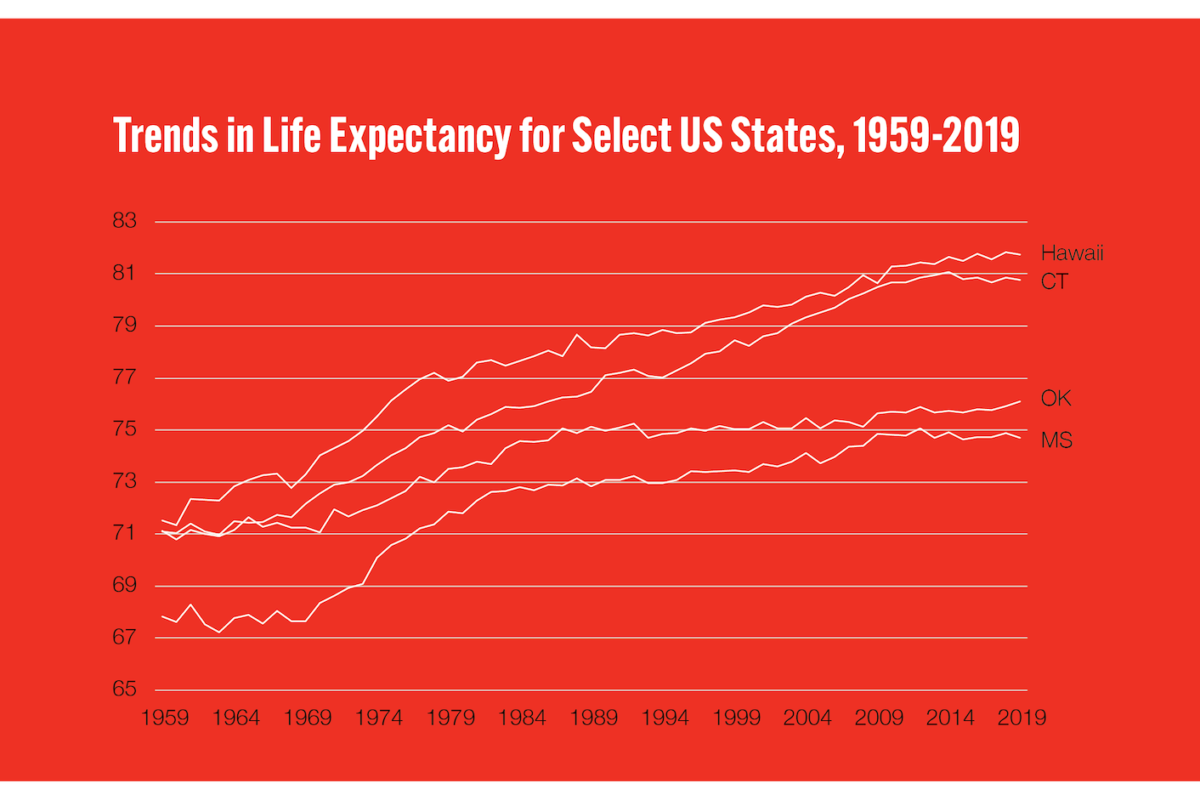
National averages often mask deep regional inequalities. In 2026, a woman living in Hawaii or Massachusetts can expect to live nearly 5 to 7 years longer than a woman living in Mississippi or West Virginia.
These disparities are driven by:
- Medicaid Expansion: States that expanded Medicaid under the Affordable Care Act have seen more stable life expectancy rates due to better management of chronic conditions like hypertension.
- Environmental Factors: Access to clean air, walkable cities, and "food deserts" directly impacts metabolic health.
- Economic Opportunity: Lower-income women often work multiple jobs with high stress and low physical safety, leading to "weathering"—a process of premature aging at the cellular level.
Actionable Steps: Improving Personal Longevity
While policy changes take time, individuals can use this data to inform their own health journeys. The Centers for Disease Control and Prevention (CDC) emphasizes that up to 40% of the leading causes of death are preventable.
- Cardiovascular Monitoring: Heart disease is the "silent killer" of women. Regular monitoring of blood pressure and cholesterol, starting in the 30s, is essential.
- Mental Health Support: Reducing the stigma around seeking help for depression and anxiety can mitigate the risk of "deaths of despair."
- Preventative Screenings: Adhering to the 2026 guidelines for cancer screenings can catch issues when they are most treatable.
- Strength Training: To combat the morbidity paradox, women should focus on bone density and muscle mass through resistance training to ensure their "extra" years are spent in an active, mobile state.
Frequently Asked Questions
Why is the US life expectancy lower than other wealthy countries?
The US spends more on healthcare per capita than any other nation, yet it suffers from fragmented care, high costs that deter preventative visits, and a higher prevalence of violence and drug-related deaths. While other nations have centralized systems that prioritize primary care, the US system is often reactive rather than proactive.
How does the 2026 life expectancy compare to 20th-century trends?
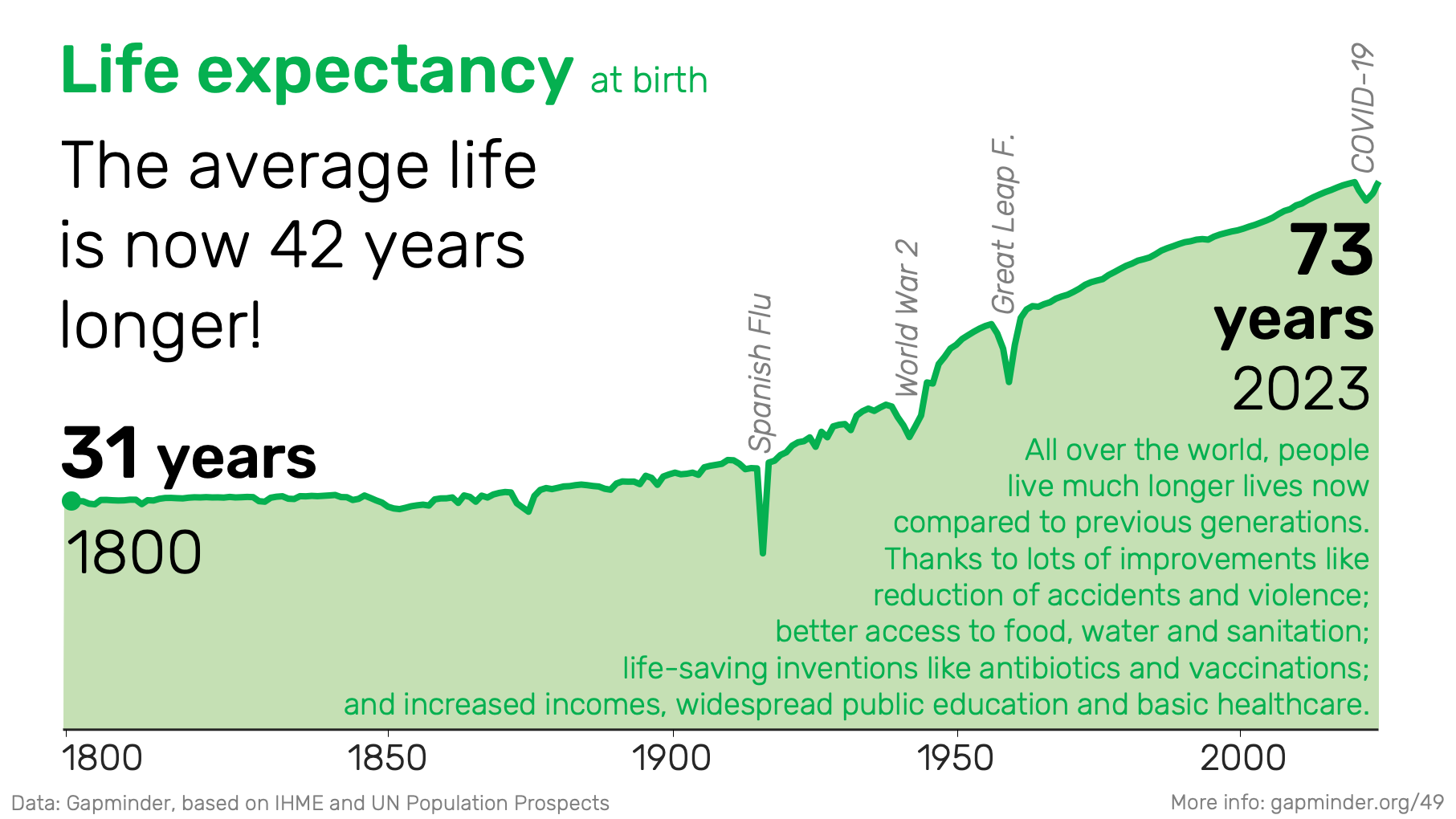
In 1900, women lived to an average of 48 years. The massive leap in the 20th century was due to improved sanitation, vaccines, and better maternal care. The current stagnation suggests that we have hit a plateau where infectious diseases have been replaced by lifestyle and systemic social issues as the primary barriers to longevity.
Does the gender gap in life expectancy mean women are "healthier"?
Not necessarily. While women live longer, they often report lower "health-related quality of life." They are more likely to suffer from non-fatal but debilitating conditions such as autoimmune diseases, arthritis, and Alzheimer’s disease.
What is the biggest threat to female life expectancy in the next decade?
Public health experts point to the "metabolic crisis"—the intersection of obesity, diabetes, and heart disease—alongside the rising costs of elder care, which can lead to poverty-related health declines in the oldest segments of the population.
How does ethnicity affect women’s life expectancy in 2026?
Hispanic women in the US historically have the highest life expectancy (the "Hispanic Paradox"), often outliving white women despite lower average incomes. Conversely, Black and Indigenous women face significantly lower life expectancies due to systemic disparities in healthcare quality and socioeconomic stressors.
Final Recommendation
For policy-makers and individuals alike, the 2026 life expectancy data is a call to action. To ensure that the slight recovery in longevity becomes a sustained trend, the focus must shift from merely "surviving" to "thriving." This requires a twofold approach: aggressive intervention in maternal health and chronic disease management at the policy level, and a personal commitment to long-term preventative health and financial planning. Staying informed through official sources like the National Institutes of Health (NIH) is the first step in navigating the complexities of modern longevity.
Image Gallery