Understanding Time Zone Conversions: Why 1 P.M. Pacific Daylight Time Is 4 P.M. Eastern Daylight Time
When you convert 1 p.m. Pacific Daylight Time (PDT) to Eastern Daylight Time (EDT), the result is 4 p.m. This three-hour difference is a constant rule for communication, business operations, and scheduling across the contiguous United...
When you convert 1 p.m. Pacific Daylight Time (PDT) to Eastern Daylight Time (EDT), the result is 4 p.m. This three-hour difference is a constant rule for communication, business operations, and scheduling across the contiguous United States, provided that both regions are observing daylight saving time or both are on standard time.
Contents
The Mechanics of Time Zones in the United States
The United States is divided into several time zones, primarily determined by longitude. The Pacific Time Zone (PT) covers the West Coast, while the Eastern Time Zone (ET) covers the Atlantic coast. The specific designation of "Daylight Time" refers to the period during the year when clocks are advanced by one hour to extend evening daylight.
Because these two zones are separated by the Mountain and Central time zones, they maintain a consistent gap. When it is 1:00 p.m. in the Pacific time zone, the sun is at a different relative position in the sky compared to the Eastern seaboard. By the time the clock strikes 1:00 p.m. in Los Angeles, the Eastern time zone has already progressed three hours further into the day, reaching 4:00 p.m.
This relationship holds steady regardless of whether the country is observing Daylight Saving Time (DST) or Standard Time (ST). While the labels change—for example, moving from Pacific Standard Time (PST) to Pacific Daylight Time (PDT)—the mathematical offset of three hours remains locked. This consistency is essential for maintaining synchronized financial markets, logistics, and television broadcasting across the country.
Daylight Saving Time and the Seasonal Shift
It is a common point of confusion to wonder if the time difference changes during the "spring forward" or "fall back" transitions. The answer is no; the offset remains three hours throughout the entire year.
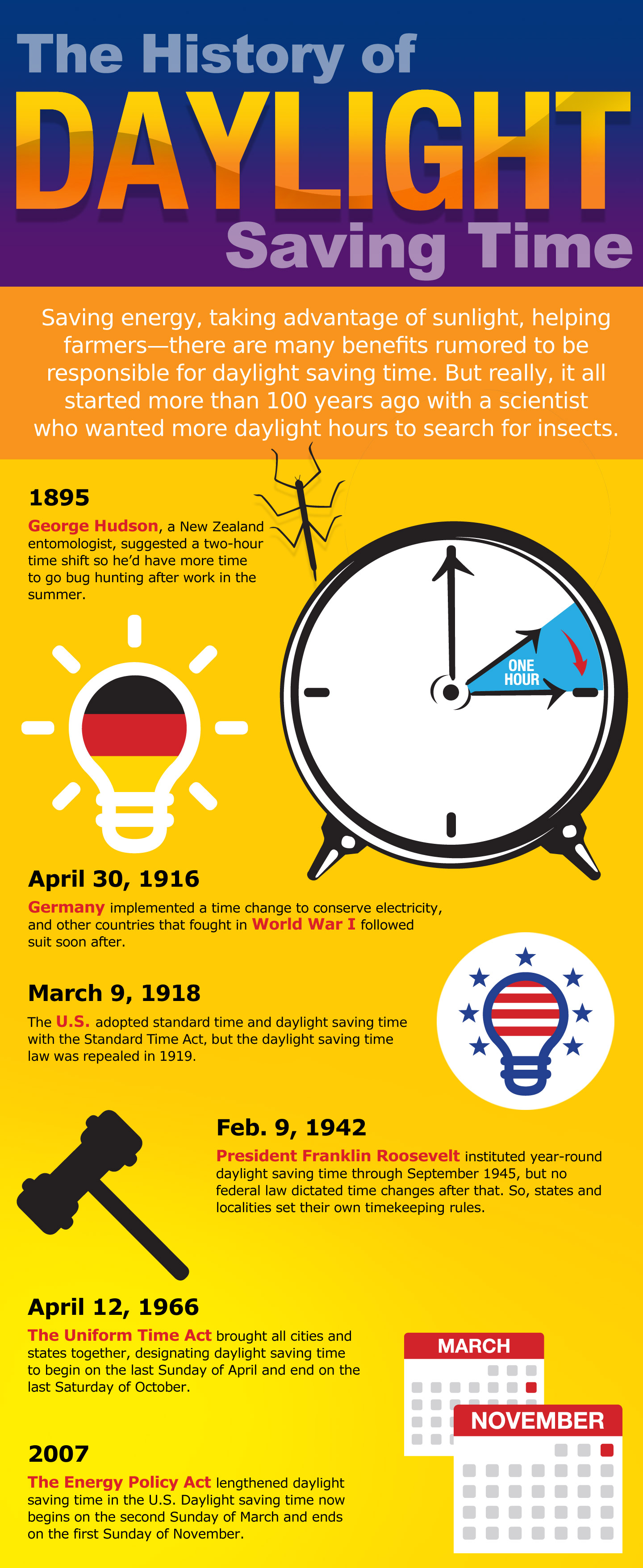
In 2026, the United States observes the Uniform Time Act of 1966. This federal law dictates that daylight saving time begins on the second Sunday of March and ends on the first Sunday of November. During these dates, both the Pacific and Eastern time zones shift their clocks simultaneously.
Because both regions participate in these changes at the same time, the relative difference of three hours is preserved. The only exceptions occur in territories that do not observe daylight saving time, such as parts of Arizona or Hawaii. However, within the standard Pacific and Eastern zones, you will always add three hours to the Pacific time to arrive at the Eastern time.
Practical Applications of Time Zone Awareness
For professionals, students, and travelers, understanding this three-hour gap is vital for productivity. When scheduling a video conference or a collaborative project, failure to account for this shift often leads to missed meetings or inefficient workflows.
Business Operations
If you are managing a team split between San Francisco and New York, the "golden window" for communication is often compressed. A 1:00 p.m. PDT meeting start time is effectively 4:00 p.m. EDT. If your East Coast team members conclude their workday at 5:00 p.m. EDT, they only have one hour of overlap with that 1:00 p.m. PDT meeting. Managers must be cognizant of these constraints to avoid scheduling meetings that extend beyond the standard working hours of their counterparts.
Financial Markets
Stock markets provide a perfect illustration of the importance of this conversion. The New York Stock Exchange (NYSE) operates on Eastern Time. When the market opens at 9:30 a.m. ET, it is 6:30 a.m. PT. Traders on the West Coast must align their schedules to the East Coast time to ensure they are active when the market opens. Conversely, when the market closes at 4:00 p.m. ET, it is 1:00 p.m. PT, marking the end of the primary trading day for the entire nation.
Comparison of Regional Time Offsets
The following table illustrates the consistent three-hour gap between the two major coastal time zones in the U.S. during daylight hours.
| Pacific Daylight Time (PDT) | Eastern Daylight Time (EDT) | Context/Event |
|---|---|---|
| 8:00 a.m. | 11:00 a.m. | Mid-morning business start |
| 12:00 p.m. | 3:00 p.m. | Early afternoon |
| 1:00 p.m. | 4:00 p.m. | Primary subject conversion |
| 2:00 p.m. | 5:00 p.m. | Standard end of workday (ET) |
| 5:00 p.m. | 8:00 p.m. | Evening shift or news cycle |
Common Challenges and Mistakes
The most frequent error in time conversion occurs when people assume that the time difference might fluctuate based on the date. Users often search for conversion tools specifically during the weeks surrounding the start and end of daylight saving time, fearing that the gap might widen or narrow.
Another frequent mistake involves international colleagues. If you are communicating with someone in Europe or Asia, it is easy to forget that the U.S. shift to or from daylight saving time may not align with the date that other countries change their clocks. Always verify the specific date of the "time jump" in the other jurisdiction to ensure your calculation remains accurate.
If you are using digital tools like Google Calendar, Outlook, or smartphone clock apps, these platforms generally handle the conversion for you. However, you must ensure that your device is set to the correct local time zone. If your laptop clock is incorrectly set to Eastern Time while you are physically located in the Pacific Time zone, your digital notifications will be three hours early, leading to significant scheduling errors.
Troubleshooting Your Time Conversion
If you find yourself frequently confused by time differences, consider these steps to eliminate human error:
- Use Universal Coordinated Time (UTC): Professionals in global logistics often ignore local time zones entirely and conduct all operations in UTC. By converting your local time to UTC, you can calculate the difference between any two regions mathematically.
- Enable World Clocks: On most smartphones, you can add "World Clocks" to your widget screen. By adding New York and Los Angeles to your home screen, you can visualize the 4:00 p.m. versus 1:00 p.m. relationship at a glance without doing mental math.
- Verify Meeting Invites: When sending an invitation via email or calendar software, always include the time zone abbreviation (e.g., "1:00 p.m. PDT"). This forces the recipient to see the intended time, and if their software is set up correctly, it will automatically adjust for their local view.
Frequently Asked Questions
Does the three-hour difference exist during the winter months? Yes. During the winter, when the U.S. observes Standard Time (PST and EST), the three-hour difference remains exactly the same. The conversion simply shifts from PDT/EDT to PST/EST, but the math remains consistent.
What happens if I forget to account for the three-hour difference? Missing a meeting or deadline is the most common result. In professional environments, this can lead to missed opportunities or perceived lack of preparedness. Always double-check the time zone of the person you are contacting.
Are there any U.S. states where the time conversion is different? Yes, Arizona (with few exceptions for the Navajo Nation) does not observe daylight saving time. If you are communicating with someone in Arizona during the summer, the offset between their time and Eastern Daylight Time will temporarily change because they remain on Mountain Standard Time.
What is the best way to convert time for international calls? Use a dedicated time zone converter website or the "World Clock" feature on your smartphone. These tools are updated with the latest geographic and seasonal data to prevent errors during transition weeks.
Final Recommendation
When scheduling across the Pacific and Eastern time zones, always define the time zone explicitly in your correspondence. If you are the person in the Pacific time zone, remember that your colleagues in the East are three hours ahead. If you have a task that must be completed by their end-of-day (5:00 p.m. ET), your own deadline is 2:00 p.m. PT. By internalizing this three-hour offset, you can manage your professional and personal commitments with precision.
Image Gallery