Top White-Collar Criminals: Notorious Cases of Financial Fraud and Deception
White-collar criminals are individuals who commit non-violent, financially motivated crimes, typically involving deception, concealment, or a violation of trust within professional environments. Notorious figures such as Bernie Madoff,...
White-collar criminals are individuals who commit non-violent, financially motivated crimes, typically involving deception, concealment, or a violation of trust within professional environments. Notorious figures such as Bernie Madoff, Kenneth Lay, and Sam Bankman-Fried represent the "top" of this category due to the multi-billion-dollar scale of their frauds and the systemic damage they caused to global financial markets.
Contents
Defining White-Collar Crime and Its Socioeconomic Impact
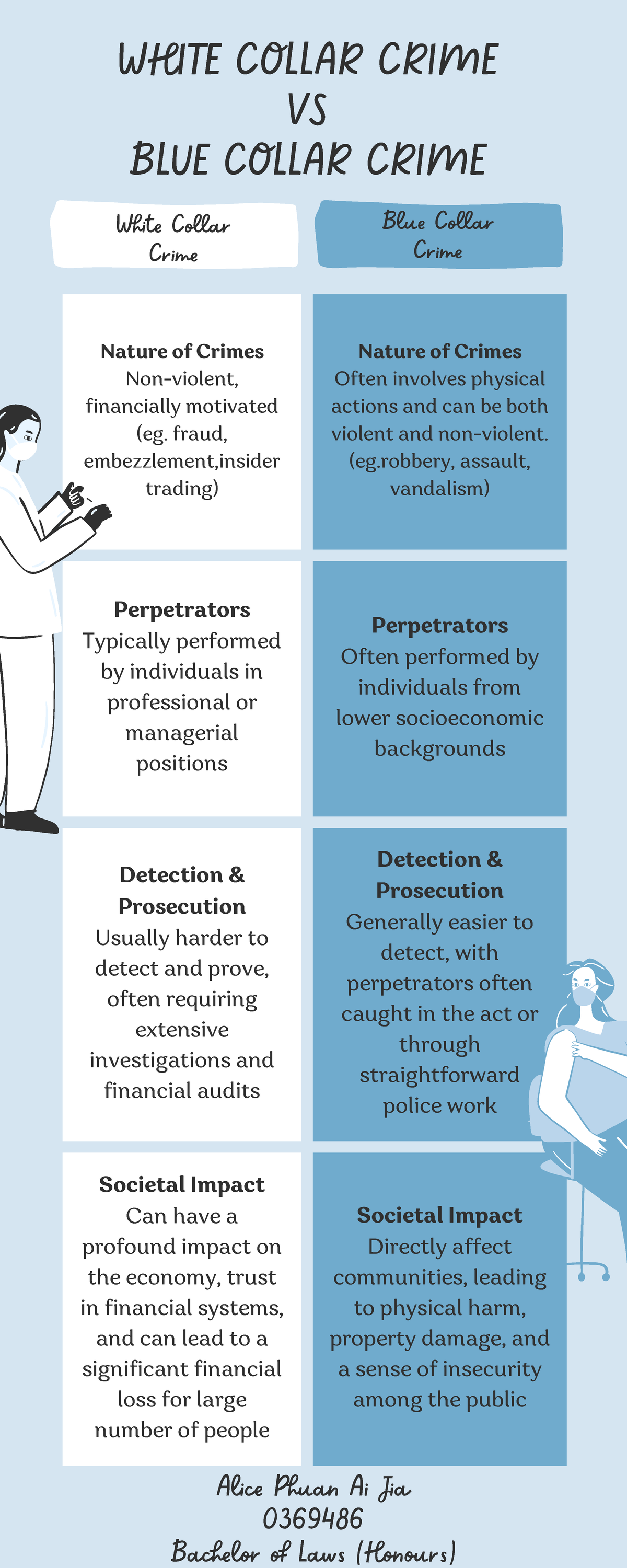
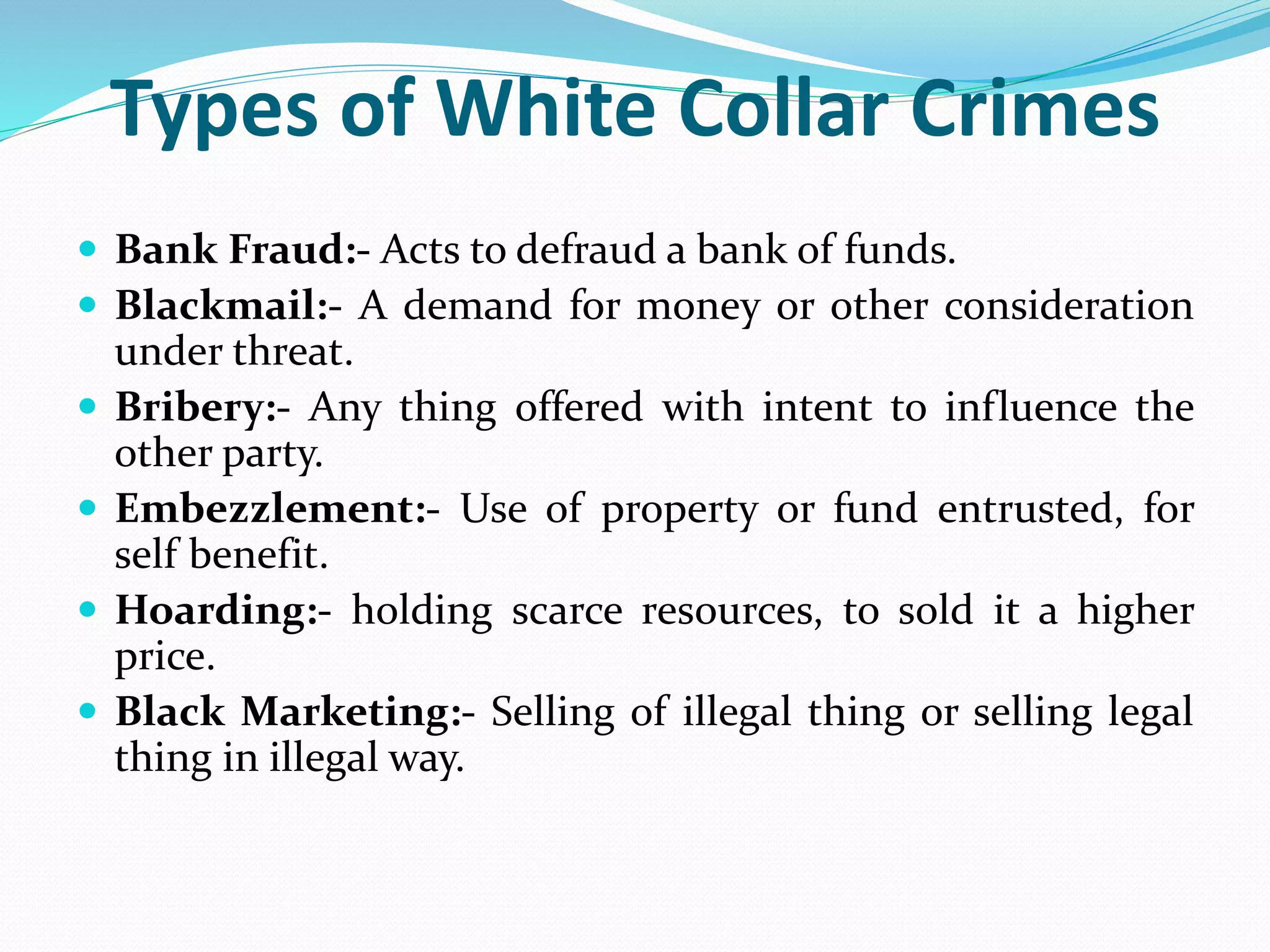
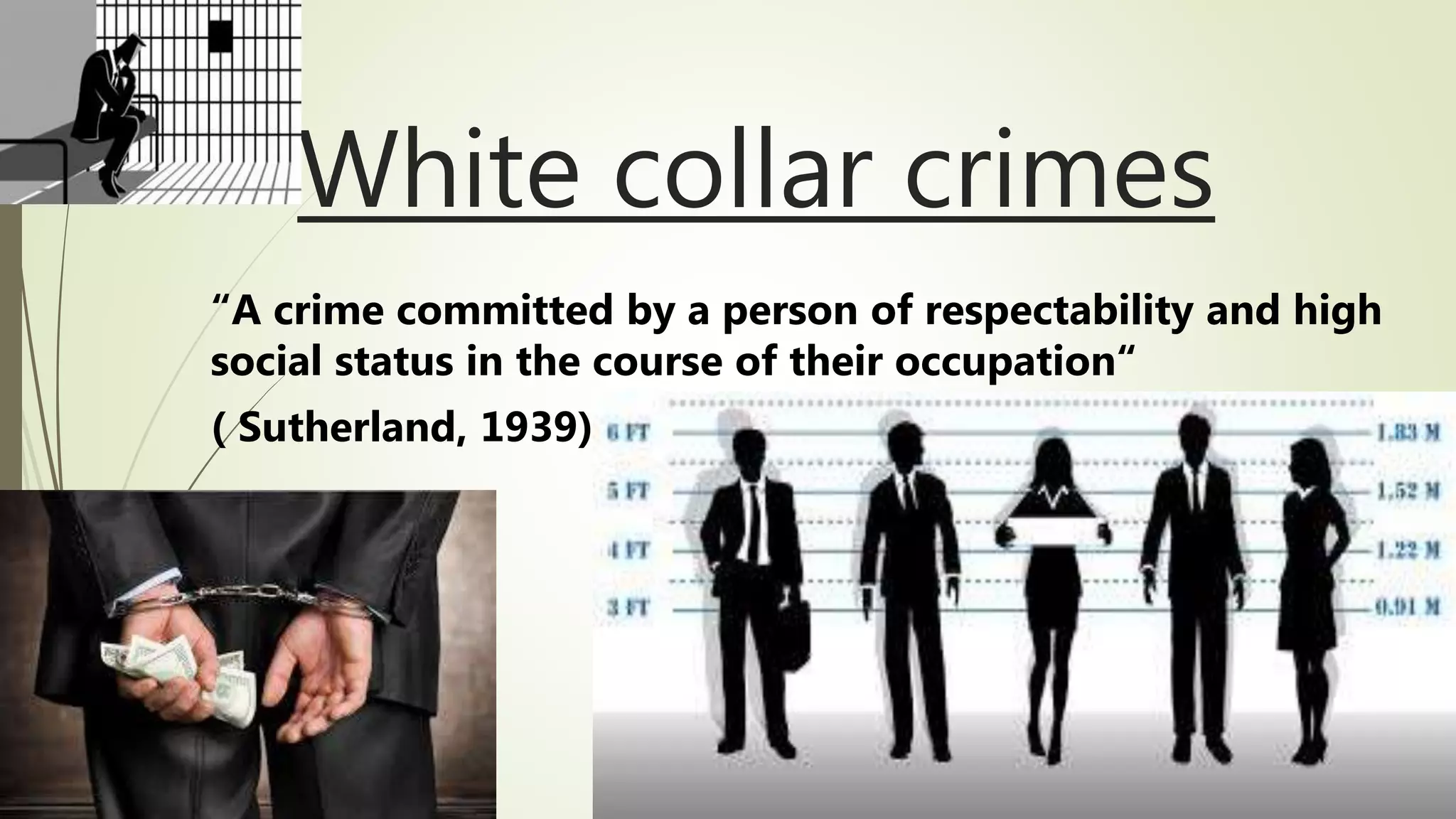
White-collar crime, a term coined by sociologist Edwin Sutherland in 1939, refers to "a crime committed by a person of respectability and high social status in the course of his occupation." Unlike "blue-collar" crimes, which often involve physical force or immediate property damage, white-collar crimes are characterized by sophistication and the use of specialized knowledge. As of 2026, the complexity of these crimes has evolved with digital assets and globalized banking, but the core mechanics—fraud, bribery, insider trading, and embezzlement—remain consistent.
The impact of these crimes extends far beyond immediate financial loss. When a major corporation collapses due to accounting fraud, thousands of employees lose their jobs and retirement savings, and public trust in the financial system is eroded. For instance, the Enron scandal did not just bankrupt a company; it led to the dissolution of Arthur Andersen, one of the world's "Big Five" accounting firms, and necessitated the creation of the Sarbanes-Oxley Act to overhaul corporate governance. The scale of these crimes often requires years of forensic accounting and international cooperation between agencies like the Federal Bureau of Investigation (FBI) and the Securities and Exchange Commission (SEC) to untangle.
The Architects of the Largest Ponzi Schemes
A Ponzi scheme is perhaps the most recognizable form of white-collar crime, where earlier investors are paid using the capital of newer investors rather than from actual profit. While Charles Ponzi lent his name to the practice in the 1920s, modern criminals have scaled it to unprecedented heights.
Bernie Madoff: The $64 Billion Deception
Bernie Madoff remains the most infamous white-collar criminal in history. As the former chairman of the NASDAQ, Madoff maintained an air of legitimacy that allowed him to defraud thousands of investors, including charities, celebrities, and major banks. He claimed to use a "split-strike conversion" strategy to ensure consistent returns, but in reality, he simply deposited investor funds into a Chase Manhattan bank account and paid out withdrawals from that pool.
His scheme collapsed during the 2008 financial crisis when redemption requests exceeded his available cash. In 2009, Madoff was sentenced to 150 years in prison—the maximum allowed—after pleading guilty to 11 federal felonies. His case serves as a cautionary tale about the dangers of "affinity fraud," where criminals exploit the trust of specific communities or social circles.
Charles Ponzi and the Origins of the Scheme
Charles Ponzi’s 1920 operation involved international reply coupons for postage. He promised investors a 50% profit in 45 days. While he only took in about $20 million (approximately $300 million in 2026 dollars), the structural simplicity and audacity of his fraud set the template for over a century of financial predators. His downfall occurred when the Boston Post began investigating his business model, leading to a run on his "company" that he could not fulfill.
Corporate Malfeasance and Accounting Scandals
Corporate fraud often involves "cooking the books" to make a company appear more profitable than it actually is. This is typically done to inflate stock prices or secure loans that the company could not otherwise afford.
Kenneth Lay and the Enron Scandal
Enron was once the seventh-largest company in the United States. Its collapse in 2001 was driven by a massive accounting fraud orchestrated by founder Kenneth Lay and CEO Jeffrey Skilling. They utilized Special Purpose Entities (SPEs) to hide billions of dollars in debt from the company's balance sheet while prematurely recording future profits.
When the shell companies were exposed, Enron’s stock plummeted from nearly $90 per share to less than $1. Kenneth Lay was convicted on multiple counts of securities and wire fraud in 2006 but died before his sentencing. The Enron case fundamentally changed how the Department of Justice (DOJ) pursues corporate entities and led to stricter transparency requirements for publicly traded companies.
Bernard Ebbers and the WorldCom Collapse
Shortly after Enron, WorldCom—then the second-largest long-distance telephone company in the U.S.—admitted to inflating its assets by $11 billion. CEO Bernard Ebbers directed subordinates to classify operating expenses as capital expenditures, which allowed the company to hide losses and report false profits. Ebbers was sentenced to 25 years in prison in 2005. His case highlighted the vulnerability of large-scale telecommunications infrastructure to internal executive corruption.
Modern Frauds: The Intersection of Tech and Finance
As we look at the landscape in 2026, the most prominent recent white-collar crimes involve technology startups and cryptocurrency, where rapid growth often outpaces regulatory oversight.
Elizabeth Holmes and the Theranos Myth
Elizabeth Holmes, the founder of Theranos, became a symbol of the "fake it till you make it" culture gone wrong. She claimed her company had developed technology that could perform hundreds of medical tests with just a few drops of blood. However, the technology was non-functional, and the company used third-party machines to run tests. Holmes was convicted in 2022 of defrauding investors of hundreds of millions of dollars and began serving an 11.25-year sentence in 2023. Her case emphasized that white-collar crime in the medical sector can have life-threatening consequences when diagnostic data is falsified.
Sam Bankman-Fried and the FTX Collapse
The collapse of the cryptocurrency exchange FTX in late 2022 represented one of the largest financial frauds in the digital age. Sam Bankman-Fried (SBF) was found guilty of diverting billions of dollars in customer funds from FTX to his private hedge fund, Alameda Research, to cover losses, make political donations, and purchase luxury real estate. SBF was sentenced to 25 years in federal prison in March 2024. This case prompted a global crackdown on the crypto industry, leading to more rigorous "Know Your Customer" (KYC) and anti-money laundering (AML) regulations that remain the standard in 2026.
Notable Figures in Market Manipulation and Insider Trading
Insider trading involves trading a public company's stock or other securities based on material, non-public information. This undermines market integrity by giving certain participants an unfair advantage.
| Individual | Key Entity | Primary Crime | Estimated Loss/Fraud Scale | Legal Outcome |
|---|---|---|---|---|
| Bernie Madoff | BLMIS | Ponzi Scheme | $64.8 Billion | 150 Years (Died in Prison) |
| Sam Bankman-Fried | FTX | Wire Fraud/Conspiracy | $8 Billion - $10 Billion | 25 Years |
| Kenneth Lay | Enron | Securities Fraud | $11 Billion (Market Cap) | Convicted (Died before sentencing) |
| Bernard Ebbers | WorldCom | Accounting Fraud | $11 Billion | 25 Years |
| Elizabeth Holmes | Theranos | Wire Fraud | $700+ Million | 11.25 Years |
| Raj Rajaratnam | Galleon Group | Insider Trading | $63.8 Million (Profit) | 11 Years |
| Jordan Belfort | Stratton Oakmont | Penny Stock Fraud | $200 Million | 22 Months + Restitution |
Raj Rajaratnam and the Galleon Group
Raj Rajaratnam, the founder of the Galleon Group hedge fund, was at the center of one of the largest insider trading rings in U.S. history. He utilized a vast network of informants at companies like Intel, IBM, and McKinsey to gain "inside" edges on trades. His 2011 conviction was notable for the government's use of wiretaps—a tool traditionally reserved for organized crime and drug trafficking—to secure evidence in a white-collar case.
How White-Collar Crimes are Investigated and Prosecuted
Investigating "top" white-collar criminals requires a multi-agency approach. Because these crimes often involve complex financial instruments and international jurisdictions, agencies must collaborate to follow the money trail.
- Surveillance and Whistleblowers: Many cases begin with a whistleblower—an insider who reports wrongdoing. The SEC Whistleblower Program, strengthened by the Dodd-Frank Act, provides financial incentives for individuals to report securities violations.
- Forensic Accounting: Investigators must reconstruct financial records, often across dozens of shell companies. They look for "red flags" such as unexplained discrepancies in balance sheets, frequent transfers to offshore accounts, or audits performed by obscure, unqualified firms.
- Grand Jury Indictments: Once evidence is gathered, prosecutors present it to a grand jury to secure an indictment. In white-collar cases, prosecutors often aim for "conspiracy" charges, which allow them to hold high-level executives accountable for the actions of their subordinates.
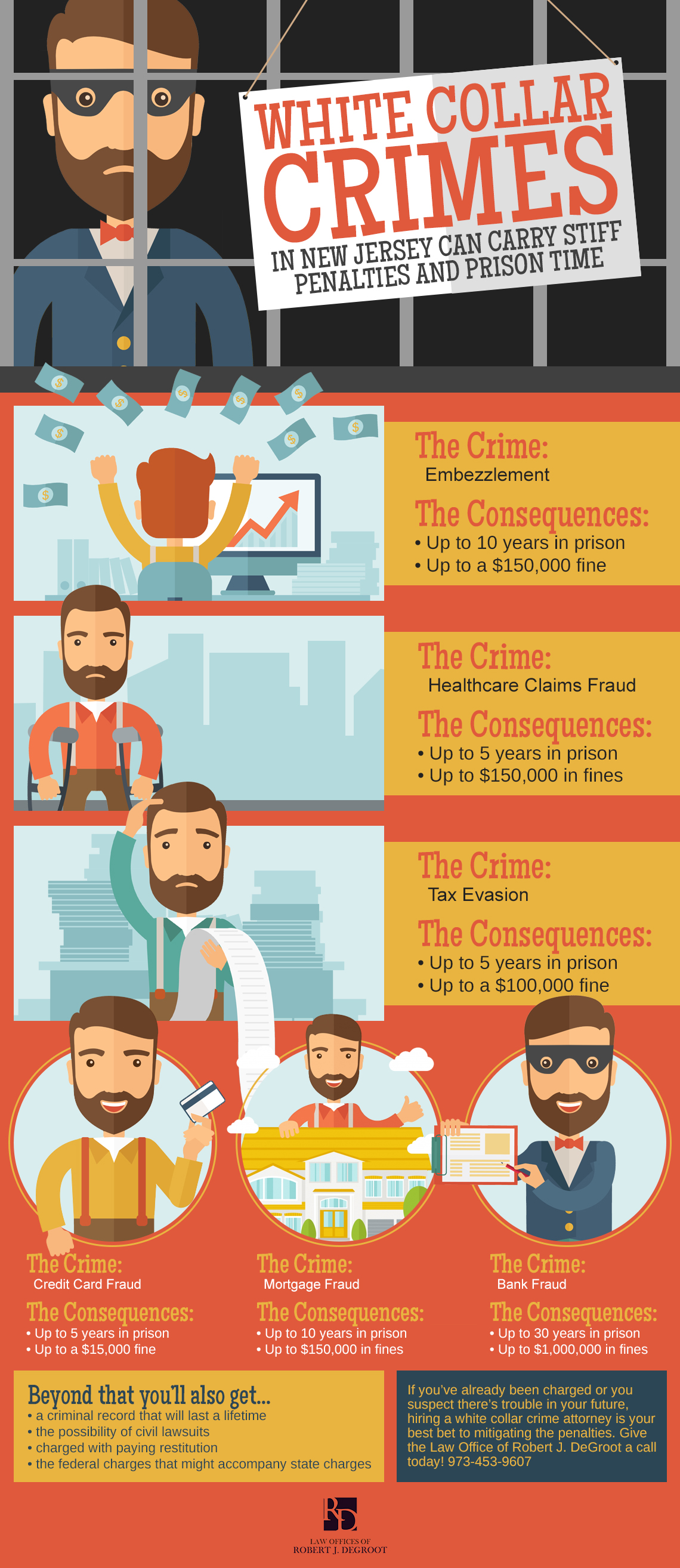
- Sentencing Guidelines: White-collar sentencing in the U.S. is heavily influenced by the "loss amount." The higher the financial damage, the longer the recommended prison term. However, defendants often argue for leniency based on their age, lack of prior criminal record, or cooperation with authorities.
FAQs About White-Collar Criminals
What is the difference between white-collar crime and corporate crime? White-collar crime is a broad category focusing on the individual’s occupation and status (e.g., an accountant embezzling funds). Corporate crime specifically refers to crimes committed by an entire corporation or individuals acting on behalf of a corporation to benefit the entity (e.g., Enron's systematic accounting fraud).
Do white-collar criminals actually go to "Club Fed"? The term "Club Fed" is a colloquialism for minimum-security federal prison camps. While these facilities lack fences and have more "dormitory-style" living, they are still restrictive environments. High-profile criminals with long sentences or those deemed flight risks may be sent to medium or high-security facilities instead.
Can victims of white-collar crime get their money back? Recovery is often difficult. Government agencies like the DOJ and SEC attempt to seize assets through "forfeiture" and return them to victims via a "remission" process. In the Madoff case, a court-appointed trustee has recovered over 90% of the lost principal, but this is a rare exception due to the long duration of the recovery efforts.
Why are white-collar sentences often shorter than violent crime sentences? Historically, the legal system prioritized physical safety, leading to longer sentences for violent acts. However, as the massive societal harm caused by financial fraud became clearer—particularly after the 2008 crisis—federal sentencing guidelines were adjusted to impose significantly harsher penalties for high-value financial crimes.
Protecting Against Financial Fraud
To avoid becoming a victim of white-collar crime, individuals and organizations must practice due diligence. This includes verifying the registration of investment advisors through the Financial Industry Regulatory Authority (FINRA) and being skeptical of "guaranteed" high returns with low risk. In the professional world, maintaining strong internal controls and encouraging a culture of transparency are the best defenses against executive malfeasance. If you suspect financial fraud, reporting it immediately to the SEC or the Internet Crime Complaint Center (IC3) is the most effective next action to take.
Image Gallery