Understanding the ICD 10 Code for Elevated Vitamin D: Clinical Documentation and Coding Guidelines
Accurately documenting vitamin D toxicity requires utilizing specific diagnostic codes within the International Classification of Diseases, Tenth Revision (ICD-10). When a patient presents with abnormally high levels of cholecalciferol...
Accurately documenting vitamin D toxicity requires utilizing specific diagnostic codes within the International Classification of Diseases, Tenth Revision (ICD-10). When a patient presents with abnormally high levels of cholecalciferol or ergocalciferol metabolites, clinicians and medical coders must select the correct category—most notably code E83.59 for other disorders of calcium metabolism or specific poisoning codes when exogenous supplementation is the root cause. Proper documentation ensures precise medical records, facilitates correct health insurance reimbursement, and supports comprehensive epidemiological tracking of nutritional and metabolic disorders.
Contents
Clinical Overview of Elevated Vitamin D Levels
Elevated vitamin D, clinically referred to as hypervitaminosis D, is a metabolic condition characterized by excessive amounts of vitamin D in the body. This state almost exclusively stems from the overuse of high-dose vitamin D supplements rather than excessive sun exposure or dietary intake from unfortified foods, as the skin regulates endogenous production to prevent over-synthesis.
When systemic concentrations of 25-hydroxyvitamin D (25(OH)D) exceed safe thresholds—typically defined in clinical practice as levels rising significantly above normal reference ranges—the physiological consequences can become severe. The primary biochemical manifestation of hypervitaminosis D is hypercalcemia, an elevated level of calcium in the blood. Because vitamin D enhances the body's ability to absorb calcium from the gastrointestinal tract, an excess of the vitamin leads to unregulated calcium influx. This excess calcium spills into the bloodstream, triggering a cascade of clinical symptoms that require medical intervention and precise diagnostic coding.
Physiological Impacts and Symptoms
The clinical presentation of elevated vitamin D is largely driven by hypercalcemia. Patients may experience a wide array of non-specific symptoms that gradually worsen as serum calcium levels climb. Early signs often include:
- Nausea, vomiting, and poor appetite
- Frequent urination (polyuria) and excessive thirst (polydipsia)
- General weakness, fatigue, and muscle aches
- Constipation and abdominal pain
In chronic or severe cases, hypervitaminosis D can lead to more serious medical complications. Persistent hypercalcemia causes calcium deposits to form in soft tissues, blood vessels, and organs such as the kidneys. This can result in nephrocalcinosis, kidney stones, impaired renal function, and, in advanced stages, irreversible renal failure or cardiac arrhythmias.
The ICD-10 Coding Framework for Hypervitaminosis D
Navigating the ICD-10 codebook for elevated vitamin D requires distinguishing between endogenous metabolic disturbances, toxic effects of substances, and nutritional disorders. Because a single, direct code explicitly titled "elevated vitamin D" does not exist in isolation, medical coders must analyze the clinical documentation to choose the most accurate classification.
Primary Diagnostic Categories
Depending on the etiology and the clinical manifestation documented by the attending physician, several ICD-10 categories are routinely utilized:
- E83.59 - Other disorders of calcium metabolism: This code is frequently applied when metabolic disruption involves abnormal calcium regulation secondary to vitamin D imbalances, provided a more specific poisoning code is not indicated.
- T37.8X1A - Poisoning by other specified systemic drugs and biological agents, accidental (unintentional), initial encounter: Used when the elevated vitamin D state is acute and directly caused by an overdose or accidental ingestion of therapeutic vitamin D supplements.
- Z91.89 - Other specified personal history presenting hazards to health: Occasionally utilized in conjunction with other codes to capture a history of long-term excessive supplement use.
To ensure clarity and compliance with official coding guidelines, healthcare organizations rely on structured mappings between clinical diagnoses and billing entries.
| ICD-10 Code | Description | Clinical Context & Usage |
|---|---|---|
| E83.59 | Other disorders of calcium metabolism | Applied when hypercalcemia or calcium metabolic shifts occur due to vitamin D elevation without acute pharmacological poisoning. |
| T37.8X1A | Poisoning by other specified systemic drugs... initial encounter | Used for acute, accidental ingestion or overdose of vitamin D supplements leading to toxicity during the initial phase of treatment. |
| T37.8X4A | Poisoning by other specified systemic drugs... undetermined | Utilized when clinical documentation cannot definitively establish whether the vitamin D excess was accidental, intentional, or self-inflicted. |
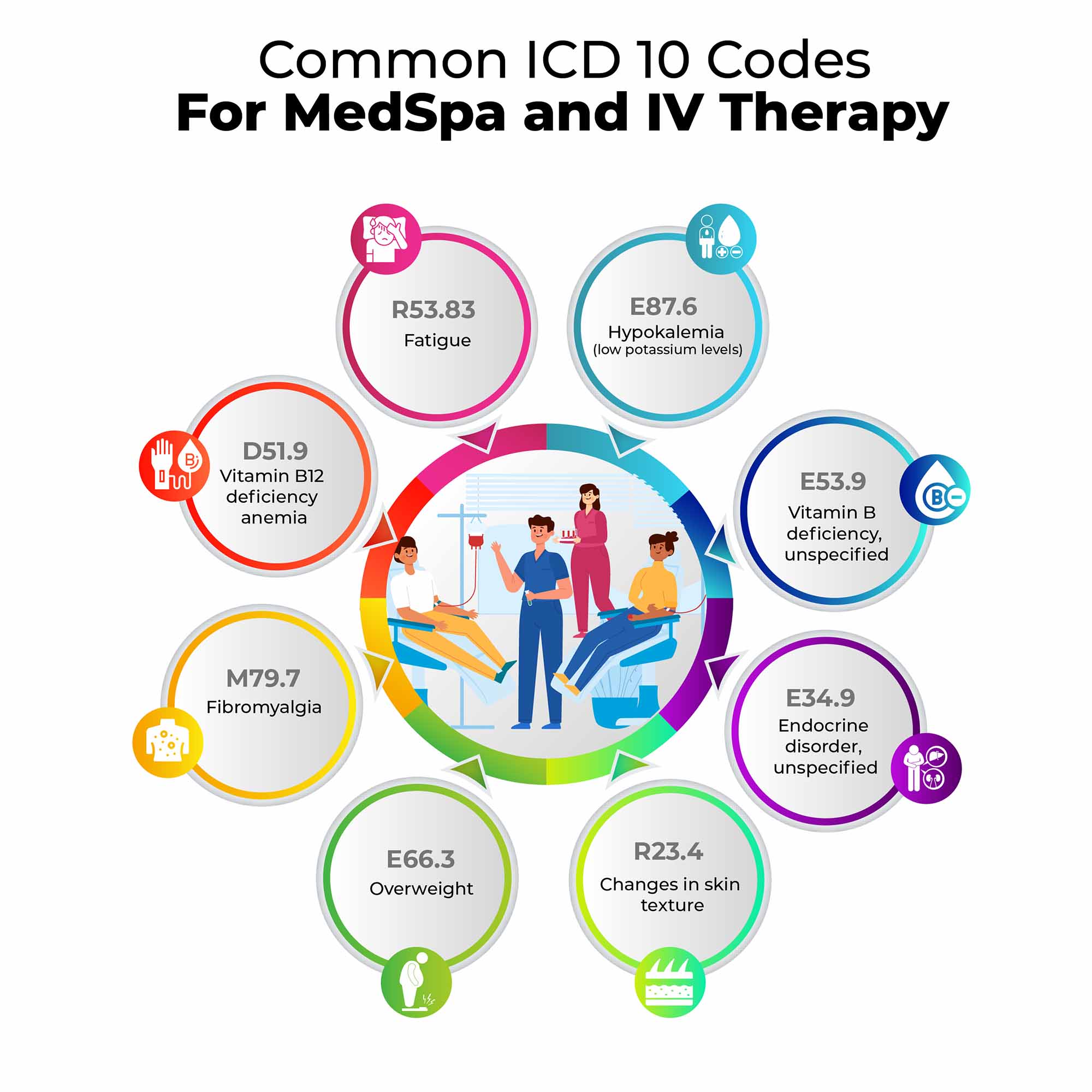
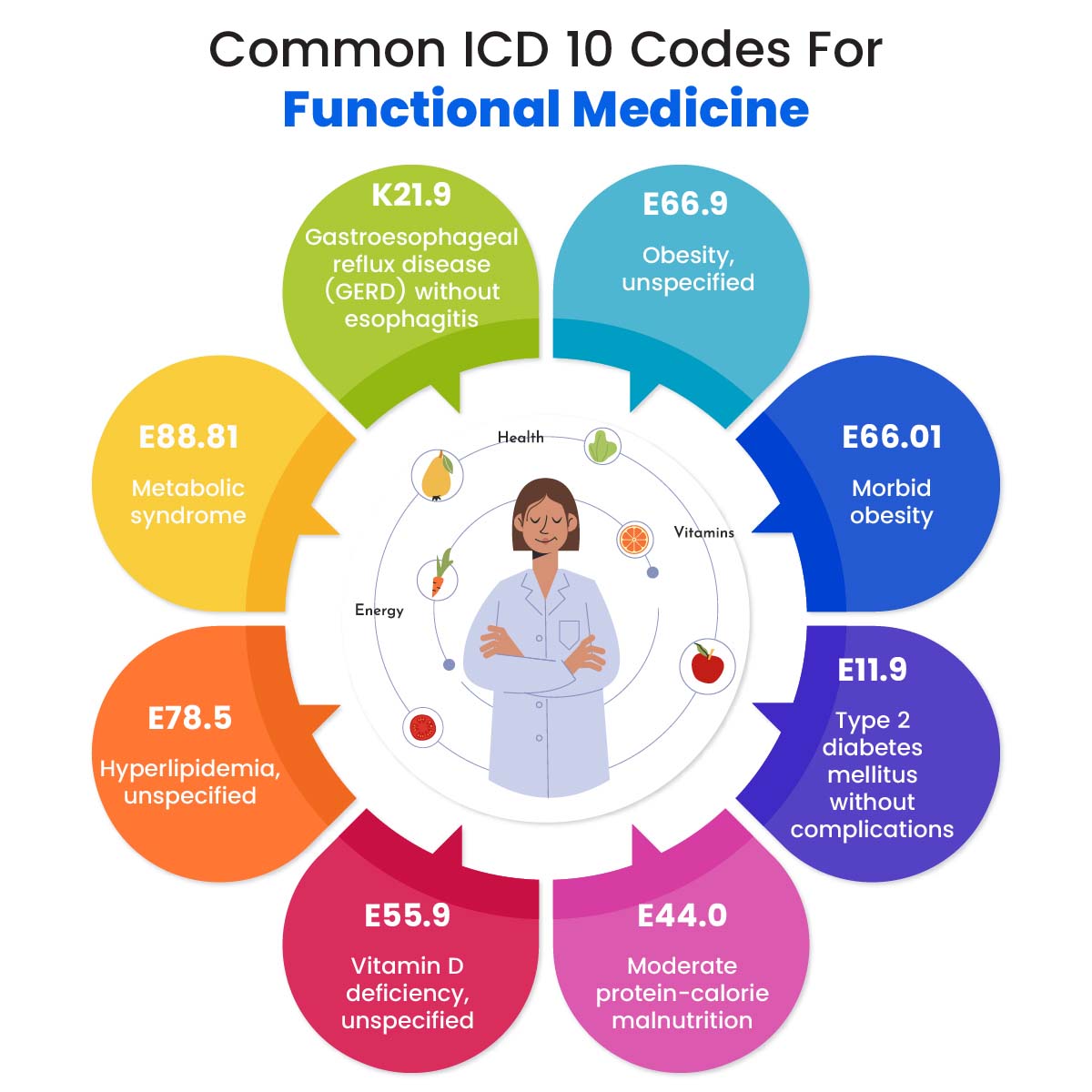
| E55.9 | Vitamin D deficiency, unspecified | Contrast entry: Included here to emphasize the distinction; do not use for elevated levels. |
Documentation Requirements for Accurate Coding
Medical coders cannot assign a definitive code based solely on laboratory values showing high serum 25(OH)D levels. Documentation standards mandate that a physician must explicitly diagnose the condition—such as "hypervitaminosis D," "vitamin D toxicity," or "hypercalcemia due to vitamin D excess"—within the medical record.
Establishing Causality and Intent
When reviewing clinical notes for coding elevated vitamin D, documentation must address several key elements to satisfy specificity requirements:
- Source of Excess: Whether the elevated level is caused by prescription-strength megadoses, over-the-counter supplementation, or an underlying medical pathology.
- Acute vs. Chronic: Distinguishing between a sudden toxic overdose (triggering a poisoning code from the T-chapter) and a chronic, low-grade accumulation resulting in metabolic dysfunction.
- Associated Manifestations: Documenting secondary conditions such as hypercalcemia, acute kidney injury, or gastrointestinal distress, which often require secondary diagnosis codes to fully paint a picture of patient morbidity.
Common Coding Errors and Troubleshooting
Mistakes in selecting ICD-10 codes for metabolic and nutritional abnormalities can lead to claim denials, audit flags, and inaccurate patient registries. Understanding common pitfalls helps administrative and clinical teams refine their documentation workflows.
Pitfall 1: Confusing Deficiency with Excess
A frequent administrative error involves selecting codes from the E55 family (such as E55.0 for active rickets or E55.9 for unspecified vitamin D deficiency) when processing lab results that involve vitamin D. Coders must carefully verify whether the laboratory report indicates a deficit or an elevation before entering data.
Pitfall 2: Overlooking External Cause and Toxicity Codes
When a patient exhibits elevated vitamin D due to self-prescribed mega-supplementation, simply coding a general metabolic disturbance fails to capture the true nature of the encounter. Clinicians should clearly note whether the event constitutes an adverse effect of a properly administered substance or an intentional/accidental poisoning, ensuring the correct seventh character (initial, subsequent, or sequela encounter) is appended to T-codes.
Frequently Asked Questions
Is there a specific ICD-10 code exclusively for high vitamin D blood levels?
There is no single code explicitly titled "elevated vitamin D." Instead, clinicians and coders use codes representing the resulting metabolic disorder, such as E83.59 for other disorders of calcium metabolism, or specific poisoning codes if the elevation is due to supplement toxicity.
When should a poisoning code be used for elevated vitamin D?
A poisoning code from the T-series (such as T37.8X1A) is appropriate when the clinical documentation explicitly states that the elevated vitamin D is the result of an overdose, accidental ingestion, or toxic reaction to pharmaceutical or over-the-counter vitamin D supplements.
Does an elevated lab value alone justify using a hypervitaminosis D code?
No. Coding guidelines require an explicit diagnostic statement from a qualified healthcare provider indicating a condition such as hypervitaminosis D or vitamin D toxicity. An abnormal laboratory result standing alone is insufficient for definitive diagnostic coding.
How do seventh characters affect ICD-10 codes for vitamin D toxicity?
For poisoning and adverse effect codes, seventh characters (like A for initial encounter, D for subsequent encounter, and S for sequela) indicate the phase of treatment. These must be included to accurately reflect the timeline of clinical care.
Can elevated vitamin D cause permanent medical damage?
If left untreated, severe hypervitaminosis D leads to chronic hypercalcemia, which can cause irreversible renal failure, widespread soft tissue calcification, and dangerous cardiac complications. Prompt identification and management are critical.
Conclusion and Next Actions
Accurate identification and coding of elevated vitamin D require close collaboration between clinicians and medical coders. Healthcare providers must document clear diagnoses that link laboratory findings to specific etiologies, such as supplement-induced toxicity or calcium metabolism disorders. Medical staff should audit their documentation practices regularly to ensure that terms like hypervitaminosis D are clearly distinguished from general metabolic shifts, supporting both optimal patient safety and flawless billing compliance.
Image Gallery