Navigating a Used Car Dealer Extended Warranty: Coverage, Costs, and Crucial Fine Print
A used car dealer extended warranty is a service contract purchased at the point of sale that covers specific mechanical and electrical breakdowns after the original factory warranty expires. These plans protect vehicle owners from exp...
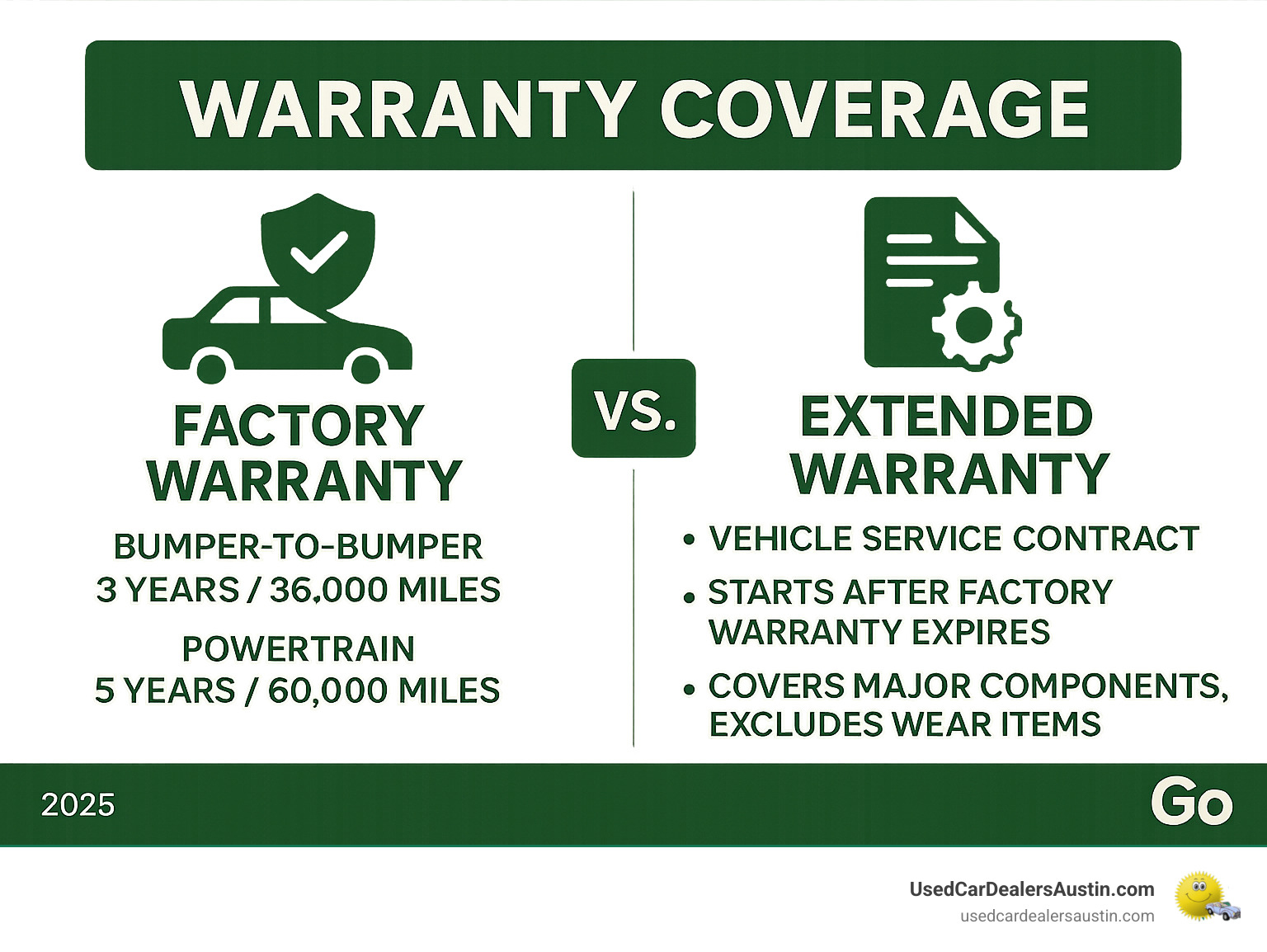
A used car dealer extended warranty is a service contract purchased at the point of sale that covers specific mechanical and electrical breakdowns after the original factory warranty expires. These plans protect vehicle owners from expensive repair bills, but their value depends entirely on the provider, contract terms, and exclusions.
Contents
Purchasing a pre-owned vehicle provides a practical way to avoid the steep depreciation hit associated with brand-new cars. However, buying used also means assuming the risk of mechanical failure once any remaining factory coverage lapses. To mitigate this risk, many buyers consider purchasing an extended warranty directly from the dealership. Understanding how these protection plans operate, what they cover, and where they fall short is essential for making a sound financial decision.
Understanding What a Used Car Dealer Extended Warranty Actually Is
Despite common terminology, a dealer-sold extended warranty is rarely a "warranty" in the traditional legal sense. Under federal guidelines, a manufacturer's warranty is included in the price of a new vehicle. What dealerships sell for used cars are technically vehicle service contracts (VSCs) or mechanical breakdown insurance (MBI), depending on the jurisdiction.
These contracts are agreements between the vehicle owner and a third-party administrator—or occasionally the manufacturer itself—stating that the provider will pay for covered repairs in exchange for an upfront fee or monthly installments. Dealerships act as brokers for these products, earning substantial commissions by rolling the cost of the contract into the auto loan financing. Financing a warranty means paying interest on the policy over the life of the loan, which significantly increases its overall cost.
Furthermore, dealership-offered plans are just one option among many. Buyers can purchase third-party service contracts directly from independent providers online or through membership organizations like credit unions and auto clubs, often at a lower price point than what the dealership quotes in the finance office.
Types of Coverage Plans Available
Used car dealer extended warranties generally fall into structured tiers ranging from basic powertrain protection to comprehensive exclusionary coverage. Evaluating these tiers requires balancing the age and mileage of the vehicle against the components most likely to fail.
Powertrain Protection
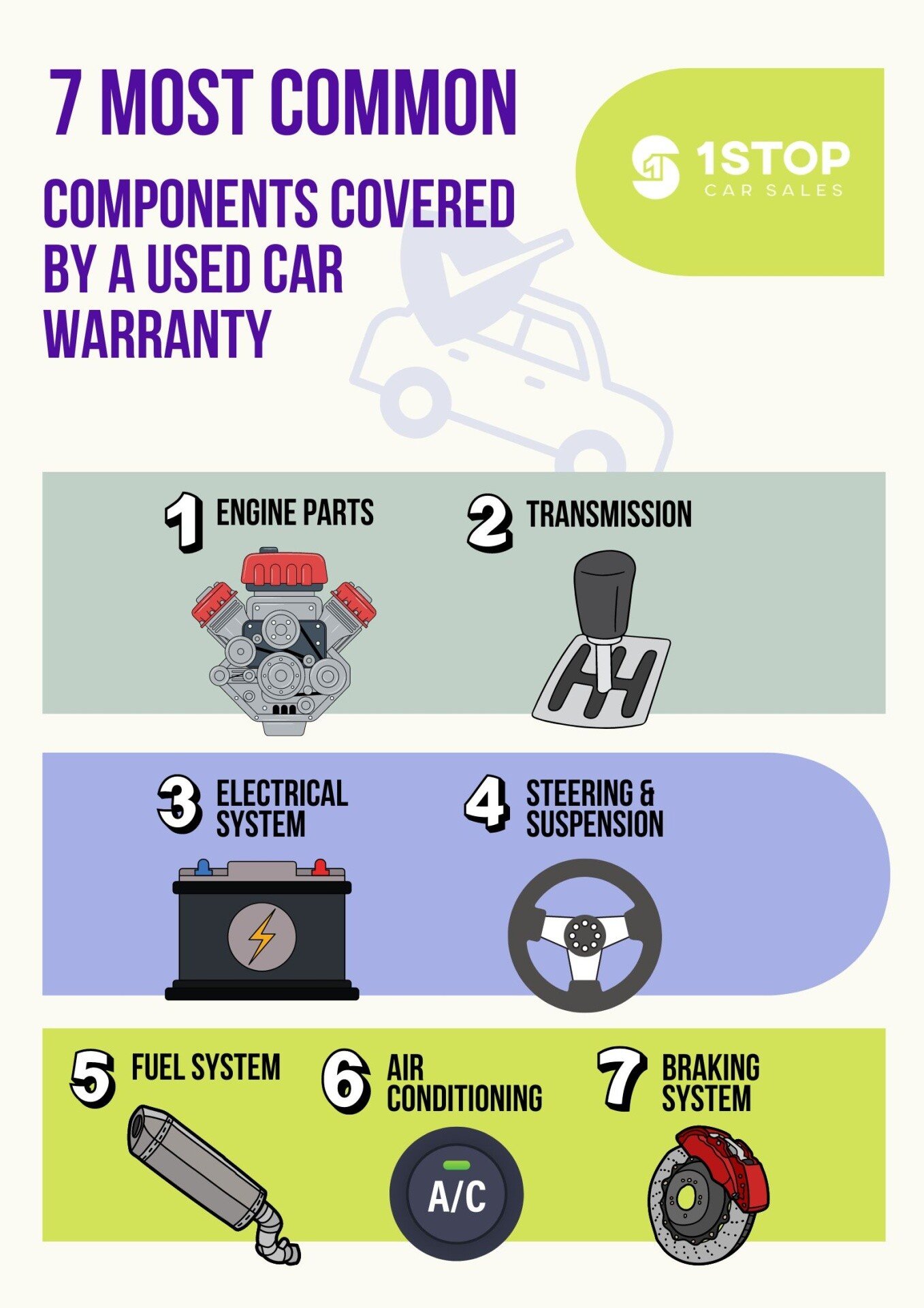
Powertrain coverage represents the most basic and affordable level of protection. It typically covers the engine, transmission, transfer case, and drive axles. If a major mechanical component immobilizes the vehicle, this plan steps in. However, it leaves out numerous expensive systems, such as electrical components, air conditioning, steering, and high-tech safety sensors.
Stated-Component (Named-Exclusion) Plans
Mid-tier plans cover everything in a powertrain warranty plus expanded systems like electrical networks, fuel systems, cooling systems, and steering components. These contracts use a "named-component" structure, meaning a part is only covered if it is explicitly listed in the contract. If a specific switch or motor is omitted from the list, the repair cost falls entirely on the vehicle owner.
Exclusionary (Bumper-to-Bumper) Coverage
Exclusionary plans offer the highest level of protection available for used vehicles. Instead of listing what is covered, these contracts list only what is excluded. Standard exclusions typically include normal wear-and-tear items like brake pads, windshield wiper blades, spark plugs, tires, and cosmetic elements. Any mechanical or electrical component not explicitly listed as excluded is covered under the agreement.
Comparing Used Car Extended Warranty Options
| Plan Tier | Typical Components Covered | Best Suited For | Common Exclusions |
|---|---|---|---|
| Powertrain | Engine, transmission, drive axles, transfer case | Older vehicles with high mileage (>100,000 miles) where major engine failure is the primary concern | Electrical systems, AC/heating, steering, suspension, electronics |
| Mid-Tier (Stated Component) | Powertrain plus electrical, fuel, cooling, and steering systems | Mid-mileage vehicles where auxiliary components begin to wear out | Minor interior trim, software updates, standard maintenance items |
| Exclusionary (Bumper-to-Bumper) | All mechanical and electrical systems, with specific exceptions listed | Newer used vehicles (low mileage, still within partial factory coverage limits) | Wear-and-tear items, maintenance, cosmetic damage, abuse or neglect |
Evaluating the Fine Print: Exclusions, Deductibles, and Pre-Authorization
Signing a vehicle service contract without reading the fine print often leads to severe disappointment at the repair shop. Administrators design these contracts with strict operational rules that vehicle owners must follow to maintain coverage validity.
The Maintenance Clause
Every service contract requires the owner to maintain the vehicle according to the manufacturer’s recommended schedule. Failing to change the oil on time, neglecting fluid flushes, or skipping scheduled tune-ups gives the warranty administrator grounds to deny a claim entirely, even if the failed part is unrelated to the missed maintenance. Keeping meticulous records, including date-stamped receipts for every oil change and service visit, is mandatory.
Deductibles and Payment Structures
Contracts generally require a deductible per visit or per repair. A contract with a "disappearing deductible" might waive the fee if repairs are performed at the selling dealership. Additionally, buyers should verify whether the deductible is per-visit or per-part. A per-part deductible can multiply repair costs quickly if multiple interconnected components fail simultaneously.
Pre-Authorization Requirements
Most plans mandate that the repair facility contact the warranty administrator for pre-authorization before any diagnostic work or teardown begins. If a mechanic starts tearing down an engine without prior approval, the administrator can refuse to pay for the diagnosis and the subsequent repair.
The Financial Reality: Costs vs. Benefits
When purchasing a vehicle at a dealership, finance managers frequently present extended warranties as a low monthly addition—often framed as just "a few extra dollars a month." However, looking at the cumulative cost reveals a different picture.
A typical used car service contract ranges from $1,500 to $4,500 depending on the vehicle's age, mileage, make, and model. Luxury European vehicles command the highest warranty premiums due to expensive labor rates and specialized parts. When rolled into a 60-month or 72-month auto loan, interest charges compound the initial price tag.
Before accepting a dealer's offer, car buyers should weigh three critical questions:
- What is the statistical likelihood of a major failure? Researching reliability ratings for the specific make, model, and year helps quantify actual risk.
- Can I afford an unexpected repair out of pocket? Setting aside money in a dedicated emergency repair fund often costs less over time than buying an insured service contract, provided no catastrophic failure occurs.
- What are the transfer and cancellation terms? A quality contract should be transferable if the vehicle is sold privately, and it should offer a pro-rated refund if canceled within a specific window (such as the first 30 days).
Frequently Asked Questions
Can I buy a used car dealer extended warranty after I have already purchased the car?
Yes, many dealerships allow buyers to purchase a service contract after the sale, provided the vehicle undergoes a mechanical inspection and falls within specific age and mileage limits. Furthermore, independent warranty providers sell contracts directly to consumers at any time, often with more flexible payment terms than dealership-brokered plans.
Are pre-existing conditions covered under a used car extended warranty?
No. Service contracts explicitly exclude pre-existing conditions—any mechanical issue or symptom present before the contract's waiting period and effective date ends. This is why independent pre-purchase inspections (PPI) are vital before finalizing any used car transaction.
Can I take my car to any mechanic for repairs?
It depends on the specific contract. Some dealer-sold or administrator-specific plans require repairs to be performed at the selling dealership or an approved network of franchise repair shops. Other contracts offer nationwide coverage, allowing the vehicle to be serviced at any ASE-certified repair facility, including independent mechanics.
What is the difference between a manufacturer certified pre-owned (CPO) warranty and a dealer extended warranty?
A CPO warranty is backed directly by the automobile manufacturer (such as Ford, Toyota, or BMW) and usually extends the original factory protections with rigorous quality standards. A dealer extended warranty is often a third-party contract sold by independent dealerships, and the coverage terms can vary wildly depending on the specific administrator chosen.
How do I cancel a used car extended warranty and get a refund?
Cancellation terms are outlined in the contract fine print. Most jurisdictions and providers allow policyholders to cancel within a specific timeframe (such as 30 to 60 days) for a full refund if no claims have been filed. Cancellations after that window typically yield a pro-rated refund minus a small administrative fee, which is applied directly to the loan balance if financed.
Next Steps for Car Buyers
Reviewing a dealership's warranty offer requires patience and detachment from high-pressure sales environments. Request a complete, blank sample copy of the service contract before sitting down in the finance office. Read the exclusions list carefully, verify whether the plan is backed by an A-rated insurance carrier, and compare the dealership's price against direct-to-consumer warranty providers. Taking these precautions ensures protection against financial surprises without overpaying for unnecessary coverage.
Image Gallery