Flowers in Kansas: A Comprehensive Local Guide for 2026
Kansas offers a diverse floral landscape ranging from resilient prairie wildflowers to curated botanical displays. This guide explores the state’s native species, provides essential gardening timelines for 2026, and identifies the best...
Kansas offers a diverse floral landscape ranging from resilient prairie wildflowers to curated botanical displays. This guide explores the state’s native species, provides essential gardening timelines for 2026, and identifies the best public viewing locations, ensuring both residents and visitors can navigate the Sunflower State’s unique botanical heritage effectively through every season.
Contents
Understanding the Kansas Botanical Landscape
To appreciate or grow flowers in Kansas, one must first understand the state's unique geography. As of 2026, Kansas remains divided into three distinct prairie types: the Tallgrass Prairie in the east, the Mixed-grass Prairie in the central region, and the Shortgrass Prairie in the west. Each region supports a vastly different array of flora based on annual precipitation levels, which range from nearly 45 inches in the southeast to fewer than 18 inches near the Colorado border.
The United States Department of Agriculture (USDA) Plant Hardiness Zones for Kansas typically fall between 5b and 7a. In 2026, gardeners should continue to account for the "continental" climate, characterized by drastic temperature swings, high summer heat, and significant wind exposure. These factors make "right plant, right place" more than just a suggestion; it is a requirement for survival.
The Role of Soil and Climate
The eastern third of the state often deals with heavy clay soils, particularly in the Flint Hills. These soils retain moisture but can become compacted, making it difficult for non-native species to thrive. Conversely, western Kansas features more alkaline, sandy loams that drain quickly. Understanding your specific soil pH and texture is the first step in using this local guide to establish a successful 2026 garden.
Iconic Native Flowers of Kansas
Native plants are the backbone of the Kansas ecosystem. They have evolved over millennia to withstand the state’s "weather whiplash"—the tendency for a 70-degree spring morning to turn into a freezing afternoon. By focusing on natives, you support local pollinators and reduce the need for supplemental irrigation.
The Wild Sunflower (Helianthus annuus)
As the official state flower, the Wild Sunflower is ubiquitous. Unlike the giant, heavy-headed varieties grown for seeds, the native wild sunflower is a branching annual that can reach heights of eight feet. It blooms from July through September. In 2026, these remain vital for local biodiversity, providing nectar for bees and seeds for migratory birds.
Purple Coneflower (Echinacea angustifolia)
The Purple Coneflower is perhaps the most resilient perennial in the Kansas toolkit. Known for its downward-sloping pinkish-purple petals and prickly orange centers, it is exceptionally drought-tolerant. Its deep taproot allows it to find water long after surface moisture has evaporated. It typically begins blooming in June and can persist through the heat of August.
Butterfly Milkweed (Asclepias tuberosa)
Crucial for the survival of Monarch butterflies, Butterfly Milkweed is a standout in Kansas gardens due to its vibrant orange clusters. Unlike other milkweeds, it does not have a milky sap and is much more "well-behaved" in a formal garden setting, as it does not spread aggressively via rhizomes.
Pitcher Sage (Salvia azurea)
For those seeking true blue hues in the late summer, Pitcher Sage is unmatched. This tall, slender perennial produces sky-blue flowers starting in August. It is a favorite of bumblebees and adds much-needed vertical interest to the autumn landscape.
2026 Seasonal Bloom Calendar
Timing is everything in Kansas. A late frost in April or an early heatwave in May can shift bloom times by several weeks. However, the following schedule represents the standard progression for the 2026 growing season.
Spring (March – May)
The season begins with Prairie Smoke and Violets in late March. By April, the Wild Columbine and Golden Ragwort appear in shaded woodland areas. May is the peak for Wild Indigo (Baptisia), which offers stunning spikes of blue, white, or yellow flowers depending on the subspecies.
Summer (June – August)
This is the "Golden Age" of Kansas flowers. Blanket Flowers (Gaillardia), Coreopsis, and Black-eyed Susans dominate the roadsides. Mid-summer brings the heat-loving Bee Balm (Monarda) and the architectural Rattlesnake Master, whose silver-blue globes provide a striking contrast to the yellow daisies of the prairie.
Autumn (September – November)
Kansas falls are often long and mild. This is when the Asters and Goldenrods shine. Many people mistake Goldenrod for the cause of hay fever, but it is actually the wind-pollinated Ragweed that causes allergies; Goldenrod requires insects for pollination and is a safe, beautiful addition to the garden.
Garden Planning and Maintenance in Kansas
Successful gardening in 2026 requires a proactive approach to the Kansas environment. Whether you are a hobbyist or a professional landscaper, these three pillars are essential:
- Wind Protection: Kansas is one of the windiest states in the country. Taller flowers, like Maximilian Sunflowers, may require staking or placement against a fence to prevent them from snapping during spring thunderstorms.
- Mulching: To combat the intense July sun, apply 2-3 inches of organic mulch. This regulates soil temperature and prevents the "baking" of root systems in shallow-rooted species.
- Hydrozoning: Group plants with similar water needs together. Place your thirstier "heritage" roses near a water source and keep your drought-hardy natives in the outer reaches of the landscape.
Soil Amendment for 2026
If you are working with the heavy clay of the eastern regions, avoid adding sand, which can create a "concrete" consistency. Instead, incorporate organic compost or well-rotted leaf mold to improve aeration. In the west, focus on adding organic matter to help sandy soils retain enough moisture to get young plants established.
Comparison of Popular Kansas Flower Species
| Common Name | Scientific Name | Bloom Period | Light Requirement | Height |
|---|---|---|---|---|
| Purple Coneflower | Echinacea purpurea | June - Aug | Full Sun | 2' - 4' |
| Blue Wild Indigo | Baptisia australis | May - June | Full Sun/Part Shade | 3' - 5' |
| Maximilian Sunflower | Helianthus maximiliani | Sept - Oct | Full Sun | 5' - 10' |
| Indian Blanket | Gaillardia pulchella | May - Sept | Full Sun | 1' - 2' |
| Meadow Blazing Star | Liatris ligulistylis | Aug - Sept | Full Sun | 3' - 5' |
| Wild Bergamot | Monarda fistulosa | July - Aug | Full Sun/Part Shade | 2' - 4' |
Where to See Flowers in Kansas: 2026 Destinations
If you prefer viewing flowers in professionally managed settings or protected wilderness, Kansas offers several world-class locations.
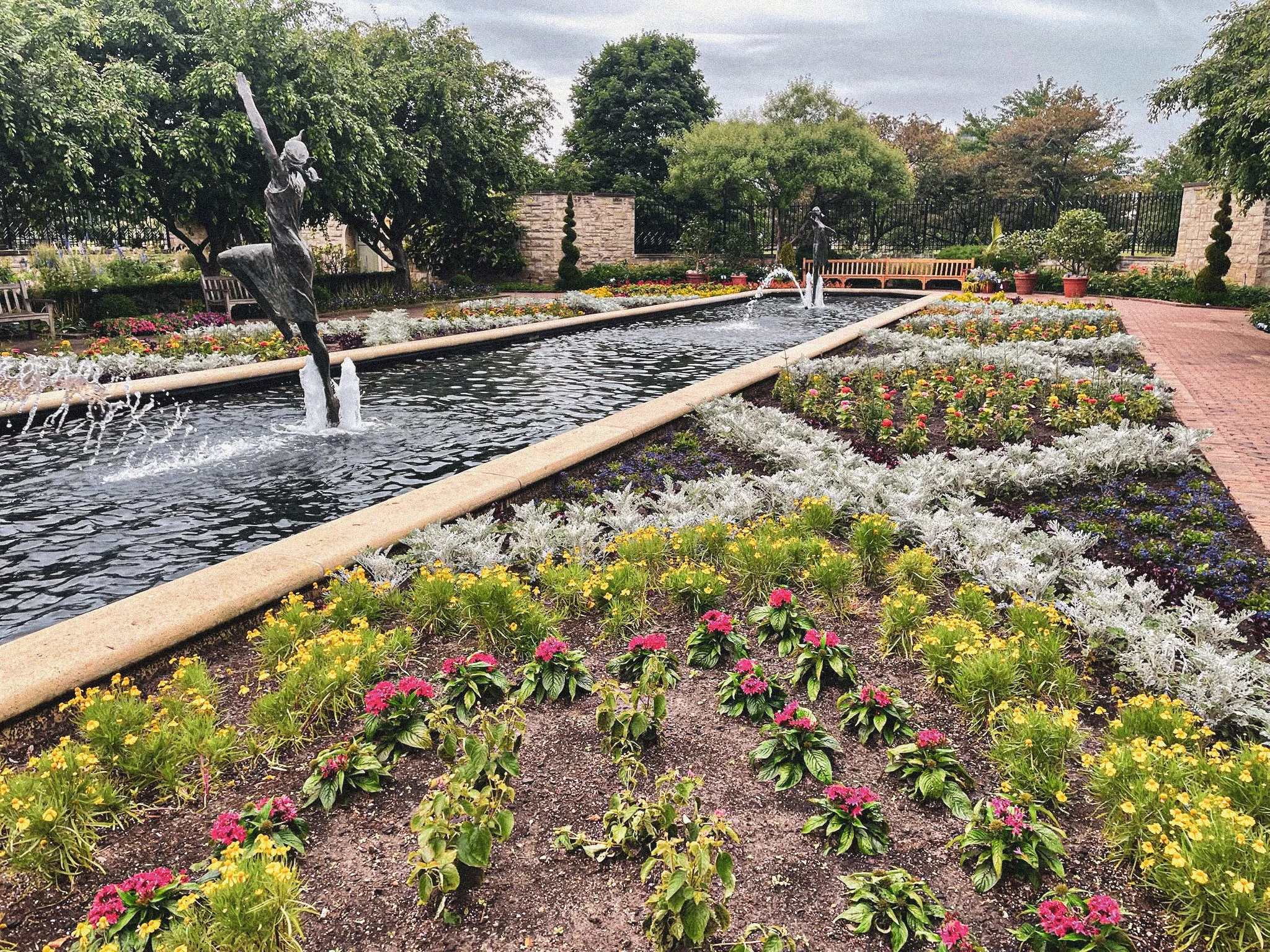
- Botanica, The Wichita Gardens: This 18-acre site features over 30 themed gardens, including a massive wildflower meadow and a dedicated butterfly house.
- The Dyck Arboretum of the Plains (Hesston): This is the premier location for seeing how native plants can be used in beautiful, functional landscapes. Their "FloraKansas" plant sales are vital resources for local gardeners.
- Konza Prairie Biological Station (Manhattan): For a raw look at the Tallgrass Prairie, the hiking trails here offer a glimpse of what Kansas looked like centuries ago. Late May and early June are peak times for wildflowers here.
- Overland Park Arboretum & Botanical Gardens: A massive facility in Johnson County that bridges the gap between formal English gardens and wild Kansas ecosystems.
Frequently Asked Questions
What is the easiest flower to grow in Kansas?
For beginners in 2026, the Zinnia (an annual) or the Purple Coneflower (a perennial) are the most forgiving. Zinnias love the Kansas heat and will bloom until the first hard frost, while Coneflowers require almost no maintenance once their root systems are established.
When should I plant wildflower seeds in Kansas?
The best time to sow native wildflower seeds is in the late fall or early winter (November through January). Many native seeds require "cold stratification," a process where the winter's freeze-thaw cycles break down the seed coat, allowing them to germinate in the spring.
How do I handle the "June Gap" in my garden?
The "June Gap" occurs when spring blooms fade but summer heat-lovers haven't quite peaked. To bridge this, plant Lanceleaf Coreopsis or Penstemon (Beardtongue), which typically fill the mid-to-late June window with vibrant color.
Are there flowers that can survive Kansas winters in pots?
It is difficult because pots freeze through completely, killing the roots. However, if you use large, insulated containers, hardy perennials like Sedum or certain Amsonia varieties can survive. For the best results, it is recommended to sink the pots into the ground or move them to an unheated garage during the coldest months of January and February.
Why are my sunflowers drooping?
This is usually due to one of two things: sunflower headclipping weevils or sheer weight. If the heads are missing or hanging by a thread, it is a pest issue. If the stem is intact but bent, it is likely just the natural weight of the seeds. Native wild varieties rarely have this issue compared to commercial "mammoth" varieties.
Final Recommendations for 2026
For those looking to enhance their local landscape in 2026, the most effective step is to transition at least 20% of your garden to native Kansas species. This reduces your water bill, provides a sanctuary for local wildlife, and ensures that your garden can withstand the unpredictable weather patterns of the Great Plains.
Start by visiting the Kansas Native Plant Society to identify species specific to your county. If you are a resident, contact your local K-State Research and Extension office for soil testing kits to ensure your ground is ready for the 2026 planting season. By working with the land rather than against it, you can create a floral display that is both beautiful and sustainable.
Image Gallery