What Type of Fishing License Do I Need? A Complete Guide
To determine which fishing license you need, start by evaluating your residency status, legal age, fishing location (freshwater versus saltwater), trip duration, and target species. Most states require a standard resident or non-reside...
To determine which fishing license you need, start by evaluating your residency status, legal age, fishing location (freshwater versus saltwater), trip duration, and target species. Most states require a standard resident or non-resident license, supplemented by mandatory endorsements or stamps for regulated species like trout, salmon, or migratory saltwater fish.
Contents
1. Primary Factors That Determine Your Fishing License Type
State fish and wildlife agencies enforce licensing laws to manage natural habitats, monitor fish populations, and fund conservation initiatives. Because wildlife management is governed primarily at the state level in the United States, license structures vary by jurisdiction. However, every state relies on five foundational criteria to determine the exact license, stamp, or permit required for your angling trip.
- Determine Your Residency Status (Resident vs. Non-Resident)
- Identify Water Salinity & Type (Freshwater vs. Saltwater/Marine)
- Select Duration & Age Category (Short-Term, Annual, Youth, Senior)
- Check Species Stamps & Endorsements (Trout, Salmon, Crustacean, Offshore)
Residency Status
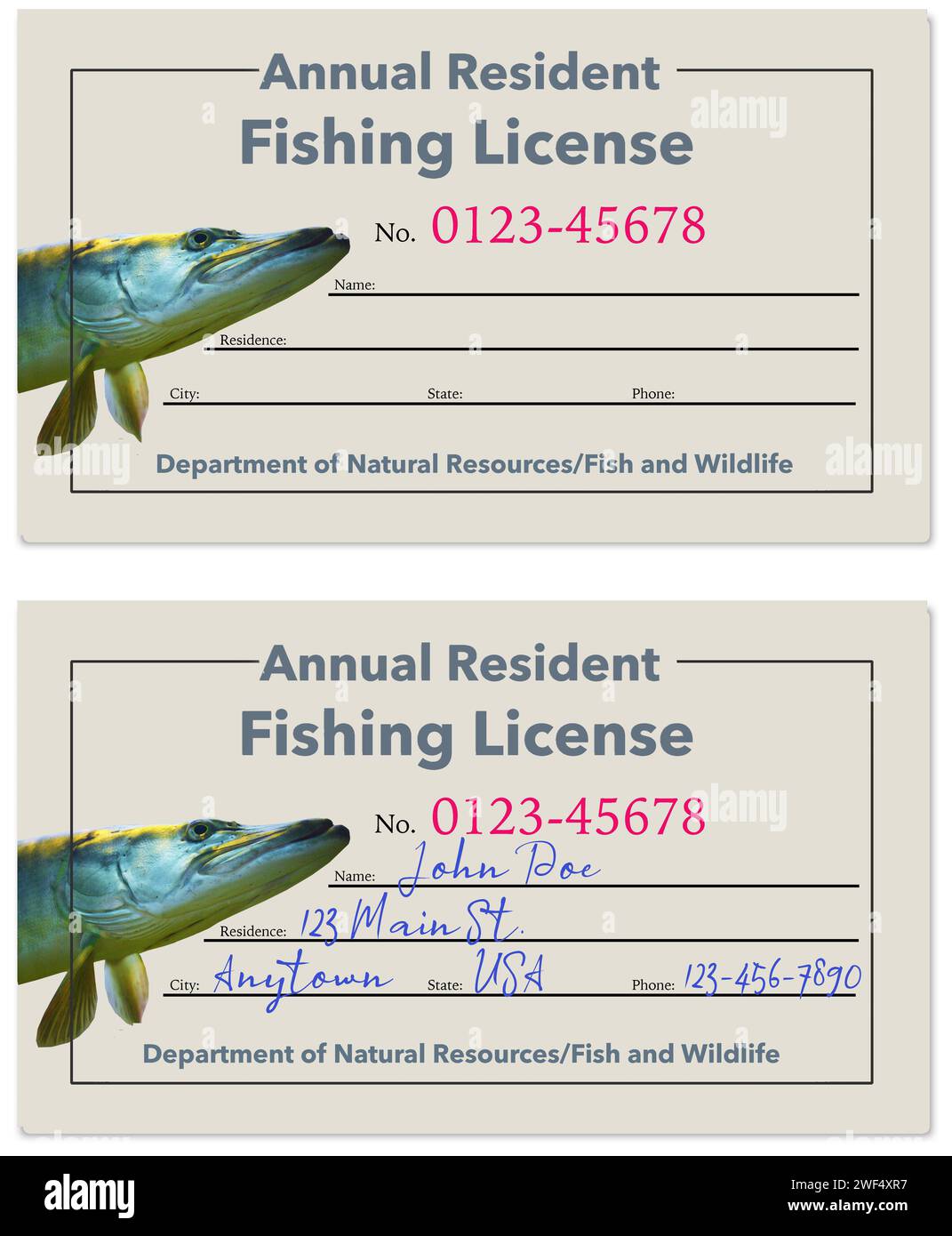
Residency is the single largest factor governing license cost. State residents pay significantly lower fees because local tax dollars often help fund state conservation and infrastructure. To qualify for a resident fishing license, state agencies typically require you to have maintained continuous legal residence in the state for 6 to 12 consecutive months immediately preceding your application.
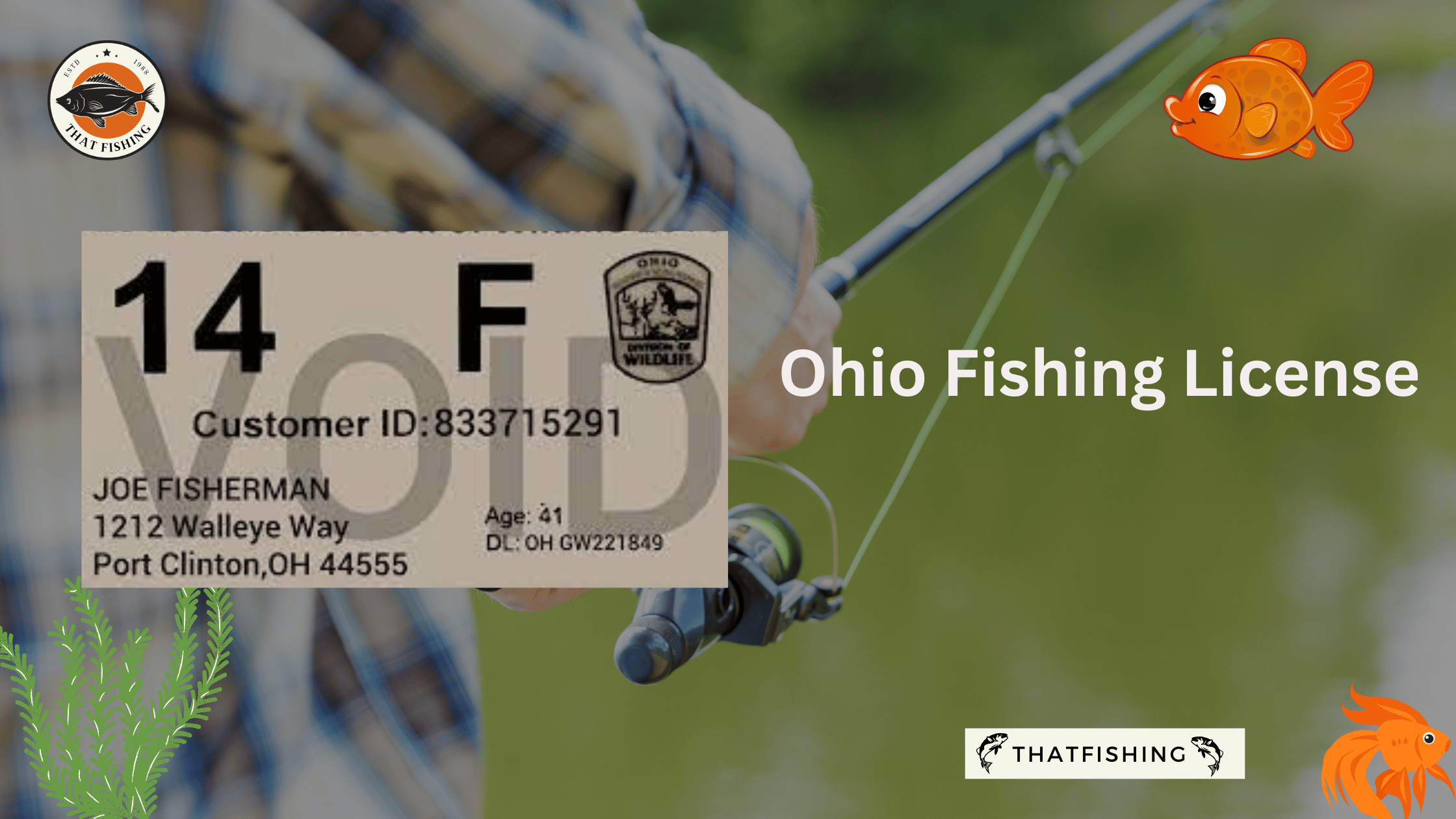
You must present proof of residency when purchasing or carrying the license. Valid proof generally includes a state-issued driver's license, state identification card, voter registration card, or resident income tax filing. Active-duty military personnel stationed within a state are frequently eligible for resident rates regardless of their original domicile.
Non-residents—including tourists, out-of-state vacationers, and college students maintaining permanent residence elsewhere—must purchase non-resident licenses. These licenses cost more to offset the lack of local tax contribution toward state natural resource maintenance.
Water Salinity and Boundaries
Bodies of water are classified into distinct regulatory environments based on salinity and geographic jurisdiction:
- Freshwater: Inland lakes, reservoirs, non-tidal rivers, streams, and farm ponds.
- Saltwater (Marine): Oceans, coastal bays, estuaries, sounds, and tidal rivers up to designated salinity boundary lines.
In coastal states like Florida, California, Texas, and North Carolina, freshwater and saltwater management may be split into separate licenses or combined into a single all-water license. Inland states only issue freshwater licenses.
License Duration
State wildlife agencies offer multiple timeframe options based on how frequently you plan to fish:
- Short-Term (Temporary) Licenses: Issued for 1-day, 3-day, or 7-day increments. These are ideal for casual vacationers, weekend trips, or charter trips.
- Annual Licenses: Valid for an entire year. Note that states use two different validity systems: calendar-year licenses (valid January 1 through December 31 regardless of purchase date) and 365-day rolling licenses (valid for exactly one year from the date of purchase).
- Multi-Year and Lifetime Licenses: Available primarily to state residents. Lifetime licenses require a higher upfront investment but remain valid for the holder's entire life, even if they later relocate out of state.
Legal Age and Demographic Category
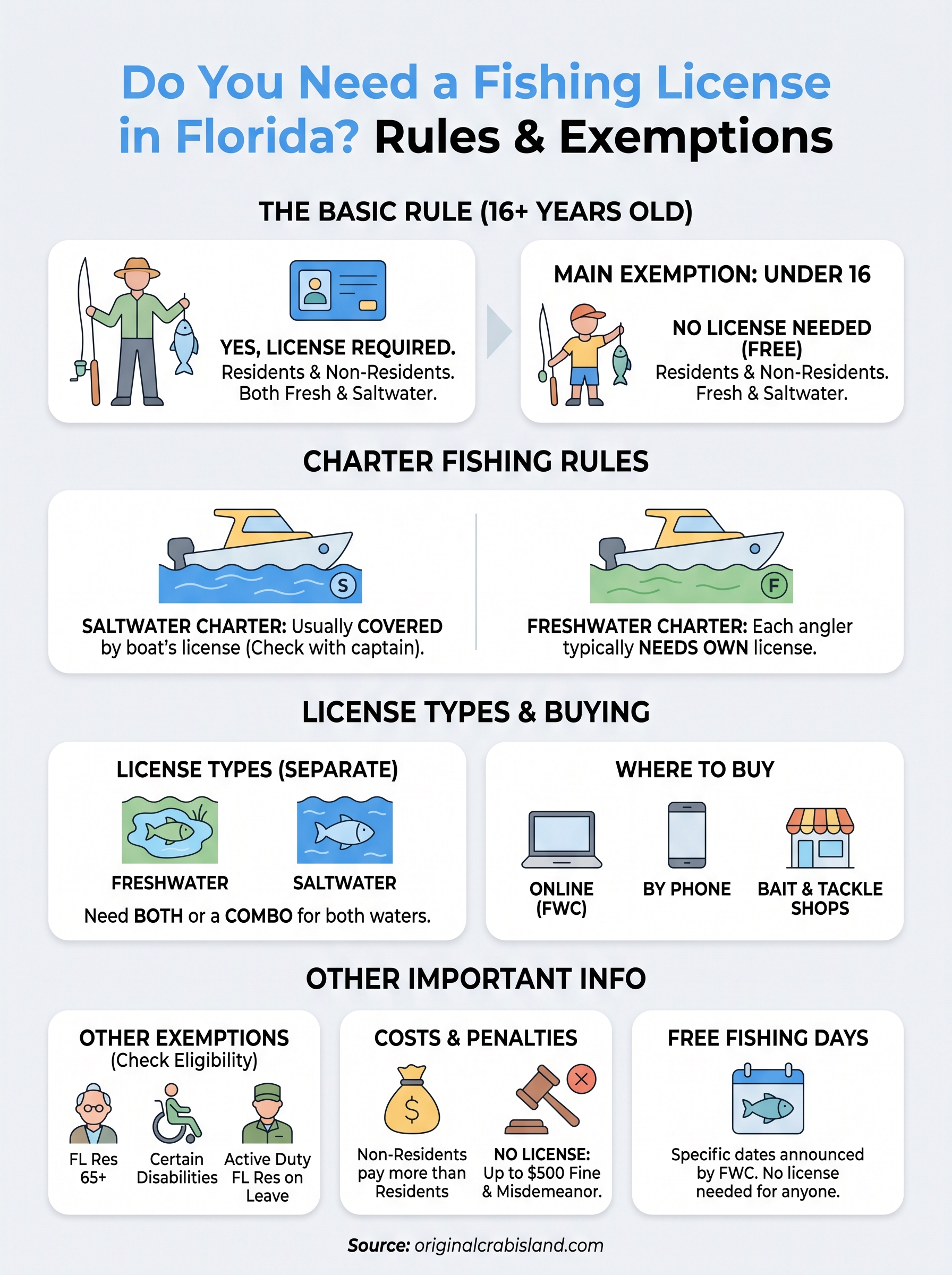
Age limits dictate whether an angler must hold a paid license or can fish under an exemption. Children under a designated age (commonly under 16, though ranging from under 12 to under 16 depending on the state) generally do not need an individual license. Senior citizens (typically age 65 or older) often qualify for reduced-fee annual licenses or low-cost lifetime permits.
2. Water Type Breakdown: Freshwater, Saltwater, and Combination Licenses
Choosing the correct base license requires understanding the environmental boundaries set by state law. Fishing across jurisdictional boundaries without the proper license can result in significant fines.
- Select Base Water Type
- Freshwater License: Inland Lakes, Rivers & Streams
- Saltwater License: Coastal Bays, Oceans & Estuaries
- Combination / All-Water License: Full Water Access
Freshwater Fishing Licenses
A freshwater license covers inland fishing for species such as largemouth and smallmouth bass, crappie, bluegill, catfish, walleye, northern pike, and yellow perch. If a river experiences tidal movement, state regulations define a specific geographic boundary line (such as a highway bridge or landmark) where freshwater regulations end and marine regulations begin.
Saltwater and Marine Fishing Licenses
Saltwater licenses grant legal authorization to fish in ocean waters, coastal sounds, and tidal inlets. Species covered typically include red drum, flounder, striped bass, snook, sea trout, and offshore pelagic species.
In addition to funding marine conservation, saltwater licensing connects anglers to federal oversight databases. Many coastal states integrate their licenses with the NOAA Fisheries Marine Recreational Information Program, which collects data to estimate recreational catch totals and prevent overfishing.
Combination and All-Water Permits
If you plan to fish both inland lakes and ocean coastlines within a single state, purchasing a combination (or all-water) license is typically more economical than buying separate freshwater and saltwater permits. States with vast, varied ecosystems often bundle freshwater, saltwater, and hunting privileges into comprehensive sportsman licenses.
3. Essential Stamps, Endorsements, and Species-Specific Permits
A basic freshwater or saltwater license does not always cover every fish you catch. State and federal management authorities mandate extra stamps, endorsements, or harvest reporting cards to regulate sensitive, high-demand, or heavily managed species.
- Need Base Fishing License
- Trout / Cold-Water Endorsement
- Salmon / Steelhead Harvest Card
- Offshore Federal HMS Permit
Trout Stamps and Cold-Water Endorsements
Trout species—such as rainbow, brown, and brook trout—require high water quality and costly hatchery stocking programs. To offset these operational expenses, state agencies require anglers targeting or taking trout from designated cold-water streams or stocked public lakes to purchase an annual trout stamp or endorsement. In some states, simply carrying tackle capable of catching trout in designated trout waters legally requires this endorsement, regardless of your target species.
Salmon, Steelhead, and Sturgeon Catch Record Cards
In regions with anadromous fish runs (such as the Pacific Northwest, Alaska, and Great Lakes states), harvesting salmon, steelhead, or white sturgeon requires specialized harvest record cards (tags). Anglers must immediately log the location, date, and species length upon bringing a fish into possession. These cards are returned to state wildlife agencies at the end of the season to compile harvest data for stock assessments.
Shellfish and Crustacean Permits
Gathering marine invertebrates—including lobsters, blue crabs, Dungeness crabs, clams, oysters, and abalone—frequently requires specialized permits beyond a standard saltwater license:
- Spiny Lobster Endorsements: States like Florida and California mandate separate lobster stamps and specialized measuring devices to verify carapace length before harvest.
- Crab and Clam Permits: Pacific Northwest states require specific shellfish/seaweed licenses to dig for razor clams or drop crab pots.
Offshore Federal Permits (Highly Migratory Species)
If you operate a private recreational vessel targeting pelagic species in federal waters (generally from 3 to 200 nautical miles off the U.S. coast), a state fishing license alone is insufficient. Under federal law, vessel owners targeting bluefin tuna, yellowfin tuna, billfish, swordfish, or sharks must hold an Atlantic or Pacific Highly Migratory Species (HMS) permit. You can verify federal permit rules and apply directly through NOAA Fisheries Atlantic Highly Migratory Species Permitting.
4. Comprehensive Fishing License Comparison Matrix
The table below outlines common recreational license classifications, target environments, validity options, and typical required endorsements.
| License Category | Target Water / Environment | Common Duration Options | Residency Qualification | Required Stamps & Add-Ons |
|---|---|---|---|---|
| Resident Freshwater | Inland lakes, non-tidal rivers, reservoirs | 1-Day, 3-Day, Annual, Lifetime | Legal resident (6–12 months with state ID) | Trout Stamp (if targeting trout in stocked waters) |
| Non-Resident Freshwater | Inland lakes, non-tidal rivers, reservoirs | 1-Day, 3-Day, 7-Day, Annual | Non-resident / Out-of-state visitor | Non-resident Trout Stamp |
| Resident Saltwater | Coastal bays, ocean waters, tidal estuaries | 1-Day, Annual, Lifetime | Legal resident with valid state ID | Spiny Lobster, Crab, or Reef Fish Endorsements |
| Non-Resident Saltwater | Coastal bays, ocean waters, tidal estuaries | 1-Day, 3-Day, 7-Day, Annual | Non-resident visitor | State Marine Registry / Special Species Endorsements |
| Combination / All-Water | All public fresh and marine waters state-wide | Annual, Multi-Year, Lifetime | Resident & Non-Resident tiers | Applicable trout or specific shellfish endorsements |
| Youth Fishing License | All public waters within the state | Annual (often free or minimal fee) | Minors (typically ages 12–15, depending on state) | Free catch record cards where harvest limits apply |
| Federal HMS Vessel Permit | Federal offshore waters (3 to 200 nautical miles) | Annual (Vessel-Based) | U.S. vessel owners / operators | Mandatory catch reporting for billfish and tuna |
5. Age Limits, Exemptions, and Special Categories
Wildlife laws recognize specific legal exemptions based on age, military status, physical capability, and charter vessel operations.
Youth Exemptions and Requirements
In most states, youth under the age of 16 do not need to buy a basic recreational fishing license. However, age thresholds vary:
- Some states require youth licenses beginning at age 12 or 14.
- Even when a child is exempt from paying for a base license, they may still need a free or low-cost youth tag or harvest record card if they harvest quota-managed species like salmon, sturgeon, or turkey-swamp game.
- Daily bag limits and minimum size restrictions apply equally to licensed adults and exempt minors.
Senior Citizen Discounts and Lifetime Rates
State laws recognize long-term tax contributions by offering discounted rates to senior residents. Seniors (usually age 65 or older) can typically obtain deeply discounted annual licenses or low-cost lifetime permits. In several states, seniors over age 70 are eligible for free fishing privileges upon presenting proof of age and residency.
Military, Veteran, and Disability Accommodations
Active-duty military service members stationed out of state who return home on official leave can often fish without purchasing a license, provided they carry their leave papers and military ID. Veterans with service-connected disabilities, as well as residents with permanent physical or developmental disabilities, often qualify for free or reduced-fee lifetime licenses under state statutes.
Charter Boat and Headboat Passengers
If you hire a licensed commercial charter boat or fish on a public headboat, you generally do not need to purchase an individual fishing license. State and federal regulatory bodies issue commercial charter licenses directly to the vessel captain. This commercial coverage covers all passengers on board for the duration of the trip.
However, charter passengers should confirm with the captain beforehand whether specialized tags (such as salmon harvest cards or deep-water reef fish stamps) are included in the trip fee.
6. How to Identify and Purchase the Correct License (Step-by-Step)
Follow this step-by-step process to ensure complete regulatory compliance before putting a line in the water.
- Step 1: Identify the State Wildlife Agency & Jurisdiction
- Step 2: Establish Legal Residency Status & Gather Identification
- Step 3: Determine Water Type (Fresh, Salt, Combination) & Species
- Step 4: Add Necessary Stamps, Tags, and Endorsements
- Step 5: Purchase License via Official Portal, Mobile App, or Retailer
- Step 6: Store Legally Approved Proof (Print Copy or State Digital App)
Step 1: Identify the State Wildlife Agency
Locate the official natural resources or fish and wildlife department for the state where you will be fishing. You can access direct links to every state licensing portal through the U.S. Fish and Wildlife Service State Agency Directory.
Step 2: Verify Your Residency and ID
Ensure you have acceptable government identification ready:
- State Driver’s License or ID Card.
- Social Security Number (required by federal law for child-support enforcement cross-referencing when issuing state licenses).
Step 3: Assess Your Location and Duration Needs
Calculate the total days you will be fishing. If you plan to fish more than 3 to 5 separate days in a single year, purchasing an annual license is almost always cheaper than buying multiple short-term daily passes.
Step 4: Select Required Stamps and Endorsements
Review the rules for your target body of water. Ask yourself:
- Am I fishing in a designated cold-water trout stream? (Trout stamp required)
- Am I keeping spiny lobster, crabs, or clams? (Crustacean/Shellfish endorsement required)
- Am I taking my own boat past state waters into federal ocean waters? (Federal HMS Permit required)
Step 5: Complete the Purchase Through Official Channels
Buy your license only through official channels:
- Official state agency websites (
.govdomains). - State wildlife mobile apps.
- Authorized retail agents (such as sporting goods stores, bait shops, and county clerk offices).
Avoid third-party unofficial websites that charge unauthorized processing fees without issuing valid state licenses.
Step 6: Physical vs. Digital Proof Retention
States enforce strict rules regarding how licenses must be displayed in the field:
- Digital Storage: Most states allow conservation officers to inspect digital PDF licenses or official state wildlife app displays on your smartphone.
- Physical Tags Required: If you are harvesting species that require physical validation tags (such as salmon, steelhead, sturgeon, or deer/turkey in combination licenses), you must print the physical harvest tag and carry a pen to notch or write the harvest details immediately upon capture.
7. Reciprocal Agreements and Interstate Waters
Navigating water bodies that border multiple states requires careful attention to legal boundaries.
- State A Jurisdiction
- State A License Valid
- Boundary Line / Bridge
- State B Jurisdiction
- State B License Valid
Shared Lakes and Boundary Rivers
When fishing border waters—such as the Mississippi River between Minnesota and Wisconsin, Lake Tahoe between California and Nevada, or Lake Erie—states frequently maintain reciprocal licensing agreements. Under these agreements, a angler holding a valid resident license from either adjoining state can fish open waters anywhere on the shared river or lake.
However, reciprocal agreements carry strict limitations:
- You must launch and land your vessel from the shore of the state in which you are licensed.
- If you tie up to the shore or fish from a dock attached to the opposite state's bank, you must hold that specific state's fishing license.
- You must comply with the most restrictive bag limits and length regulations between the two states.
State vs. Federal Ocean Boundaries
State territorial waters extend from the coastline out to 3 nautical miles offshore in most ocean-facing states. Exceptions include the Gulf coast of Florida, Texas, and Puerto Rico, where state marine jurisdiction extends to 9 nautical miles.
Beyond state boundaries, you enter federal waters (the Exclusive Economic Zone, extending to 200 nautical miles). While a state saltwater license covers recreational fishing within state waters, targeting federally managed species or fishing in federal Marine Protected Areas requires adhering to federal bag limits, seasonal closures, and federal vessel permits.
8. Penalties for Non-Compliance and Legal Disclaimers
Fishing without a license or taking fish without required endorsements is an illegal act carrying administrative, civil, and criminal penalties across all U.S. states and territories.
Enforcement and Fines
State game wardens and wildlife conservation officers possess broad legal authority to stop vessels, inspect fishing gear, open livewells and coolers, and request official license documentation. Penalties for non-compliance include:
- Standard civil citation fines ranging from $100 to over $1,000 per violation.
- Restitution fees calculated per illegally harvested fish based on ecological replacement value.
- Seizure and forfeiture of fishing equipment, tackle, and vessels used in severe poaching offenses.
- Suspension or revocation of hunting and fishing privileges across participating states via the Interstate Wildlife Violator Compact.
Legal Advice Limitation Notice
State wildlife regulations, licensing fee schedules, species-specific boundaries, and opening dates are updated frequently by state legislatures and fish and game commissions. The information presented in this guide serves as educational guidance. Anglers must check the official regulatory handbooks issued by their state's wildlife management agency prior to embarking on any fishing trip.
Frequently Asked Questions
Do I need a fishing license to fish on private property or a private pond?
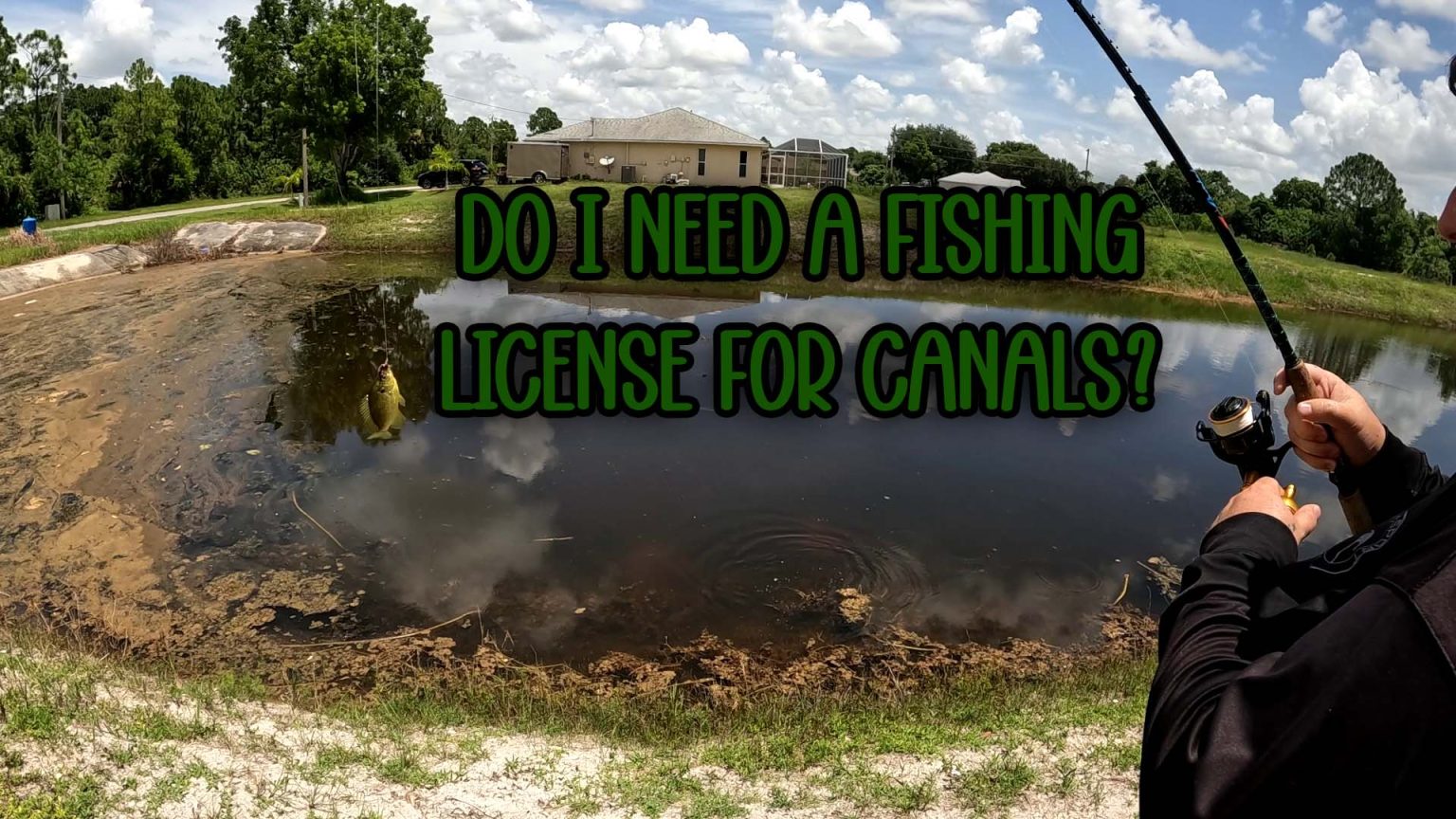
In most states, if a private pond is self-contained—meaning it has no inlet or outlet connecting to public waterways and fish cannot escape into public waters—the landowner and their invited guests do not need a state fishing license. However, if the pond connects to a public creek, river, or stream system, state licensing rules apply. Always check your specific state's private-water exemptions, as states like Texas and Florida have precise statutory definitions regarding private waters.
Does a charter boat captain supply my fishing license, or do I need my own?
On most licensed commercial marine charter boats and headboats, the captain's commercial license covers all passengers on board. However, this coverage applies primarily to saltwater ocean trips and specific freshwater charter setups. You should always ask the charter company before booking whether their permit covers all anglers or if you must purchase individual state licenses or species tags (such as salmon harvest record cards).
What is the difference between a calendar-year license and a 365-day license?
A calendar-year license is valid only during the designated calendar year in which it is issued, expiring on December 31 regardless of whether you bought it in January or November. A 365-day rolling license remains valid for 365 continuous days from the exact date of purchase. Check your state's license expiration policy carefully to avoid fishing with an expired license.
Do I need a fishing license if I am helping my child fish without fishing myself?
If you are strictly supervising a child—such as baiting a hook, untangling line, or removing a fish—most states do not require you to hold a license. However, if you actively cast the line, work the reel, or hold the rod while fishing, wildlife officers consider you actively engaged in fishing, which legally requires you to hold a valid license.
What happens if I fish across state lines on a river or lake?
If the boundary river or lake has a formal reciprocal agreement between the two bordering states, your valid license from either state allows you to fish open waters across the state line. However, if no reciprocal agreement exists, you must buy a non-resident license for the neighboring state as soon as your boat crosses the marked state line. You must also follow the specific harvest limits of the state's waters you are currently floating in.
Actionable Summary: Selecting Your Fishing License
To purchase the correct license quickly and avoid fines, use this simple checklist:
- Verify Residency: Gather your driver's license or state ID to prove local residence, or prepare to purchase a non-resident license.
- Classify the Water: Determine if your target location is designated as freshwater, saltwater, or tidal.
- Audit Species Requirements: Check your state's current regulation booklet to see if your target species (trout, salmon, lobster, sturgeon, or offshore tuna) requires an additional stamp, tag, or endorsement.
- Select Duration: Calculate whether a short-term pass (1–7 days) or an annual license provides the best value based on your planned outings.
- Purchase Official: Complete your purchase via your state agency's official website, official mobile app, or an authorized local outdoor retailer. Keep a digital copy on your phone or print a physical copy as required by law.
Image Gallery