AAA Auto Insurance Comprehensive Coverage: What It Covers, Costs, and Claims
AAA auto insurance comprehensive coverage pays to repair or replace your vehicle if it is damaged by non-collision events such as theft, vandalism, extreme weather, falling objects, fire, or striking an animal. It covers costs up to yo...
AAA auto insurance comprehensive coverage pays to repair or replace your vehicle if it is damaged by non-collision events such as theft, vandalism, extreme weather, falling objects, fire, or striking an animal. It covers costs up to your car's actual cash value minus your chosen policy deductible.
Contents
Understanding AAA Comprehensive Auto Insurance and Regional Club Structure
Comprehensive auto insurance through AAA protects your vehicle against physical loss resulting from incidents outside your direct driving control. Often referred to as "other-than-collision" coverage, it addresses catastrophic weather events, property crimes, and unforeseen hazards that occur while your car is parked or driven.
To evaluate AAA insurance policies accurately, policyholders must understand the structure of the American Automobile Association. AAA is not a single nationwide insurance company; rather, it is a federation of regional, independently operated motor clubs. For example, coverage in California may be underwritten by the Interinsurance Exchange of the Automobile Club or CSAA Insurance Group, while midwestern states might be served by the Auto Club Insurance Association (part of The Auto Club Group).
Because underwriting rules, state mandates, and local risk profiles vary across these regional entities, specific policy language, optional endorsements, and deductible options can differ depending on your geographic location. However, the foundational protection offered by a comprehensive insurance policy remains consistent across all AAA regional clubs: safeguarding your financial asset against non-collision damage up to its Actual Cash Value (ACV).
Disclaimer: Auto insurance policies are legal contracts governed by state laws and individual regional motor club terms. Consult your specific local AAA insurance policy contract for exact terms, conditions, and coverage limits.
What AAA Comprehensive Auto Insurance Covers
Comprehensive coverage handles damage caused by unexpected hazards that do not involve colliding with another vehicle or fixed structure. When you file a comprehensive claim with AAA, coverage generally applies to the following categories:
Severe Weather and Natural Disasters
Weather-related events cause significant physical damage to vehicles each year. AAA comprehensive coverage pays for repairs resulting from:
- Hail and Storm Damage: Body panel denting, shattered windshields, and broken side mirrors caused by severe hailstorms.
- Flooding: Water damage to electrical systems, engines, and upholstery caused by flash floods, rising tides, or heavy rainfall.
- Wind and Tornadoes: Structural damage from high winds, blowing debris, or uprooted trees.
- Lightning and Earthquakes: Thermal or structural damage directly linked to natural phenomena.
Theft and Vandalism
If your vehicle is stolen or intentionally damaged by third parties, comprehensive insurance provides compensation:
- Total Vehicle Theft: Pays the actual cash value of the stolen automobile (minus your deductible) if the vehicle is not recovered.
- Vandalism and Civil Commotion: Covers repairs for keyed paint, slashed tires, broken locks, or broken windows caused by malicious act or rioting.
- Stolen Parts: Covers factory-installed components stolen from the vehicle, such as catalytic converters, wheels, or sound systems (aftermarket items usually require a separate endorsement).
Animal Collisions
While collisions with other vehicles or stationary objects fall under collision coverage, hitting an animal is classified as a comprehensive event. Common incidents include:
- Deer and Large Game Strikes: Front-end or structural damage resulting from striking a deer, elk, or livestock on a roadway.
- Rodent Damage: Electrical wire damage caused by rodents chewing through engine wiring harnesses while the vehicle is parked.
Fire and Falling Objects
Physical loss caused by heat or falling hazards is fully eligible under comprehensive claims:
- Engine and Exterior Fires: Thermal damage originating from electrical fires, garage fires, or nearby brush fires.
- Tree Branches and Debris: Damage caused by falling tree limbs, icicles, stray golf balls, or construction debris striking a parked or moving car.
What Is Excluded Under AAA Comprehensive Coverage
Understanding what comprehensive insurance does not cover is critical for maintaining proper risk management across your vehicle policy. Standard AAA comprehensive policies exclude:
| Common Comprehensive Exclusions | |
|---|---|
| Collisions with Vehicles/Obstacles | Personal Property Inside |
| Wear, Tear, and Mechanical Failure | Unapproved Commercial Use |
- Collisions with Other Vehicles or Structures: Striking another automobile, a guardrail, a building, or a utility pole falls strictly under collision coverage, regardless of who was at fault.
- Rollover Accidents: If your vehicle flips over due to loss of control, the resulting damage is evaluated under collision insurance, not comprehensive.
- Personal Items Inside the Vehicle: Laptops, tools, luggage, or electronics stolen from your car are not covered by auto comprehensive insurance. These items must typically be claimed under a homeowners or renters insurance policy.
- Mechanical Failure and Normal Wear: Repairs needed due to routine wear and tear, brake failure, aging batteries, or manufacturer defects are not covered.
- Intentional Damage: Losses resulting from intentional acts committed by the vehicle owner or listed drivers are strictly excluded.
- Commercial or Rideshare Use: Transporting passengers or freight for pay (such as driving for Uber, Lyft, or delivery services) without a commercial endorsement voids standard personal comprehensive coverage.
How Comprehensive Deductibles and Actual Cash Value (ACV) Work
When purchasing comprehensive coverage through AAA, you select a policy deductible—typically ranging from $100 to $1,000 or higher. The deductible is the out-of-pocket amount you agree to pay before insurance coverage initiates.
Deductibles in Practice
If a severe hail storm causes $3,500 in body damage to your car and your comprehensive deductible is set at $500, AAA will issue a payment of $3,000 directly to you or the approved repair facility. If the total repair cost is lower than your deductible (e.g., $400 in damage with a $500 deductible), you must absorb the repair cost without receiving an insurance payout.
Understanding Actual Cash Value (ACV)
The maximum limit of comprehensive coverage is determined by your vehicle’s Actual Cash Value (ACV) at the exact moment of the loss, not the original purchase price or replacement cost.
$$ \text{ACV} = \text{Original Market Value} - \text{Depreciation} - \text{Prior Damage} $$
If your vehicle is stolen and not recovered, or if the estimated repair cost exceeds a specific percentage of the car's ACV (usually between 75% and 80%, depending on state guidelines), AAA will declare the vehicle a total loss.
In a total loss situation:
- AAA evaluates comparable vehicle sales in your local market to determine the car's pre-loss value.
- Your comprehensive deductible is subtracted from that valuation.
- If you have an outstanding auto loan or lease, the payout goes first to the lienholder. If the ACV is less than what you owe on the loan, you are responsible for the remaining balance unless you carry Guaranteed Asset Protection (GAP) insurance.
AAA Coverage Comparison: Comprehensive vs. Collision vs. Full Coverage
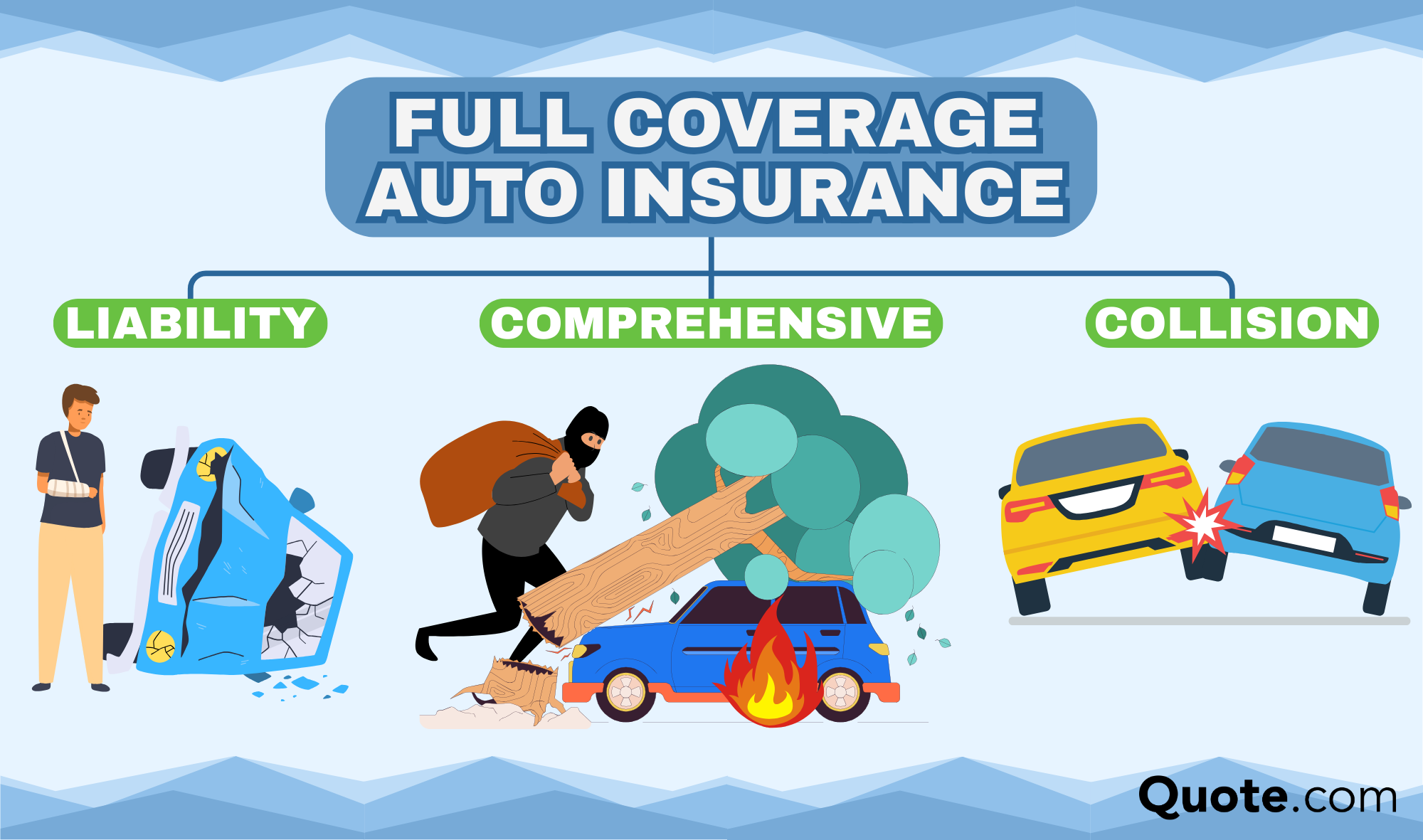
Car insurance buyers frequently confuse comprehensive coverage with collision coverage or use the informal term "full coverage." The table below highlights how these policy types differ:
| Coverage Feature | Comprehensive Coverage | Collision Coverage | "Full Coverage" Package |
|---|---|---|---|
| Primary Trigger | Non-collision incidents (theft, weather, animals, fire) | Physical impact with vehicles, objects, or rollovers | Combination of Liability, Comprehensive, and Collision |
| Vehicle Status | Parked or in motion | In motion | Parked or in motion |
| Mandatory by Law? | No (Optional under state laws) | No (Optional under state laws) | No (State laws only require Liability) |
| Lender Requirement? | Required for leased/financed vehicles | Required for leased/financed vehicles | Required for leased/financed vehicles |
| Deductible Applies? | Yes (Selected by policyholder) | Yes (Selected by policyholder) | Yes (Separate deductibles apply) |
| Glass Claims | Covered (Often with zero-deductible options) | Excluded (Unless damaged in crash) | Covered via Comprehensive portion |
| Animal Impact | Covered under comprehensive | Excluded | Covered via Comprehensive portion |
Note: State liability insurance requirements are established by state departments of insurance, such as the California Department of Insurance or the National Association of Insurance Commissioners (NAIC).
Optional AAA Endorsements for Enhanced Comprehensive Protection
Depending on your regional AAA club, you can customize your base comprehensive coverage with optional add-ons to reduce out-of-pocket expenses during a claim.
1. Zero-Deductible Glass Replacement
Windshield chips and cracks are among the most common comprehensive claims. AAA offers full glass coverage in select states, allowing policyholders to repair or replace windshields, side windows, and rear glass without paying their standard comprehensive deductible.
2. Original Equipment Manufacturer (OEM) Parts Coverage
Standard comprehensive policies authorize auto repair shops to use Original Equipment Manufacturer, reconditioned, or aftermarket parts. An OEM endorsement ensures that damaged components are replaced exclusively with new parts produced by your vehicle's original manufacturer.
3. Transportation Network / Rental Reimbursement
If your car is in the repair shop following an eligible comprehensive event (or missing due to theft), rental reimbursement coverage pays for a rental vehicle or public transit fares up to daily and per-incident dollar limits (e.g., $30/day up to $900 total).
4. Custom Parts and Equipment Coverage
Factory-installed features are automatically included under ACV calculations. However, if you add custom paint, aftermarket stereos, lift kits, or specialized wheels, standard comprehensive policies cap coverage for non-factory equipment (often at $1,000). Purchasing an optional equipment endorsement extends coverage to these custom upgrades.
Is AAA Comprehensive Coverage Required?
State motor vehicle statutes do not require car owners to carry comprehensive insurance. States strictly enforce minimum liability insurance requirements to cover bodily injury and property damage inflicted on other parties.
However, comprehensive coverage is practically mandatory in two primary scenarios:
- Financed or Leased Vehicles: Banks, credit unions, and leasing companies require borrowers to maintain both comprehensive and collision insurance throughout the loan or lease term to protect their financial collateral.
- High-Value Assets: If your vehicle has significant market value, paying out-of-pocket to replace it following a flood, theft, or fire would represent a major financial disruption.
Conversely, if you drive an older car with a low market value (for example, a vehicle worth $2,000) and your comprehensive deductible is $500, maintaining the coverage may cost more over time than the maximum potential insurance payout.
Step-by-Step Guide to Filing a Comprehensive Claim with AAA
If your vehicle suffers non-collision damage, follow these procedures to process your AAA claim smoothly:
- Document Damage & File Police Report (if theft/vandalism)
- Contact AAA Insurance Claims (Online, App, or Phone)
- Vehicle Inspection & Repair Estimate by Adjuster
- Repair Execution at Approved AAA Direct Repair Shop
- Deductible Payment & Claim Settlement
Step 1: Document the Scene and Damage
Immediately take high-resolution photographs and videos of the vehicle damage, surrounding hazards (e.g., fallen tree branches, storm debris), and the location. If the incident involves theft, attempted theft, or vandalism, file a report with local law enforcement right away. AAA requires a police report number to process criminal property loss claims.
Step 2: Initiate the Claim Promptly
Report the claim to your regional AAA club using one of three methods:
- Through the official AAA mobile app.
- Online via your regional AAA member portal.
- By calling the dedicated AAA claims hotline listed on your insurance card.
Be prepared to provide your policy number, vehicle details, date and time of loss, police report number (if applicable), and a description of the event.
Step 3: Vehicle Inspection and Damage Appraisal
An authorized AAA claims adjuster will evaluate the physical damage. You may be directed to upload photos through a digital appraisal tool, take your car to a local AAA-approved repair facility, or schedule an in-person assessment with an adjuster.
Step 4: Complete Repairs and Pay Your Deductible
If you select a repair facility within the AAA Direct Repair Network, the insurer frequently guarantees the repair work for as long as you own the vehicle. Once repairs are completed, you pay your selected deductible directly to the repair shop, and AAA pays the remaining balance to the shop.
Factors That Affect AAA Comprehensive Insurance Premiums
Because comprehensive coverage covers events unrelated to your driving habits, its cost structure relies on different risk metrics than liability or collision insurance:
- Geographic Location: Rates reflect local risks such as auto theft statistics, vandalism frequency, hail exposure, and coastal flood zones.
- Vehicle Make and Model: High-value cars, vehicles featuring expensive sensor-integrated windshields, and models statistically prone to theft command higher comprehensive rates.
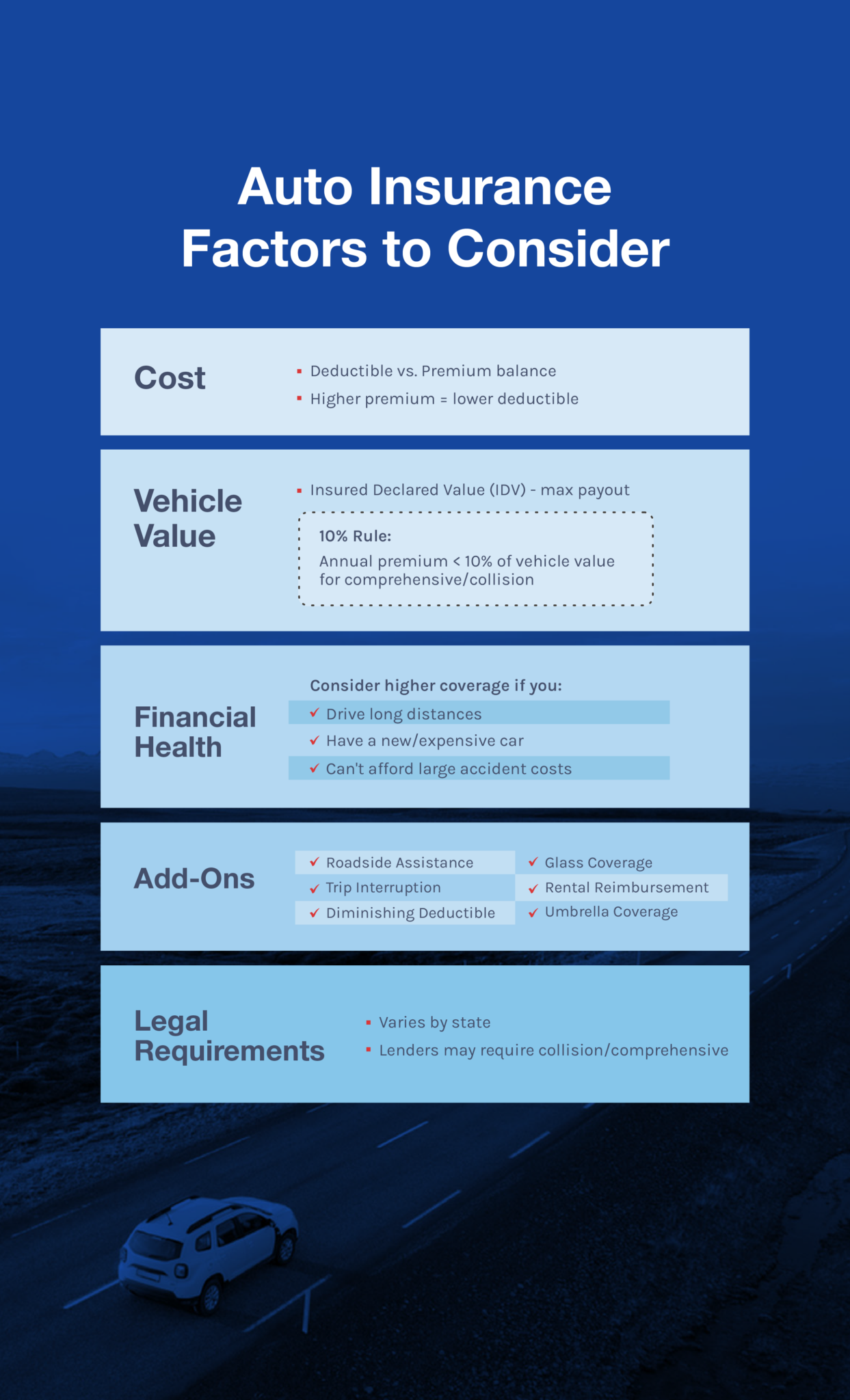
- Deductible Selection: Choosing a higher deductible (e.g., $1,000 instead of $250) lowers your annual comprehensive premium by shifting more initial financial risk to you.
- Storage Location: Parking your vehicle in a secured garage overnight rather than on a public street can lower comprehensive risk scores.
- AAA Membership Discounts: Maintaining active AAA roadside assistance membership often unlocks bundled policy discounts, paperless billing savings, and multi-policy discounts when combined with homeowners or renters coverage.
Frequently Asked Questions
Does AAA comprehensive coverage cover stolen personal items left inside my car?
No. Comprehensive coverage applies solely to the physical vehicle and its factory-installed parts. Personal belongings such as laptops, cell phones, tools, or clothing left inside the vehicle must be claimed under your renters, condo, or homeowners insurance policy.
Will filing a comprehensive claim with AAA increase my premium rates?
In most cases, comprehensive claims result in lower rate impacts than at-fault collision claims because non-collision events (like hailstorms or animal strikes) are outside your driving control. However, filing multiple comprehensive claims within a short timeframe may adjust your regional risk rating or affect non-fining discount eligibility depending on state insurance regulations.
What is the difference between AAA membership and AAA auto insurance?
AAA roadside assistance membership is a service program providing towing, battery jumps, and lockout assistance. AAA auto insurance is a separate legal insurance product that provides liability, comprehensive, and collision protection. While you often receive insurance discounts for being a roadside member, having a roadside membership does not automatically mean you carry AAA auto insurance.
Does AAA comprehensive insurance cover windshield repair or replacement?
Yes. Windshield and window damage caused by flying rocks, falling objects, or severe weather is covered under comprehensive insurance. Depending on your state laws and whether you selected a zero-deductible glass add-on, your glass repair or replacement may be covered without out-of-pocket costs.
What happens if my car is stolen and AAA pays the claim, but the car is found later?
If AAA pays out an actual cash value settlement for a total loss stolen vehicle, legal ownership of the vehicle transfers to the insurance company. If law enforcement subsequently recovers the vehicle, it belongs to AAA, which will typically sell it through a salvage auction to recoup its claim payout.
Next Steps for Vehicle Owners
To ensure your vehicle has appropriate physical protection against non-collision risks:
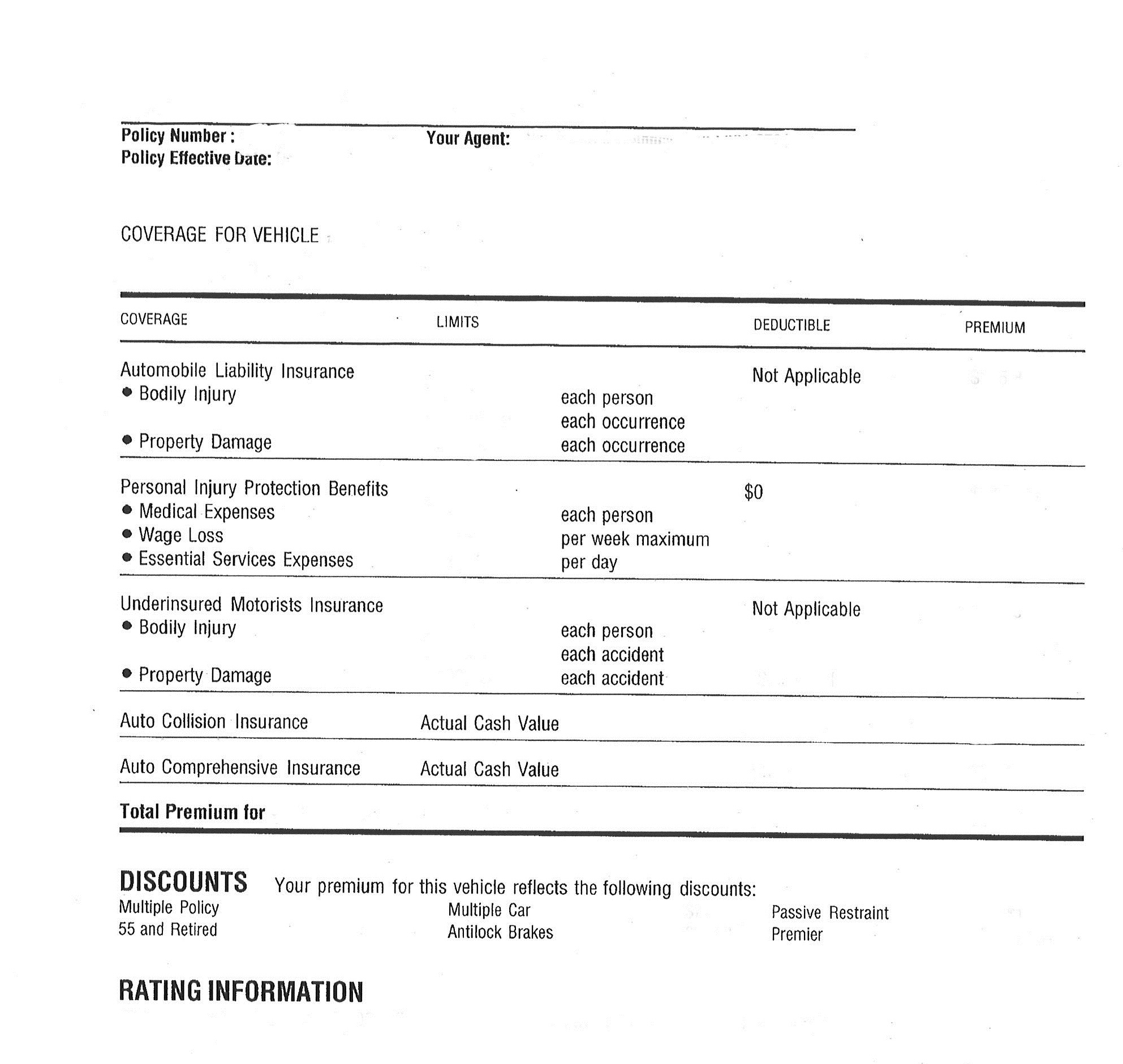
- Review Your Current Policy Declarations Page: Confirm whether comprehensive coverage is currently active on your vehicle and verify your selected deductible level.
- Assess Vehicle Market Value: Use valuation resources like Kelley Blue Book or NADA Guides to determine your car’s current Actual Cash Value. If your vehicle is worth less than $2,000–$3,000, evaluate whether carrying comprehensive coverage remains cost-effective.
- Check for Glass Coverage Options: Contact your regional AAA insurance agent to verify if zero-deductible glass coverage or OEM parts endorsements are available in your state.
- Bundle Coverage for Discounts: If you hold roadside assistance membership or maintain property insurance, request a comprehensive multi-policy quote through your local AAA club representative to optimize your rate.
Image Gallery