How the Nordstrom Labor Day Sale Shifts Modern Retail Strategies
The Nordstrom Labor Day sale has evolved from a traditional seasonal clearance into a sophisticated, data-driven mechanism for inventory rebalancing and high-intent customer acquisition. In 2026, it serves as a critical benchmark for t...
The Nordstrom Labor Day sale has evolved from a traditional seasonal clearance into a sophisticated, data-driven mechanism for inventory rebalancing and high-intent customer acquisition. In 2026, it serves as a critical benchmark for the luxury retail sector, signaling shifts in consumer spending habits and the efficacy of hyper-localized, omnichannel distribution models.
Contents
The Evolution of the Labor Day Sale in a 2026 Context
Historically, Labor Day sales were viewed by the retail industry as a final "clear out" of summer merchandise to make physical shelf space for autumn arrivals. However, by 2026, Nordstrom has transformed this window into a strategic pivot point. The distinction between the famed July Anniversary Sale—which focuses on new arrivals—and the Labor Day event has sharpened. While the former builds hype for the upcoming season, the Labor Day event now serves as a high-velocity data collection period that informs holiday season purchasing and logistical planning.
In the current retail climate, Nordstrom utilizes the Labor Day period to test price elasticity across various demographics. Instead of blanket discounts across all categories, the 2026 strategy involves surgical price adjustments driven by artificial intelligence. This approach allows the retailer to maintain brand equity by avoiding the "perpetual sale" trap that has plagued mid-tier department stores. By shifting the focus from mere liquidation to strategic inventory flow, Nordstrom sets a tempo that competitors are increasingly forced to follow.
The significance of this shift cannot be overstated. As global supply chains have become more resilient yet complex, the ability to move specific stock volumes within a four-day window provides Nordstrom with the liquidity and warehouse capacity needed for the high-margin Q4 rush. This isn't just about selling t-shirts at a discount; it is about optimizing the entire enterprise-level balance sheet before the fiscal year's final quarter.
Data-Driven Inventory Rebalancing and Algorithmic Pricing
One of the most significant shifts in retail strategy highlighted by the Nordstrom Labor Day sale is the move toward algorithmic pricing models. In 2026, Nordstrom’s pricing engine evaluates real-time sell-through rates, competitor pricing, and even regional weather forecasts to determine discount depths. This means a North Face jacket might see a steeper discount in a Nordstrom location in Southern California than one in Seattle, where early autumn demand is higher.
This granular approach to discounting represents a departure from the "one-price-fits-all" model of the past. Retailers are now prioritizing the "Quality of Sale" over sheer volume. By using the Labor Day sale to clear specific "laggard" SKUs (Stock Keeping Units) identified by predictive analytics, Nordstrom ensures that its inventory remains "fresh." This freshness is a key metric for luxury consumers who frequent the store for its curated, trend-forward selection.
Furthermore, these pricing strategies are deeply integrated with the Nordy Club loyalty program. Members often receive personalized "early access" or additional "Bonus Note" incentives during the Labor Day weekend. This creates a closed-loop data environment where Nordstrom can track how a discount on an entry-level luxury item (like a fragrance or accessory) might lead to a full-price purchase in a high-margin category (like designer footwear) later in the season.
The Omnichannel Integration: Nordstrom Local and Micro-Hubs
The 2026 Nordstrom Labor Day sale serves as a stress test for the company’s "Market Strategy," which leverages physical stores as fulfillment hubs. The retail industry has shifted away from centralized distribution toward a decentralized model where the store is the warehouse. During high-traffic events like the Labor Day sale, Nordstrom utilizes its Nordstrom Local service hubs to handle returns, alterations, and rapid order pickups, effectively decoupling the "transaction" from the "shopping experience."
This shift in strategy addresses a major pain point in retail: the cost of last-mile delivery and the logistical nightmare of holiday returns. By incentivizing "Buy Online, Pick Up In-Store" (BOPIS) during the sale, Nordstrom reduces its shipping overhead while increasing the likelihood of incremental "impulse" purchases once the customer is inside the physical environment.
| Strategic Element | Traditional Retail Approach | 2026 Nordstrom Strategy |
|---|---|---|
| Inventory Focus | Broad-based summer liquidation | AI-driven SKU-specific rebalancing |
| Pricing Model | Static, store-wide percentages | Dynamic, localized algorithmic pricing |
| Customer Engagement | Transactional, mass-marketing | Personalized via Nordy Club data loops |
| Fulfillment | Warehouse-to-consumer shipping | Micro-hub fulfillment and Nordstrom Local |
| Return Strategy | Reactive, cost-heavy processing | Integrated service hubs for rapid restock |
The table above illustrates how the Labor Day sale is no longer a standalone event but a component of a broader, technologically integrated ecosystem. For other retailers, the Nordstrom model provides a blueprint for how to handle the transition from summer to fall without sacrificing profit margins to excessive shipping costs or bloated inventory.
The "New Luxury" Consumer and Aspirational Spending
In 2026, the definition of the "aspirational shopper" has changed. Economic shifts have made consumers more discerning, favoring "quiet luxury" and high-durability goods over fast fashion. Nordstrom’s Labor Day sale reflects this by featuring significant markdowns on "investment pieces"—high-quality coats, leather goods, and premium denim.
By offering these items during a traditional sale window, Nordstrom captures the segment of the market that may be priced out of full-price designer collections but remains loyal to the Nordstrom brand experience. This is a defensive strategy against the rise of resale platforms and direct-to-consumer (DTC) brands. When a consumer can purchase a new, warrantied luxury item at Nordstrom for a price comparable to a pre-owned item on a secondary market, Nordstrom secures the long-term Customer Lifetime Value (CLTV).
The retail strategy here is one of "brand onboarding." The Labor Day sale acts as a gateway for younger, high-potential earners to enter the Nordstrom ecosystem. Once they have experienced the "Nordstrom way"—including the renowned customer service and ease of returns—they are more likely to return for full-price purchases throughout the rest of the year.
Supply Chain Transparency and Ethical Consumerism
A subtle but important shift in retail strategy highlighted by recent sales events is the emphasis on supply chain transparency. In 2026, Nordstrom often highlights "Sustainable Style" categories during its major sales. This isn't just marketing; it is a response to regulatory pressures and consumer demand for ethical sourcing.
During the Labor Day sale, items that meet specific environmental or social criteria are often given higher visibility in the digital storefront. This strategy allows Nordstrom to move high-volume inventory while reinforcing its commitment to Corporate Social Responsibility (CSR). For the broader retail industry, this demonstrates that "sale" and "sustainability" are not mutually exclusive. In fact, clearing inventory efficiently is a core component of a sustainable business model, as it prevents the environmental waste associated with unsold goods ending up in landfills or being incinerated.
Navigating the Sale: A Guide for the Strategic Shopper
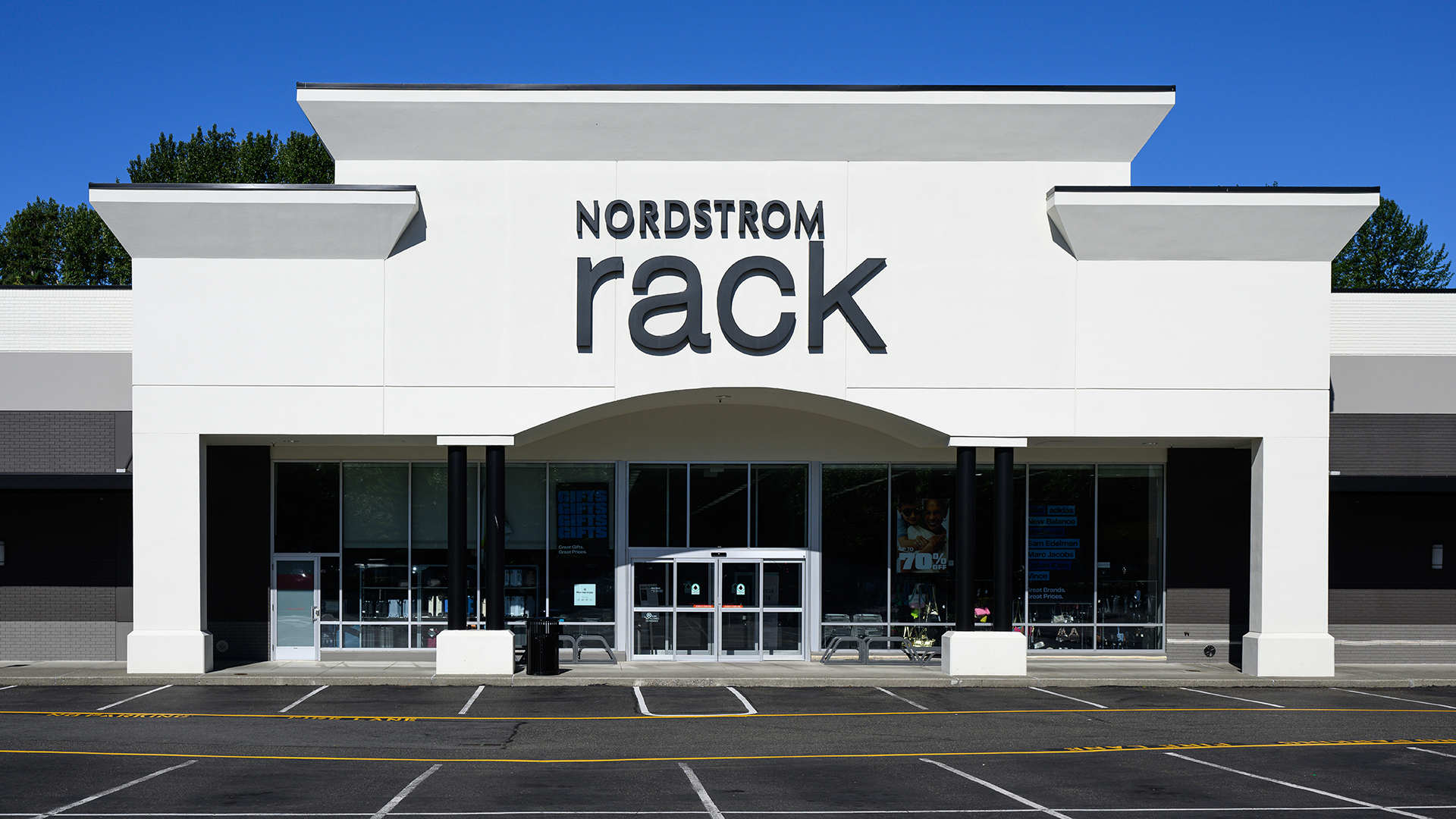
For consumers and retail analysts alike, navigating the Nordstrom Labor Day sale requires an understanding of these underlying strategies. Because the sale is so heavily influenced by real-time data, the "best" deals are often found in the first 24 hours of the digital launch or in the "Nordstrom Rack" off-price division, which receives the overflow of the primary store's clearance.
Strategic shoppers in 2026 utilize the Nordstrom app to set "price drop" alerts on specific items weeks in advance. This allows them to bypass the noise of the general sale and target the high-value investment pieces that the AI has earmarked for a temporary markdown. For retailers, observing this behavior provides invaluable insights into which brands possess the most "staying power" in the eyes of the consumer.
Frequently Asked Questions
1. When does the Nordstrom Labor Day sale typically begin? While the dates vary slightly each year, the sale generally starts the Wednesday prior to Labor Day and concludes the following Tuesday. In 2026, the digital early-access window is expected to open on August 26th for top-tier Nordy Club members, with the general public gaining access on August 28th.
2. How do Nordstrom’s Labor Day discounts compare to the Anniversary Sale? The Anniversary Sale is unique because it features new arrivals for the upcoming season at limited-time prices. The Labor Day sale, conversely, focuses on clearing current and past-season inventory. Therefore, the discounts during Labor Day are often deeper (up to 60% off) but the selection may be more limited in terms of sizes and colors.
3. Does the sale include beauty and fragrance products? Yes, though beauty markdowns are usually structured as "Gift with Purchase" or limited-time "Daily Deals" rather than flat percentage discounts across the entire category. Nordstrom uses these promotions to maintain price parity with luxury beauty brands while still providing value to the customer.
4. Can Labor Day sale items be returned under Nordstrom’s standard policy? Nordstrom generally maintains its flexible return policy even for sale items, which is a major competitive advantage. However, items marked as "Final Sale" (typically found at Nordstrom Rack during the same period) are usually non-returnable. Always check the specific item's product page for "Final Sale" designations.
5. Is the sale available at Nordstrom Rack simultaneously? Yes, Nordstrom Rack often runs a concurrent "Clear the Rack" event during Labor Day weekend. This event offers an additional percentage off (often 25%) on already-red-pencilled clearance items, making it the most aggressive pricing tier in the Nordstrom ecosystem.
Practical Recommendation for Retailers and Consumers
For retail executives, the takeaway from Nordstrom’s 2026 strategy is clear: embrace the data. The era of the "gut-feeling" markdown is over. Success in the current market requires an integrated approach where loyalty data, regional logistics, and algorithmic pricing work in concert.
For consumers, the recommendation is to shop with intent. Rather than browsing aimlessly, identify the gaps in your wardrobe—specifically high-quality staples—and use the Labor Day sale to acquire them at a fraction of their mid-season cost. By understanding that Nordstrom is using this sale to rebalance its inventory, you can position yourself to benefit from the retailer's need for liquidity and space.
As we move toward the final quarter of 2026, the Nordstrom Labor Day sale remains more than just a shopping event; it is a masterclass in modern retail agility.
Image Gallery