Comprehensive Guide to Study Abroad Veterinary Medicine in 2026
Studying veterinary medicine abroad provides students with access to world-class clinical facilities, diverse animal populations, and potentially lower tuition costs. Success requires selecting an institution accredited by major bodies...
Studying veterinary medicine abroad provides students with access to world-class clinical facilities, diverse animal populations, and potentially lower tuition costs. Success requires selecting an institution accredited by major bodies like the AVMA or RCVS to ensure global license portability. The process involves meeting rigorous science prerequisites, securing clinical experience, and navigating international certification pathways.
Contents
Pursuing a Doctor of Veterinary Medicine (DVM) or its international equivalent—such as a Bachelor of Veterinary Science (BVSc)—outside one’s home country is a significant strategic move. In 2026, the global demand for veterinarians remains high, but domestic university spots in regions like North America and the UK are more competitive than ever. For many, looking across borders is no longer a "Plan B," but a primary strategy to access specialized research in tropical medicine, equine surgery, or wildlife conservation.
Why Pursue Veterinary Studies Internationally?
The decision to study abroad is often driven by a combination of academic rigor, specialization opportunities, and admission statistics. Domestic veterinary schools often have acceptance rates below 10%, leaving thousands of qualified candidates searching for alternatives.
Diverse Clinical Exposure
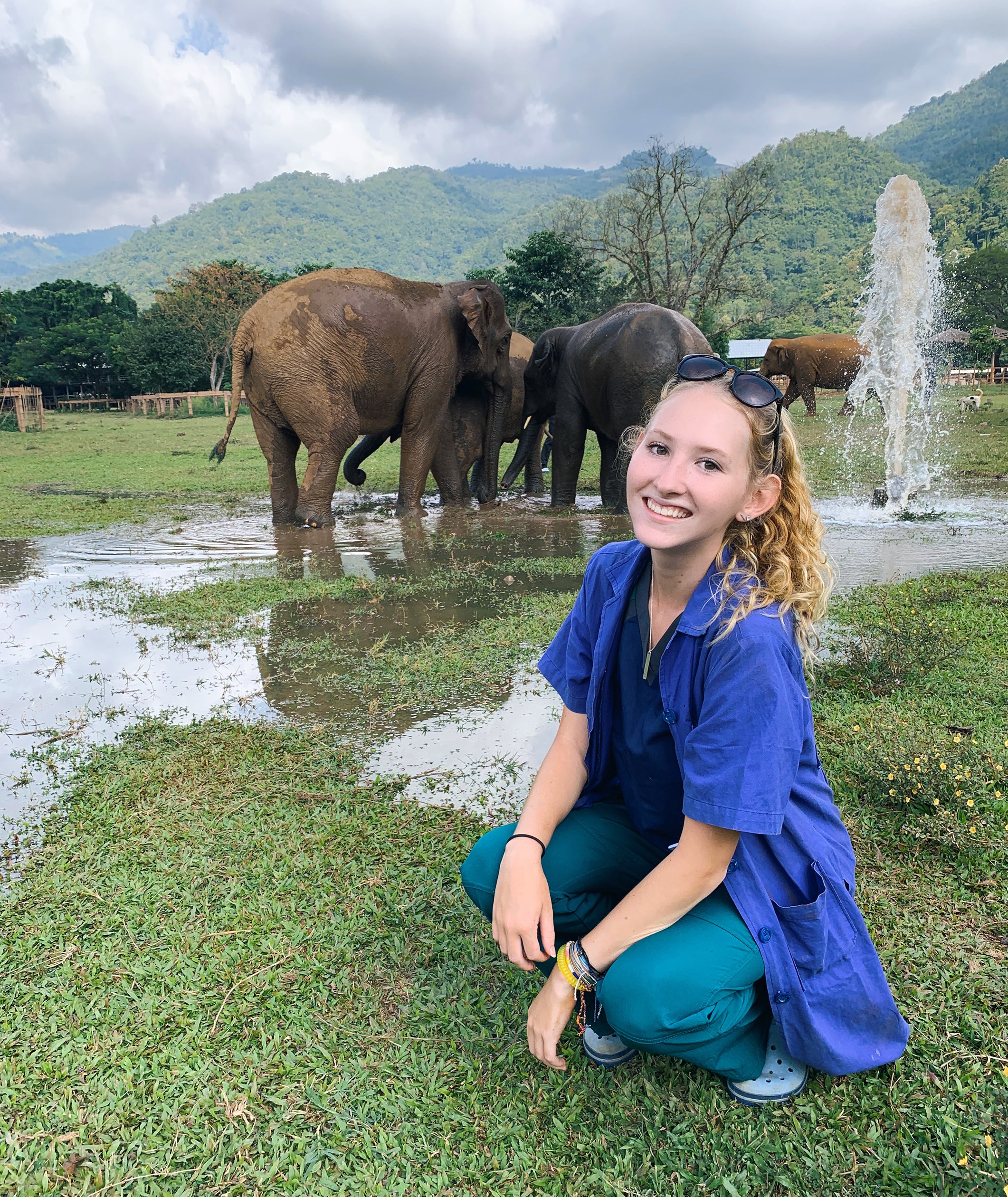
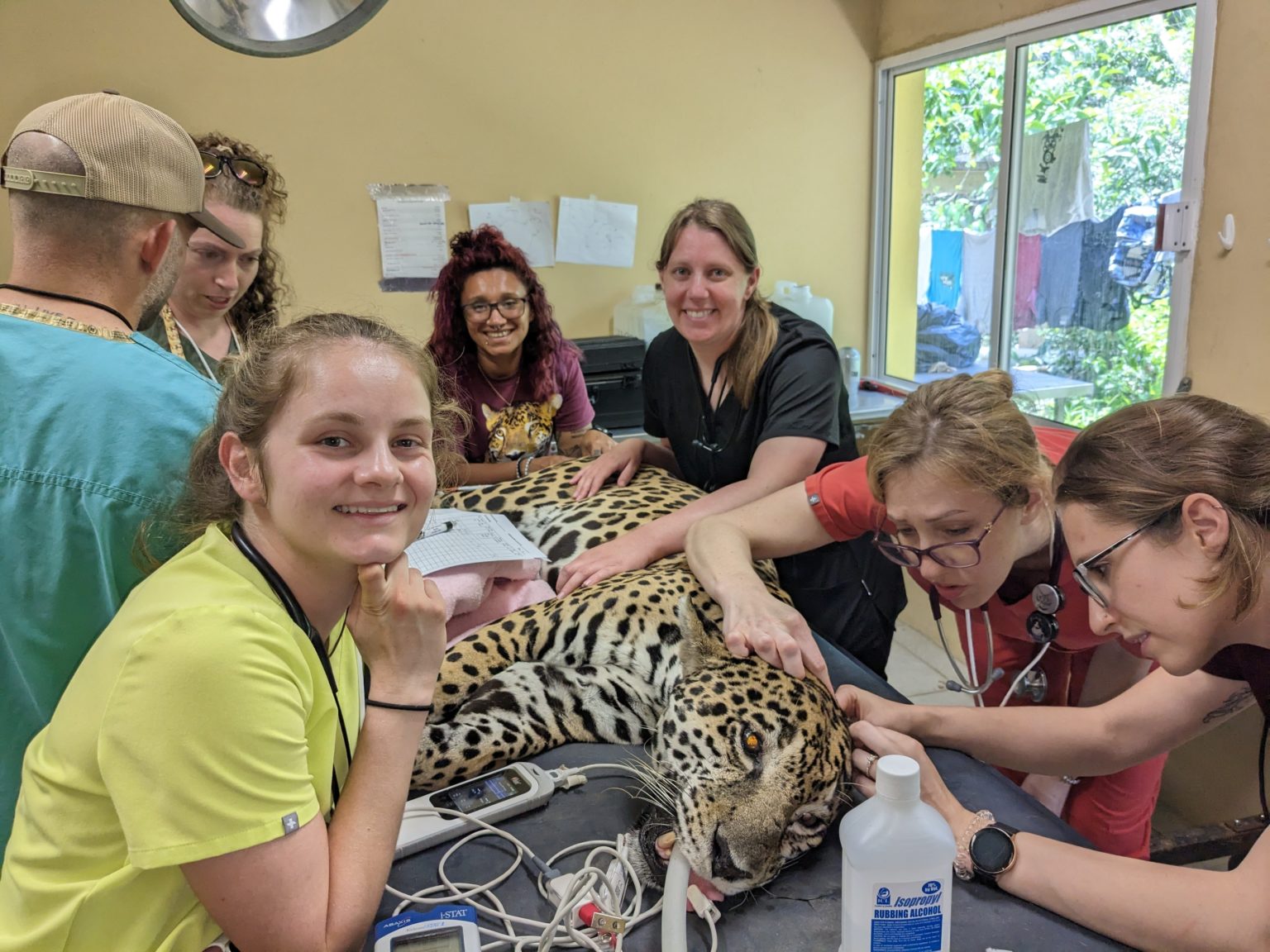
Students studying in regions like Australia or South Africa gain hands-on experience with wildlife and livestock species that are rarely encountered in Northern Hemisphere clinics. Conversely, students heading to Europe may benefit from centuries of established equine and small animal medical traditions. This diversity in "patient" populations makes for a more adaptable and culturally competent practitioner.
Cost-Effectiveness and Quality
While top-tier schools in the UK or Australia can be expensive, many high-quality programs in Central Europe (such as Poland or Hungary) offer English-taught degrees at a fraction of the cost of private US institutions. In 2026, these programs are increasingly recognized for their modern laboratories and high passing rates on international licensing exams.
Understanding Global Accreditation and License Portability
The most critical factor in choosing an international program is accreditation. Without it, returning to your home country to practice can involve years of remedial testing and thousands of dollars in fees.
The Gold Standards of Accreditation
- AVMA (American Veterinary Medical Association): Schools accredited by the AVMA Council on Education (COE) allow graduates to sit for the North American Veterinary Licensing Examination (NAVLE) just like graduates of US schools.
- RCVS (Royal College of Veterinary Surgeons): This is the governing body in the UK. Many RCVS-accredited schools also hold AVMA accreditation, creating a "global degree."
- EAEVE (European Association of Establishments for Veterinary Education): This ensures a standard of quality across Europe. While not always directly recognized by the AVMA, EAEVE accreditation simplifies moving between European nations.
- AVBC (Australasian Veterinary Boards Council): Critical for those wishing to practice in Australia or New Zealand.
If a school is not accredited by the body in the country where you intend to practice, you must undergo an equivalency process. In the United States, this is typically the ECVFG (Education Commission for Foreign Veterinary Graduates) or PAVE (Program for the Assessment of Veterinary Education Equivalence) pathways. These processes are notoriously difficult and time-consuming, making accredited schools a much safer investment.
Core Requirements and Eligibility for 2026 Applicants
Applying for a veterinary program abroad in 2026 requires a mix of academic excellence and proven "animal-side" manner.
Academic Prerequisites
Most international programs require a strong foundation in the "hard" sciences. For graduate-entry programs (common in the US and Caribbean), a bachelor's degree is often required. For undergraduate-entry programs (common in the UK, Europe, and Australia), students can enter directly from high school but must show top marks in:
- Biology and Genetics: Fundamental understanding of cellular life and heredity.
- Chemistry: Usually including Organic Chemistry and Biochemistry.
- Physics and Mathematics: Essential for understanding medical imaging and pharmacology dosing.
Veterinary and Animal Experience
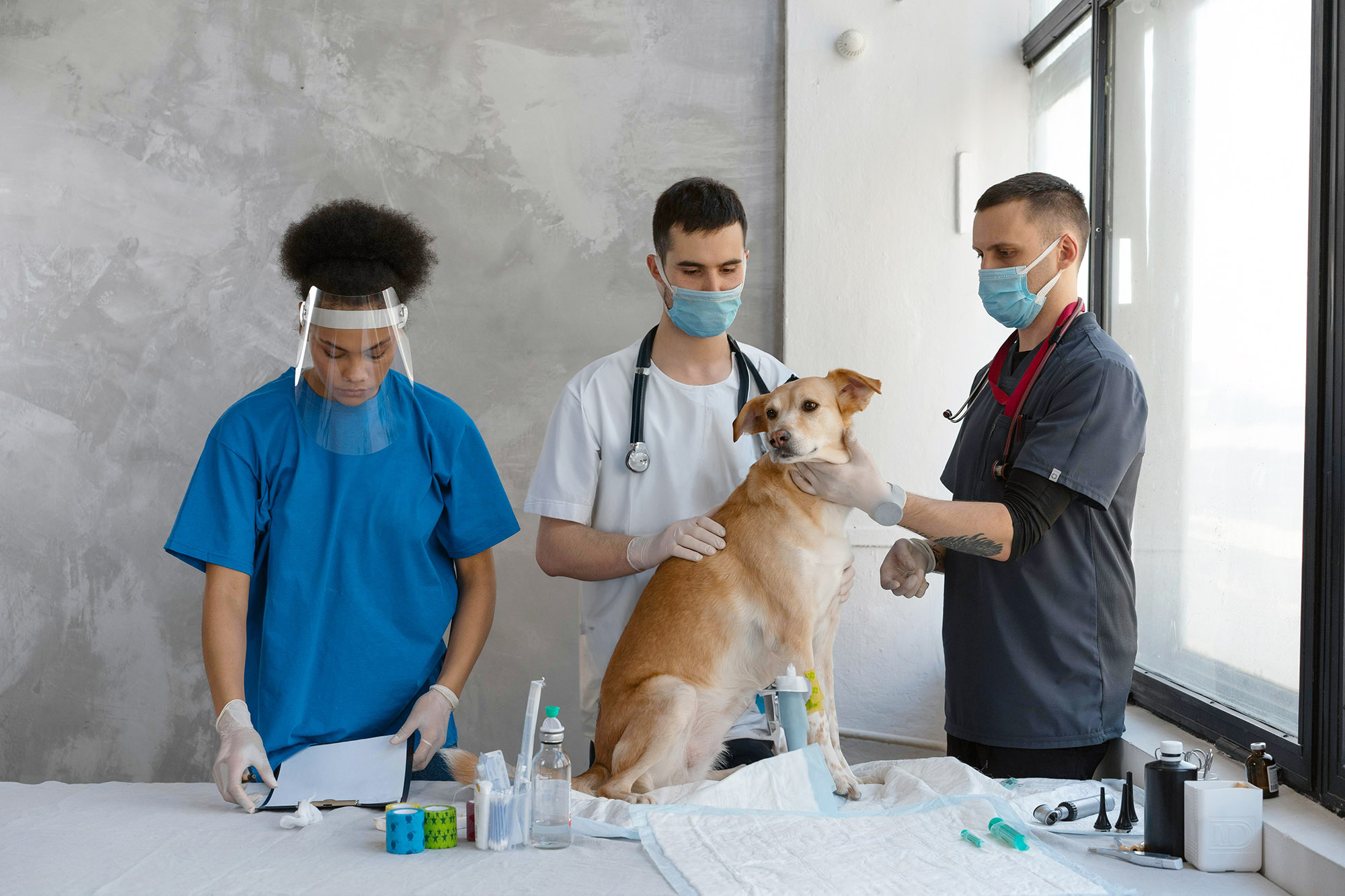
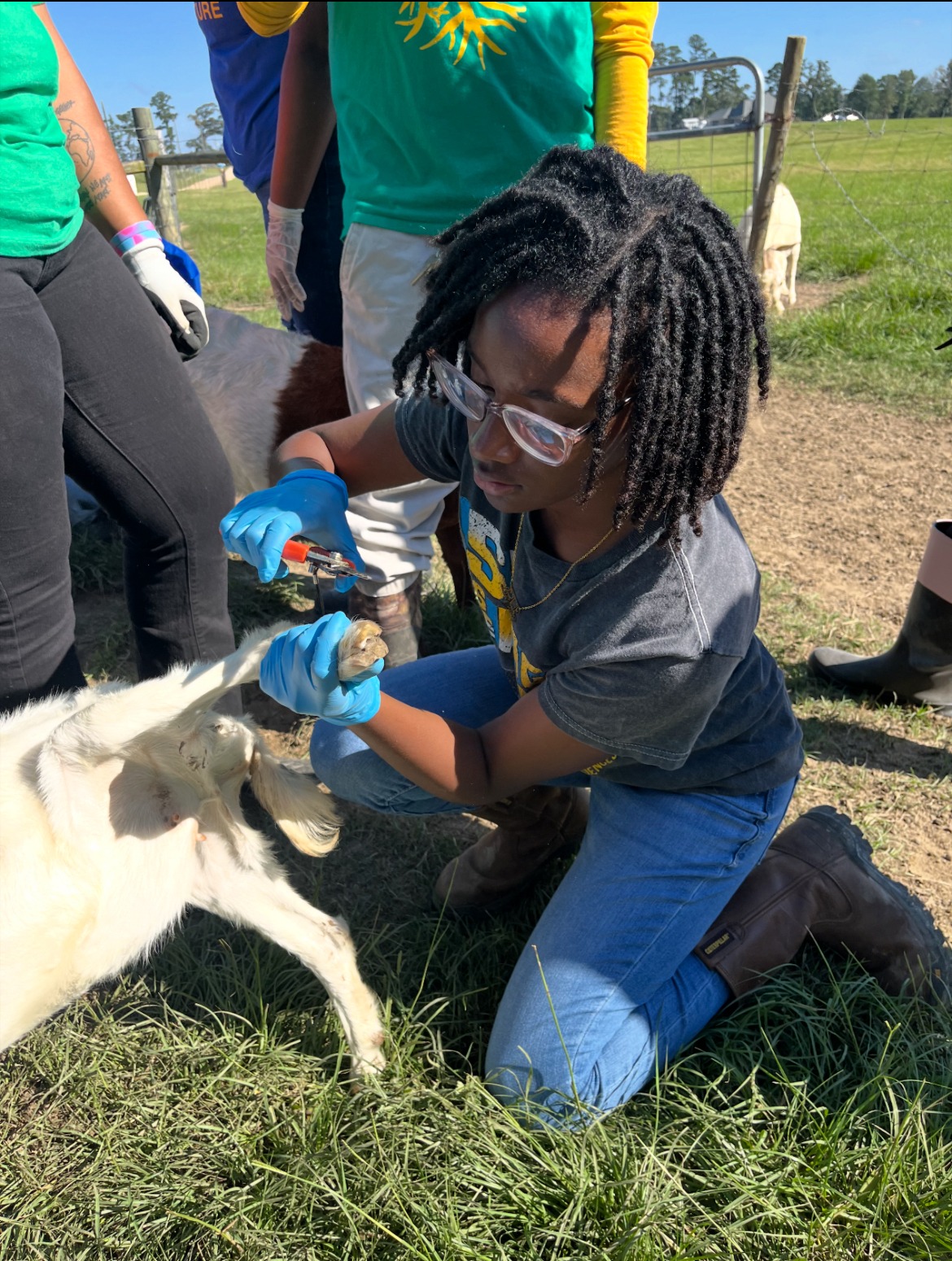
Successful applicants usually demonstrate at least 500 to 1,000 hours of experience. This is often split between "veterinary experience" (shadowing a licensed vet in a clinical setting) and "animal experience" (working on farms, at shelters, or in wildlife rehabilitation). In 2026, admissions committees are looking for "quality over quantity," favoring students who have seen the "un-glamorous" side of the profession, such as euthanasia and long surgery hours.
Standardized Testing and Language
The GRE (Graduate Record Examination) is becoming less common but is still required by some Caribbean and Australian schools. For those studying in a non-native language, the IELTS or TOEFL is mandatory, often requiring high scores (e.g., an IELTS 7.5) to ensure the student can handle complex medical terminology.
Top Destinations for International Veterinary Students
Different regions offer distinct advantages depending on the student's career goals and financial situation.
| Destination | Primary Degree Type | Typical Duration | Major Accreditation | Estimated Annual Tuition (USD) |
|---|---|---|---|---|
| United Kingdom | BVSc / BVM&S | 5 Years | RCVS, AVMA, EAEVE | $45,000 - $65,000 |
| The Caribbean | DVM | 4 Years | AVMA (Select Schools) | $50,000 - $70,000 |
| Australia | BVSc / DVM | 5-6 Years | AVBC, AVMA, RCVS | $40,000 - $60,000 |
| Poland / Hungary | DVM / Lek. wet. | 5.5 - 6 Years | EAEVE | $10,000 - $18,000 |
| Ireland | MVB | 5 Years | AVMA, RCVS | $50,000 - $55,000 |
The United Kingdom: The Academic Pinnacle
Institutions like the Royal Veterinary College (RVC) in London or the University of Edinburgh are consistently ranked in the top five globally. They offer a deep focus on research and have vast networks for clinical rotations. Most UK programs are "dual-accredited," meaning you can work in London, New York, or Sydney without further examinations.
The Caribbean: The Accelerated Pathway
St. George’s University (SGU) in Grenada and Ross University in St. Kitts are popular for North American students. Their model usually involves three years of pre-clinical study on the island and a final clinical year at an affiliated US or UK university. This allows students to gain international experience while integrating into the healthcare system where they eventually plan to work.
Central Europe: The Budget-Friendly Excellence
Poland (e.g., Warsaw University of Life Sciences) and Hungary (e.g., University of Veterinary Medicine Budapest) offer rigorous English-language programs. These are excellent for students who are self-funding their education. While they may not all be AVMA-accredited, they provide a direct path to practicing within the European Union and are recognized by the RCVS for certain registration pathways.
The Journey from Graduation to Licensure
Completing the degree is only the first step. To legally treat animals, you must navigate the licensing laws of your specific jurisdiction.
The NAVLE (North America)
Graduates from AVMA-accredited international schools can sit for the North American Veterinary Licensing Examination. This 360-question, computer-based exam is the standard for the US and Canada. If you attend a non-accredited school, you must complete the ECFVG or PAVE certifications before you are even eligible to sit for the NAVLE.
RCVS Statutory Membership Exam
If you graduate from a non-UK school and wish to practice in Britain, you may need to sit for the RCVS Statutory Membership Exam. However, due to mutual recognition agreements, graduates from many European, Australian, and South African schools can register directly with the RCVS.
Financial Planning and Scholarships
Studying veterinary medicine is a significant financial undertaking. In 2026, tuition inflation has made budgeting more critical than ever.
- Federal Loans: US students can often use Title IV federal loans for accredited schools abroad (like RVC or SGU).
- Private Sponsorships: Many veterinary pharmaceutical companies and large corporate practices (like VCA or Mars Veterinary Health) offer scholarships in exchange for post-graduation work commitments.
- Local Cost of Living: While tuition is a fixed cost, living in London or Sydney is significantly more expensive than living in St. Kitts or Budapest. Students must factor in international health insurance, visa fees, and annual flights home.
Frequently Asked Questions
Is it harder to get into vet school abroad?
It depends on the region. Top UK schools are as competitive as US schools. However, Caribbean and some European schools have larger class sizes and rolling admissions, which can provide a more accessible entry point for students with strong clinical experience but slightly lower GPAs.
Can I practice in the US with a degree from Europe?
Yes, provided you either graduate from an AVMA-accredited European school (like RVC, Edinburgh, Dublin, or Utrecht) or complete the ECFVG/PAVE equivalency pathways for non-accredited schools.
Do I need to know a second language?
For English-taught programs in Poland, Hungary, or the Czech Republic, the lectures are in English. However, you will need basic local language skills for your clinical years to communicate with animal owners (clients) in the local community.
What are clinical rotations like abroad?
In the Caribbean model, you often spend your final year at a different university in the US or UK. In the UK/Australian model, you spend "Extra-Mural Studies" (EMS) weeks working in various private practices and specialized hospitals across the country to gain a broad range of experience.
Practical Recommendations for Prospective Students
If you are planning to study veterinary medicine abroad in 2026, your first action should be to verify the accreditation status of your target schools through official portals like the AVMA website or the RCVS register.
Secondly, start your clinical shadowing immediately. International admissions boards value a realistic understanding of the profession. Finally, consult with a specialized educational consultant who understands the nuances of the VMCAS (Veterinary Medical College Application Service) for international applications, as deadlines can differ significantly from domestic timelines.
Image Gallery