Denver Mountain Time Explained: Navigating the 105th Meridian
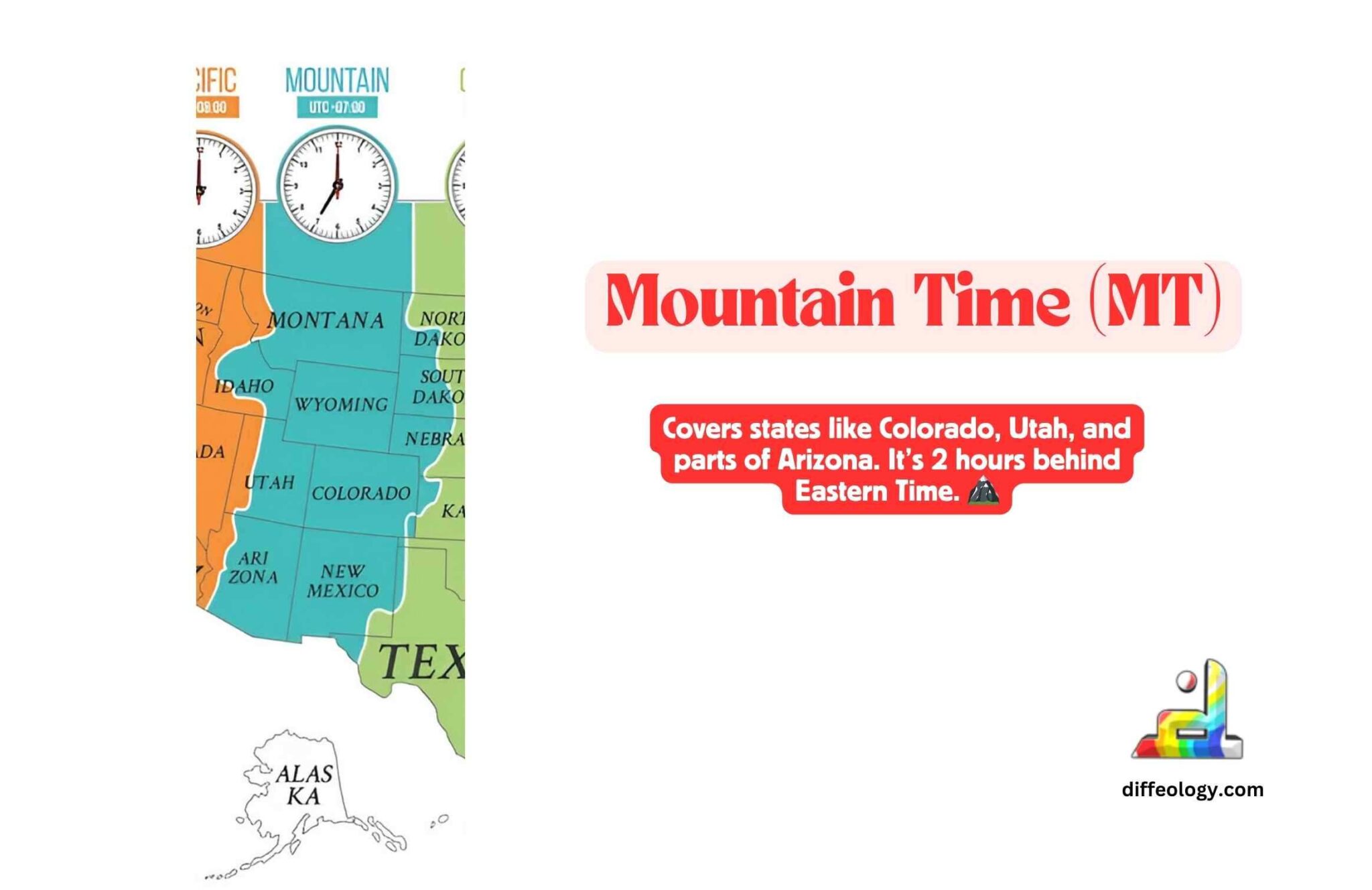
Denver, Colorado, operates within the Mountain Time Zone, alternating between Mountain Standard Time (MST, UTC-7) during winter months and Mountain Daylight Time (MDT, UTC-6) during the summer. As the most populous city in the Mountain...
Denver, Colorado, operates within the Mountain Time Zone, alternating between Mountain Standard Time (MST, UTC-7) during winter months and Mountain Daylight Time (MDT, UTC-6) during the summer. As the most populous city in the Mountain Time Zone, Denver serves as the primary chronological anchor for the Rocky Mountain region.
Contents
In 2026, Denver continues to follow the seasonal transition of clocks, a practice dictated by federal standards and state legislation. Understanding Denver's timekeeping requires an appreciation of its geographic location on the 105th meridian, its relationship with neighboring zones, and the specific legislative efforts surrounding Daylight Saving Time (DST) in the state of Colorado.
The Fundamentals of Mountain Time in Denver
The Mountain Time Zone is one of the four primary time zones in the contiguous United States. Denver’s specific relationship with time is governed by its longitudinal position. The city is situated almost exactly on the 105th meridian west of Greenwich, which is the "central" meridian for the Mountain Time Zone. This geographical alignment means that "true" solar noon in Denver occurs very close to 12:00 PM local time during the periods when Mountain Standard Time is observed.
Mountain Standard Time (MST) vs. Mountain Daylight Time (MDT)
Denver transitions between two distinct time standards throughout the year:
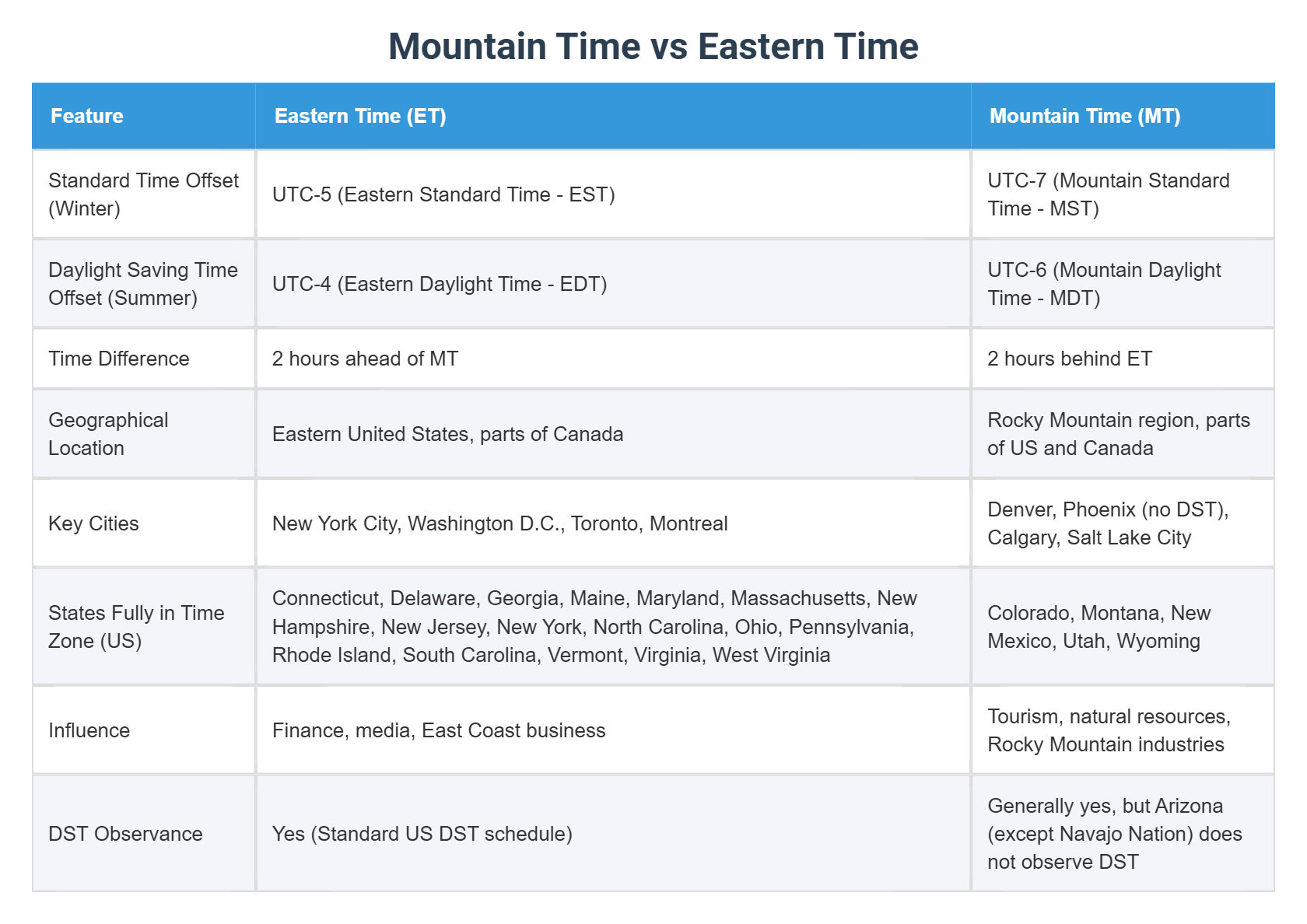
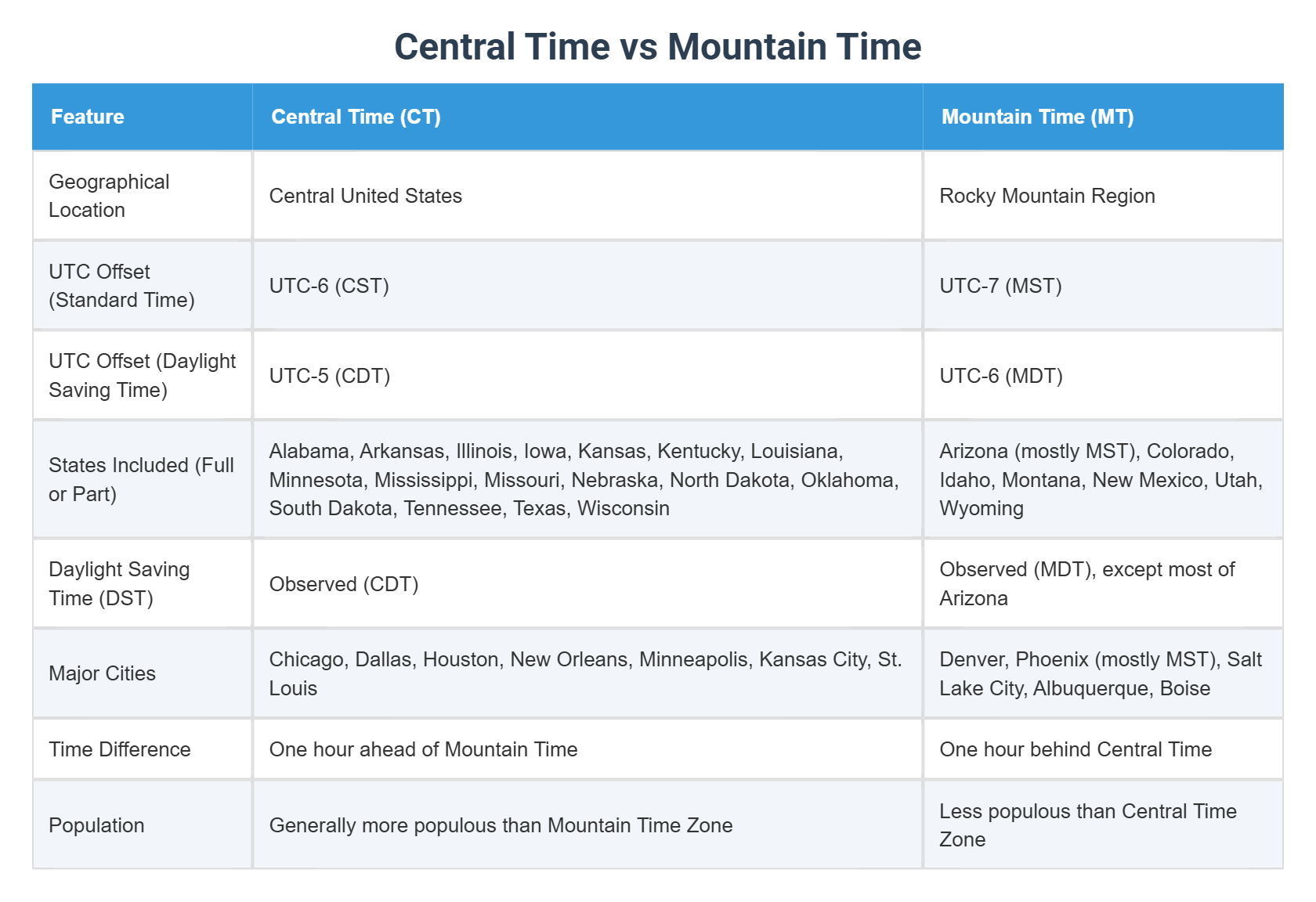
- Mountain Standard Time (MST): This is the baseline time, calculated as UTC-7. It is observed from the first Sunday in November until the second Sunday in March.
- Mountain Daylight Time (MDT): This is the "daylight saving" version of the zone, calculated as UTC-6. It is observed from the second Sunday in March until the first Sunday in November.
The shift to MDT is designed to "save" daylight by moving an hour of light from the morning to the evening, a change particularly impactful in Denver due to the city’s high altitude and clear atmosphere, which can result in long, bright summer evenings.
2026 Time Transition Dates for Denver
For residents, travelers, and businesses operating in 2026, the transitions occur on the following dates:
- Spring Forward: On Sunday, March 8, 2026, at 2:00 AM, clocks move forward to 3:00 AM. Denver transitions from MST to MDT.
- Fall Back: On Sunday, November 1, 2026, at 2:00 AM, clocks move back to 1:00 AM. Denver transitions from MDT back to MST.
These changes are synchronized with the majority of the United States, facilitating easier communication with the East and West coasts. However, it is essential to remember that certain neighboring areas, specifically the state of Arizona (excluding the Navajo Nation), do not observe Daylight Saving Time and remain on Mountain Standard Time year-round. This creates a seasonal "time gap" between Denver and Phoenix during the summer months.
Geographic and Economic Context of the Mountain Zone
Denver is often referred to as the "Wall Street of the West," and its position in the Mountain Time Zone plays a significant role in its economic identity. Being in the middle of the country allows Denver-based businesses to communicate with both New York (Eastern Time) and San Francisco (Pacific Time) during standard business hours with minimal overlap issues.
The "Mountain Time Advantage" for Business
The two-hour difference from the East Coast and one-hour difference from the West Coast places Denver in a unique strategic position.
- National Coordination: A business day starting at 8:00 AM in Denver aligns with 10:00 AM in New York and 7:00 AM in Los Angeles. This allows for a "golden window" of several hours where all continental U.S. offices are active simultaneously.
- Telecommunications Hub: Denver’s location on the 105th meridian historically made it a prime location for satellite uplinks. Because it is centrally located, satellite signals can reach both coasts and even international destinations with higher efficiency than coastal hubs.
Coordination with Neighboring States
Denver’s time zone is shared by several other major Western hubs, including Salt Lake City, Utah; Boise, Idaho; Albuquerque, New Mexico; and Cheyenne, Wyoming. When coordinating logistics or travel between these cities, there is no time change, which simplifies regional commerce and the heavy traffic seen at Denver International Airport (DEN).
Legislative Status: The Future of DST in Colorado
As of 2026, the debate regarding permanent Daylight Saving Time remains a significant topic in Colorado. In 2022, Governor Jared Polis signed the "Daylight Saving Time Designation" bill (SB22-012) into law. This legislation established that Colorado would transition to permanent Mountain Daylight Time (MDT) if two conditions were met:
- Federal Authorization: The U.S. Congress must pass a law (such as the Sunshine Protection Act) allowing states to remain on Daylight Saving Time year-round. Under current federal law, states can opt out of DST to stay on Standard Time permanently (like Hawaii and Arizona), but they cannot currently choose to stay on Daylight Saving Time year-round.
- Regional Cooperation: At least four other states in the Mountain Time Zone must also pass similar legislation to ensure regional consistency.
Because the federal government has not yet provided the necessary authorization as of early 2026, Denver continues to observe the biannual clock change. For travelers and tech-dependent industries, this means maintaining systems that automatically update for the March and November transitions.
Regional Time Comparisons (2026 Reference)
To visualize how Denver relates to other major global and domestic hubs, the following table illustrates the offsets during both the Standard and Daylight periods.
| City | Time Zone Name | Offset from Denver (Winter/MST) | Offset from Denver (Summer/MDT) |
|---|---|---|---|
| New York, NY | Eastern Time | +2 Hours | +2 Hours |
| Chicago, IL | Central Time | +1 Hour | +1 Hour |
| Phoenix, AZ | Mountain Standard* | 0 Hours | -1 Hour |
| Los Angeles, CA | Pacific Time | -1 Hour | -1 Hour |
| London, UK | GMT / BST | +7 Hours | +7 Hours |
| Tokyo, Japan | JST | +16 Hours | +15 Hours |
*Arizona does not observe DST. During Denver's summer (MDT), Phoenix is effectively aligned with Pacific Daylight Time.
Technical Coordination and UTC Synchronization
For software developers, server administrators, and global logistics providers in Denver, relying on "Mountain Time" is less precise than using Coordinated Universal Time (UTC). In technical environments, Denver is defined by the America/Denver TZ database string.
Why the America/Denver ID Matters
Using the "America/Denver" identifier in computing ensures that systems automatically account for historical changes in time zone rules and the specific transition dates of DST. If a server is set simply to "MST," it may fail to transition to "MDT" in March, leading to a one-hour discrepancy in logs, transaction timestamps, and scheduled tasks.
High-Altitude Impacts on Time Perception
While not a physical change in time, the "mountain lifestyle" in Denver often dictates a schedule that prioritizes morning hours. Due to the proximity of the Rocky Mountains, the sun sets "earlier" behind the peaks than the official sunset time might suggest for those in the shadows of the Front Range. This environmental factor often leads to an earlier start to the workday for those in the outdoor recreation and construction industries.
FAQs About Denver Mountain Time
Does Denver change its time at the same time as the rest of the US?
Yes. Denver follows the federal schedule for Daylight Saving Time as established by the Energy Policy Act of 2005. The transitions occur at 2:00 AM local time on the second Sunday of March and the first Sunday of November. This synchronizes Denver with other major U.S. cities that observe DST, such as New York, Chicago, and Los Angeles.
Why is Arizona sometimes the same time as Denver and sometimes not?
Arizona stays on Mountain Standard Time (MST) year-round. During the winter (November to March), Denver is also on MST, so the times are identical. In the summer (March to November), Denver moves to Mountain Daylight Time (MDT), which is one hour ahead of MST. Therefore, during the summer, Denver is one hour ahead of Phoenix.
Is Denver 2 hours behind New York year-round?
Yes, Denver is consistently two hours behind New York City. Both Colorado and New York observe Daylight Saving Time and transition on the same dates. Whether both are on Standard Time or both are on Daylight Time, the two-hour gap remains constant.
What happens if I am at Denver International Airport during a time change?
Denver International Airport (DEN) is a major hub. If you are at the airport at 2:00 AM on a transition Sunday, the flight boards and schedules will update immediately. Airlines generally account for the time change in their scheduling, but travelers with early morning flights on "Spring Forward" Sunday should be particularly cautious, as they "lose" an hour of sleep and preparation time.
Is Colorado going to stop changing clocks?
Colorado has passed a law to move to permanent Daylight Saving Time (remaining on the "summer" time year-round). However, this law cannot go into effect until the U.S. federal government changes its regulations to allow states to stay on Daylight Saving Time permanently. Until then, Denver will continue to change clocks twice a year.
Practical Recommendations for Coordination
When managing schedules in Denver, especially for those working remotely or traveling, the most effective strategy is to use digital tools that utilize location-based time settings rather than manual offsets.
- For Remote Workers: Set your calendar primary time zone to "Mountain Time - Denver" to ensure that meeting invites correctly adjust for DST transitions when communicating with colleagues in different zones.
- For Travelers: When arriving at Denver International Airport, allow your smartphone to sync with the local cellular towers. This ensures the most accurate transition, particularly during the transition weekends in March and November.
- For Business Operations: If your business serves both the East and West coasts, treat Denver as the "pivot point." Scheduling national calls between 10:00 AM and 3:00 PM MT ensures that no participant is required to join before 8:00 AM or after 5:00 PM local time across the contiguous United States.
Image Gallery