Understanding the Paul McCartney Is Dead Conspiracy
The "Paul is Dead" conspiracy is a famous urban legend claiming that Paul McCartney died in a car crash in November 1966 and was replaced by a lookalike. While officially debunked through decades of public appearances, forensic analysi...
The "Paul is Dead" conspiracy is a famous urban legend claiming that Paul McCartney died in a car crash in November 1966 and was replaced by a lookalike. While officially debunked through decades of public appearances, forensic analysis, and McCartney’s own testimony, the theory remains a significant study in pareidolia and pop culture mythology.
Contents
For over half a century, music historians, conspiracy theorists, and casual fans have dissected the discography of The Beatles in search of hidden messages. As we look at the legend from the perspective of 2026, the "Paul is Dead" (PID) phenomenon stands not as a factual mystery, but as a fascinating example of how collective imagination can transform artistic choices into a complex narrative of tragedy and deception. To understand this conspiracy, one must look at its origins, the "clues" embedded in album art, and the psychological factors that allowed it to proliferate globally.
The Origin Story: November 1966 and the M1 Motorway
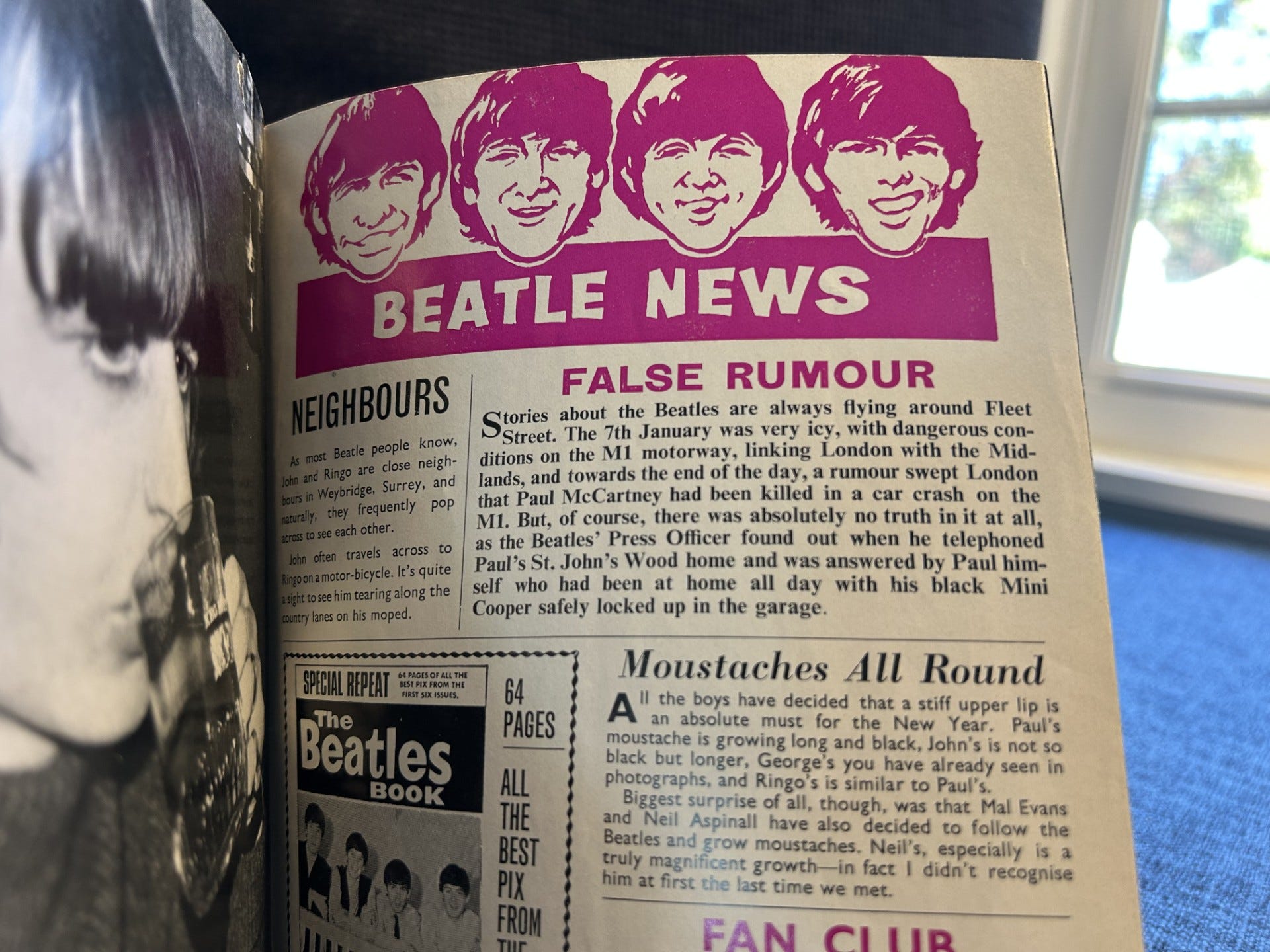
The core of the conspiracy theory posits that in the early morning hours of Wednesday, November 9, 1966, Paul McCartney left Abbey Road Studios after an argument with his bandmates. According to the legend, he crashed his Austin Healey on the M1 motorway, resulting in his decapitation or fatal injuries. To prevent mass hysteria and the potential collapse of The Beatles' financial empire, the theory suggests that the British Intelligence (MI5) and the surviving Beatles conspired to replace him with a lookalike named William Campbell, an orphan from Edinburgh who had supposedly won a McCartney lookalike contest.
In reality, Paul McCartney was on vacation in November 1966. While he was involved in a minor moped accident in late 1965—which resulted in a chipped tooth and a scar on his lip—he was very much alive during the period in question. The timing of the "death" coincided with The Beatles' decision to stop touring and retreat into the studio to record Sgt. Pepper’s Lonely Hearts Club Band. This sudden lack of public appearances provided the vacuum of information necessary for the rumors to take root several years later.
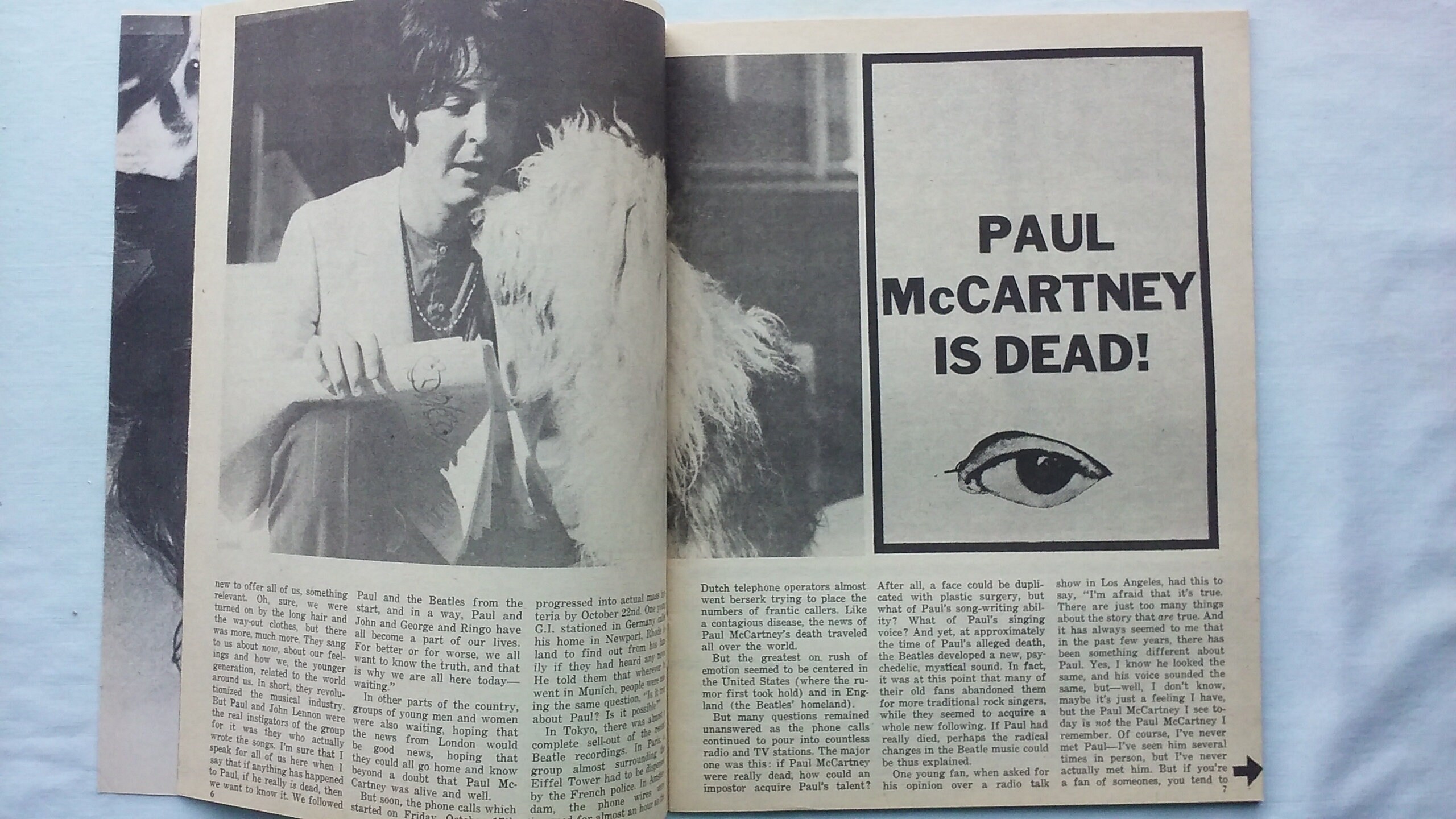
The story did not gain traction until late 1969. On September 17, 1969, Tim Harper, a student at Drake University in Iowa, published an article in the campus newspaper titled "Is Beatle Paul McCartney Dead?" This was followed by a radio broadcast on WKNR-FM in Dearborn, Michigan, where DJ Russ Gibb discussed a phone call from a listener who pointed out "clues" on the Abbey Road album cover. From there, the story exploded into the mainstream media, eventually reaching The New York Times and Life magazine.
Iconic Visual Clues in Album Art
The strength of the "Paul is Dead" theory lies in its reliance on visual symbolism. Theorists argue that the remaining Beatles, overcome with guilt or a desire to signal the truth to their fans, planted subtle hints in their album artwork.
Sgt. Pepper’s Lonely Hearts Club Band (1967)
This album cover is considered a "funeral" scene by theorists. The floral arrangement at the bottom is said to represent a grave, with yellow hyacinths shaped like a left-handed bass guitar (Paul’s instrument). Furthermore, on the back cover, Paul is the only Beatle facing away from the camera, which is interpreted as a symbol of his "departure." Above Paul’s head on the front cover, a hand is raised—a gesture some cultures associate with a blessing for the dead.
Magical Mystery Tour (1967)
On this cover, the band members are dressed in animal costumes. The black walrus, specifically, became a focal point. While John Lennon later sang "The walrus was Paul" in the song "Glass Onion," theorists noted that in some Scandinavian cultures, the walrus is a symbol of death. Inside the album booklet, several photos show Paul without shoes or with a "cracked" head, further fueling the narrative of a fatal accident.
Abbey Road (1969)
The most cited "evidence" appears on the Abbey Road cover. The four Beatles are seen walking across a zebra crossing in what theorists describe as a funeral procession. John Lennon (in white) is the priest; Ringo Starr (in black) is the undertaker; George Harrison (in denim) is the gravedigger; and Paul (out of step, barefoot, and holding a cigarette in his right hand despite being left-handed) is the corpse.
Behind them, a Volkswagen Beetle parked on the street has the license plate LMW 28IF. Theorists interpreted "LMW" as "Linda McCartney Weeps" (though he hadn't met her in 1966) and "28IF" as the claim that Paul would have been 28 years old if he had lived. In reality, McCartney would have been 27 at the time the photo was taken.
Auditory Clues and Backmasking
The Beatles were pioneers in studio experimentation, using tape loops, reversed recordings, and layered soundscapes. To a theorist, these artistic choices were hidden messages.
- "Revolution 9": When the phrase "number nine" is played backward, some listeners claim it sounds like "Turn me on, dead man." The repetition of the number nine was linked by theorists to the supposed date of the crash (November 9).
- "Strawberry Fields Forever": At the very end of the track, John Lennon can be heard muttering something. Theorists claimed he was saying, "I buried Paul." Lennon later clarified that he was actually saying "Cranberry sauce."
- "I’m So Tired": At the end of this song from the White Album, Lennon mumbles something that, when played in reverse, was interpreted as "Paul is a dead man. Miss him. Miss him. Miss him."
These "clues" are classic examples of auditory pareidolia, where the brain interprets random or ambiguous sounds as familiar patterns. Because the listeners were told what to listen for, their brains reconstructed the garbled audio to fit the expected phrase.
Decoding the Primary Theories and Reality
| Element of Theory | Conspiracy Interpretation | Documented Reality |
|---|---|---|
| The Accident Date | Nov 9, 1966 (Wednesday). | Paul was on holiday in France/Kenya during this window. |
| William Campbell | The "winner" of a lookalike contest hired as a replacement. | No record of such a contest or individual exists in official archives. |
| The Barefoot Walk | Symbolizes a corpse buried without shoes. | Paul stated he was barefoot because it was a hot day and his sandals were tight. |
| "I Buried Paul" | John Lennon’s confession at the end of a song. | Confirmed studio audio reveals the phrase was "Cranberry sauce." |
| The 28IF Plate | Indicates Paul would be 28 if alive. | Paul was 27 at the time; the plate was a random coincidence on a neighbor's car. |
Forensic Evidence and the Biological Reality
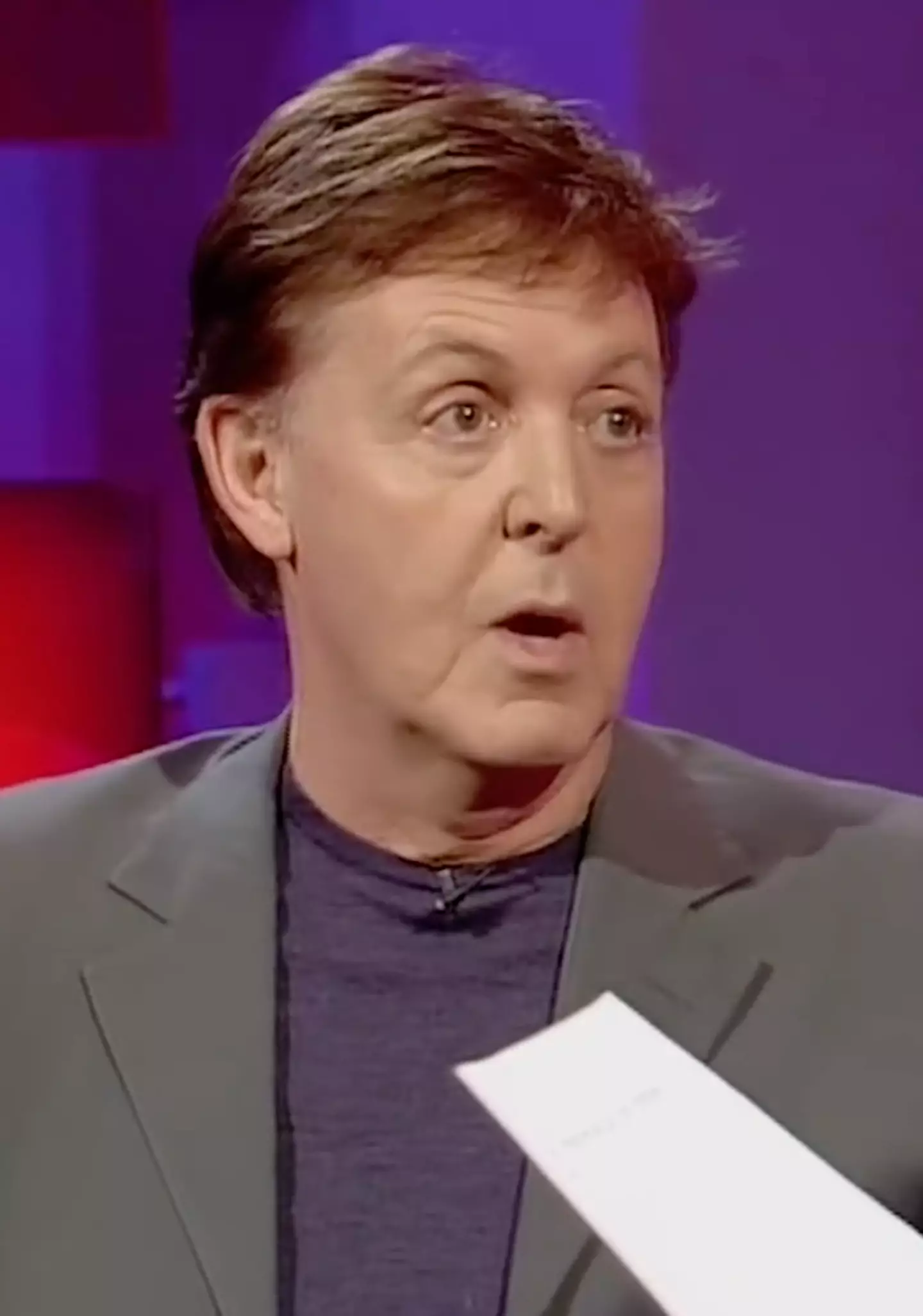
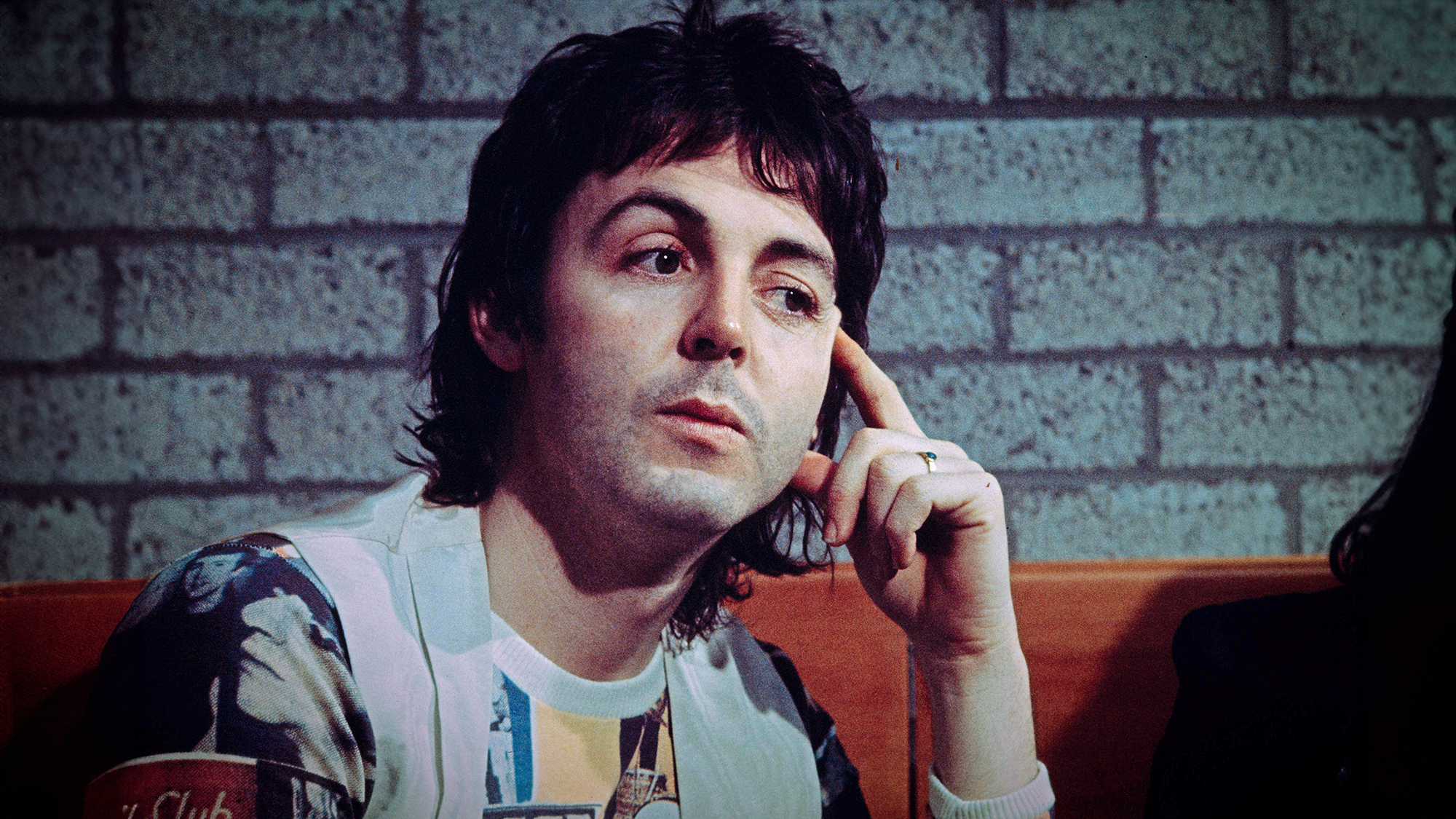
As we look back from 2026, advances in digital forensics have further dismantled the PID theory. Biometric analysis of Paul McCartney’s facial structure from 1963 through his later years shows a consistent skeletal framework. While features like hair, weight, and skin texture change with age, the distance between the pupils, the shape of the jawline, and the ear morphology remain unique identifiers. Forensic experts have noted that "replacement" theories fail to account for the extreme difficulty of finding a double who not only looks identical but possesses the exact same vocal range, songwriting genius, and multi-instrumental proficiency.
Furthermore, Paul McCartney’s post-1966 output includes some of the most complex and celebrated music in history, including Sgt. Pepper, the White Album, and Abbey Road, followed by a decades-long solo career. The idea that a "replacement" could seamlessly step into the creative shoes of one of the 20th century's greatest composers is logically and artistically improbable.
Frequently Asked Questions
Did The Beatles ever admit to planting the clues?
No official admission has ever been made because the band maintained that the clues were largely unintentional or the result of fans' overactive imaginations. However, John Lennon later admitted to including "Glass Onion" as a way to mock fans who read too much into their lyrics, adding the line "The walrus was Paul" specifically to confuse them.
What was Paul McCartney’s reaction to the conspiracy?
McCartney found the rumors initially annoying but eventually leaned into the humor. In 1969, he granted an interview to Life magazine to prove he was alive, stating, "Perhaps the rumor started because I haven't been much in the press lately." In 1993, he titled a live album Paul Is Live, featuring a cover that parodied the Abbey Road zebra crossing, including a license plate reading "51IS" (his age at the time).
Who originally started the "Paul is Dead" rumor?
The rumor appears to have emerged from several independent sources in late 1969. The most documented "start" was a phone call to DJ Russ Gibb in Michigan on October 12, 1969. However, earlier iterations appeared in student newspapers at Drake University and Northern Illinois University. It was a grassroots urban legend that the media eventually amplified.
Is there any evidence that Paul was replaced by "Billy Shears"?
"Billy Shears" is a fictional character introduced in the song "Sgt. Pepper’s Lonely Hearts Club Band" as the leader of the fictional band. Conspiracy theorists hijacked the name, suggesting it was a pseudonym for the "fake" Paul (William Campbell). There is no evidence that Billy Shears or William Campbell existed as a real person hired by The Beatles.
Why do people still believe the theory in 2026?
The theory persists because it is an engaging "ARPG" (Alternate Reality Game) before the term existed. It allows fans to interact with the music on a deeper, albeit misinterpreted, level. In an era of deepfakes and AI, the idea of a "replacement" feels more modern than ever, though the historical evidence remains firmly on the side of Paul's survival.
Practical Next Action for Researchers
For those interested in the sociological impact of this myth, the best next step is to listen to the White Album while reading a transcript of the 1969 WKNR-FM radio broadcast. This provides a firsthand look at how auditory suggestions influence perception. Additionally, reviewing the Life magazine cover story from November 7, 1969, offers a contemporary perspective on how the world first reacted to the "debunking" of the legend.
Image Gallery