Why LASIK Is a Good Choice for Most People: Benefits, Safety, and Candidacy
LASIK (Laser-Assisted In Situ Keratomileusis) is an exceptional vision correction choice for most adults because it permanently reshapes the cornea to fix nearsightedness, farsightedness, and astigmatism. With patient satisfaction rate...
LASIK (Laser-Assisted In Situ Keratomileusis) is an exceptional vision correction choice for most adults because it permanently reshapes the cornea to fix nearsightedness, farsightedness, and astigmatism. With patient satisfaction rates consistently exceeding 95 percent, rapid painless recovery, and long-term financial savings over corrective eyewear, LASIK provides safe and reliable visual independence for qualified candidates.
Contents
Medical Disclaimer
This article is for informational purposes only and does not constitute formal medical advice, diagnosis, or treatment. Anyone considering laser vision correction should undergo a comprehensive ocular examination with a licensed ophthalmologist or refractive surgeon to determine individual candidacy.
Understanding LASIK: How Laser Vision Correction Works
Refractive errors occur when the shape of the eye prevents light from focusing directly on the retina. In a naturally clear eye, the cornea and lens bend (refract) light rays onto the retina at the back of the eye to form crisp images. When the cornea is misshapen or the eyeball is too long or short, vision becomes blurred.
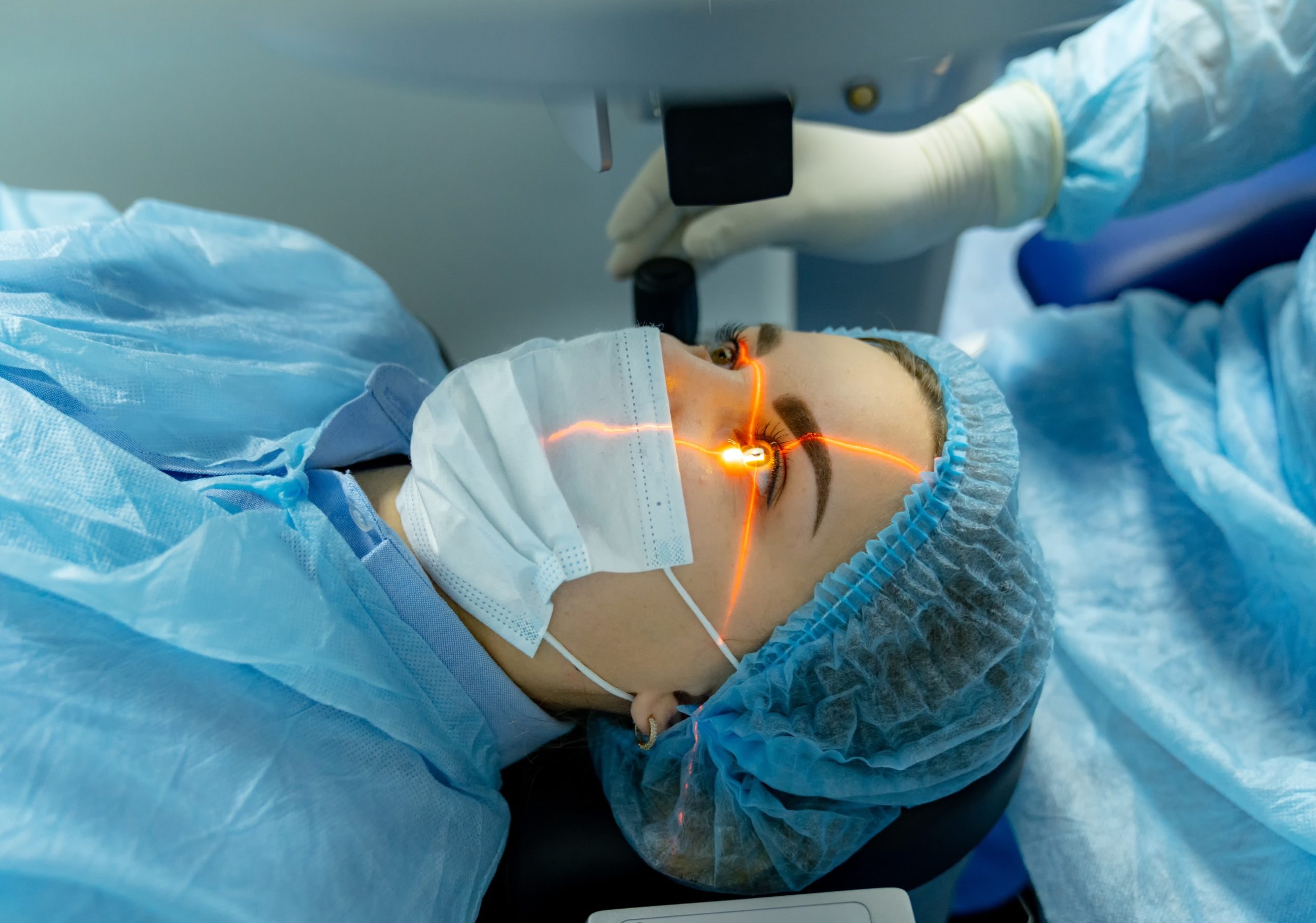
LASIK resolves this structural mismatch by using ultra-precise laser technology to reshape the corneal tissue. The procedure consists of two main steps:
- Flap Creation: A specialized ultra-fast laser (a femtosecond laser) creates a microscopic, hinged flap on the surface layer of the cornea.
- Corneal Reshaping: The surgeon gently lifts the flap and applies a cool ultraviolet laser (an excimer laser) to remove tiny amounts of microscopic corneal tissue. This adjusts the corneal curvature so light focuses precisely on the retina. The protective flap is then repositioned, adhering naturally without the need for stitches.
Modern advancements in refractive surgery, such as topography-guided and wavefront-optimized LASIK, allow surgeons to map the unique surface of each eye with sub-micron precision. This level of customization fixes standard refractive errors while reducing micro-imperfections (higher-order aberrations) that cause glare or halos around light sources at night.
Key Reasons Why LASIK Is an Ideal Choice for Qualified Candidates
For millions of people worldwide, choosing refractive surgery is a life-changing decision. The combination of technological refinement, high safety protocols, and predictable visual outcomes makes LASIK one of the most performed elective surgical procedures globally.
- Light Rays
- Cornea Reshaped (Femtosecond & Excimer Laser)
- Retina Focuses (Crisp Image Formation)
Rapid Visual Recovery and Painless Execution
One of the primary benefits of LASIK is how fast patients recover their sight. Unlike older surface-based procedures that require days or weeks for the outer corneal cells to regrow, the protective corneal flap created in LASIK begins healing within minutes of placement.
Topical anesthetic drop solutions completely numb the eye surface prior to surgery, ensuring patients feel only mild pressure during the procedure, which takes under ten minutes per eye. Most individuals achieve 20/20 vision or better within 24 to 48 hours and can return to work, driving, and routine light activities the day after surgery.
High Patient Satisfaction Rates
Peer-reviewed clinical studies systematically confirm that LASIK maintains one of the highest patient satisfaction rates of any elective medical procedure. Studies compiled by the American Society of Cataract and Refractive Surgery (ASCRS) report patient satisfaction rates above 95 to 97 percent. The combination of immediate visual improvement, minimal post-operative discomfort, and long-lasting predictability underpins this consistently high feedback.
Lifestyle Freedom and Unrestricted Mobility
Living with corrective lenses introduces daily friction. Spectacles can fog up, slip during physical movement, limit peripheral vision, or break during sports. Contact lenses carry daily maintenance burdens, cause eye fatigue after long work hours, and pose ongoing infection risks if worn while swimming or sleeping.
LASIK eliminates these daily obstacles. Whether participating in outdoor sports, traveling without packing cleaning solutions, waking up to see clearly without reaching for glasses, or working long hours in front of computer displays, clear natural vision improves quality of life and physical comfort.
Long-Term Financial Value Compared to Eyewear
While LASIK requires an initial out-of-pocket investment, it often functions as a cost-effective long-term financial choice. Maintaining corrective eyewear involves recurring expenses over a lifetime:
- Routine eye examinations and prescription updates
- Designer frames, specialized lens coatings, and replacement pairs
- Monthly contact lens orders, rewetting drops, and disinfecting solutions
- Prescription sunglasses and protective sports eyewear
When evaluated over a 10-to-20-year period, the cumulative costs of glasses and contact lenses frequently exceed the one-time price of a LASIK procedure.
Who Qualifies for LASIK? Key Candidate Criteria
While LASIK is a fantastic option for a wide population, it is not universally appropriate for everyone. Determining whether you are a suitable candidate requires a comprehensive pre-operative screening by a corneal specialist.
- Candidate Screening Process
- Ideal Features
- Age 18+
- Stable prescription
- Adequate thickness
- Overall eye health
- Red-Flag Issues
- Keratoconus
- Thin cornea
- Uncontrolled autoimmune risk
- Ideal Features
Essential Medical Prerequisites
To undergo LASIK safely and achieve optimal visual outcomes, candidates generally must meet the following criteria:
- Age Requirement: Be at least 18 years old, as ocular structures and vision prescriptions can shift throughout adolescence.
- Prescription Stability: Have a stable vision prescription for at least 12 consecutive months prior to surgery. Significant changes in refractive error indicate that the eye is still changing shape.
- Sufficient Corneal Thickness: The laser reshapes the eye by removing microscopic corneal tissue. Candidates must have sufficient baseline corneal thickness (measured via corneal pachymetry) to safely leave a stable structural bed beneath the flap.
- Treatable Refractive Error: The prescription must fall within approved treatable parameters (typically up to -10.00 diopters of myopia, up to +4.00 diopters of hyperopia, and up to 6.00 diopters of astigmatism, depending on individual eye metrics and surgeon discretion).
- Healthy Ocular Surface: Eyes must be free from active ocular diseases, uncontrolled dry eye syndrome, corneal dystrophies, cataracts, or glaucoma.
When LASIK Might Not Be the Best Option
Surgeons will advise against traditional LASIK if specific anatomical or systemic health risk factors are present:
- Keratoconus or Corneal Ectasia: Conditions characterized by progressive thinning or bulging of the cornea.
- Severe Dry Eye Disease: Refractive surgery can temporarily reduce tear production; severe baseline dry eye must be thoroughly treated before any surgery is considered.
- Uncontrolled Autoimmune Diseases: Conditions like rheumatoid arthritis, lupus, or severe immunodeficiencies can impair corneal tissue healing.
- Pregnancy or Nursing: Hormonal fluctuations during pregnancy and lactation can temporarily alter corneal curvature and tear film fluid dynamics.
When LASIK is contraindicated, modern refractive surgery offers excellent alternative choices.
Comparing LASIK to Alternative Vision Correction Procedures
Understanding how LASIK compares to other surgical options helps frame why it remains the premier choice for most individuals seeking visual independence.
| Feature / Criteria | LASIK | PRK (Photorefractive Keratectomy) | SMILE (Small Incision Lenticule Extraction) | EVO ICL (Implantable Collamer Lens) |
|---|---|---|---|---|
| Primary Mechanism | Femtosecond corneal flap + Excimer laser reshaping | Surface laser reshaping (no flap created) | Intrastromal lenticule creation and extraction | Removable phakic intraocular lens implant |
| Visual Recovery Time | 24–48 hours | 3–7 days (gradual over weeks) | 24–48 hours | 24–48 hours |
| Post-Op Discomfort | Minimal (light itching for 4–6 hrs) | Moderate to high (2–4 days) | Minimal | Minimal |
| Corneal Flap Present? | Yes | No | No | No |
| Best Suited For | Mild to severe myopia, hyperopia, & astigmatism | Thin corneas, active lifestyle/contact sports | Moderate to high myopia & astigmatism | Severe myopia, thin corneas, or severe dry eye |
| Prescription Stability Required | 1 Year | 1 Year | 1 Year | 1 Year |
What to Expect: From Consultation to Recovery
Understanding the step-by-step process helps ease anxiety and prepares patients for a smooth recovery.
Pre-Operative Evaluation
Before surgery, the clinical team performs advanced diagnostic mapping of your eyes:
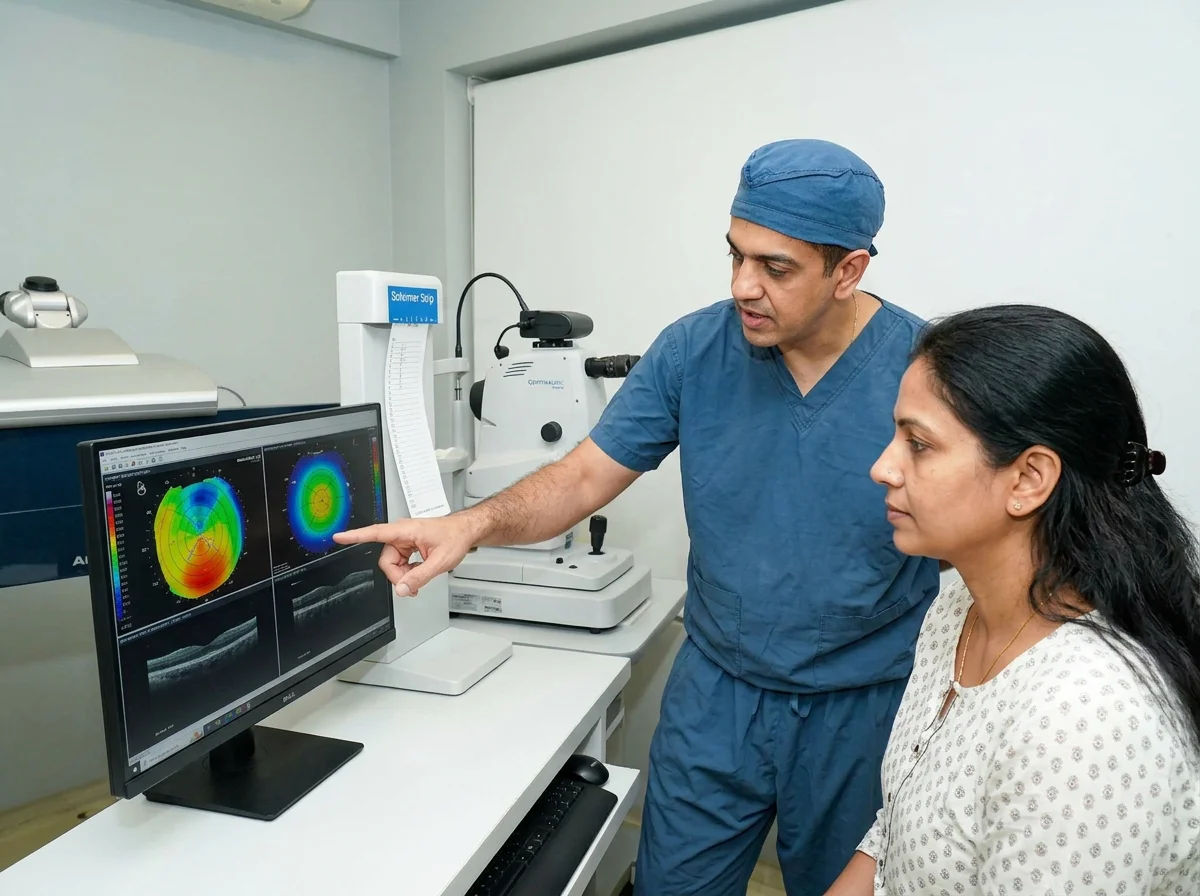
- Corneal Topography/Tomography: Maps the precise elevation, surface curvature, and structural integrity of the cornea.
- Pachymetry: Measures corneal thickness at thousands of points across the surface.
- Pupillometry: Measures pupil diameter under bright and dark lighting to prevent night vision disturbances.
- Wavefront Analysis: Detects unique optical aberrations in the visual path.
The Day of Surgery
- Preparation: You will sit in a comfortable surgical chair. Numbing eye drops are administered; no general anesthesia or needles are needed.
- Flap Creation: A gentle suction ring stabilizes the eye. The ultra-precise femtosecond laser creates the corneal flap in roughly 10 seconds.
- Corneal Reshaping: The surgeon lifts the flap and instructs you to focus on a target light. The excimer laser gently reshapes the underlying corneal tissue. This phase takes less than 30 seconds per eye.
- Flap Repositioning: The flap is laid back in place, self-sealing naturally within minutes.
Post-Operative Healing and Care Schedule
After surgery, you will rest briefly before a driver takes you home. Following post-operative care guidelines is vital for protecting your sight and preventing complications:
- Day of Surgery: Rest eyes, use protective shields, apply prescription drops.
- 24 Hours Post: In-clinic checkup, driving clearance, normal light activities.
- 1–2 Weeks: Avoid swimming, eye makeup, and rubbing eyes.
- 1–3 Months: Routine follow-ups, tissue stabilization complete.
- Medicated Eye Drops: Antibiotic and anti-inflammatory drops are prescribed for roughly 1 to 2 weeks to prevent infection and support healing.
- Protective Shields: Clear eye shields are worn while sleeping for the first week to prevent accidental eye rubbing.
- Activity Restrictions: Patients must avoid swimming pools, hot tubs, heavy contact sports, and eye makeup for at least two weeks to reduce infection risks.
Safety, Potential Side Effects, and Risk Management
LASIK is among the most heavily studied surgical procedures in modern medicine, with safety guidelines continually updated by global regulatory authorities such as the U.S. Food and Drug Administration (FDA).
Understanding Normal, Temporary Side Effects
Like any surgical procedure, LASIK causes transient side effects as the corneal nerve network heals:
- Temporary Dry Eye: Laser treatment temporarily disrupts corneal nerves responsible for reflex tear production. Preservative-free artificial tears and prescription therapies manage this effectively until nerve signaling normalizes over several weeks or months.
- Visual Disturbances (Halos, Glare, Starbursts): Patients may notice mild rings around headlights or scattering around lights at night during the early recovery phase. These visual artifacts typically fade as post-operative corneal swelling subsides.
- Subconjunctival Hemorrhage: Harmless red spots on the white part of the eye (sclera) caused by the gently applied suction ring. These spots fade naturally within 1 to 2 weeks without treatment.
Minimizing Surgical Risks
Significant surgical complications—such as flap displacement, post-LASIK corneal ectasia, or serious ocular infections—occur in less than 1 percent of cases when procedures are performed by experienced refractive surgeons.
The single most important factor in preventing adverse outcomes is thorough candidate selection. Modern clinical screening protocols filter out high-risk candidates, ensuring that only individuals with strong structural profiles undergo the procedure.
Frequently Asked Questions About LASIK
Is the LASIK procedure painful?
No. Anesthetic drops completely numb the surface of the eye before the procedure begins. Patients may feel a mild sensation of pressure on the eye for a few seconds during laser placement, but there is no sharp pain. Afterward, patients may feel slight grittiness or light sensitivity for 3 to 6 hours as the numbing drops wear off.
How long do the results of LASIK last?
The structural modifications made to the cornea by the excimer laser are permanent. However, LASIK does not stop the natural aging process of the eyes. Around age 40 to 45, most adults naturally develop presbyopia—the loss of flexibility in the internal crystalline lens—which makes close-up reading difficult. While LASIK corrects distant vision permanently, reading glasses may still become necessary later in life for near vision tasks.
What happens if I blink or move my eyes during surgery?
Modern excimer laser platforms feature active, high-speed 3D and 4D eye-tracking systems. These trackers monitor eye position hundreds of times per second. If you move your eye or blink, the laser instantly tracks the movement and adjusts its location or temporarily pauses until the eye returns to center.
Can LASIK correct astigmatism?
Yes. There is a common misconception that LASIK only corrects basic nearsightedness or farsightedness. Modern topography-guided excimer lasers precisely map irregular corneal curves, allowing surgeons to correct astigmatism alongside myopia or hyperopia in a single treatment.
What is the ideal age to get LASIK?
The ideal age range for LASIK is generally between 20 and 40 years old. By age 20, eye prescriptions have usually stabilized. Getting LASIK in your early 20s or 30s maximizes the years of visual independence you enjoy before natural, age-related presbyopia sets in around your mid-40s.
Taking the Next Step Toward Clear Vision
LASIK is a safe, highly effective, and proven solution for visual independence. By permanently correcting corneal curvature, it frees qualified patients from the daily hassle, physical limitations, and recurring costs of glasses and contact lenses.
If you want to reduce your dependence on corrective lenses, your next step is to schedule a comprehensive refractive consultation with a fellowship-trained ophthalmologist. Through detailed corneal topography, pachymetry, and ocular health mapping, your surgeon can verify your candidacy and help you achieve sharp, clear vision.
Image Gallery