What Happens to Social Security Checks During a Government Shutdown?
Social Security benefit payments continue to be issued as scheduled during a government shutdown. Because the Social Security Administration (SSA) and its benefit programs are funded through permanent appropriations and dedicated trust...
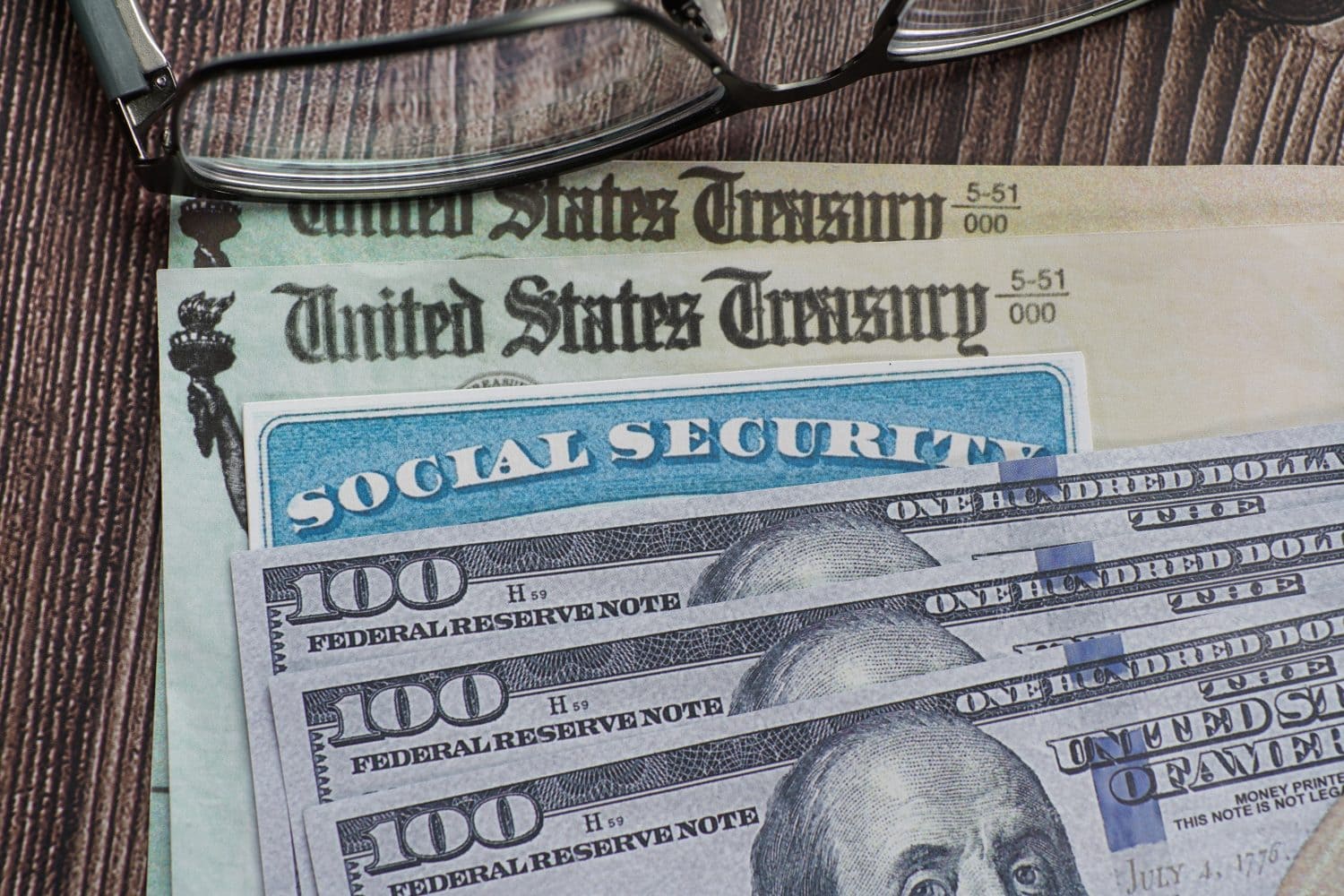
Social Security benefit payments continue to be issued as scheduled during a government shutdown. Because the Social Security Administration (SSA) and its benefit programs are funded through permanent appropriations and dedicated trust funds, they do not rely on the annual budget cycles that cause federal government shutdowns, ensuring payments reach retirees and disability recipients.
Contents
The prospect of a government shutdown often creates significant anxiety for the millions of Americans who rely on Social Security for their primary income. As of 2026, over 70 million people receive some form of benefit from the SSA, including retired workers, survivors, and those receiving Social Security Disability Insurance (SSDI) or Supplemental Security Income (SSI). Understanding the mechanics of federal funding is essential to recognizing why these checks remain secure even when other parts of the government cease operations.
Mandatory vs. Discretionary Spending: The Safety Net Mechanism
The primary reason Social Security checks are not interrupted is the legal distinction between mandatory spending and discretionary spending. When Congress fails to pass the 12 annual appropriation bills or a "continuing resolution" (CR), discretionary programs—which include many federal agencies, national parks, and certain administrative functions—lose their authority to spend money.
Social Security, however, is classified as mandatory spending. The funds for these payments are drawn from the Old-Age and Survivors Insurance (OASI) and Disability Insurance (DI) Trust Funds. These funds are supported by payroll taxes collected under the Federal Insurance Contributions Act (FICA). Because the authorization to pay these benefits is written into permanent law (specifically the Social Security Act), the Treasury Department has the legal standing to continue issuing checks and electronic transfers regardless of the status of the annual federal budget.
Furthermore, the Antideficiency Act, which generally prohibits the government from entering into contracts or spending money that has not been appropriated, contains specific exceptions. One of the most critical exceptions is for activities involving the "safety of human life or the protection of property." The processing of Social Security payments is considered an essential function that falls under these protective guidelines, allowing the Department of the Treasury and the SSA to maintain the necessary staff to ensure money moves from the trust funds to beneficiaries' bank accounts.
The SSA Contingency Plan: Who Stays at Work?
During a shutdown, every federal agency must follow a "contingency plan" that outlines which services will continue and which will be suspended. The Social Security Administration typically retains a significant portion of its workforce during a lapse in appropriations to handle "excepted" activities.
In recent shutdown cycles, including the historical precedents of 2013 and 2018-2019, the SSA has designated approximately 80% to 85% of its employees as "excepted." These workers continue to perform their duties because their roles are directly related to the issuance of benefits. This includes:
- Payment Processing: Ensuring that the automated systems for direct deposits remain operational.
- Check Issuance: Coordinating with the Department of the Treasury for the mailing of paper checks.
- Initial Claims: Processing new applications for retirement and disability benefits, though these may face delays due to reduced support staff.
- Emergency Services: Handling critical issues such as reports of lost or stolen checks.
Conversely, "non-excepted" employees are furloughed. These are often staff members involved in long-term policy planning, certain types of administrative hearings, or routine maintenance of records that are not immediately essential to the delivery of the current month's check.
Impact on Social Security Services: What Changes?
While the checks themselves are reliable, the quality and speed of service at the Social Security Administration will likely diminish during a 2026 government shutdown. Beneficiaries and applicants should expect disruptions in non-essential administrative tasks.
Administrative Delays and Service Disruptions
If you need to visit a local Social Security office or call the national toll-free number, you may experience significantly longer wait times. During a shutdown, the SSA often prioritizes automated services and limits face-to-face interactions to "critical" needs.
One major area of impact is the processing of Social Security cards. If you need a replacement card for a new job or a name change, these requests are often suspended or deprioritized during a shutdown because they are not considered essential for the immediate disbursement of benefits. Similarly, benefit verification letters—which are often required for housing applications or private loans—may be harder to obtain if automated systems are down for maintenance or if staff are unavailable to verify data manually.
Disability Appeals and Hearings
The SSDI appeals process is notoriously long, and a government shutdown can exacerbate these delays. While the SSA attempts to keep Administrative Law Judges (ALJs) and their immediate support staff working to conduct scheduled hearings, the broader infrastructure that supports these hearings—such as medical experts and vocational specialists—may be impacted by the funding lapse in other agencies. If a hearing requires testimony from a consultant whose contract cannot be paid during a shutdown, that hearing may be postponed.
Supplemental Security Income (SSI) and Other Programs
A common question is whether Supplemental Security Income (SSI) is treated differently than standard Social Security retirement benefits. SSI is technically funded by general tax revenues rather than the Social Security Trust Funds. However, the SSA treats SSI payments as "excepted" under its contingency plans. This means SSI recipients, who are often among the most financially vulnerable populations, will also continue to receive their payments on the first of the month (or the Friday before, if the first falls on a weekend).
Medicare and Social Security
Medicare Part B premiums are frequently deducted directly from Social Security checks. Because the check-processing mechanism remains active, these deductions continue as usual. New enrollments in Medicare may continue, but the processing of new Medicare cards and the resolution of complex billing disputes through the Centers for Medicare & Medicaid Services (CMS) may be slowed down if CMS furloughs a portion of its staff.
Summary of Service Availability During a Shutdown
The following table outlines what beneficiaries can expect during a lapse in federal appropriations in 2026.
| Service Category | Status During Shutdown | Potential Impact |
|---|---|---|
| Retirement Benefit Payments | Active | No change to schedule or amount. |
| SSI/SSDI Payments | Active | No change to schedule or amount. |
| New Benefit Applications | Active | May experience slower processing times. |
| Replacement SSN Cards | Suspended/Limited | Likely unavailable until funding is restored. |
| Scheduled Appeals Hearings | Partial | Most proceed, but some may be postponed. |
| Benefit Verifications | Limited | Online tools may work; phone/in-person limited. |
| Change of Address/Bank Info | Active | Best handled through the "my Social Security" portal. |
Historical Lessons and Financial Stability
Looking back at previous shutdowns, the precedent is clear. During the 16-day shutdown in 2013 and the 35-day shutdown in late 2018 and early 2019, Social Security payments were never halted. The primary lesson from these events is that the technical "plumbing" of the Social Security system is robust enough to withstand political gridlock in Washington.
However, there is a secondary risk to consider: postal delays. While the United States Postal Service (USPS) is also self-funded and does not close during a government shutdown, any broad economic friction caused by a long-term shutdown can occasionally affect logistics. For this reason, the SSA and financial experts have long recommended that beneficiaries sign up for direct deposit. Electronic transfers are more resilient to administrative and logistical disruptions than paper checks.
More information on how to manage your benefits during a lapse in funding can be found on the official Social Security Administration website.
Frequently Asked Questions
Will my direct deposit be delayed if the shutdown lasts more than a month?
No. The length of the shutdown does not affect the legal authority of the Treasury to pay Social Security benefits. As long as there is money in the Social Security Trust Funds, the payments will be processed. The 2026 projections for the trust funds show they remain solvent for the immediate future, meaning a shutdown of any realistic duration will not stop the payments.
Can I still apply for Social Security if the government is closed?
Yes, you can still apply for benefits. The SSA continues to accept new applications for retirement, survivors, and disability benefits. However, because some staff may be furloughed, the time it takes to move from "application submitted" to "benefits approved" may be longer than usual. It is highly recommended to use the SSA online application portal rather than trying to visit a local office during a shutdown.
What happens if I need to report a death or change my banking information?
These are considered essential services. You should still report the death of a beneficiary as soon as possible to prevent overpayments, which the government will eventually recoup. Changing your banking information is best done through a "my Social Security" account online, as this system remains automated and operational 24/7, even during a shutdown.
Do SSA employees get paid during a shutdown?
Excepted employees who continue to work do not receive their paychecks during the shutdown. Instead, they receive back pay once the government reopens. This has occasionally caused morale issues or staffing shortages in past shutdowns, but the legal requirement for them to perform their essential duties remains in place to ensure benefit checks are sent out.
Will a shutdown affect the cost-of-living adjustment (COLA) for 2027?
The calculation of the COLA is based on inflation data provided by the Bureau of Labor Statistics (BLS). If the BLS is shut down, the release of the inflation data might be delayed. While this wouldn't change the eventual COLA, it could delay the official announcement usually made in October.
Next Steps for Beneficiaries
If a government shutdown appears imminent in 2026, the most practical step you can take is to ensure your payment information is current. Transitioning from paper checks to direct deposit or a Direct Express® debit card is the most effective way to eliminate any anxiety regarding mail delays.
You should also download or print any benefit verification letters you might need for upcoming financial transactions before a shutdown begins. While online services usually remain active, having hard copies of your records can prevent headaches if web portals experience high traffic or limited technical support during the lapse. Finally, monitor the official SSA contingency plan for the most accurate, real-time updates on which local offices remain open and which specific services are being prioritized.
Image Gallery