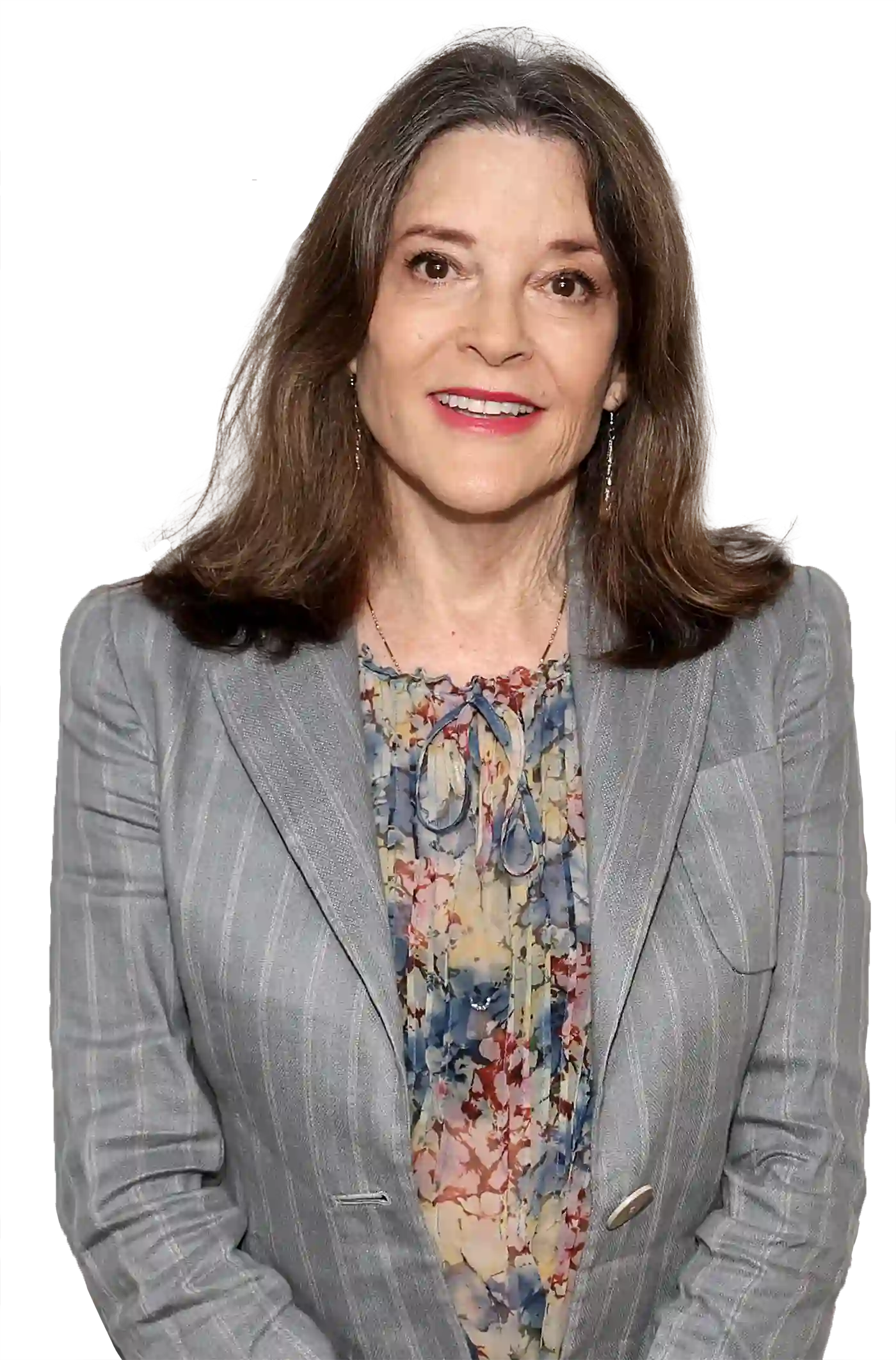
Marianne Brandstetter Net Worth: Biography and Financial Legacy
As of 2026, Marianne Brandstetter’s net worth is estimated to be between €350 million and €500 million. Her wealth is primarily derived from the massive industrial fortune established by her late husband, the Austrian industrialist Han...
As of 2026, Marianne Brandstetter’s net worth is estimated to be between €350 million and €500 million. Her wealth is primarily derived from the massive industrial fortune established by her late husband, the Austrian industrialist Hans-Joachim "Hansi" Brandstetter, supplemented by high-value real estate holdings and a significant private art collection.
Contents
Marianne Brandstetter occupies a unique position in the European social and financial landscape. Known predominantly as a fixture of the Salzburg and Viennese high society, she represents a generation of European "old money" whose wealth is rooted in the post-war industrial expansion of Central Europe. Unlike modern tech entrepreneurs whose net worth fluctuates with daily stock market shifts, Brandstetter’s financial standing is built on physical assets, industrial legacies, and diversified family trusts that prioritize long-term capital preservation over aggressive growth.
Understanding her net worth requires a look beyond simple bank balances. It involves analyzing the Brandstetter industrial empire, the strategic management of inherited assets, and the cultural influence she exerts through philanthropy and social leadership in Austria’s most elite circles.
The Foundation of the Brandstetter Fortune
The bedrock of Marianne Brandstetter’s wealth is the industrial success of her late husband, Hans-Joachim Brandstetter. During the mid-to-late 20th century, the Brandstetter family became synonymous with Austrian heavy industry and steel processing. Hans-Joachim was a pivotal figure in the Austrian business community, navigating the complexities of the European Coal and Steel Community and later the integrated European market.
Upon his passing in 2005, the management of the family’s vast holdings underwent a transition. While a significant portion of the active industrial operations was restructured or sold during the consolidation phases of the European steel industry, the resulting liquidity was channeled into private equity and diversified investment vehicles. Marianne Brandstetter, as his widow and a primary beneficiary, inherited a substantial portion of this estate, which has since been managed to ensure both lifestyle maintenance and generational wealth transfer.
The "Brandstetter" name remains a hallmark of stability in the DACH region (Germany, Austria, Switzerland). The wealth is not merely a figure in a ledger but is represented by significant equity in various sectors, ranging from logistics to specialized manufacturing, often held through holding companies that offer privacy and tax efficiency.
Real Estate and Tangible Assets
A significant contributor to Marianne Brandstetter’s valuation in 2026 is her portfolio of prime real estate. In the world of high-net-worth individuals, real estate serves as both a hedge against inflation and a primary marker of social status.
- Salzburg Properties: Salzburg is the cultural heart of the Brandstetter legacy. The family has long maintained residences that serve as hubs during the Salzburg Festival. These properties, located in the most prestigious districts, have seen astronomical appreciation over the last two decades.
- Viennese Holdings: As a central figure in Austrian society, maintaining a presence in Vienna is essential. Her Viennese assets include historic apartments that hold significant architectural and historical value, far exceeding their per-square-meter market rate.
- International Vacation Estates: Like many of her peers, Brandstetter’s portfolio extends to Mediterranean retreats, likely in regions such as the Côte d'Azur or the Italian lakes, which are favored by the European industrial elite.
Beyond real estate, the Brandstetter estate is known for a formidable art collection. While the exact inventory of private collections is rarely public, the family has historically been patrons of both classical and modern art. In 2026, with the global art market serving as a major alternative asset class, the appreciation of these pieces contributes tens of millions to her overall financial standing.
Philanthropy and Social Capital
In the upper echelons of European society, "net worth" is often intertwined with "social capital." Marianne Brandstetter is a renowned philanthropist, particularly within the realm of the arts. Her involvement with the Salzburg Festival is not merely social; it is financial. By acting as a patron and benefactor, she ensures the continuation of one of the world's most prestigious cultural events.
This philanthropic work serves several purposes:
- Cultural Preservation: Supporting opera, classical music, and theater maintains the cultural environment that sustains the value of her real estate and social standing.
- Tax and Estate Planning: In many European jurisdictions, charitable foundations and cultural donations provide specific tax advantages, allowing high-net-worth individuals to direct their capital toward causes they value rather than general taxation.
- Legacy Building: Philanthropy ensures the Brandstetter name remains associated with civic contribution rather than just industrial wealth.
Estimated Financial Breakdown (2026)
The following table provides a breakdown of the estimated asset classes that comprise Marianne Brandstetter's net worth. These figures are based on historical industrial valuations, real estate market trends in Austria, and known social associations.
| Asset Category | Estimated Value (Millions €) | Primary Sources |
|---|---|---|
| Industrial Inheritance | €200 - €250 | Liquidated steel/industrial holdings, private equity |
| Prime Real Estate | €80 - €120 | Salzburg villas, Vienna apartments, international estates |
| Art & Collectibles | €40 - €70 | Private collection of European masters and modern art |
| Investment Portfolio | €30 - €60 | Diversified stocks, bonds, and family office managed funds |
| Total Estimated Net Worth | €350 - €500 | Aggregated high-net-worth valuation |
Challenges in Valuation: The Privacy of Old Money
One of the primary difficulties in pinning down an exact figure for Marianne Brandstetter’s net worth is the characteristic discretion of the Austrian elite. Unlike "New Money" billionaires who often have their wealth tied to public stock (like Elon Musk or Jeff Bezos), "Old Money" wealth in Europe is frequently shielded by:
- Private Foundations (Privatstiftungen): In Austria, many wealthy families use these structures to hold assets. The foundation owns the assets, and the family members are beneficiaries. This obscures the individual's direct ownership and provides significant privacy.
- Cross-Border Holdings: Wealth is often distributed across different jurisdictions (Austria, Switzerland, Liechtenstein) to optimize for stability and privacy.
- Non-Public Companies: Much of the Brandstetter industrial legacy was built on "Mittelstand" style companies—large, successful, but privately held firms that do not have the same reporting requirements as listed corporations.
Consequently, while public records and lifestyle indicators suggest a net worth in the mid-to-high hundreds of millions, the true figure could be higher depending on the internal valuation of private holdings.
Marianne Brandstetter’s Role in 2026
Entering 2026, Marianne Brandstetter remains a symbol of the enduring power of the Austrian industrial era. While the world shifts toward digital assets and renewable energy, the "physical" wealth of land, industrial history, and fine art remains remarkably resilient. Her financial legacy is not one of rapid accumulation, but of sophisticated stewardship.
She continues to be a central figure at major events like the Vienna Opera Ball and the Salzburg Festival, where her presence signals the ongoing relevance of the families that rebuilt the Austrian economy in the 20th century. Her net worth is a testament to the longevity of industrial capital when paired with prudent estate management and a commitment to cultural patronage.
Frequently Asked Questions
How did Marianne Brandstetter get her wealth?
The majority of her wealth was inherited from her late husband, Hans-Joachim Brandstetter, who was a prominent Austrian industrialist in the steel and manufacturing sectors. Over decades, this industrial wealth was diversified into real estate, art, and private equity.
Is Marianne Brandstetter still active in the business world?
While she is not typically known for day-to-day corporate management in 2026, she remains an influential figure through her family office and philanthropic foundations. Her "activity" is more focused on wealth stewardship and cultural patronage than active industrial operation.
Where does Marianne Brandstetter live?
She splits her time between Salzburg and Vienna, maintaining high-value residences in both cities. Salzburg is her primary base during the festival season, where she is a key social and philanthropic figure.
What is the Brandstetter family's connection to the Salzburg Festival?
The family has been long-term supporters and patrons of the festival. This involvement goes beyond mere attendance; they provide significant financial support that helps maintain the festival’s status as a premier global cultural event.
How does her wealth compare to other Austrian billionaires?
While she may not rank at the very top of the list (which includes the Porsche and Piëch families or the heirs of Dietrich Mateschitz), she belongs to the upper tier of the "industrial elite." Her wealth is characterized by its stability and physical asset backing rather than the volatility of consumer goods or tech sectors.
Summary and Next Steps
Marianne Brandstetter’s net worth of approximately €350 million to €500 million reflects a lifetime of proximity to industrial power and subsequent high-level asset management. For those interested in the dynamics of European wealth, her profile serves as a masterclass in how industrial fortunes are converted into lasting social and cultural legacies.
To understand the broader context of this wealth, one might research the history of the Austrian steel industry or the specific role of "Privatstiftungen" (Private Foundations) in Central European wealth preservation. For those following the art and real estate markets, the Brandstetter portfolio remains a benchmark for the "Salzburg-Vienna" corridor of luxury assets.
Image Gallery