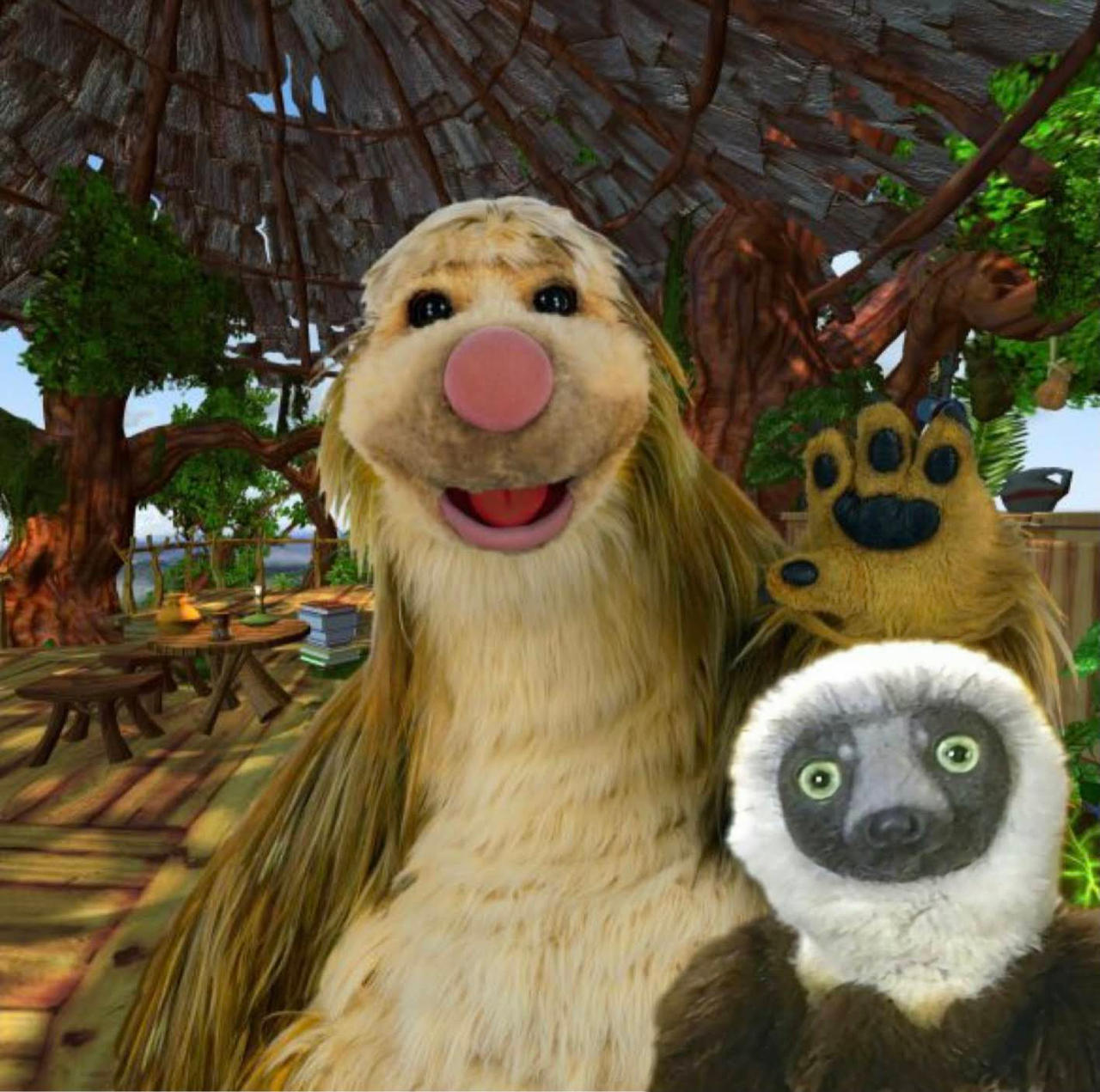
The Life and Legacy of Jovian: Understanding the Death of the Real Zoboomafoo
Jovian, the Coquerel’s sifaka lemur who gained international fame as the titular star of the PBS Kids series Zoboomafoo, died on November 10, 2014, at the age of 20. He passed away from kidney failure while in the care of the Duke Lemu...
Jovian, the Coquerel’s sifaka lemur who gained international fame as the titular star of the PBS Kids series Zoboomafoo, died on November 10, 2014, at the age of 20. He passed away from kidney failure while in the care of the Duke Lemur Center in Durham, North Carolina.
Contents
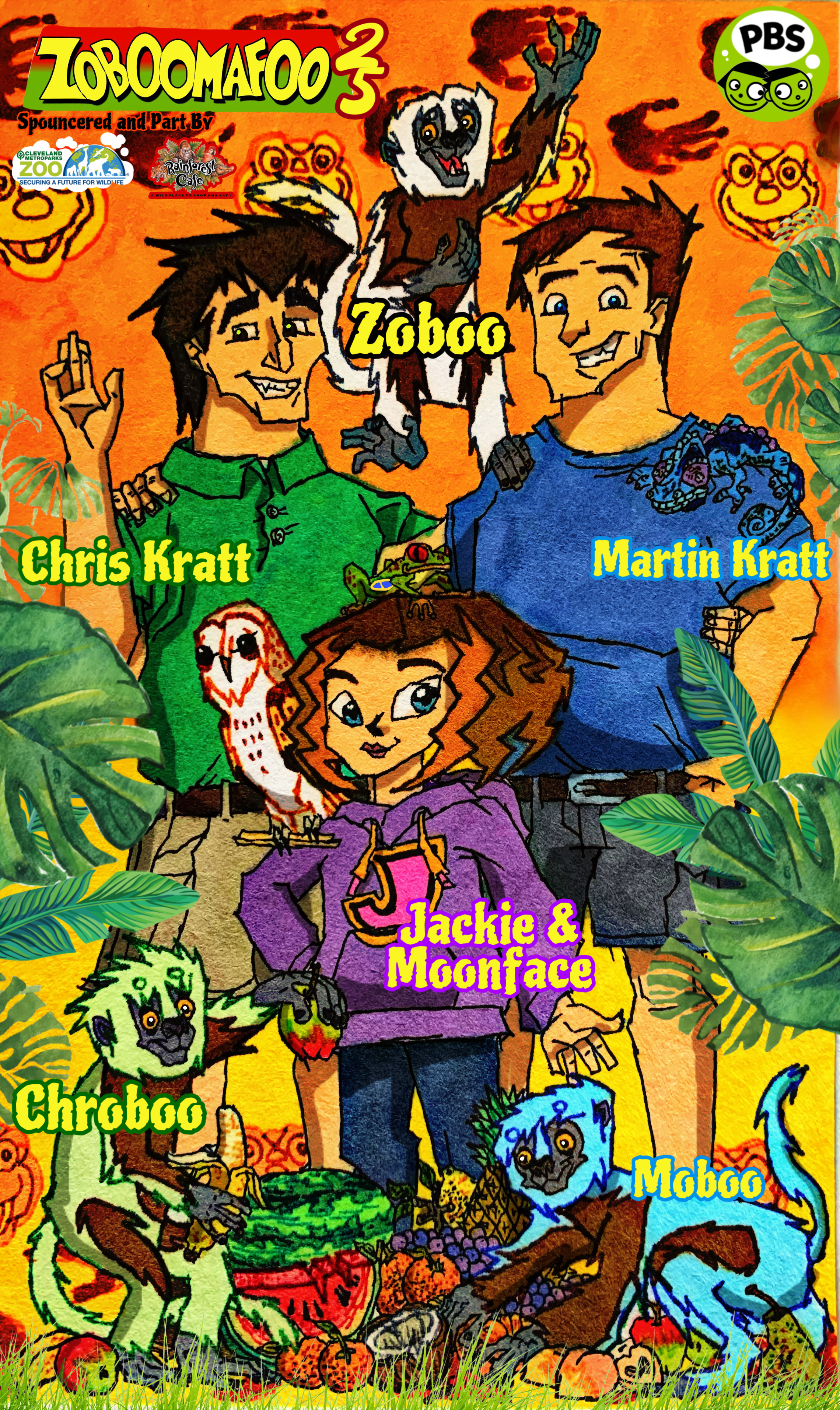
The news of Jovian's passing resonated deeply with a generation of viewers who grew up watching him leap through "Animal Junction" alongside hosts Chris and Martin Kratt. While the show used a puppet for the talking sequences, the live-action segments featured Jovian’s incredible agility and gentle nature. As of 2026, Jovian remains the most famous lemur in history, serving as a permanent ambassador for his endangered species and the broader cause of Madagascar’s biodiversity conservation.
The Circumstances of Jovian’s Death
Jovian’s death at the age of 20 was a significant event for both the scientific community and the public. In the wild, Coquerel’s sifakas (Propithecus coquereli) typically have a shorter lifespan due to predation, habitat loss, and food scarcity. However, in human care, they can live into their late 20s or even early 30s. Jovian’s passing at 20 was considered a loss of a mature adult who had transitioned into his "senior" years.
The cause of death was confirmed as kidney failure. Renal issues are a relatively common age-related condition in many primate species. At the Duke Lemur Center (DLC), where Jovian spent his entire life, he received world-class veterinary care. Despite interventions, the progression of kidney dysfunction is often irreversible in aging lemurs. His death was peaceful, surrounded by the staff who had cared for him since his birth in 1994.
Who Was Jovian? The Lemur Behind the Screen
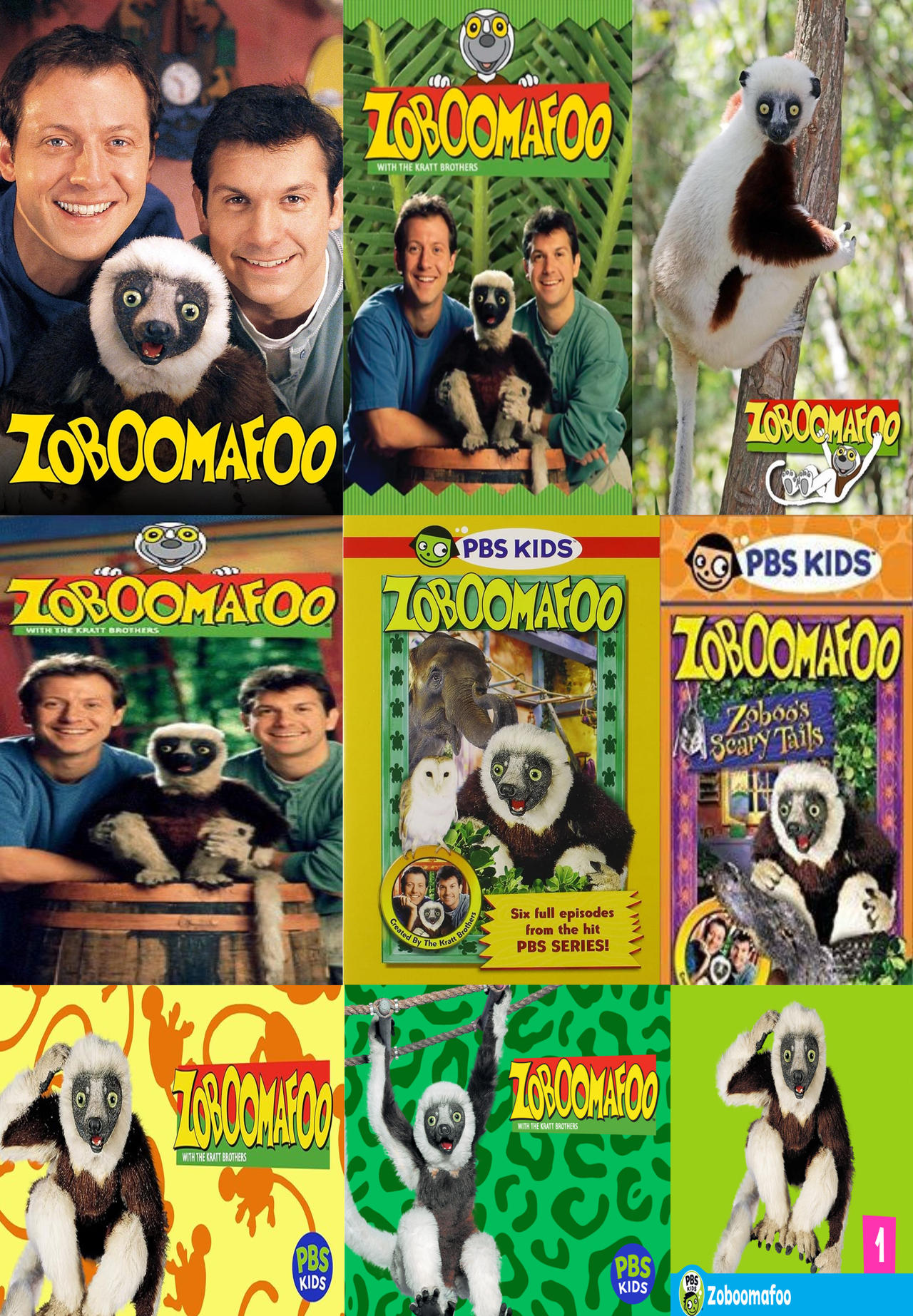
To understand the impact of Jovian's death, one must understand his role in the television landscape of the late 1990s and early 2000s. Zoboomafoo aired from 1999 to 2001, producing 65 episodes that focused on teaching children about wildlife and environmental stewardship.
Jovian was chosen for the role because of his striking appearance and calm temperament. Coquerel’s sifakas are known for their "vertical clinging and leaping" locomotion. They have powerful hind legs that allow them to spring from tree to tree, maintaining an upright posture. On the ground, they perform a unique "bipedal dance," hopping sideways with their arms held out for balance. These charismatic movements made Jovian the perfect live-action model for the show’s high-energy format.
While the "talking" Zoboomafoo was a puppet voiced by Gord Robertson, the footage of Zoboo eating mangos, leaping across the set, and interacting with the Kratt brothers was almost exclusively Jovian. He was often rewarded with his favorite treats—sumac leaves and slices of fruit—to encourage his natural behaviors on camera.
The Duke Lemur Center: Jovian’s Lifelong Home
Jovian was born on April 10, 1994, at the Duke Lemur Center to parents Flavia and Nigel. The DLC is the world’s largest sanctuary for rare and endangered prosimian primates. Jovian was part of a managed breeding program designed to ensure the survival of his species, which is native only to the dry deciduous forests of northwestern Madagascar.
Throughout his life, Jovian was more than just a television star; he was a vital part of the DLC’s breeding colony. He sired several offspring, contributing significant genetic diversity to the captive population of Coquerel’s sifakas. His presence at the center drew thousands of visitors annually, helping to fund research and conservation efforts that continue in 2026.
The Role of the Kratt Brothers
Chris and Martin Kratt, the creators and hosts of the show, chose the Duke Lemur Center as their filming location specifically because of its reputation for ethical animal care. The brothers have frequently spoken about Jovian’s intelligence and his ability to "work" a room. They noted that Jovian seemed to understand the rhythm of the set, often jumping into frame right when the cameras started rolling.
Technical Specifications: The Coquerel’s Sifaka
To appreciate Jovian's life, it is helpful to look at the biological characteristics of his species. Coquerel’s sifakas are medium-sized primates distinguished by their soft white fur with patches of rich chocolate-brown on their chests and limbs.
| Feature | Description |
|---|---|
| Scientific Name | Propithecus coquereli |
| Native Habitat | Dry deciduous forests of NW Madagascar |
| Locomotion Type | Vertical clinging and leaping; bipedal hopping |
| Diet | Folivorous (leaves, bark, flowers, fruit) |
| Average Wild Lifespan | 15–18 years |
| Average Captive Lifespan | 25–30 years |
| Conservation Status | Critically Endangered (IUCN) |
| Weight | 7 to 11 pounds (3.5 to 5 kg) |
Jovian’s success in human care was a testament to the specialized dietary and social management provided by the DLC. These lemurs have complex digestive systems designed to break down fibrous leaves, making them more difficult to care for than many other primate species.
The Cultural Legacy of Zoboomafoo
The death of Jovian sparked a massive outpouring of grief on social media in 2014, a phenomenon that has seen a resurgence in recent years as the "Zoboomafoo generation" has entered adulthood. For many, Jovian was their first introduction to the concept of extinction and the importance of Madagascar’s unique ecosystem.
The show broke the "fourth wall" of nature documentaries by blending puppetry, animation, and live-animal footage. This hybrid approach made the science of biology accessible to preschoolers. When Jovian died, he didn't just leave behind a biological lineage; he left behind an educational legacy that has inspired countless individuals to pursue careers in veterinary medicine, zoology, and environmental science.
Jovian’s Living Lineage
One of the most comforting aspects of Jovian’s story is that his bloodline continues. As of 2026, several of Jovian’s children and grandchildren are living at the Duke Lemur Center and other accredited zoological facilities across the United States.
His son, Caseau, and daughters like Gertrude, have continued to participate in the Species Survival Plan (SSP). By tracking these lineages, scientists can maintain a healthy, genetically diverse population that serves as a "safety net" for the species as their wild counterparts face increasing threats from habitat fragmentation and climate change.
Conservation in 2026
The status of Coquerel’s sifakas in the wild remains precarious. In the decade-plus since Jovian’s death, conservation efforts in Madagascar have ramped up, but the island continues to lose forest cover. The Duke Lemur Center uses Jovian’s image to this day to raise awareness and funds for the SAVA Conservation project, which works directly with Malagasy communities to protect lemur habitats while improving local livelihoods.
Understanding Primate Kidney Disease
Since Jovian died of kidney failure, many fans have asked if this is preventable. In primates, chronic kidney disease (CKD) is often a "silent" condition. Symptoms usually do not manifest until the kidneys have lost 70% or more of their functional capacity.
In a facility like the Duke Lemur Center, veterinarians monitor aging lemurs through regular blood draws and urinalysis. However, because lemurs are prey animals, they are biologically programmed to hide signs of illness or weakness. Jovian’s care team provided him with supportive therapy, including specialized diets and hydration, to manage his condition during his final months. His death highlights the ongoing need for specialized geriatric care research in exotic animal medicine.
FAQs About Zoboomafoo and Jovian
How old was Zoboomafoo when he died?
Jovian, the lemur who played Zoboomafoo, was 20 years old when he passed away in 2014. While this is within the expected range for a sifaka, he lived a full and healthy life compared to most wild lemurs.
Is the show Zoboomafoo still on the air?
While new episodes are no longer being produced, the show remains available through various streaming platforms and PBS Kids' digital archives. It continues to be used in classrooms as a foundational tool for wildlife education.
Where is Jovian buried?
Jovian was memorialized at the Duke Lemur Center. The center often maintains private memorials for its most famous residents, though they encourage fans to honor him by donating to lemur conservation rather than visiting a physical grave site.
Who voiced the Zoboomafoo puppet?
The puppet version of Zoboomafoo was voiced and operated by Gord Robertson. While Jovian provided the physicality and "star power" of the animal, Robertson provided the personality and dialogue that allowed children to connect with the character.
Are sifaka lemurs extinct?
No, but they are critically endangered. The Coquerel’s sifaka is facing severe habitat loss in Madagascar. Programs initiated during the height of Zoboomafoo's popularity are still active today, working to prevent their extinction.
Practical Steps to Honor Jovian’s Memory
For those looking to turn their nostalgia into action, there are several ways to contribute to the cause Jovian championed:
- Support the Duke Lemur Center: You can "adopt" a lemur through their sponsorship program. While Jovian is gone, your support helps care for his descendants and other endangered prosimians.
- Educate Others: Share the lessons of Zoboomafoo with the next generation. Understanding that animals have specific habitats and needs is the first step toward conservation.
- Choose Sustainable Products: Avoid products that contribute to deforestation in Madagascar, such as certain types of unsustainably sourced timber or charcoal.
- Visit Accredited Zoos: If you want to see a sifaka in person, ensure the facility is accredited by the Association of Zoos and Aquariums (AZA), which ensures the highest standards of animal welfare and conservation participation.
Jovian’s death was the end of an era, but his impact on the world of wildlife education is permanent. By remembering "Zoboo," we remember the importance of every leaping, dancing inhabitant of our planet.
Image Gallery