Comprehensive Guide: Why Uva Ursi Uses Matter for Your Health and Wellness
Uva Ursi, commonly known as bearberry, matters for you because it serves as a potent natural antiseptic specifically targeted at the urinary system and a biological agent for skin brightening. Its primary active compound, arbutin, conv...
Uva Ursi, commonly known as bearberry, matters for you because it serves as a potent natural antiseptic specifically targeted at the urinary system and a biological agent for skin brightening. Its primary active compound, arbutin, converts into hydroquinone in the bladder, providing a direct antimicrobial effect that can manage uncomplicated urinary tract infections (UTIs) without the immediate need for systemic antibiotics.
Contents
The Botanical Significance of Arctostaphylos Uva-Ursi
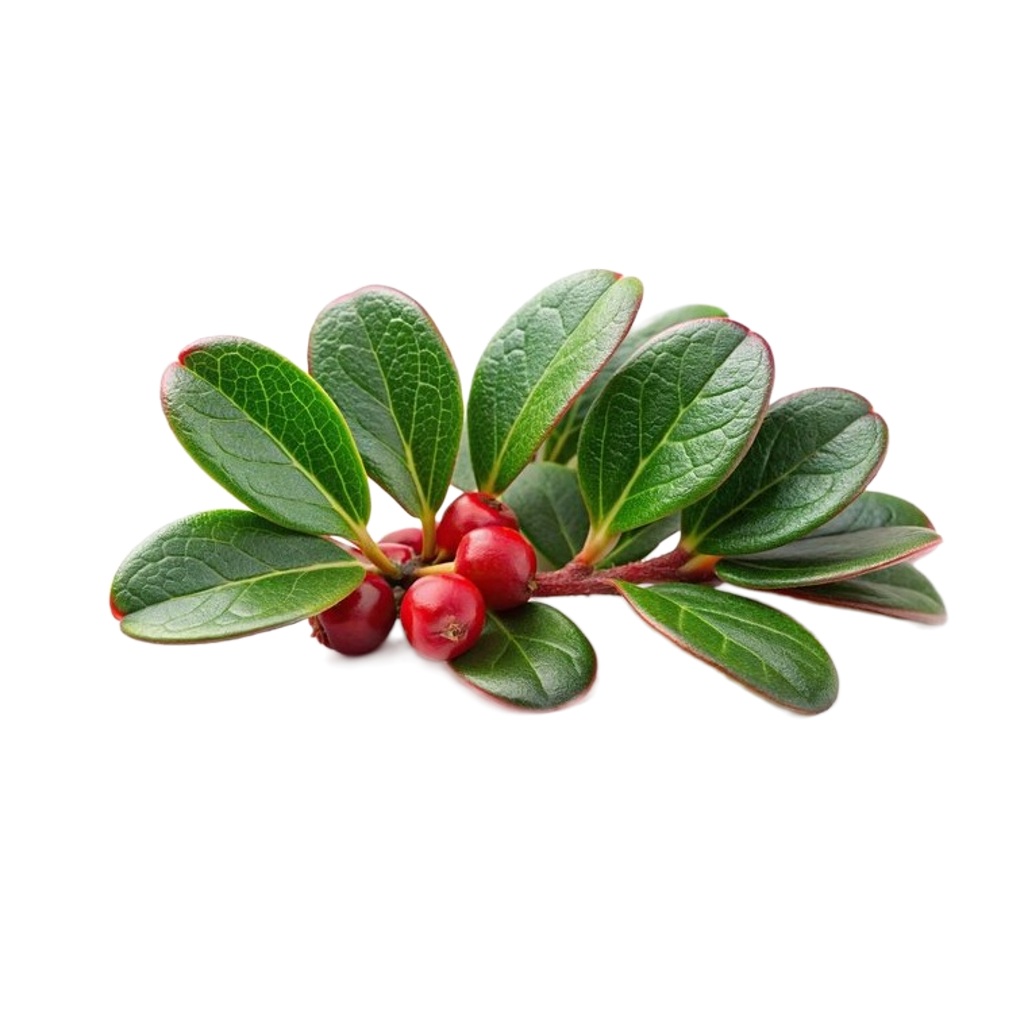
To understand why uva ursi uses matter for you, one must first look at the plant itself. Arctostaphylos uva-ursi is a hardy, evergreen groundcover found in the subarctic and northern temperate regions of the Northern Hemisphere. Historically, indigenous populations across North America and Eurasia utilized its leathery leaves for both medicinal teas and smoking mixtures.
In 2026, the relevance of uva ursi has shifted from traditional folk medicine to a specific niche in integrative urology. As concerns regarding antibiotic resistance continue to rise globally, botanical interventions that offer localized antiseptic properties are increasingly prioritized. Uva ursi does not function like a broad-spectrum antibiotic that affects the entire microbiome; instead, it acts as a "prodrug" that remains inactive until it reaches the specific environment of the urinary tract.
The Chemistry of Relief: How Arbutin Works
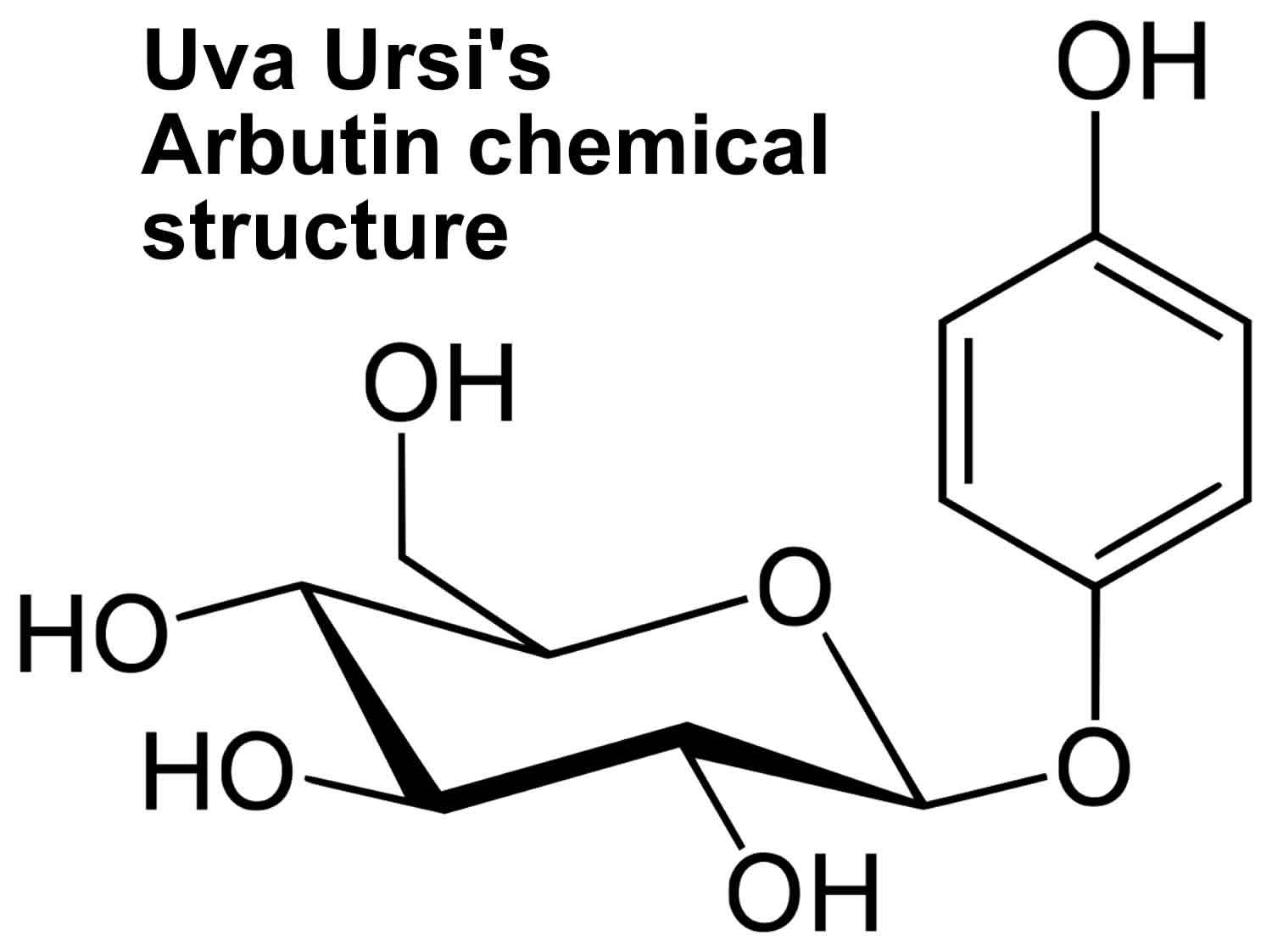
The primary reason uva ursi is effective lies in its high concentration of phenolic glycosides, specifically arbutin and methylarbutin. These compounds are the engine behind the plant's medicinal reputation. When you consume uva ursi—whether as a tea, tincture, or encapsulated extract—the arbutin passes through the digestive system and is absorbed into the bloodstream.
Once it reaches the kidneys and is excreted into the urine, arbutin undergoes a chemical transformation. In the presence of certain enzymes and an alkaline environment, it is hydrolyzed into hydroquinone. Hydroquinone is a powerful antiseptic that kills or inhibits the growth of bacteria such as Staphylococcus aureus and Escherichia coli, the latter being responsible for the vast majority of UTIs. This localized conversion is why uva ursi is highly valued: it delivers the "medicine" exactly where the infection resides, minimizing systemic exposure.
Why the pH of Your Urine is Critical
One of the most important technical details regarding uva ursi is the requirement for alkaline urine. The conversion of arbutin to hydroquinone is significantly hindered in acidic environments. If your urine is too acidic (a pH below 7.0), the uva ursi may be rendered almost entirely ineffective.
This is why many practitioners recommend a specific dietary protocol when using the herb. Consuming alkalizing foods such as vegetables and fruits while avoiding acid-forming foods like highly processed meats, soda, and excessive grains is essential for the herb to work. Some individuals supplement with sodium bicarbonate (baking soda) or potassium citrate to ensure their urinary pH is optimal for the chemical release of hydroquinone. Understanding this metabolic requirement is a key reason why uva ursi uses matter for you; without this knowledge, the supplement is often dismissed as ineffective.
Dermatological Applications: Beyond the Bladder
While uva ursi is famous for urinary health, its uses in 2026 extend deeply into the skincare industry. Arbutin, the same compound used for urinary antisepsis, is a naturally occurring derivative of hydroquinone that acts as a tyrosinase inhibitor.
Tyrosinase is the enzyme responsible for the production of melanin in the skin. By inhibiting this enzyme, uva ursi extracts can help fade hyperpigmentation, age spots, and melasma. Unlike synthetic hydroquinone, which can be harsh and sometimes lead to ochronosis (a bluish-black discoloration of the skin) if used improperly, the arbutin found in uva ursi is generally considered a safer, more stable alternative for brightening the complexion.
Safety Protocols and the "Seven-Day Rule"
Uva ursi is not a supplement intended for long-term daily use, and understanding its limitations is vital for your safety. Because the herb produces hydroquinone, which can be toxic to the liver and kidneys in high or prolonged doses, strict adherence to dosage guidelines is mandatory.
The standard clinical recommendation in 2026 remains the "Seven-Day Rule." Uva ursi should not be taken for more than seven consecutive days, and it should not be used more than five times in a single year. Excessive use can lead to side effects such as nausea, vomiting, shortness of breath, and, in extreme cases, tinnitus or green-tinted urine. Furthermore, because of its potency, it is strictly contraindicated for:
- Pregnant or breastfeeding women (due to potential oxytocic effects and fetal toxicity).
- Children and adolescents.
- Individuals with pre-existing kidney or liver disease.
- Those taking medications that acidify the urine, such as Vitamin C (ascorbic acid) in high doses.
Comparison of Common Urinary Health Supplements
To help you decide when uva ursi is the appropriate choice, the following table compares it with other popular natural interventions.
| Supplement | Primary Mechanism | Best Used For | Key Limitation |
|---|---|---|---|
| Uva Ursi | Antiseptic (Hydroquinone conversion) | Treating active, mild UTIs | Short-term use only (<7 days) |
| D-Mannose | Anti-adhesion (Prevents bacterial sticking) | Prevention and E. coli infections | Less effective against non-E. coli strains |
| Cranberry | Proanthocyanidins (PACs) prevent adhesion | Long-term prevention | Low efficacy for active infections |
| Goldenseal | Berberine (Antimicrobial/Anti-inflammatory) | Immune support and mucosal health | May interfere with many medications |
| Hibiscus | Bacteriostatic and Diuretic | Prevention and mild irritation | Requires high fluid intake |
Practical Guidance for Selection and Storage
If you determine that uva ursi is appropriate for your needs, quality matters. Look for extracts standardized to contain at least 20% arbutin. This ensures that each dose provides a consistent therapeutic amount of the active precursor.
The leaves should be harvested in the fall, as this is when arbutin levels are at their peak. When purchasing loose leaf tea, the leaves should be a vibrant green-to-brown color and stored in an airtight, light-protected container. Heat and moisture can degrade the phenolic glycosides over time, reducing the herb's antiseptic potential.
Integration with Modern Healthcare
In the current landscape of 2026, uva ursi is best utilized as a first-line response to the very first signs of urinary discomfort—such as urgency or mild burning—before an infection becomes severe or moves to the kidneys. It serves as a bridge that allows the body's immune system to clear the infection while providing a direct hit to the bacterial load.
However, it is crucial to recognize when herbal intervention is insufficient. If symptoms persist beyond 48 hours, or if you develop a fever, chills, or back pain (indicating a possible kidney infection), seeking immediate medical attention for conventional diagnostics and treatment is necessary.
Summary of Key Considerations
Understanding why uva ursi uses matter for you involves balancing its potent antiseptic benefits with its strict safety requirements. It is a specialized tool in the botanical medicine chest, designed for acute, short-term application rather than chronic management. By ensuring your urinary pH is alkaline and limiting your duration of use, you can harness one of nature’s most effective localized treatments for urinary health.
Frequently Asked Questions
1. Can I take Vitamin C with uva ursi to boost my immune system? No, it is generally advised to avoid high-dose Vitamin C (ascorbic acid) while taking uva ursi. Vitamin C acidifies the urine, which prevents the arbutin in uva ursi from converting into hydroquinone. To maximize the herb's effectiveness, you should aim for alkaline urine, often achieved by eating more vegetables or taking a small amount of baking soda.
2. Is uva ursi safe for my dog or cat if they have a UTI? You should never give uva ursi to pets without direct veterinary supervision. The hydroquinone produced can be toxic to animals, particularly cats, who have different metabolic pathways for processing phenolic compounds. There are safer, pet-specific alternatives available through holistic veterinarians.
3. Does uva ursi interact with any common medications? Yes. Uva ursi can interact with nonsteroidal anti-inflammatory drugs (NSAIDs) and may increase the risk of stomach irritation. It also interacts with medications that increase urine acidity, such as ammonium chloride. Always consult with a pharmacist or healthcare provider if you are taking prescription medications for kidney or liver conditions.
4. How quickly does uva ursi start working for UTI symptoms? Many users report a reduction in urgency and burning within 24 to 48 hours of starting the supplement, provided their urine pH is in the alkaline range. However, even if symptoms improve quickly, do not exceed the seven-day limit, and monitor for any signs that the infection is worsening.
5. Can I use uva ursi for skin brightening if I have sensitive skin? Uva ursi is generally better tolerated than synthetic hydroquinone, but it can still cause irritation for those with very sensitive skin. It is recommended to perform a patch test on a small area of the inner arm for 24 hours before applying it to the face. Look for formulations where it is paired with soothing ingredients like aloe vera or hyaluronic acid.
Next Steps and Recommendations
If you are experiencing the early signs of a urinary tract infection, your first step should be to confirm the severity of your symptoms. If they are mild, consider uva ursi as a short-term intervention. Verify that your diet is currently alkalizing (rich in greens and low in sugar/meat) and choose a standardized extract with a clear arbutin percentage. Limit your intake to one week, and if no improvement is seen within 48 hours, schedule an appointment with a healthcare professional to prevent the infection from ascending to the kidneys.
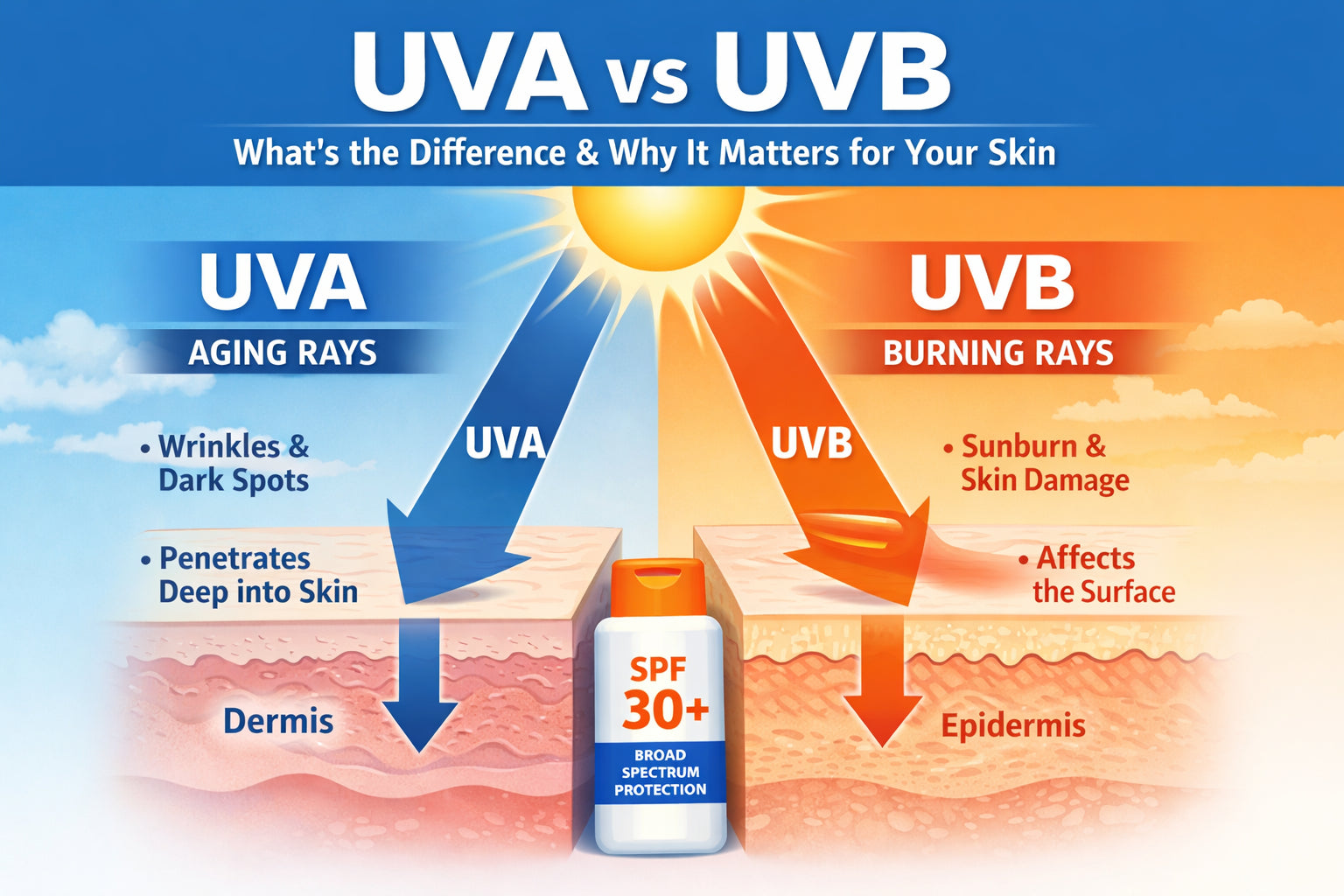
For skin-related goals, look for "bearberry extract" or "alpha-arbutin" on the ingredient labels of high-quality serums. Ensure you are using a broad-spectrum sunscreen daily, as these extracts make the skin more sensitive to UV damage.
Image Gallery