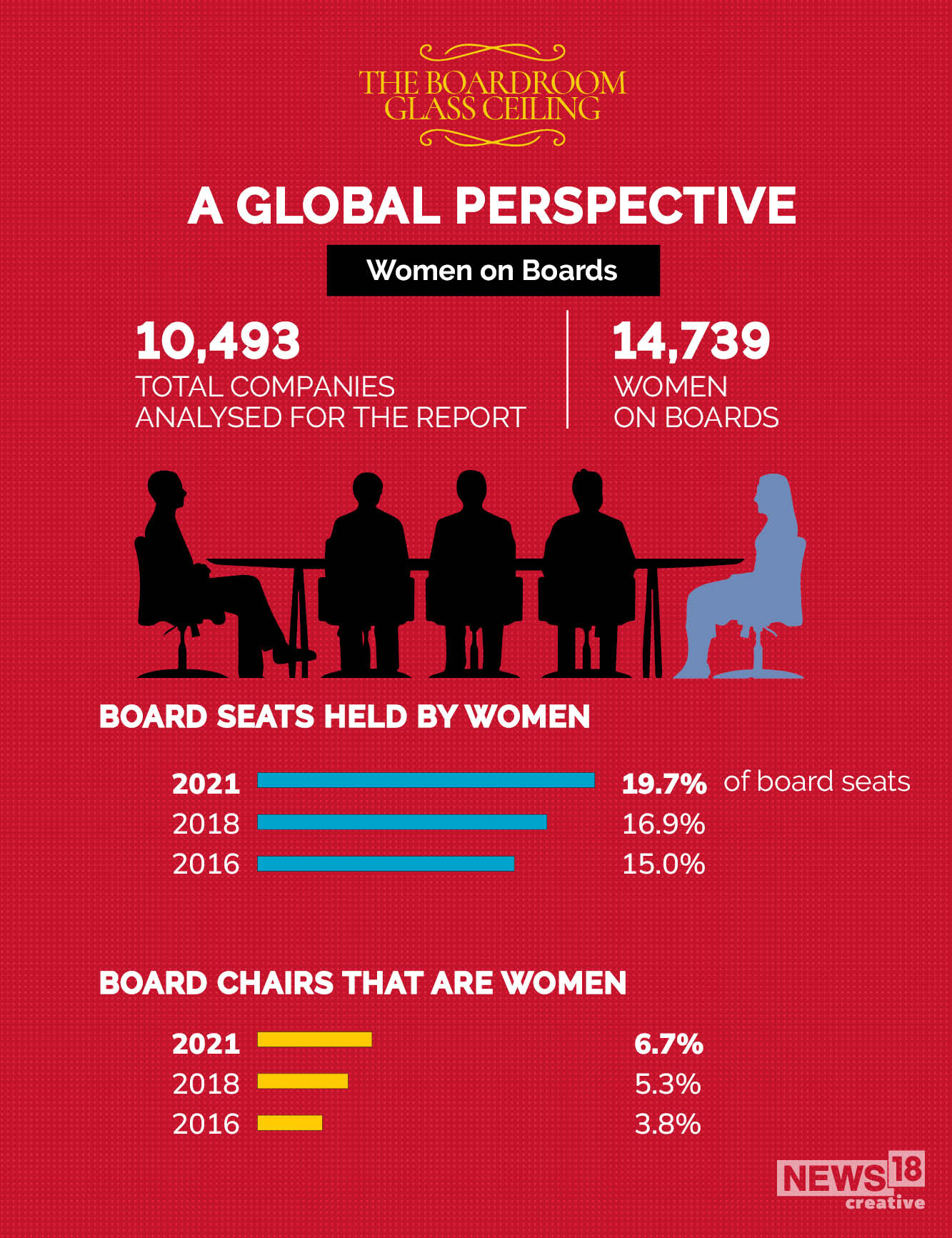
Why Women in Dubai Are Reshaping the Boardroom
Women in Dubai are actively reshaping the boardroom by leveraging robust legislative support, institutional initiatives, and a shifting corporate culture that prioritizes meritocracy over traditional hierarchies. This transition is cha...
Women in Dubai are actively reshaping the boardroom by leveraging robust legislative support, institutional initiatives, and a shifting corporate culture that prioritizes meritocracy over traditional hierarchies. This transition is characterized by increased female representation in C-suite roles, the rise of specialized mentorship networks, and government-backed mandates that encourage gender-balanced leadership across the UAE’s private and public sectors.
Contents
The Legislative Foundation for Equality
The transformation of the Dubai corporate landscape is not an accidental phenomenon but the result of intentional, long-term policy shifts. The United Arab Emirates has placed gender balance at the center of its national strategy, particularly through the Gender Balance Council. Founded to ensure that women play a pivotal role in the nation’s socioeconomic development, this council acts as a catalyst for legislative reforms that protect women's professional rights and encourage their ascent to top-tier management.
In recent years, the UAE has introduced reforms targeting the private sector to ensure equitable hiring and compensation practices. These policies are designed to remove systemic barriers that have historically hindered women from reaching board-level positions. By providing a secure legal framework that enforces equal opportunity, the government has provided the necessary stability for companies to implement internal diversity, equity, and inclusion (DEI) initiatives without legal or operational ambiguity.
Driving Factors: From Policy to Boardroom
While legislation provides the baseline, the actual reshaping of the boardroom in Dubai is driven by a combination of economic necessity and the maturation of the local talent pool. As Dubai evolves into a more diversified, knowledge-based economy, the demand for high-level strategic decision-making has grown.
Economic Competitiveness
Organizations in Dubai are increasingly recognizing that gender diversity is not merely a moral imperative but a competitive advantage. Global studies replicated within the UAE’s market context indicate that firms with higher gender diversity at the board level often demonstrate better financial performance and stronger risk management. In a city that acts as a global financial hub, competing for international capital requires alignment with global governance standards, which increasingly emphasize transparent and diverse leadership.
Access to Specialized Education and Mentorship
The rise of women in leadership is also supported by a robust educational pipeline. Dubai-based universities and international business schools have seen a significant uptick in female enrollment for MBA and executive leadership programs. This educational foundation is complemented by professional networks such as the Dubai Business Women Council (DBWC), which provides mentorship, networking opportunities, and platforms for women to interact with established industry leaders. These networks fill the "mentorship gap" that often stalls career progression in more traditional corporate environments.
The Evolution of Corporate Governance
The governance structure of Dubai’s major corporations is undergoing a structural shift. The focus has transitioned from nominal female representation to the inclusion of women in high-impact governance committees.
Board Composition Trends
Modern boardrooms in Dubai are moving away from tokenism. Instead, there is a clear trend toward appointing women to critical committees, such as Audit, Risk, and Nomination committees. This shift ensures that women are not just present at the table but are influencing the fiduciary and strategic direction of the company.
Comparison of Traditional vs. Modern Boardroom Dynamics
| Feature | Traditional Approach | Modern Dubai Approach |
|---|---|---|
| Recruitment | Informal networks / Referrals | Executive search / Merit-based criteria |
| Primary Goal | Operational maintenance | Innovation and risk management |
| Inclusion Strategy | None (Compliance-driven) | Strategic DEI programs |
| Committee Roles | Support roles only | Audit, Risk, and Executive committees |
| Retention | Short-term tenure | Long-term career pathing/Mentorship |
Challenges and Operational Realities
Despite the rapid progress, challenges remain. The "glass ceiling" in some sectors has evolved into a "sticky floor" in others, where mid-career professional women struggle to bridge the gap between middle management and executive leadership. Addressing this requires more than just hiring targets; it requires a deep-seated change in workplace culture.
Balancing Life and Leadership
One of the most significant operational challenges for women in Dubai—as in any global hub—is the integration of professional ambitions with domestic responsibilities. While Dubai offers excellent infrastructure, the expectation for 24/7 availability in high-stakes industries like finance and logistics can create friction. Companies that succeed in retaining female talent are those that adopt flexible working models and output-based performance evaluations rather than traditional "hours-in-office" metrics.
Overcoming Internal Resistance
Change is not always met with universal enthusiasm. In some family-run conglomerates, which remain a staple of the Dubai economy, the transition to professionalized, gender-diverse boards can be slow. These organizations often rely on legacy systems where family ties supersede professional experience. However, the generational shift—where the younger generation of business leaders takes the reins—is accelerating the transition toward a more inclusive, merit-based governance model.
Strategic Steps for Female Leaders in Dubai
For women aspiring to reach the boardroom in Dubai, the path requires a combination of strategic networking and continuous professional development.
- Strategic Networking: Engage with industry-specific councils and professional bodies. Visibility within the Dubai business ecosystem is essential for being considered for high-level appointments.
- Specialized Certification: Obtaining certifications in corporate governance or digital transformation (vital in a city pushing for AI-led growth) provides the technical validation required for non-executive director roles.
- Internal Advocacy: Seek out roles that involve P&L (Profit and Loss) responsibility. Board members are almost exclusively selected from the ranks of those who have successfully managed large-scale business units and financial outcomes.
- Leveraging Mentors: Identify mentors who are already part of the executive tier. Their advocacy is often the deciding factor in internal promotion discussions.
Frequently Asked Questions
Is there a quota for women on boards in Dubai?
While there is a strong government push for gender balance, most private sector mandates are based on performance metrics rather than rigid quotas. However, state-owned enterprises and entities listed on the Dubai Financial Market (DFM) are increasingly subject to disclosure requirements regarding their gender diversity.
How does the Dubai business culture view gender diversity?
The culture has shifted significantly toward recognizing gender diversity as a core component of economic success. The current narrative, supported by national vision documents, positions women as central drivers of future growth, particularly in the tech and sustainability sectors.
Are there specific sectors where women are advancing faster?
Yes, women are seeing the fastest growth in board representation within the fintech, hospitality, luxury retail, and professional services sectors. These industries value the diverse consumer insights and collaborative leadership styles that are frequently associated with the current cohort of female executives.
What is the role of the Gender Balance Council?
The UAE Gender Balance Council functions as a policy advisor and coordinator across all sectors. It monitors progress through specific indices and provides guidelines to companies on how to close the gender pay gap and promote women to decision-making roles.
How should a professional woman approach a salary negotiation in Dubai?
Approach negotiations based on market data for executive roles. In Dubai, transparency regarding total compensation packages—including benefits, bonuses, and housing/education allowances—is standard. Benchmarking against regional and international standards for the specific industry is essential.
Does Dubai law offer maternity and parental support for executives?
Recent updates to the UAE Labour Law have standardized maternity leave across the private sector. Furthermore, the regulatory environment for professional services allows for flexible working arrangements, which, while not a legal requirement for all, are increasingly common in companies aiming to retain top-tier female talent.
Recommendation for the Future
The most effective way for women to secure a place in Dubai’s boardrooms is to focus on governance expertise. As the regulatory environment becomes more complex, board directors are required to have a deep understanding of compliance, risk management, and ESG (Environmental, Social, and Governance) principles. Women who position themselves as experts in these specific, high-demand areas will find the most success in navigating the boardroom transition. Aspiring leaders should prioritize gaining board-observer roles or joining advisory boards to build the necessary experience before pursuing full-scale board appointments.
Image Gallery