Michael: Understanding the 2025 Biographical Film Project
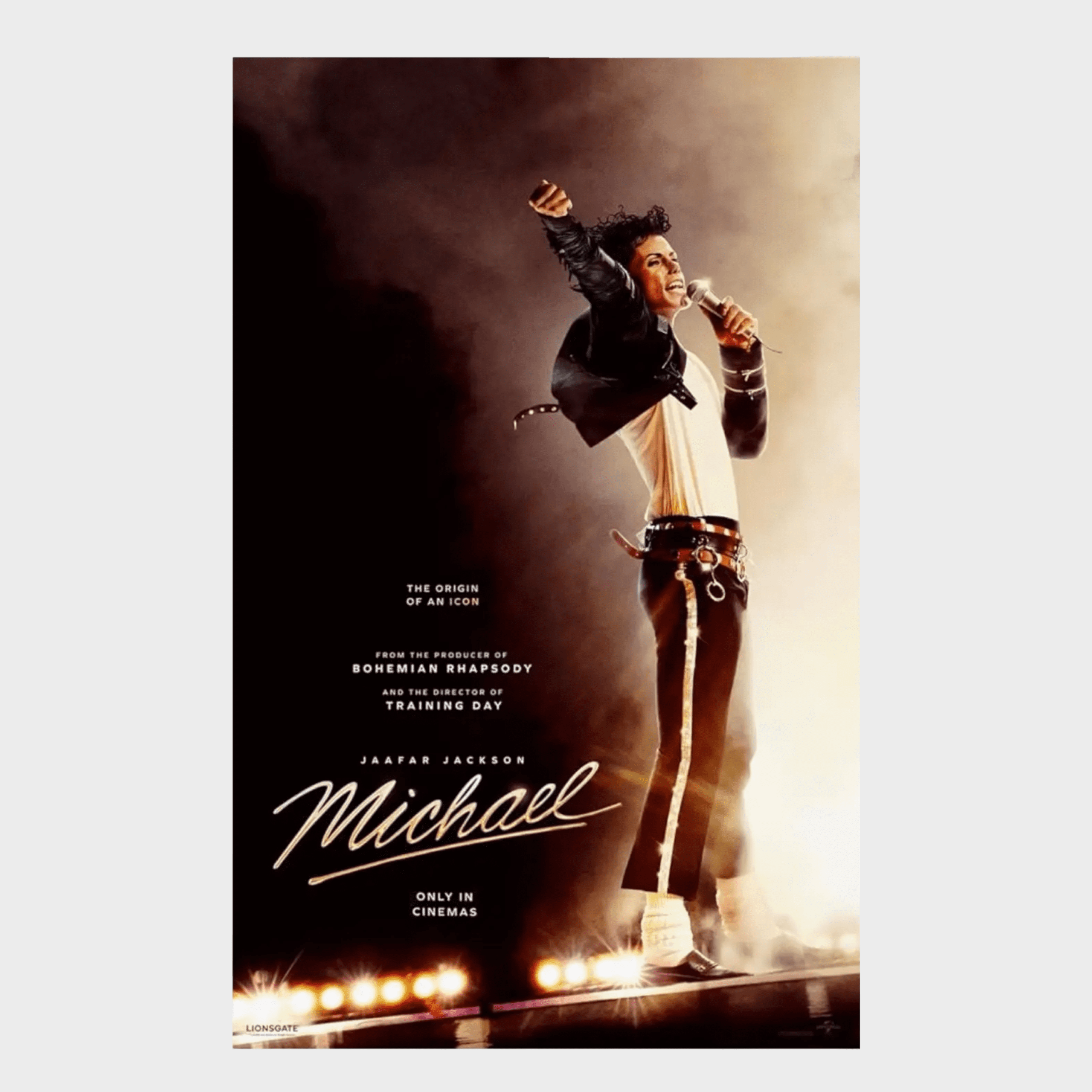
The film titled Michael is a biographical drama centered on the life and career of pop icon Michael Jackson. Directed by Antoine Fuqua and produced by Graham King, the project provides a comprehensive examination of the entertainer’s r...
The film titled Michael is a biographical drama centered on the life and career of pop icon Michael Jackson. Directed by Antoine Fuqua and produced by Graham King, the project provides a comprehensive examination of the entertainer’s rise to global superstardom, his artistic process, and the complexities that defined his personal and professional life.
Contents
The Genesis of the Project
The production of a definitive biographical film regarding Michael Jackson was long considered one of the most challenging undertakings in the entertainment industry. Given the global scale of the artist's influence and the polarizing nature of public discourse surrounding his personal life, any project of this magnitude required a production team capable of navigating significant legal and creative hurdles.
The film, titled simply Michael, serves as an authorized look at the subject’s history. It is produced by Graham King, who previously steered the Academy Award-winning Bohemian Rhapsody. King’s involvement signaled an industry focus on high-production values and an attempt to secure the cooperation of the Michael Jackson estate, which was essential for obtaining the rights to the extensive music catalog necessary to depict his performances accurately.
Creative Direction and Production
Antoine Fuqua, known for his work on Training Day and The Equalizer series, was selected to direct the film. His involvement brought a specific stylistic approach to the project, focusing on the kinetic nature of Jackson’s stage presence and the behind-the-scenes reality of the entertainment machine in the 1980s and 1990s.
The screenplay, penned by John Logan, faced the task of balancing the artist's professional milestones with the documented controversies of his later years. Unlike many unofficial documentaries, Michael utilized the resources of the Jackson estate, allowing for a deep dive into archival footage and specific stage choreography that defined the performer's legacy.
The Casting Process
One of the most scrutinized aspects of the development process was the casting of the lead role. Identifying an actor capable of mimicking Jackson’s distinct vocal cadence, physical agility, and stage charisma was a multi-year effort for the casting directors.
Jaafar Jackson, the nephew of the late pop icon, was eventually chosen to portray his uncle. His selection was reported to be based on his physical resemblance, his ability to replicate specific dance movements, and a vocal timbre that aligns with the requirements of the musical sequences. The transition from archival performance footage to dramatic recreation necessitated a performer who could inhabit the role rather than merely imitate it.
Key Biographical Coverage
The film Michael follows a non-linear narrative structure that spans several decades. For viewers interested in the technical and historical aspects of the performer's life, the film serves as a consolidated reference point for the following eras:
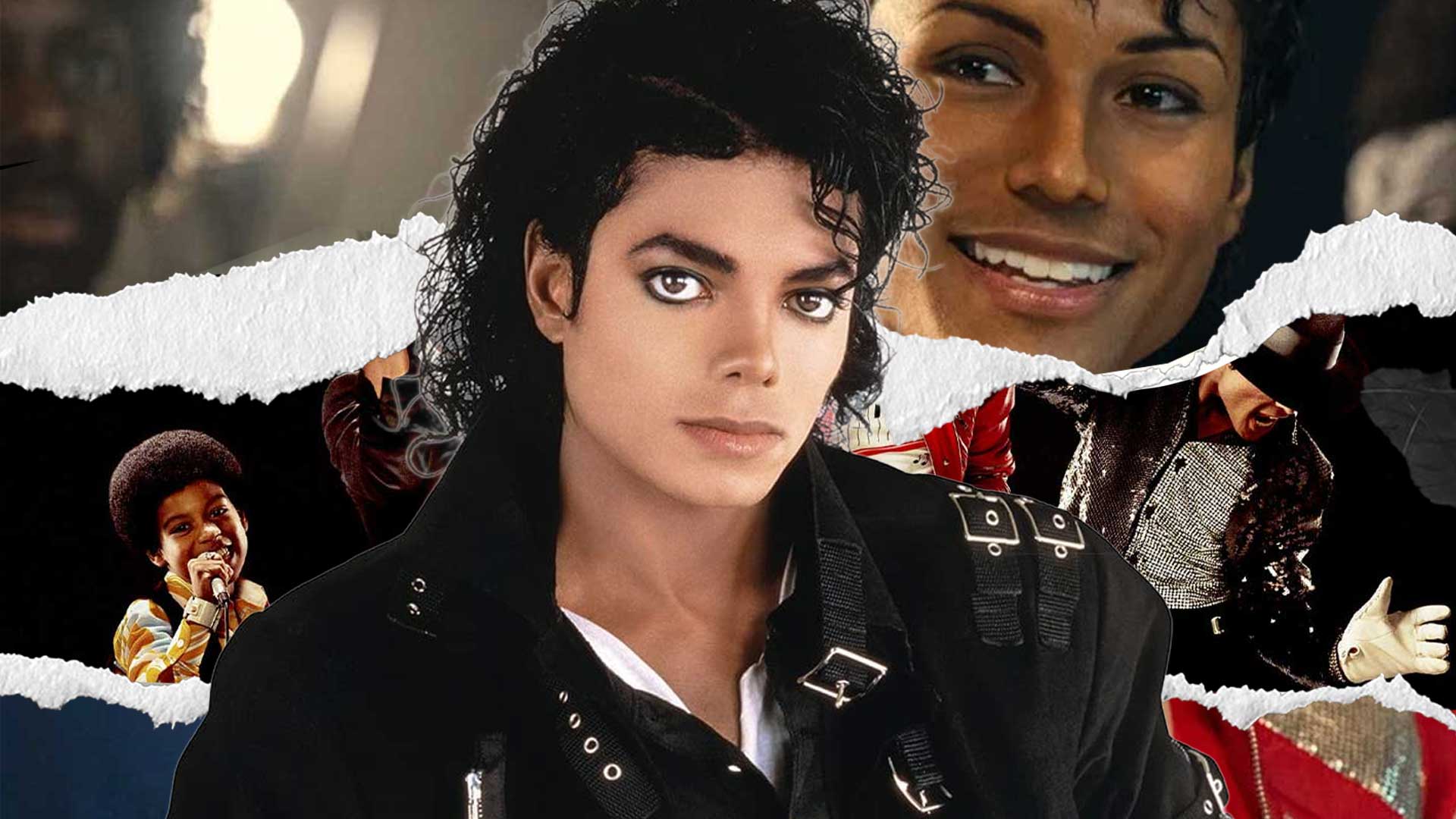
- The Jackson 5 Era: Early training under Motown Records and the emergence of the group as a national phenomenon.
- Off the Wall and Thriller Period: The transition into a solo powerhouse, focusing on the collaborative relationship with Quincy Jones and the creation of iconic visual media.
- The Mid-Career Evolution: The shift in aesthetic, sound, and the immense pressure of global fame during the Bad and Dangerous tours.
- The Later Years: A depiction of the artist’s final years, including the planning for the This Is It residency, which was meant to be his final stage performance.
Comparative Production Perspectives
When analyzing the film within the landscape of 21st-century music biopics, it is helpful to contrast Michael with other recent entries in the genre.
| Feature | Michael (2025) | Standard Music Biopics |
|---|---|---|
| Estate Involvement | Full Participation | Varying / None |
| Catalog Access | Extensive (Master Tracks) | Limited / Cover Versions |
| Choreography | Verified/Consulted | Interpreted |
| Primary Scope | Comprehensive Life History | Specific Career Peak |
The presence of the estate’s archives allows Michael to avoid the common pitfall of many music films: the use of re-recorded tracks. By utilizing original master recordings, the film attempts to maintain auditory continuity for the audience, ensuring that the musical sequences remain faithful to the original releases.
Understanding the Audience Experience
The film targets a wide demographic, ranging from long-term supporters of the artist’s music to younger audiences familiar with his work through digital streaming platforms and social media clips. Because the subject remains a polarizing figure, the film’s narrative approach is designed to cater to a viewership that demands both the celebration of his artistic contributions and an acknowledgment of the darker complexities associated with his life.
For students of cinema and film production, Michael represents a case study in modern biographical filmmaking. It highlights how major studios handle sensitive subject matter when balancing commercial interests with historical accuracy. The film does not shy away from the intense media scrutiny that accompanied the subject, framing it as an integral, albeit difficult, aspect of his life.
Technical and Legal Considerations
Behind the scenes, the production navigated complex intellectual property rights. Because Michael Jackson’s music and likeness are protected by highly managed estates, any project aiming to use this material must undergo rigorous legal vetting.
- Rights Acquisition: The film had to secure clearances for music, biographical portrayals of third parties, and visual representations of historical events.
- Archival Integration: Integrating modern digital effects with 20th-century video formats requires meticulous post-production work to ensure that the transition between eras feels seamless.
- Consultation: The production employed historians and former associates of the artist to verify the authenticity of costumes, stage sets, and rehearsal environments.
Frequent Questions Regarding the Film
Who is the primary actor in the film Michael? The film stars Jaafar Jackson, the nephew of Michael Jackson. His casting was confirmed after an extensive global search, with the production team noting his unique ability to capture both the performer’s physical movements and vocal style.
Does the film cover the final years of his life? Yes, the narrative extends into the final years of the subject’s career, specifically focusing on the lead-up to the planned London residency that was ultimately canceled. The film covers the professional and personal stresses that defined this period.
Is the music in the film original or re-recorded? Michael uses original master recordings of the artist's catalog. This provides a level of auditory authenticity that distinguishes it from biopics that must use cover versions due to licensing restrictions.
Who directed the film? The film was directed by Antoine Fuqua. His background in directing high-stakes, character-driven dramas allowed him to oversee the balance between the film’s massive musical numbers and its quieter, more intimate biographical moments.
Where can the film be accessed? As of early 2026, the film is available through theatrical distribution channels and, depending on the region, is rolling out across major digital streaming services. Readers should check local cinema listings or streaming platforms for availability in their specific jurisdiction.
Final Recommendation
For those looking to understand the life and career of Michael Jackson, Michael offers a high-production-value perspective that is rare in its access to original materials and estate archives. If your interest is in the history of pop culture, the evolution of stage performance, or the life of one of the 20th century’s most significant figures, this film provides a comprehensive, albeit polished, account of his legacy. For the most accurate historical context, viewers should supplement the viewing of the film with primary source biographies and established historical records regarding the 1980s and 1990s music industry.
Image Gallery