Understanding Central Air and Heat Repair Costs and Trade-offs
Deciding between repairing or replacing a central HVAC system requires balancing immediate out-of-pocket costs against long-term operational efficiency and equipment longevity. Homeowners must weigh the remaining lifespan of their curr...
Deciding between repairing or replacing a central HVAC system requires balancing immediate out-of-pocket costs against long-term operational efficiency and equipment longevity. Homeowners must weigh the remaining lifespan of their current unit, the cost of specialized components, and the potential energy savings provided by newer, higher-SEER2-rated systems against the upfront investment required for full replacement.
Contents
The Financial Reality of HVAC Repair
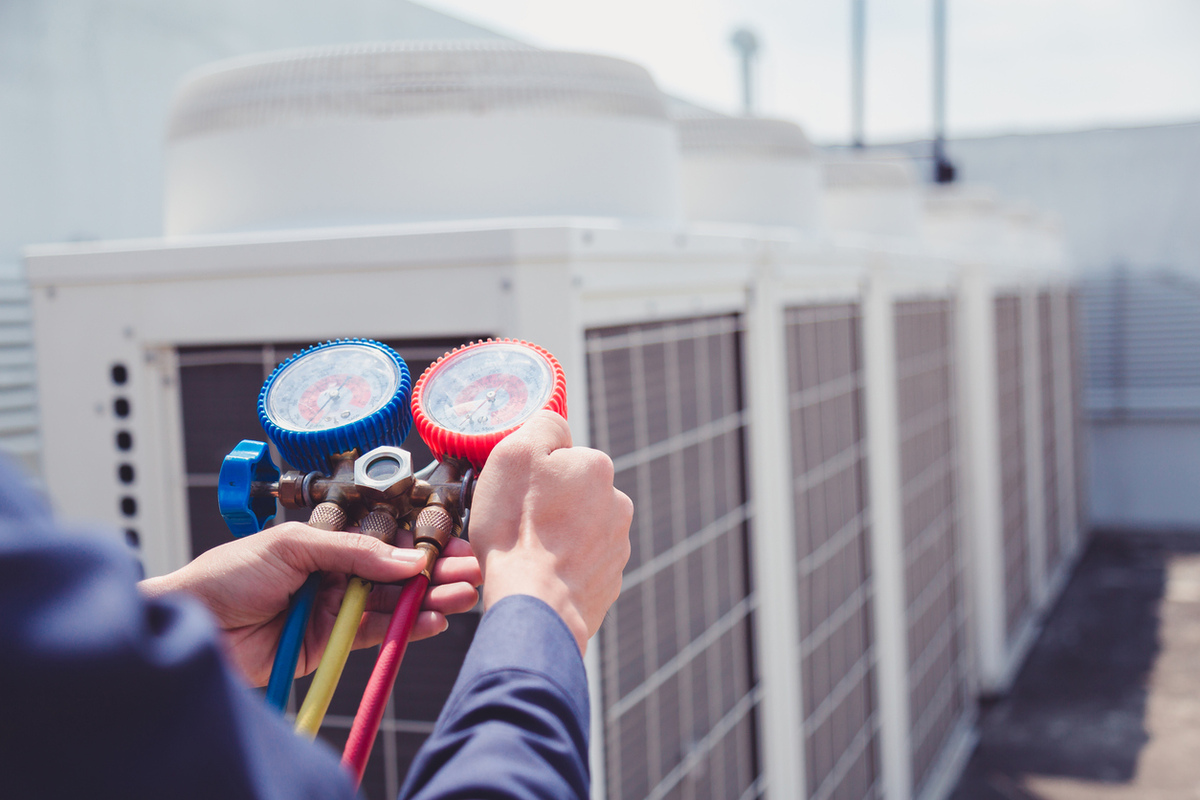
When a central air and heating system fails, the primary financial tension lies between the expense of a localized repair and the significant capital outlay of a full system replacement. In 2026, the average cost for a professional HVAC repair—such as replacing a capacitor, recharging refrigerant, or repairing a blower motor—typically ranges from $200 to $900, depending on the complexity of the part and the labor time required.
However, repair costs are not static. They are heavily influenced by the availability of parts, the age of the equipment, and the specific type of refrigerant used in the system. Older systems—specifically those manufactured before the widespread adoption of newer, more eco-friendly refrigerants—often become liabilities. When a system utilizing an obsolete or phased-out refrigerant experiences a leak, the cost to recharge it can be prohibitively high, often nearing the price of a mid-level equipment replacement.
Assessing the Repair vs. Replace Threshold
A common rule of thumb in the HVAC industry is the "5,000 rule" or the "50% rule." You multiply the age of your equipment in years by the estimated repair cost. If the result exceeds $5,000, or if the repair cost is more than 50% of the value of a new unit, replacement is often the more sound financial decision.
Consider the following factors before finalizing your choice:
- Equipment Age: Most central heating and cooling systems have an expected service life of 12 to 18 years. If your unit is older than 15 years, it is likely running on older technology that is inherently less efficient, making major repairs a diminishing return on investment.
- Recurring Issues: If you have required professional maintenance more than twice in the last two years for mechanical failures, the system may be entering a phase of rapid degradation.
- Energy Efficiency Gaps: Modern units in 2026 are rated under the SEER2 (Seasonal Energy Efficiency Ratio 2) standard. A high-efficiency replacement can reduce monthly electricity consumption by 20% to 40% compared to a 15-year-old unit. Over five to seven years, these savings can offset a significant portion of the replacement cost.
Trade-offs in Component Repairs
Not all repairs are created equal. Some fixes are preventative or minor, while others indicate catastrophic systemic failure.
- Electrical Components: Replacing a contactor, run capacitor, or thermostat is usually cost-effective and rarely signals the end of a unit’s life. These components are standard across many brands and do not require proprietary technology.
- Compressor Failure: The compressor is the heart of the air conditioning system. A failed compressor, especially one out of warranty, is almost always a sign that a full system replacement is the superior choice. The cost of labor, recovery of refrigerant, and the part itself often approaches the cost of a new condenser unit.
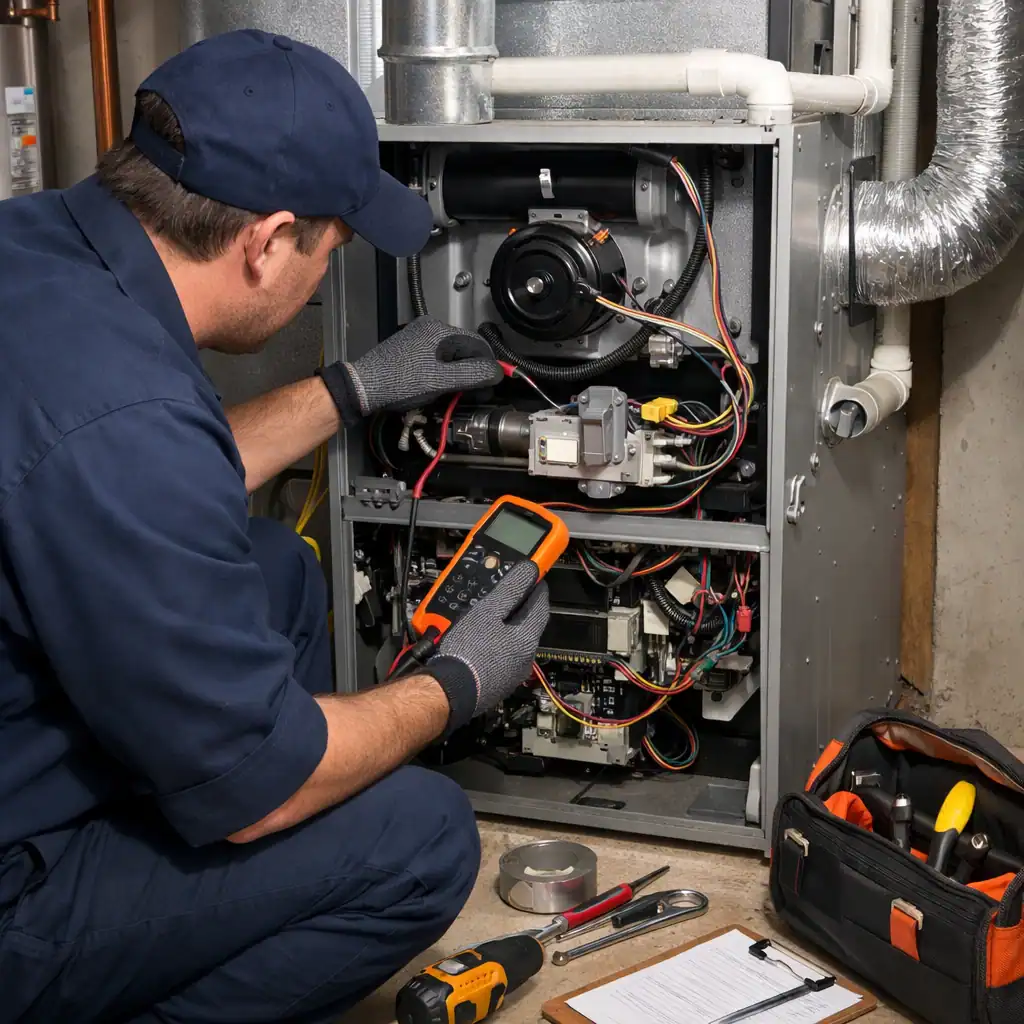
- Heat Exchanger Cracks: For gas furnaces, a cracked heat exchanger is a critical safety issue. It can lead to carbon monoxide leakage into the home. Unlike minor mechanical repairs, a cracked heat exchanger is a non-negotiable failure that mandates replacement for health and safety reasons.
Comparative Cost Analysis Table
| Repair Category | Est. Cost Range (2026) | Long-term Viability | Recommended Action |
|---|---|---|---|
| Capacitor Replacement | $150 – $350 | High | Repair |
| Fan Motor Failure | $400 – $900 | Moderate | Repair if < 10 years old |
| Refrigerant Leak | $500 – $1,500 | Low | Assess age/Refrigerant type |
| Compressor Replacement | $1,800 – $3,500 | Low | Replace System |
| Heat Exchanger Failure | $1,500 – $2,500 | Very Low | Replace System (Safety) |
Environmental and Regulatory Impacts
By 2026, regulatory standards for refrigerants have tightened, affecting how technicians handle repairs. Systems that rely on older HCFC-based refrigerants are becoming more expensive to maintain as supply dwindles and reclamation costs rise. When choosing to repair, ensure the technician provides a clear assessment of whether the refrigerant type is currently subject to phase-out mandates. If your system requires a refrigerant that is being phased out, a repair today might be rendered useless by a lack of available parts or gas in the near future.
Troubleshooting Before Calling a Professional
Before incurring a service fee, verify that the issue is not related to basic user-maintenance errors. Often, "repair calls" are resolved by simple adjustments:
- Air Filters: A clogged filter restricts airflow, which causes coils to freeze in the summer and can cause high-limit switches to trip in the winter. Check your filter first; it is the most common cause of system performance drops.
- Thermostat Settings: Ensure the thermostat is set to the correct mode (Heat/Cool/Auto) and that the batteries have been replaced recently.
- Circuit Breakers: Check the electrical panel to see if a breaker has tripped. If it trips again immediately after being reset, do not force it back on, as this indicates a short circuit that requires a professional inspection.
- Drain Lines: If the AC is leaking water, the primary condensate drain line may be blocked by algae or debris. Clearing this line with a wet/dry vac or a specialized cleaner is a routine task that prevents high-cost water damage.
Professional Guidance and Safety
HVAC systems contain high-voltage electricity and, in the case of gas furnaces, combustible fuel sources. Never attempt to bypass safety switches, handle refrigerants, or manipulate electrical wiring without proper certification. When obtaining quotes for repairs, request at least two independent estimates. Ask the technician to provide a detailed report on the condition of the coils, the current amperage draw compared to the manufacturer's rating, and the specific failure point of the system.
If a contractor suggests a "temporary fix" to "get you through the season," ensure you understand the potential downstream costs. Such fixes are rarely permanent and can sometimes mask underlying issues, leading to more expensive secondary damage.
Frequently Asked Questions
Is it worth fixing an HVAC system that is 15 years old? Generally, no. At 15 years, most systems are near the end of their design life. While a minor electrical repair might be justified, any repair involving the compressor, refrigerant system, or heat exchanger is likely a waste of funds that would be better directed toward a more efficient modern unit.
How do I know if I need a repair or just a cleaning? If your system is blowing lukewarm air or making unusual noises, it may simply need a coil cleaning or a blower wheel servicing. However, if the system is not starting at all or the thermostat is unresponsive, it is likely a mechanical or electrical failure requiring professional diagnosis.
Does a newer system really save that much on energy bills? Yes, but the amount depends on your local utility rates and the SEER2 rating of your current unit versus the new one. In 2026, moving from a standard 10-SEER unit to an 18-SEER2 system can significantly lower cooling costs, provided your home’s ductwork is also properly sealed.
Are there tax incentives for replacing my system in 2026? Yes, various federal and local utility incentives may be available for installing high-efficiency equipment. Always consult the official Department of Energy website or your local utility provider to verify current eligibility before signing a contract for a full system replacement.
What is the most common reason for HVAC failure? Lack of routine maintenance is the primary culprit. Failing to change air filters, ignoring blocked outdoor coils, and failing to schedule annual professional inspections lead to mechanical strain, which eventually causes the premature failure of major components.
Next Steps for Homeowners
If you suspect a system failure, document the symptoms and the age of your unit. Prioritize basic troubleshooting—checking filters and breakers—before contacting a service provider. If a technician suggests a major repair, cross-reference the cost against the age of the unit using the 50% rule provided in this guide. Always seek a secondary opinion if the estimated repair cost exceeds 30% of the value of a replacement system, and prioritize safety-related repairs immediately to protect your home and family.
Image Gallery