Max Hall and the Arizona Cardinals: The 2010 Quarterback Transition
Max Hall played as a quarterback for the Arizona Cardinals during the 2010 NFL season. Joining the team as an undrafted free agent from Brigham Young University (BYU), Hall started three games and appeared in six during a turbulent yea...
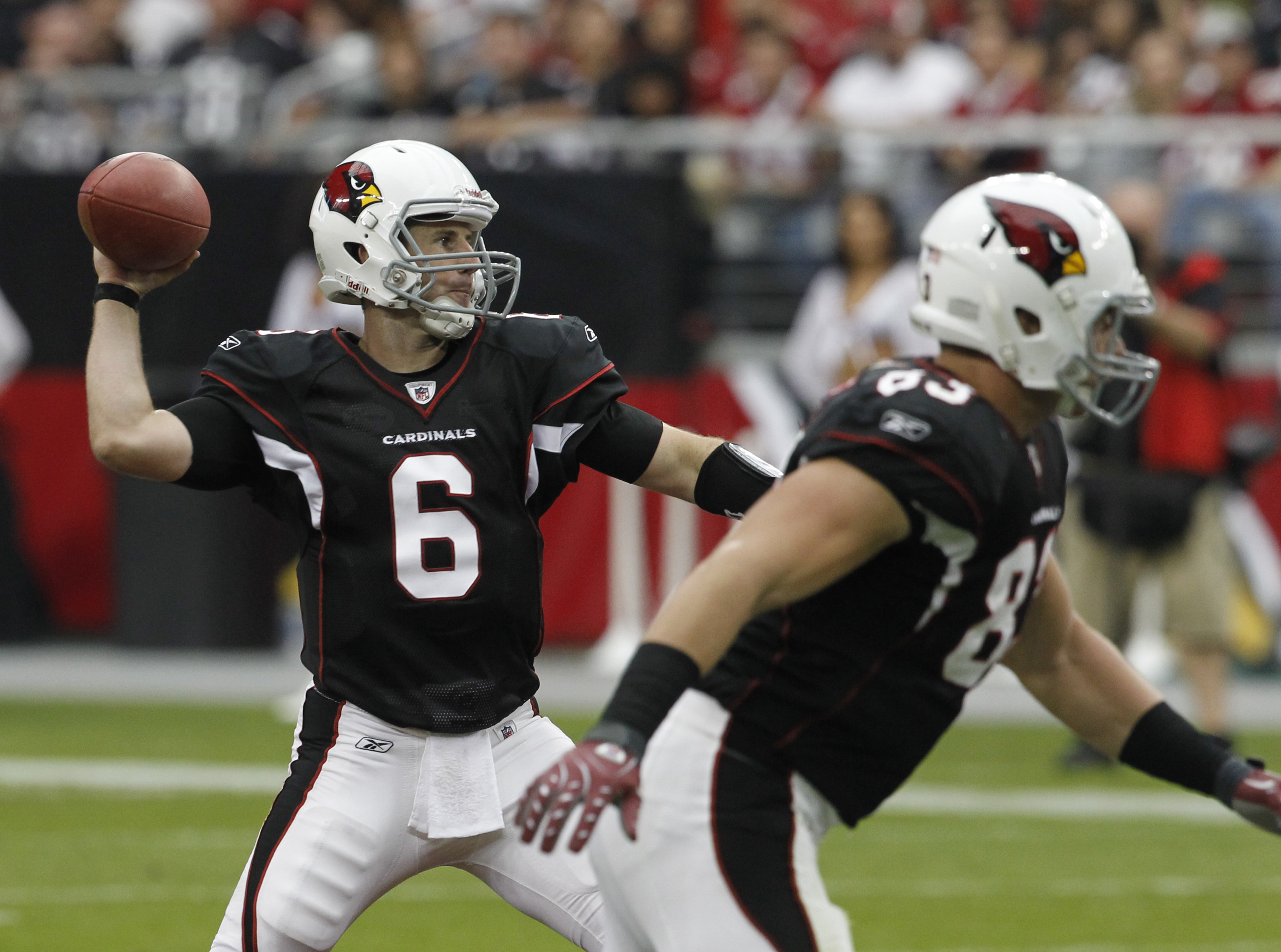
Max Hall played as a quarterback for the Arizona Cardinals during the 2010 NFL season. Joining the team as an undrafted free agent from Brigham Young University (BYU), Hall started three games and appeared in six during a turbulent year for the franchise following the retirement of Hall of Famer Kurt Warner.
Contents
The 2010 Arizona Cardinals season remains one of the most scrutinized periods in the team’s modern history. Coming off a successful era defined by Kurt Warner’s veteran leadership and a Super Bowl XLIII appearance, the franchise found itself at a crossroads. The search for a successor led to a rotating door at the quarterback position, where Max Hall emerged as a surprising, albeit temporary, solution. To understand Hall’s impact, one must examine the specific circumstances of the 2010 roster, the technical challenges of the post-Warner transition, and Hall's personal journey beyond the gridiron.
The Post-Kurt Warner Vacuum
When Kurt Warner retired in January 2010, he left a massive void in both leadership and production. The Cardinals, led by head coach Ken Whisenhunt, initially looked to former first-round pick Matt Leinart. However, during the 2010 preseason, Leinart’s hold on the starting job faltered, leading to his eventual release. This left the team with veteran Derek Anderson and a promising but unproven undrafted rookie from BYU, Max Hall.
Hall had been a standout at BYU, setting multiple records and demonstrating a grit that appealed to the Cardinals' coaching staff. While he lacked the prototypical height and arm strength of an elite NFL prospect, his collegiate winning percentage and football IQ earned him a spot on the 53-man roster. By the time the regular season reached October, the struggles of Derek Anderson forced Whisenhunt to look toward the rookie.
The 2010 Season: From Undrafted to NFL Starter
Max Hall’s ascension to the starting role was a classic "underdog" narrative that briefly energized a struggling fan base. His first major opportunity came in Week 5 of the 2010 season against the defending Super Bowl champions, the New Orleans Saints.
The atmosphere at State Farm Stadium (then University of Phoenix Stadium) was electric as Hall led the team to a stunning 30-20 victory. While his statistical output was modest—completing 17 of 27 passes for 168 yards and an interception—his ability to manage the game and avoid catastrophic mistakes against a Drew Brees-led offense was hailed as a turning point. However, the physical toll of the NFL soon caught up with the rookie.
Technical Performance and Challenges
As the season progressed, the limitations of the Cardinals' offensive line and Hall’s own inexperience became apparent. Standing at roughly 6'1", Hall struggled with seeing over the massive defensive lines of the NFC West. The speed of the NFL game also led to an increased turnover rate. In his six appearances, Hall threw only one touchdown against six interceptions, finishing the year with a passer rating of 35.7.
Hall’s tenure as a starter was also hampered by injuries. He suffered a significant concussion during a game against the Cleveland Browns, which effectively sidelined him and allowed other quarterbacks, like fellow rookie John Skelton, to enter the rotation. This "quarterback carousel" defined the 2010 season, as the team cycled through Anderson, Hall, and Skelton in a desperate attempt to find consistency.
2010 Arizona Cardinals Quarterback Comparison
The following table illustrates the statistical distribution among the three primary quarterbacks used by the Arizona Cardinals during the 2010 season.
| Quarterback | Games Played | Completions/Attempts | Passing Yards | TDs | INTs | Passer Rating |
|---|---|---|---|---|---|---|
| Derek Anderson | 12 | 169 / 327 | 2,065 | 7 | 10 | 65.2 |
| Max Hall | 6 | 39 / 78 | 485 | 1 | 6 | 35.7 |
| John Skelton | 4 | 60 / 126 | 662 | 2 | 2 | 62.3 |
Data reflects the official 2010 NFL statistics for the Arizona Cardinals.
Life After the Cardinals: Challenges and Redemption
Max Hall was waived by the Cardinals prior to the 2011 season. While his NFL career was brief, his story took a deeply personal and public turn in the years that followed. Hall spent a short time in the Canadian Football League (CFL) with the Winnipeg Blue Bombers, but his athletic career was increasingly overshadowed by a battle with prescription drug addiction.
Hall has been remarkably transparent about his struggle with OxyContin, which began following injuries sustained during his playing days. In 2014, an arrest for shoplifting and drug possession served as a rock-bottom moment that prompted a major life shift. Hall entered rehabilitation and has since become a vocal advocate for recovery and mental health awareness.
By 2026, Hall’s legacy is defined less by his passer rating in 2010 and more by his contributions to high school and collegiate coaching. He returned to the football world as a coach, focusing on developing young quarterbacks at the high school level in Utah and Arizona. His journey serves as a cautionary tale about the physical and mental toll of professional sports, but also as an inspiring narrative of resilience and personal transformation.
The Legacy of the 2010 Cardinals Season
The 2010 season is often viewed as a "reset" year that eventually led the Cardinals to trade for Carson Palmer and hire Bruce Arians years later. Max Hall’s role in that season was a symptom of a franchise in transition. For fans, he represents the "post-Warner" era—a time of experimentation and the harsh realization that replacing a Hall of Fame quarterback is one of the most difficult tasks in professional sports.
Despite the low statistical output, Hall remains a respected figure among BYU alumni and a specific subset of Cardinals fans who remember his gritty performance against the Saints. His ability to step onto an NFL field as an undrafted player and secure a victory against a reigning champion is a feat few athletes ever achieve.
Frequently Asked Questions
What was Max Hall’s best game with the Arizona Cardinals?
His best game occurred on October 10, 2010, against the New Orleans Saints. Hall led the Cardinals to a 30-20 upset victory. Although he did not throw a touchdown pass, his poise and leadership were instrumental in securing the win against the defending Super Bowl champions.
Why did Max Hall stop playing for the Cardinals?
Hall’s departure was primarily due to a combination of performance and injury. After struggling with interceptions and suffering a concussion during the 2010 season, he was surpassed on the depth chart by John Skelton and later became a casualty of roster cuts in the 2011 preseason when the team sought more veteran stability.
Where is Max Hall now in 2026?
As of 2026, Max Hall continues his career in coaching and public speaking. He has focused his efforts on mentoring young athletes in Utah and Arizona, sharing his story of NFL success and his subsequent recovery from addiction to help others navigate the pressures of competitive sports.
How does Max Hall’s college career compare to his NFL career?
Hall was a legend at BYU, where he became the winningest quarterback in school history with a 32-7 record. In contrast, his NFL career was much shorter and statistically difficult, highlighting the immense gap in speed and defensive complexity between the collegiate and professional levels of American football.
Who replaced Max Hall as the Cardinals' quarterback?
During the 2010 season, Hall shared duties with Derek Anderson and John Skelton. Following that season, the Cardinals traded for Kevin Kolb in 2011, hoping he would provide the long-term solution the team lacked during Hall’s rookie year.
Summary and Next Actions
Max Hall’s tenure with the Arizona Cardinals serves as a pivotal case study in NFL succession planning. For researchers and fans looking to understand this era, the key takeaway is the volatility of the quarterback position after the departure of a franchise icon.
If you are interested in the historical progression of the Arizona Cardinals, your next step should be to examine the 2013-2017 Bruce Arians era, which finally stabilized the franchise following the post-Warner instability that Max Hall lived through. For those interested in the human side of sports, following Hall’s ongoing work in addiction recovery advocacy provides a profound look at life after the NFL.
Image Gallery