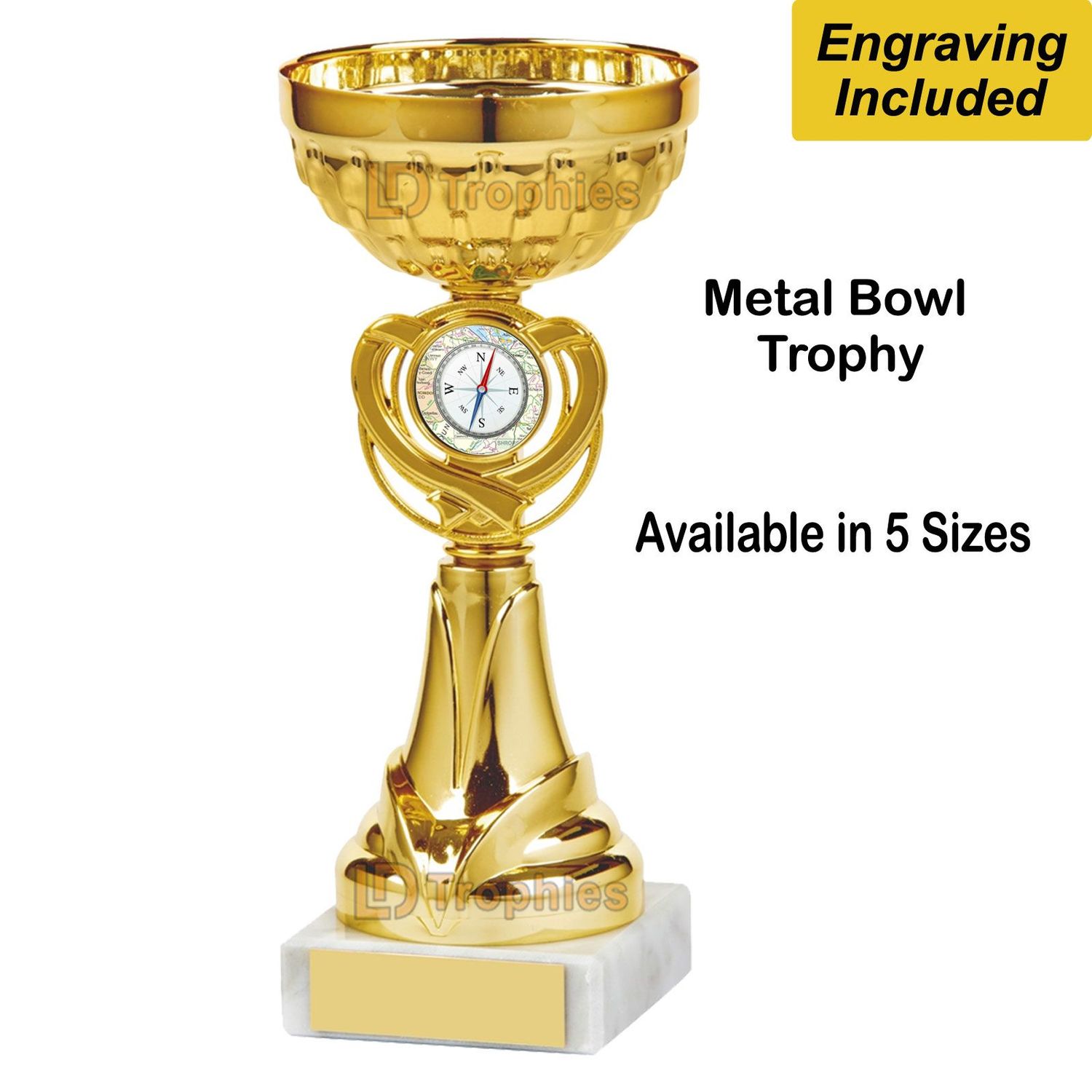
Why Trophies Are Cups: The History and Symbolism of Victory
Trophies are shaped like cups because of the historical evolution of the "loving cup," a communal drinking vessel used to celebrate shared success. This tradition emerged from 17th-century European banqueting rituals and 18th-century h...
Trophies are shaped like cups because of the historical evolution of the "loving cup," a communal drinking vessel used to celebrate shared success. This tradition emerged from 17th-century European banqueting rituals and 18th-century horse racing, where silver vessels served as both a functional prize for drinking and a valuable store of wealth.
Contents
For centuries, the image of a victorious athlete hoisting a gleaming silver or gold chalice has been the universal shorthand for triumph. Whether it is the FIFA World Cup, the Stanley Cup, or the Wimbledon Gentlemen’s Singles Trophy, the "cup" format dominates the aesthetic of achievement. However, the journey from the battlefields of Ancient Greece to the modern podium involves a fascinating shift from literal spoils of war to symbolic domestic luxury.
The Ancient Origin: From "Tropaion" to Symbolic Gifts
To understand why we use cups, we must first look at what a trophy was before it took a decorative form. The word "trophy" derives from the Greek tropaion, which refers to a "turning point" in battle. In Ancient Greece, soldiers would hang the captured armor and weapons of their defeated enemies on a tree or a wooden post at the exact location where the tide of the battle turned.
These early trophies were not items meant to be carried home; they were monuments to the gods, specifically Zeus, as a thank-you for the victory. Over time, as organized athletics like the Olympic Games gained prominence, the nature of the reward changed. While early Olympic victors received olive wreaths, other local games began offering more tangible goods.
In some instances, victors received tripods—three-legged bronze stands used to support large cauldrons. These tripods were highly valuable and often dedicated to temples. This established an early precedent: the prize for a physical feat should be a valuable, hollow vessel associated with ritual and communal utility.
The Rise of the "Loving Cup" Tradition
The most direct ancestor of the modern trophy cup is the loving cup. During the Middle Ages and the Renaissance, communal drinking was a central part of banquets and ceremonies. A loving cup was a large vessel, often featuring two or more handles, designed to be passed around a table so that every guest could take a sip.
This practice was deeply symbolic. Shared drinking represented trust, unity, and the sealing of an alliance. In an era where poisoning was a genuine political concern, the act of drinking from the same vessel as your peers was a powerful gesture of peace. The two handles were functional; they allowed the person drinking to hold the heavy cup with both hands while the person next to them stood up to "guard" their back, a tradition still practiced in some formal British ceremonies today.
By the 17th and 18th centuries, these loving cups became popular gifts for weddings, christenings, and—eventually—sporting victories. When a team or an individual won a competition, the presentation of a cup allowed the victors to engage in a shared ritual of celebration, literally drinking to their own health and success.
The 18th Century: Horse Racing and the "Kyp Cup"
While the loving cup provided the social framework, horse racing in England provided the professional standardization. In the 1700s, "cups" became the preferred prize for prestigious races. One of the earliest documented examples is the Carlisle Bell, though it is a bell and not a cup, it established the idea of a recurring physical prize.
However, by the mid-1700s, silver chalices and porringers (shallow bowls with handles) became the standard. These items were known as "Kyp Cups" or "Race Cups." Silver was chosen not just for its beauty, but for its intrinsic value. In 2026, we view trophies as purely symbolic, but in the 18th century, a silver cup was a form of liquid currency. If a racehorse owner fell on hard times, the trophy could be melted down or sold for its weight in precious metal.
The transition from a functional drinking bowl to a decorative "trophy cup" was completed during the Victorian era. Silversmiths began adding ornate lids, elaborate pedestals, and intricate engravings depicting the sport itself, moving the object away from the dining table and toward the display mantle.
Iconic Case Studies: Why These Cups Set the Standard
Several world-famous trophies solidified the "cup" as the ultimate prize in the public imagination. These entities carry such historical weight that they influence the design of new trophies even in the 21st century.
The America’s Cup (1851)
Originally known as the "R.Y.S. £100 Cup," this is the oldest international trophy in world sport. It is a bottomless ornate silver ewer (a jug-like vessel) made by Garrard & Co. It was originally awarded for a race around the Isle of Wight. Its immense prestige set a global standard: the most elite competitions in the world deserved a massive, silver, vessel-shaped prize.
The FA Cup (1871)
In football (soccer), the FA Cup is the oldest national competition. The original trophy was a small silver cup, but after it was stolen in 1895, the design evolved. The current version, though updated over the decades, maintains the classic "loving cup" silhouette with two handles and a lid, reinforcing the connection between the sport and British communal traditions.
The Stanley Cup (1892)
Perhaps the most famous "cup" in North America, the Stanley Cup began as a literal silver punch bowl purchased by Lord Stanley of Preston, the Governor General of Canada. It was originally intended to be a challenge trophy for Canada's top amateur hockey club. Because it was a functional bowl, players began the tradition of drinking champagne from it—a ritual that persists in 2026 and keeps the "loving cup" history alive.
Comparison of Famous Cup-Style Trophies
The following table highlights the diversity of "cup" designs and their historical foundations across major sports.
| Trophy Name | Year Established | Material | Design Influence |
|---|---|---|---|
| The America's Cup | 1851 | Sterling Silver | Ornate Ewer / Jug |
| The FA Cup | 1871 | Sterling Silver | Traditional Loving Cup |
| Wimbledon Gentlemen's Trophy | 1887 | Silver Gilt | Classic Chalice |
| The Stanley Cup | 1892 | Silver/Nickel Alloy | Decorative Punch Bowl |
| The Davis Cup | 1900 | Sterling Silver | Massive Punch Bowl & Plinth |
| The Webb Ellis Cup | 1987 | Silver Gilt | 1906 Decorative Design |
The Materiality of Victory: Why Silver and Gold?
The choice of materials is inseparable from why trophies are cups. Throughout the 19th century, silver was the primary medium for trophy-making. Silver was prestigious enough to signify a "royal" or "noble" pursuit but durable enough to be handled, passed around, and engraved.
- Silver Gilt: Many trophies that appear to be gold are actually silver gilt (sterling silver plated with gold). This provides the "regal" look of gold without the astronomical cost and excessive weight of solid 24k gold, which is also too soft for large, ornate structures.
- The "Grail" Archetype: Psychologically, the cup shape evokes the "Holy Grail." In Western culture, the search for a sacred chalice is the ultimate quest. By making a championship prize a cup, organizers tap into a deep-seated mythological drive. The cup becomes a vessel not just for liquid, but for the "glory" the athletes have pursued.
Functional Evolution: Can You Still Drink From Them?
In the modern era, many trophies have moved away from being functional drinking vessels. For example, the FIFA World Cup trophy (introduced in 1974) is a solid sculpture of two human figures holding up the Earth. It is not a cup in the literal sense, yet it is still colloquially called the "World Cup."
However, in sports with deep-rooted traditions like hockey, motor racing, and sailing, the functionality remains a part of the celebration. The winner of the Indianapolis 500 drinks milk, and while it is from a bottle, the nearby Borg-Warner Trophy (though a massive spire) features the faces of past winners, maintaining the "communal" aspect of the trophy's history.
The ritual of "drinking from the cup" remains the ultimate act of victory. It signifies that the long, arduous "quest" is over, and the victor can now relax and feast. This transition from the "toil" of the game to the "celebration" of the banquet is perfectly encapsulated by the cup shape.
Frequently Asked Questions
Why do some trophies have two handles?
The two handles are a direct carryover from the medieval "loving cup." They allowed the vessel to be passed easily from one person to another. In a sporting context, handles make it easier for two teammates to hoist the trophy together during a victory lap.
Is the FIFA World Cup actually a cup?
No. The current FIFA World Cup trophy, designed by Silvio Gazzaniga, is a solid sculpture. It replaced the Jules Rimet Trophy, which was a gold-plated sterling silver cup representing Nike, the Greek goddess of victory. Despite the change in shape, the name "World Cup" was retained due to the immense brand recognition of the "cup" as a symbol of championship.
What is the oldest trophy still in use?
The Carlisle Bell (1599) is considered the oldest, but the America's Cup (1851) is the oldest international trophy for a major continuous sporting event. The Royal Musselburgh Old Cup (1811) is also one of the oldest specific "cup" shaped trophies in golf.
Why do winners drink champagne from trophies?
This tradition mimics the 18th and 19th-century banquets where the silver prize was immediately filled with wine or punch to celebrate. It serves as a literal "toast to victory" and reinforces the trophy’s origin as a communal drinking vessel.
Why are some trophies called "Shields" or "Plates" instead of cups?
While cups are the most common, other domestic items like silver platters (the Wimbledon Ladies' Rosewater Dish) or shields (the FA Community Shield) were also valuable household items in the 1800s. These were chosen for different events to provide variety or to signify a "challenge" rather than a knockout tournament.
Final Recommendation for Collectors and Historians
For those interested in the heritage of sporting awards, the evolution of the cup highlights a shift from military spoils to social celebration. If you are commissioning or selecting a trophy today, consider that the cup shape remains the most recognizable symbol of prestige because it represents the shared joy of a team. While modern glass or acrylic awards are popular for corporate settings, the "cup" remains the gold standard for competitive athletics due to its 400-year history as a vessel for communal triumph.
Image Gallery