Why Car Prices Rise With Tariffs: A Guide to Market Shifts in 2026
Tariffs increase car prices by imposing mandatory taxes on imported vehicles and essential automotive components. These costs are primarily paid by domestic importers, who pass the expense to consumers through higher MSRPs. Furthermore...
Tariffs increase car prices by imposing mandatory taxes on imported vehicles and essential automotive components. These costs are primarily paid by domestic importers, who pass the expense to consumers through higher MSRPs. Furthermore, reduced competition allows domestic manufacturers to raise their own prices, creating an inflationary "price umbrella" across the entire automotive market.
Contents
Understanding the Mechanics: How Tariffs Function as a Consumption Tax
A tariff is essentially a border tax collected by a government on goods arriving from a foreign country. While political rhetoric often suggests that the exporting nation "pays" the tariff, the reality in the 2026 economic landscape remains unchanged: the domestic company importing the goods—whether a dealership network or the manufacturer itself—must pay the duty to customs authorities upon entry.
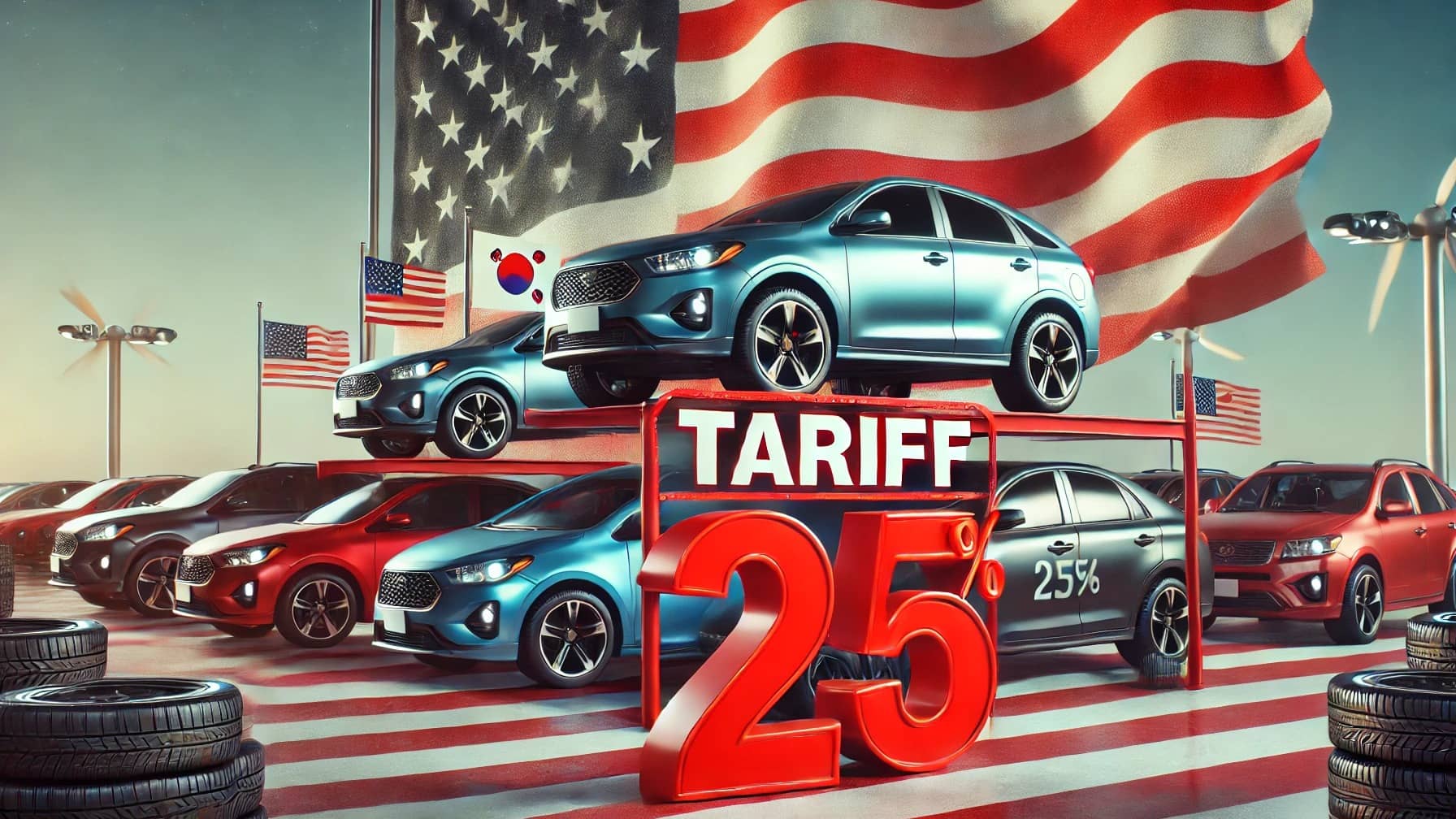
When a 25% tariff is placed on an imported vehicle, that cost is treated as a variable production or acquisition expense. For a vehicle with an import value of $30,000, a 25% tariff adds $7,500 to the base cost before the vehicle even reaches a showroom floor. Because automotive profit margins are historically tight—often ranging between 3% and 7% for manufacturers—it is mathematically impossible for companies to "absorb" these costs without facing insolvency. Consequently, the consumer effectively pays the tax at the point of sale.
The impact is not limited to the sticker price. Tariffs often trigger a cascading effect on financing and insurance. As the total price of the vehicle rises, the loan amount required by the consumer increases, leading to higher monthly interest payments. Insurance premiums also climb because the replacement value of the vehicle has been artificially inflated by the trade barrier.
Direct vs. Indirect Impact: The Hidden Costs of Automotive Parts
One of the most misunderstood aspects of automotive pricing is the distinction between a tariff on a finished vehicle and a tariff on raw materials or sub-assemblies. In 2026, the global automotive supply chain is more integrated than ever, meaning that even "domestically made" cars are susceptible to price hikes driven by trade policy.
The Breakdown of Component Tariffs
Most modern vehicles consist of approximately 30,000 individual parts. Even if a vehicle is assembled in a domestic factory, it likely relies on imported semiconductors, specialized steel alloys, aluminum, or electronic sensors.
- Raw Materials: Tariffs on steel and aluminum directly increase the cost of the vehicle’s chassis and body panels.
- Intermediate Goods: Components like transmissions, wire harnesses, and infotainment systems are often manufactured in specialized global hubs.
- The Compound Effect: If a manufacturer faces a 10% tariff on steel and a 15% tariff on electronics, the cumulative cost increase must be factored into the final MSRP.
By the time these costs reach the consumer, they have often been "marked up" at multiple levels of the supply chain. A $200 increase in raw material costs might translate into a $500 increase in the final retail price as each entity in the chain maintains its percentage-based margin to cover overhead.
The Global Supply Chain Ripple Effect
The automotive industry operates on a "Just-in-Time" (JIT) manufacturing model. This means parts arrive at the assembly plant only hours before they are needed. Tariffs disrupt this efficiency by introducing bureaucratic delays at customs and forcing manufacturers to reconsider their sourcing strategies.
When a tariff is implemented, manufacturers may attempt to switch to domestic suppliers to avoid the tax. However, domestic suppliers often lack the immediate capacity to meet sudden surges in demand. In the 2026 market, we see that this supply-demand imbalance allows domestic part makers to raise their own prices, mirroring the cost of the imported, tariffed alternatives. This phenomenon ensures that even if a car has "100% domestic content," its price may still rise because its components are no longer being priced against lower-cost global competition.
Impact on Electric Vehicles (EVs) and the Green Transition
As of 2026, the transition to electric mobility has made the industry even more sensitive to trade barriers. The primary cost driver of an EV is the battery pack, which relies on minerals like lithium, cobalt, and nickel, as well as highly processed cathode and anode materials.
Many of these materials are processed in specific geographic regions that have been the target of recent trade enforcement. When tariffs are applied to battery cells or the rare earth magnets used in electric motors, the "green premium" of the vehicle expands. For many middle-class buyers, a $5,000 tariff-induced price hike can be the difference between choosing an EV and sticking with a traditional internal combustion engine (ICE) vehicle. This creates a secondary economic effect where the slowing of EV adoption forces manufacturers to maintain dual production lines longer than planned, further driving up operational costs across their entire fleet.
Retaliatory Measures and Their Effect on Domestic Exports
Trade policy is rarely a one-way street. When Country A imposes tariffs on cars from Country B, Country B almost invariably retaliates with its own set of tariffs. This "trade war" scenario hurts domestic manufacturers who rely on global sales to achieve economies of scale.
If a domestic manufacturer cannot export its vehicles competitively because of retaliatory tariffs abroad, its total production volume drops. Since fixed costs (like factory maintenance, R&D, and labor) must now be spread over fewer units, the per-vehicle cost of production rises. This forces the manufacturer to raise prices in the domestic market to make up for the lost revenue from international exports.
| Vehicle Category | Average Pre-Tariff Price (2026 Est.) | Estimated Price with 25% Tariff | Percentage Increase in Monthly Payment |
|---|---|---|---|
| Compact Economy Car | $24,000 | $30,000 | 25% |
| Mid-Size SUV (Imported) | $42,000 | $52,500 | 27% |
| Luxury Sedan (Global Parts) | $75,000 | $88,000* | 18% |
| Electric Crossover | $55,000 | $68,750 | 26% |
*Note: Luxury vehicles often have higher margins, allowing brands to occasionally absorb a small fraction of the cost, though the majority is still passed to the buyer.
Psychological Pricing and Dealer Markups
Beyond the mathematical certainty of tax increases, tariffs also create a psychological environment that encourages price inflation. When news of impending tariffs breaks, consumers often rush to dealerships to buy existing inventory before prices rise. This surge in demand, coupled with the threat of future supply constraints, allows dealers to implement "Market Adjustments" or markups above MSRP.
In the 2026 retail environment, these markups have become a significant secondary cost. Even if a vehicle was imported before a tariff went into effect, dealers may price it at the new, higher rate to match the replacement cost of future inventory. This ensures that the price hike felt by the consumer often precedes the actual implementation of the tariff by several months.
Frequently Asked Questions
Do tariffs only affect foreign car brands?
No. Domestic brands are heavily impacted because they rely on a global network of parts and raw materials. If a domestic truck uses imported steel or a foreign-made transmission, the cost of that truck will rise when those specific tariffs are applied. Additionally, domestic manufacturers often raise prices when their foreign competitors become more expensive, a practice known as "shadow pricing."
Can manufacturers choose to pay the tariff themselves?
While a manufacturer could theoretically lower their profit margin to keep prices stable, this is rarely sustainable. In the 2026 automotive market, R&D costs for autonomous driving and battery technology are so high that most companies cannot afford to absorb a 10% to 25% tax increase without risking their financial stability and stock valuation.
How do tariffs affect the used car market?
Tariffs have a significant upward pressure on used car prices. When the price of new cars increases, more buyers move into the used market to find affordable options. This increased demand for a fixed supply of used vehicles drives up their value. Historically, a 10% increase in new car prices can lead to a 5% to 7% increase in used car valuations within six months.
Why are tariffs used if they make cars more expensive?
Governments typically use tariffs to protect domestic jobs, encourage local manufacturing, or address trade imbalances. The goal is to make imported goods less attractive so that consumers buy domestic products, which in theory supports the local economy. However, the immediate trade-off for the consumer is almost always a higher cost of living and reduced choice in the marketplace.
Will car prices drop immediately if tariffs are removed?
Not necessarily. The automotive supply chain moves slowly. Even if a tariff is repealed today, vehicles currently in transit or on dealer lots were taxed at the higher rate. Manufacturers may also be slow to lower MSRPs if they have already adjusted their long-term pricing strategies or if inflationary pressures on labor and energy remain high.
Strategic Recommendations for Buyers in 2026
If you are in the market for a vehicle during a period of high trade volatility, your first step should be to verify the "Country of Origin" and "Domestic Content Percentage" on the Monroney sticker (the window sticker). Vehicles with higher domestic content are generally more insulated from sudden tariff-induced price spikes, though they are not immune.
Additionally, consider locking in financing early. As tariffs drive up vehicle prices, the total amount you need to borrow will increase, which can lead to higher interest costs over the life of the loan. If a major tariff announcement is pending, purchasing existing dealer inventory that was imported under older, lower tax rates can save you thousands of dollars compared to waiting for new shipments to arrive. Finally, keep a close watch on manufacturer incentives; sometimes brands will offer temporary rebates to offset the sticker shock of new tariffs in an effort to maintain their market share.
Image Gallery