Are Ligers Rare: Understanding the Status of the World’s Largest Felines
Ligers are exceptionally rare in the natural world because they result from the hybridization of a male lion and a female tiger, two species that do not share the same natural habitat or mating cycles. They exist almost exclusively in...
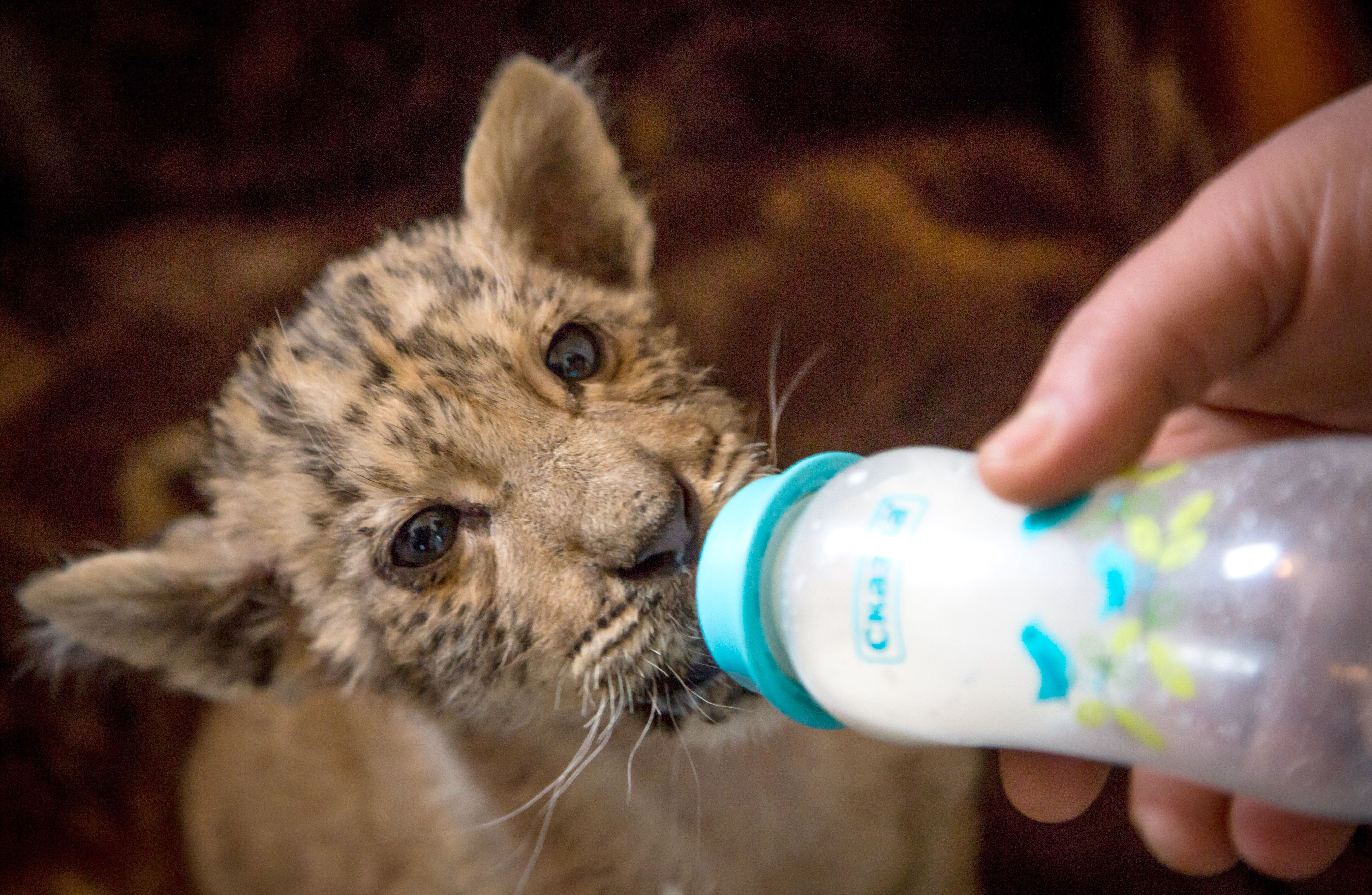
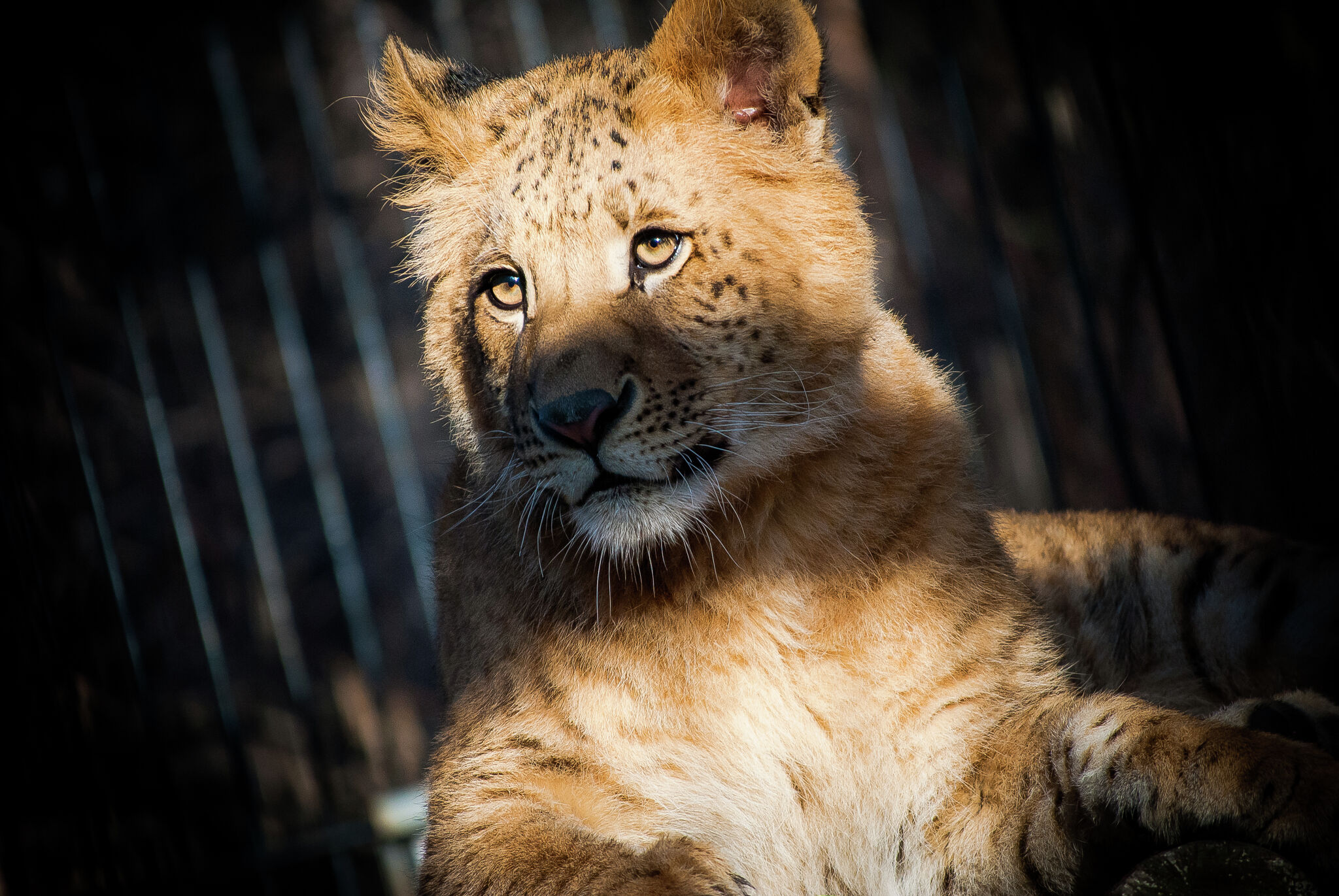
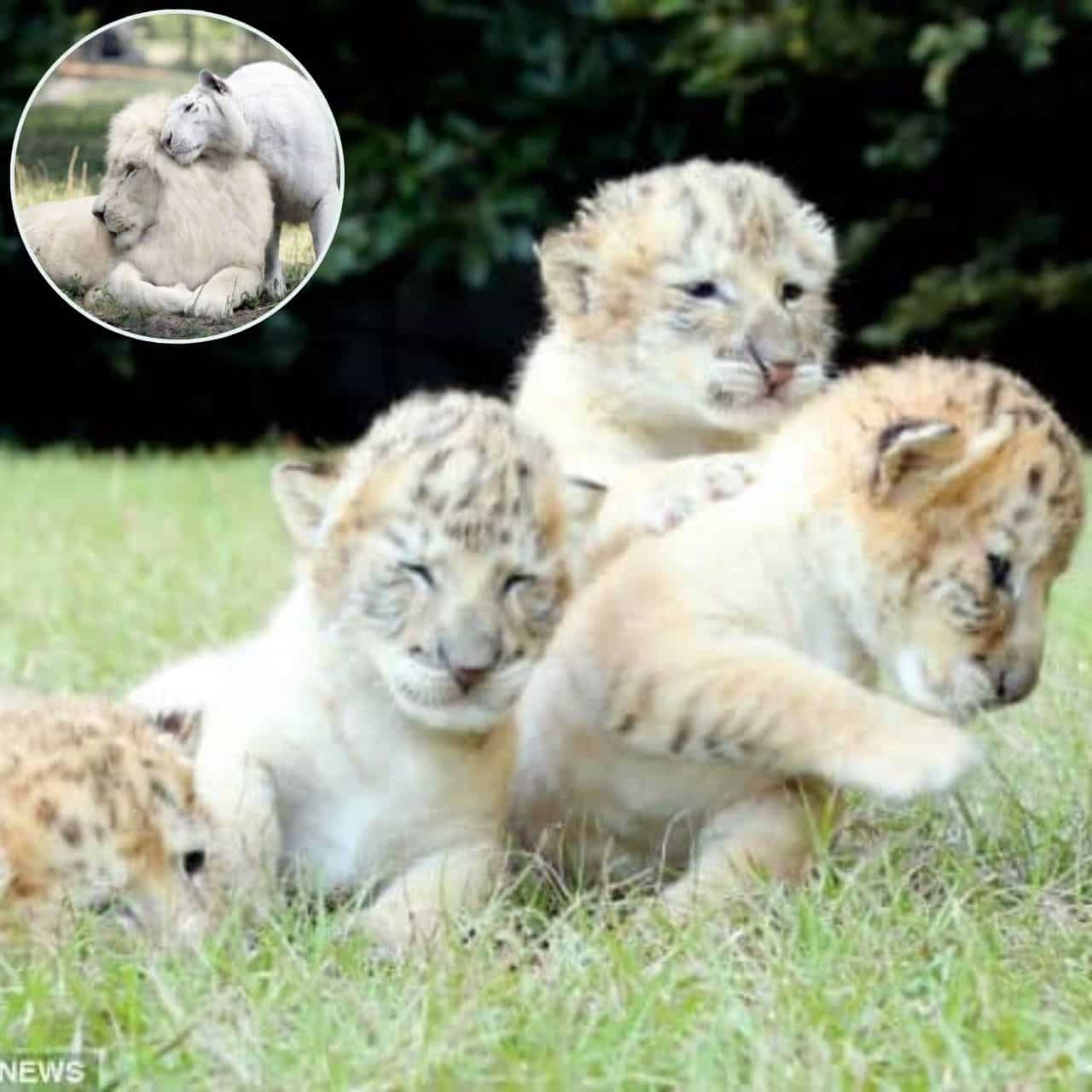
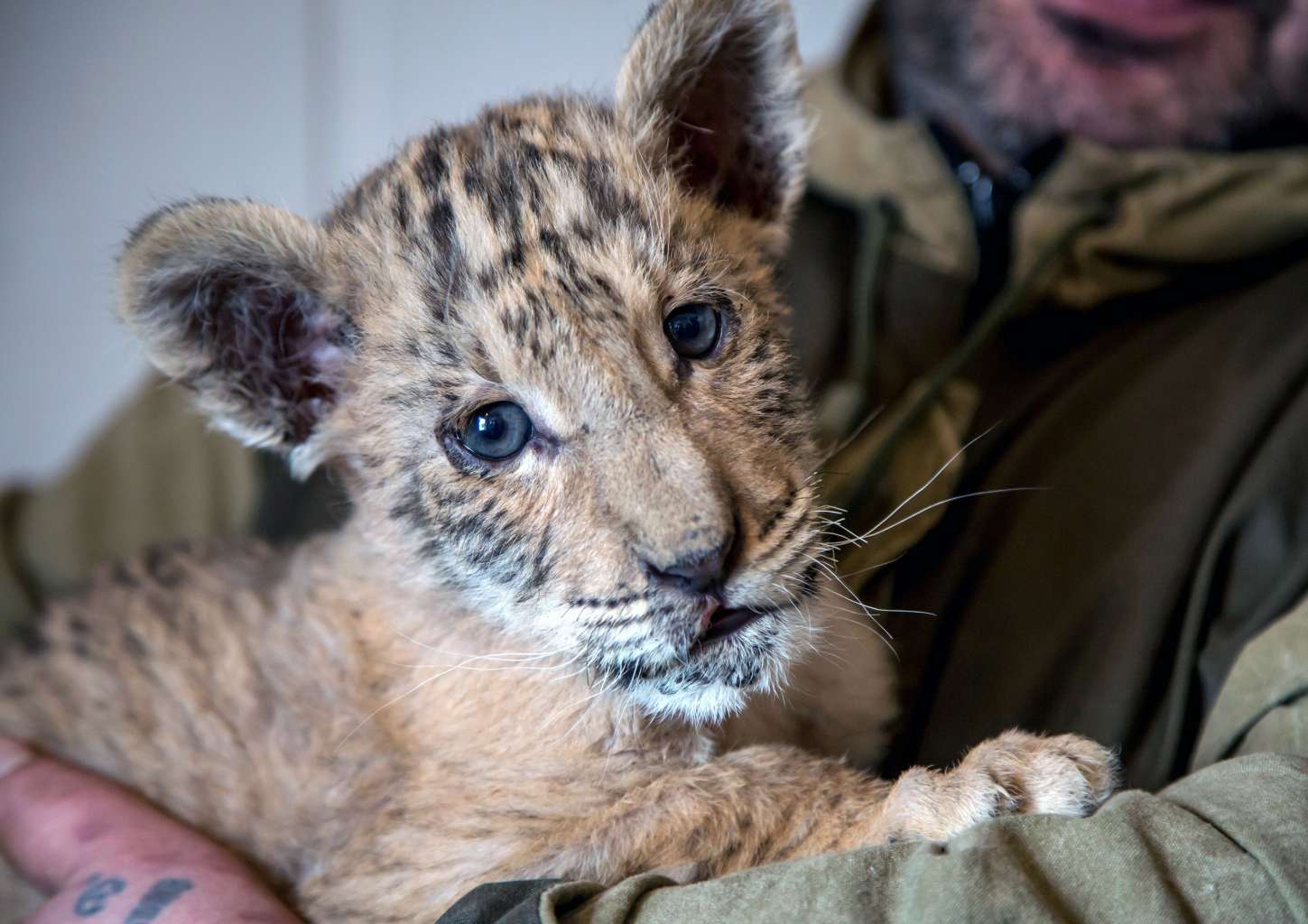
Ligers are exceptionally rare in the natural world because they result from the hybridization of a male lion and a female tiger, two species that do not share the same natural habitat or mating cycles. They exist almost exclusively in managed captivity, as their potential for survival and social integration in the wild is biologically and behaviorally unsupported.
Contents
The Biological Reality of the Liger
To understand why ligers are rare, one must first look at the fundamental biological and geographical barriers that separate lions (Panthera leo) and tigers (Panthera tigris). In the wild, these two apex predators are separated by both distance and behavior. Lions primarily inhabit the savannas and grasslands of sub-Saharan Africa, while tigers are native to the forests and marshes of Asia.
Because their natural ranges do not overlap, there is no evolutionary pressure for these species to develop mating signals for one another. Even in instances where ranges might theoretically intersect—such as historical accounts of Asiatic lions and Bengal tigers sharing territories in parts of India—they occupy different ecological niches and maintain distinct social structures. A pride of lions functions as a cooperative social unit, whereas tigers are notoriously solitary. This creates an immediate behavioral barrier that prevents hybridization in a natural setting.
The Role of Captivity in Hybridization
The rarity of the liger is further underscored by the fact that their existence is entirely dependent on human intervention. Ligers are not a naturally occurring species; they are human-made hybrids. Their birth requires the presence of a male lion and a female tiger in the same enclosure during the precise window of the female's estrus cycle.
Even under these conditions, success is not guaranteed. Genetic differences between the two species often lead to complications during pregnancy or developmental issues for the offspring. Furthermore, modern professional zoological organizations, such as the Association of Zoos and Aquariums (AZA), explicitly prohibit the intentional breeding of hybrids like ligers. These institutions emphasize the conservation of pure species rather than the creation of curiosities. Consequently, the population of ligers is effectively stagnant and contained within private facilities, roadside menageries, or non-accredited wildlife centers, rather than being part of any formal species survival plan.
Comparative Overview: Hybrid Felines
Distinguishing the liger from other hybrid felids is essential to understanding the taxonomy of captive big cats. The terminology is often confused by the public, yet the genetic outcomes differ based on which species contributes to the paternal and maternal sides of the pairing.
| Hybrid Name | Paternal Parent | Maternal Parent | Distinguishing Characteristics |
|---|---|---|---|
| Liger | Lion | Tiger | Generally the largest cat; carries lion mane traits. |
| Tigon | Tiger | Lion | Often smaller than both parents; rarer than ligers. |
| Leopon | Leopard | Lion | Result of crossing a leopard with a lioness. |
| Jaglion | Jaguar | Lion | Extremely rare cross with distinct patterning. |
The size difference between a liger and a tigon is one of the most frequently discussed topics in felid studies. Because female lions and male tigers both possess growth-inhibiting genes that are absent or less active in the other species, the resulting offspring—the liger—often experiences a lack of growth regulation, leading to "growth dysplasia." This often results in a cat that is significantly larger than either parent.
Health and Physiological Challenges
The rarity of ligers is also a function of the ethical and biological costs associated with their existence. These animals often suffer from complex health issues that are not typically seen in purebred lions or tigers. Because they are not the result of natural selection, they lack the evolutionary refinement required to function efficiently as apex predators.
- Growth Dysplasia: As noted, the absence of growth-suppressing genes can lead to excessive size, putting immense strain on the animal's skeletal structure and vital organs.
- Immune System Vulnerability: Many hybrids exhibit weaker immune responses, making them susceptible to pathogens that purebred lions or tigers might otherwise tolerate or fight off effectively.
- Behavioral Conflicts: Ligers often struggle with the "best of both worlds" dilemma regarding their instincts. They may exhibit both the gregarious, pride-oriented nature of the lion and the solitary, territorial aggression of the tiger, leading to psychological stress in captivity.
Given these health complications, responsible wildlife experts and veterinarians argue that breeding these animals is contrary to the welfare of the individual cats. This ethical consensus contributes heavily to the lack of any official or scientific breeding programs for ligers in the year 2026.
Conservation Implications
It is important to clarify that "rare" in the context of ligers does not equate to "endangered" in the conservation sense. Endangered species, such as the Sumatran tiger or the West African lion, have biological value and ecological roles within their native habitats. Their protection is a priority for global biodiversity.
Ligers occupy a different category. They represent a "dead-end" in terms of biological conservation. Because most male ligers are sterile and the hybrid nature of the animal offers no ecological benefit to the environment, they do not contribute to the stability of the natural world. Therefore, while they are rare in numbers, there is no international effort or funding dedicated to preserving the "liger species." Their rarity is a byproduct of human artifice, not environmental success.
Frequently Asked Questions
Are ligers found in the wild anywhere? No. Ligers do not exist in the wild. Their parents, lions and tigers, live in different parts of the world and have distinct social behaviors that prevent them from interbreeding in their natural habitats.
Why are ligers so much larger than lions or tigers? Ligers are generally larger due to the lack of growth-inhibiting genes that would normally be passed down by the mother. Since female tigers do not pass down the specific genes that limit growth in lions, and male lions do not pass down the genes that limit growth in tigers, the hybrid offspring grows unchecked.
Are all ligers sterile? While female ligers (ligresses) have occasionally been documented as fertile—sometimes being bred back to a male lion or tiger to create "li-ligers" or "ti-ligers"—male ligers are almost universally sterile. This significantly limits the potential for a self-sustaining population.
Is it legal to own a liger? Legality depends strictly on local and national jurisdictions. In many regions, the possession of "big cats" or hybrid apex predators is heavily restricted or prohibited by exotic animal ownership laws. Prospective owners would face extreme difficulty regarding safety permits, housing requirements, and veterinary access.
How long do ligers live? Their lifespan is highly variable and depends on the quality of care they receive in captivity. Because they are prone to health issues related to their size and genetic hybrid status, they often require specialized veterinary oversight. They do not have a standard "wild" lifespan to reference.
Next Steps for Enthusiasts
If you are interested in the study of big cats, it is recommended to focus your research on the conservation of pure-species lions and tigers. Accredited zoological institutions provide extensive educational resources on how to support the protection of these animals in their natural habitats. Visiting an AZA-accredited zoo or participating in wildlife conservation programs allows you to observe these magnificent animals in environments that prioritize their health and the long-term viability of their species. Avoid supporting facilities that prioritize the breeding of hybrids, as these practices are widely regarded as detrimental to animal welfare.
Image Gallery