The Best Dog Crates with Dividers: A Complete Guide to Choosing and Adjusting
Choosing a dog crate with a divider panel is the most cost-effective and practical way to house-train a puppy while ensuring they have a secure, appropriately sized den as an adult. A divider panel allows you to adjust the interior liv...
Choosing a dog crate with a divider panel is the most cost-effective and practical way to house-train a puppy while ensuring they have a secure, appropriately sized den as an adult. A divider panel allows you to adjust the interior living space as your puppy grows, preventing the need to buy multiple crates over time and discouraging house-soiling by keeping the space appropriately confined.
Contents
Understanding Dog Crates with Dividers and Why They Matter
When bringing home a new puppy, one of the primary challenges is managing house-training. Dogs possess a natural instinct to keep their sleeping quarters clean and will generally avoid eliminating where they sleep. However, if a crate is too large, a puppy will simply use one corner as a bathroom and sleep in the other, defeating the purpose of crate training.
Dog crates with built-in or included divider panels solve this problem completely. By inserting a metal wire grid or fabric panel, you restrict the interior volume of a full-sized adult crate to a snug footprint that fits your puppy at its current weight and height. As the dog matures, you simply unclip or slide the divider backward, expanding the living area incrementally until the crate is fully open.
This approach provides significant financial and practical advantages. Purchasing a heavy-duty wire crate sized for an adult German Shepherd or Labrador Retriever can be a substantial investment. Buying an undersized small crate for an eight-week-old puppy means replacing it within three to four months. Dividers bridge this gap, saving money while maintaining a consistent, familiar den space that reduces anxiety during rapid growth phases.
Key Features to Evaluate in Crate Dividers
Not all crate dividers and divider-compatible crates are manufactured to the same standard. When shopping for the best dog crates with dividers, you must look closely at the mechanical design, material durability, and security of the divider system to ensure safety and longevity.
Material Strength and Construction
The divider panel should match the build quality of the crate itself. For wire crates, the divider is typically constructed from heavy-gauge steel wire with spacing that matches the side panels. It must resist bending or bowing if an energetic puppy pushes against it. Flimsy wire dividers can slip out of place, creating gaps where a puppy's paws or snout could become trapped.
Attachment Mechanism
How the divider secures to the crate walls is critical. Look for systems featuring sturdy hooks, slide-latches, or heavy-duty clips that anchor firmly into the vertical and horizontal wire strands. A loose divider can be pushed out of alignment by a determined dog, rendering the size adjustment useless.
Ease of Adjustment
A good divider should be easy to reposition without requiring tools or complete disassembly of the crate. As your puppy gains weight and length every few weeks, you want to be able to unhook the divider, shift it back by a few inches, and lock it securely back into place in a matter of seconds.
Comparing Top Crate Categories with Dividers
Different manufacturing styles offer distinct advantages depending on your living space, traveling habits, and your dog's temperament. The table below compares the most common types of dog crates featuring dividers.
| Crate Type | Best Suited For | Key Advantages | Potential Limitations |
|---|---|---|---|
| Foldable Wire Crates | Standard home use, easy storage, heavy chewers | Excellent ventilation, highly adjustable dividers, collapses flat | Industrial appearance, can be noisy if the dog rattles the door |
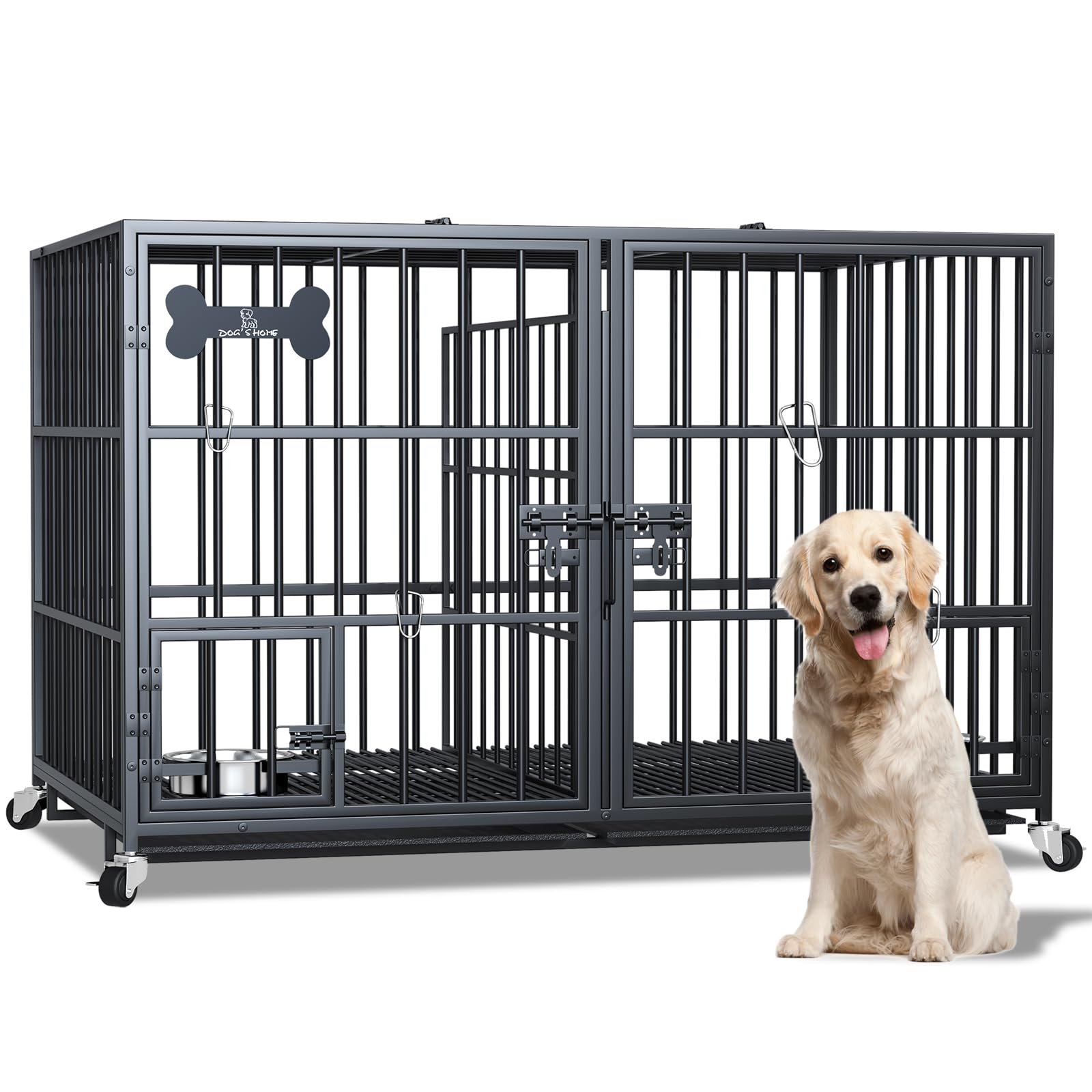
| Heavy-Duty Metal Crates | High-anxiety dogs, escape artists, powerful breeds | Maximum structural strength, virtually indestructible | Heavy, difficult to move frequently, higher price point |
| Plastic Travel Crates | Air travel, vehicle transport, timid puppies | Den-like security, airline-approved options, contains spills | Dividers are less common; restricted airflow compared to wire |
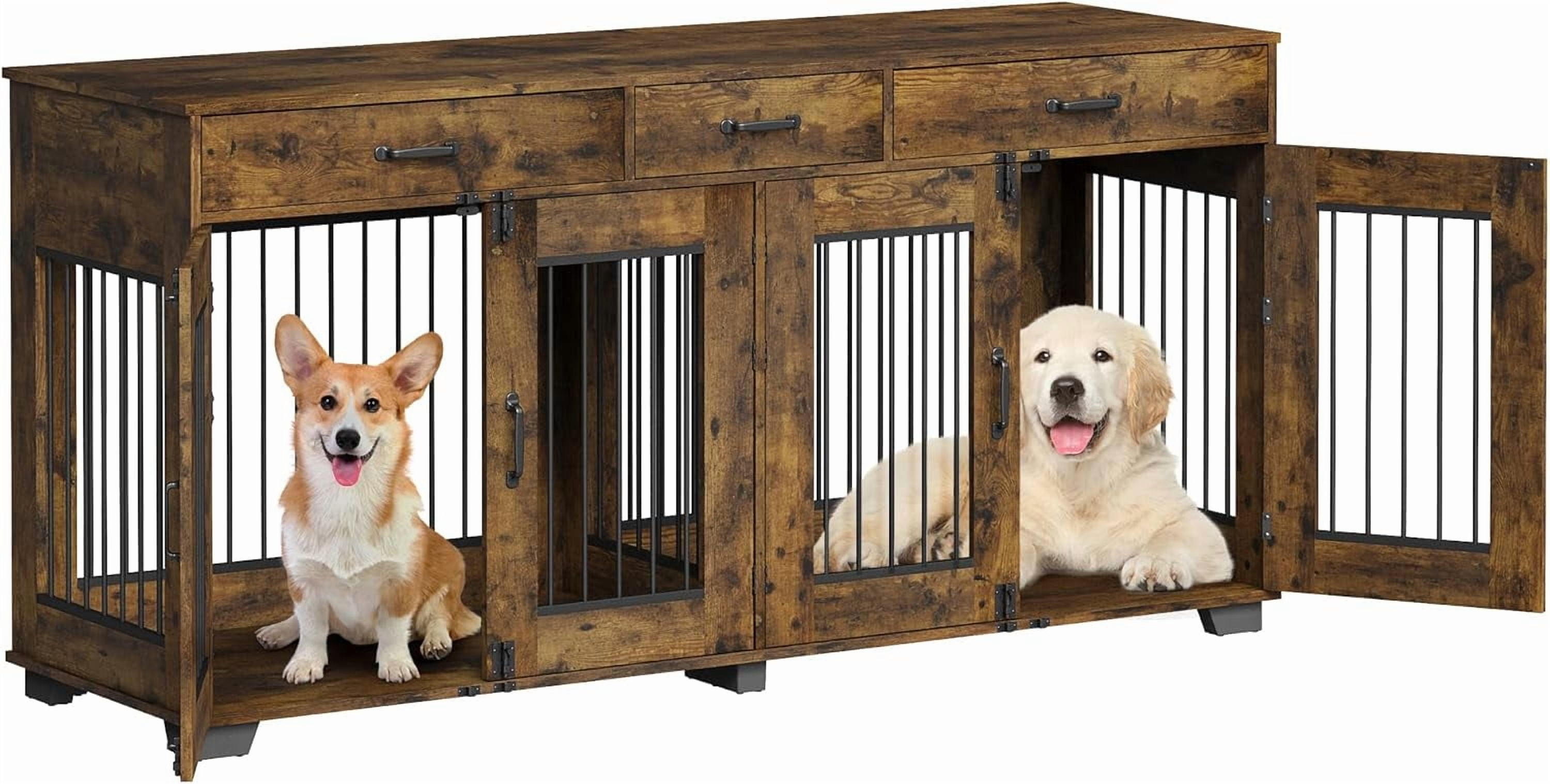
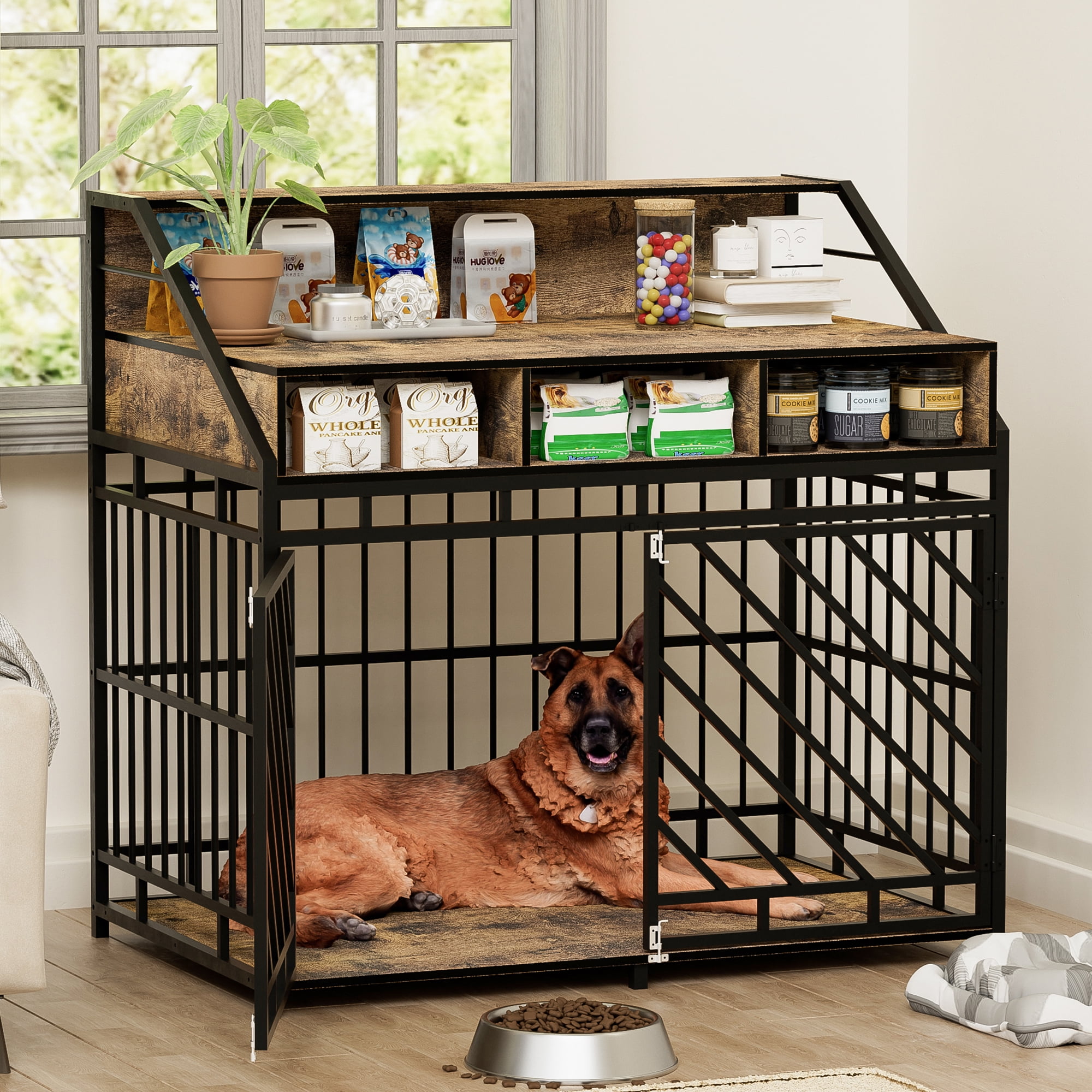
| Furniture-Style Crates | Integrating into home decor (living rooms, bedrooms) | Blends with interior design, dual-purpose tabletop | Fixed sizing; interior dividers are rarely adjustable after purchase |
Step-by-Step Guide to Sizing and Adjusting the Divider
Correctly sizing a crate using a divider requires careful measurement. If the space is too large, house-training fails; if it is too small, the dog experiences physical discomfort and joint strain.
Step 1: Measure Your Dog
Before inserting the divider, measure your dog from the tip of their nose to the base of their tail (excluding the tail length), and from the floor to the top of their head while standing. Add two to four inches to these measurements to determine the final adult crate size required.
Step 2: Position the Divider for a Puppy
For a puppy, install the divider panel so that the available space meets only basic requirements:
- Length: Just enough room for the puppy to stand up, turn around completely in a full circle, and lie down comfortably stretched out.
- Height: Ample room to stand without crouching or rubbing their head against the top panel.
Step 3: Monitor Growth Milestones
Check the fit every two to three weeks. If your puppy can no longer stretch out comfortably on their side or has difficulty turning around without bumping into the divider, it is time to move the panel back by one or two sections.
Common Mistakes to Avoid When Using Crate Dividers
Even with the best equipment, improper usage can undermine training progress or compromise safety.
- Leaving Too Much Space Too Soon: Owners often expand the crate too quickly out of sympathy. Stick strictly to the "turn around and lie down" rule until house-training habits are fully established.
- Using Makeshift Dividers: Never use cardboard, plastic bins, or untreated wood as a substitute for a manufacturer-approved metal divider. A puppy can chew through these materials, leading to intestinal blockages or splinter injuries.
- Neglecting Safety Checkpoints: Always ensure the sharp ends of wire dividers are tucked safely inward or capped so they cannot scratch or puncture your dog's skin during movement.
- Using the Crate as Punishment: The divided crate must remain a positive, safe haven. Forcing a dog into the crate as a disciplinary measure increases anxiety and resistance to entering the space.
Frequently Asked Questions
How do I know when to remove the dog crate divider completely?
You can remove the divider permanently once your dog is fully house-trained (typically reliable for several consecutive months without accidents) and has reached their full adult size. At this point, the entire interior of the crate should match their natural resting dimensions.
Can I use a divider in a plastic airline-style crate?
Most standard plastic travel crates do not come with dividers because they are generally purchased in specific sizes to match a growing dog's life stages. However, certain heavy-duty plastic or composite crates offer specialized accessory grid inserts. Always verify compatibility with the manufacturer before purchasing a separate divider for a plastic shell crate.
What should I put inside the divided crate space?
Place a properly fitted crate pad or washable blanket that covers the exact floor area currently partitioned by the divider. Avoid placing oversized bedding that bunches up against the divider, as this reduces usable space and can encourage chewing or elimination on the fabric.
Are wire crate dividers safe for aggressive chewers?
Factory-made steel wire dividers are generally very secure, but heavy chewers who suffer from severe separation anxiety may attempt to paw or bite at the bars. If your dog exhibits destructive chewing behaviors inside crates, ensure they have safe, durable chew toys approved for crate use, and consult a professional trainer to address underlying anxiety.
How often should I clean the crate and divider?
Spot-clean accidents immediately with an enzymatic cleaner to remove lingering odors that attract repeat staining. Perform a deep cleaning of the entire wire frame and divider every two weeks using pet-safe disinfectant soap and warm water, rinsing thoroughly before letting it dry completely.
Next Steps for Successful Crate Training
Selecting a quality dog crate with an adjustable divider lays the physical foundation for successful house-training and safe confinement. Pair your equipment with a consistent daily routine, positive reinforcement, and gradual introduction periods to help your dog view their den as a secure, comfortable sanctuary. Always verify the weight and dimension ratings of your chosen model against your breed's projected adult growth trajectory to ensure long-term utility.
Image Gallery