What the Plastic Surgery Show in Thailand Illustrates: A Deep Dive into the Global Aesthetic Hub
The plastic surgery shows in Thailand, most notably "Let Me In Thailand," illustrate the country’s sophisticated medical infrastructure, the profound socio-economic link between physical appearance and career mobility, and the evolutio...
The plastic surgery shows in Thailand, most notably "Let Me In Thailand," illustrate the country’s sophisticated medical infrastructure, the profound socio-economic link between physical appearance and career mobility, and the evolution of a distinct "Thai Look." These programs serve as a visual testament to Thailand's status as a premier global destination for complex reconstructive and aesthetic procedures.
Contents
The Phenomenon of Transformation Media in Thailand
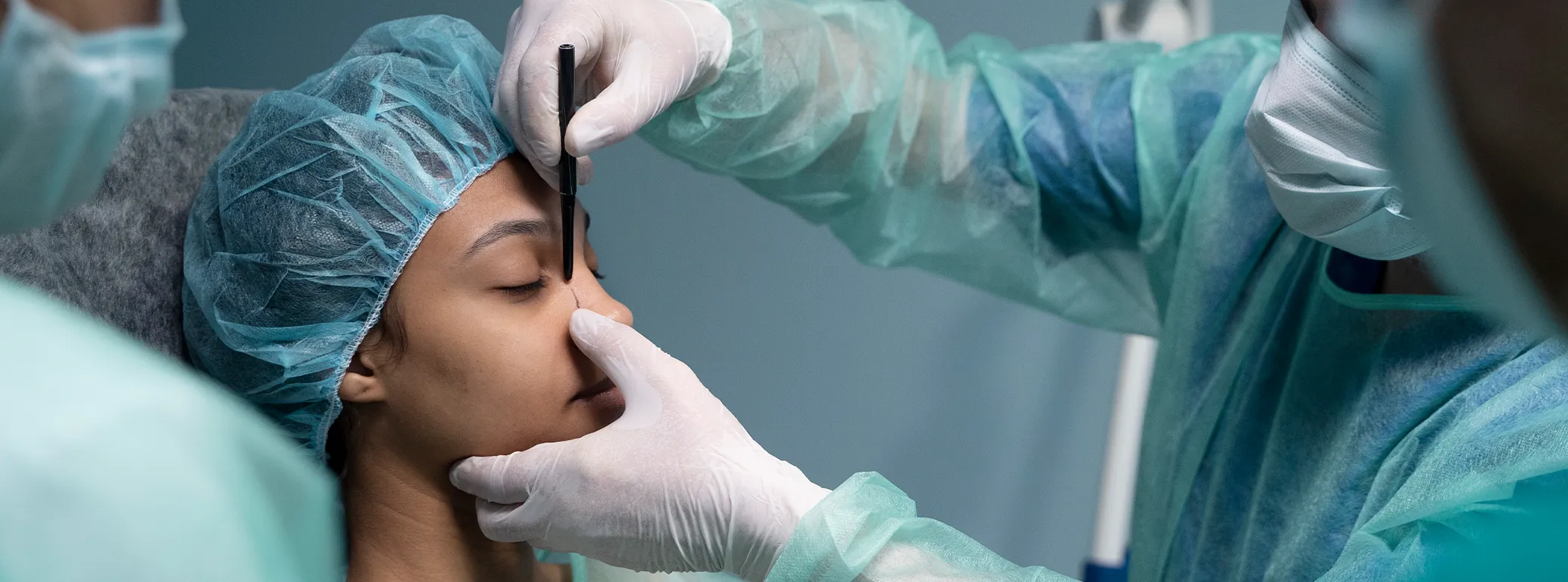
Television programs centered on plastic surgery have transcended simple entertainment in Thailand, becoming cultural touchstones that reflect the nation's shifting values. The most influential of these, "Let Me In Thailand"—an adaptation of a popular South Korean format—follows individuals with severe facial deformities or perceived aesthetic "flaws" as they undergo radical transformations.
What these shows illustrate first and foremost is the narrative of the "miraculous transformation." In the Thai context, the surgery is rarely presented as an act of vanity. Instead, it is framed as a necessary intervention to correct life-altering hardships. The contestants often share stories of being bullied, denied employment, or suffering from congenital conditions that have marginalized them. By documenting the journey from initial consultation to the "big reveal," these shows illustrate the high technical proficiency of Thai surgeons and the psychological weight placed on aesthetic harmony in Southeast Asian society.
The Evolution of the "Thai Look" vs. the "Korean Look"
For many years, the plastic surgery shows in Thailand illustrated a heavy reliance on South Korean expertise. Early seasons of "Let Me In Thailand" frequently sent contestants to Seoul for surgery. However, by 2026, these shows have highlighted a significant pivot: the rise of the "Thai Look" and the self-sufficiency of local medical institutions.
The "Korean Look" typically prioritizes a doll-like appearance—small faces, V-line jaws, and very high, narrow nose bridges. In contrast, Thai shows now illustrate a preference for a look that balances these "K-beauty" standards with local ethnic features. This "Thai Look" often involves:
- Rhinoplasty with a "Suhp-nasal" curve: A bridge that starts lower and curves gracefully, which is often more harmonious with Thai facial structures than a stark, straight bridge.
- Contoured Jawlines: Moving away from the extreme V-line toward a more natural, defined mandibular angle.
- Skin Quality Focus: An emphasis on "glass skin" treatments that utilize advanced laser technology and bio-stimulators, which are frequently showcased in the recovery segments of these programs.
This shift illustrates the growing confidence of the Thai medical community and their ability to tailor global trends to local identities.
Illustrating the Socio-Economic "Beauty Premium"
One of the most poignant things these shows illustrate is the concept of the "beauty premium" in the Thai workforce. In many Thai industries, particularly in service, hospitality, and entertainment, physical appearance is often explicitly or implicitly linked to professional opportunities.
Contestants on these shows frequently express that their "new face" is a "new life." This illustrates a stark reality: in a competitive labor market, aesthetic transformation is often viewed as a rational investment in one’s human capital. The shows document contestants successfully landing jobs as flight attendants, models, or high-end sales associates post-surgery. This highlights a cultural acceptance of surgery as a tool for social mobility, which is a core reason why Thailand’s domestic market for cosmetic procedures remains one of the most robust in the world.
Technical Prowess and Medical Standards
From a technical perspective, what the plastic surgery show in Thailand illustrates is the incredible complexity of modern maxillofacial and reconstructive surgery. These are not merely "botox and filler" programs. They often feature:
- Orthognathic Surgery: Correcting severe overbites, underbites, and facial asymmetry through bone realignment.
- Full Facial Contouring: The shaving and restructuring of the cheekbones and jaw to create a more symmetrical appearance.
- Complex Rhinoplasty: Using autologous tissue (like rib cartilage) to reconstruct noses that have suffered from previous trauma or birth defects.
The presence of these procedures on primetime television illustrates that Thailand’s private hospitals—such as those accredited by the Joint Commission International (JCI)—possess the technology and the surgical talent to handle high-risk, high-reward operations. In 2026, Thailand remains a top-tier destination for medical tourism precisely because these shows have demystified the surgical process and proven the quality of the outcomes to a global audience.
Comparison of Key Procedures Featured in Thai Transformation Shows
The following table outlines the most common procedures illustrated in Thai transformation media, detailing their complexity and the typical recovery expectations as of 2026.
| Procedure | Primary Goal | Complexity Level | Typical Recovery (Weeks) | Key Technical Focus in 2026 |
|---|---|---|---|---|
| V-Line Bone Surgery | Narrowing the jaw and chin | High | 4–8 | Nerve mapping and 3D-printed guides for precision. |
| Open Rhinoplasty | Reshaping the nose bridge/tip | Medium | 2–3 | Use of ear or rib cartilage to avoid implant rejection. |
| Fat Grafting | Volumizing the forehead/cheeks | Low to Medium | 1–2 | Stem-cell enriched fat for higher retention rates. |
| Blepharoplasty | Creating a double eyelid fold | Low | 1 | Focus on "invisible scars" and natural crease depth. |
| Orthognathic Surgery | Correcting jaw misalignment | Very High | 8–12 | Integrated orthodontic-surgical planning for functional bite. |
The Ethics and Reality of the "TV Transformation"
While these shows illustrate the positive, life-changing potential of surgery, they also inadvertently illustrate the ethical complexities of the industry. Critics argue that by framing surgery as the only path to happiness and success, these programs may exacerbate body dysmorphia and set unrealistic expectations for the general public.
The "illustrative" power of the show often omits the grueling nature of the recovery process. While a one-hour episode might show a contestant waking up from surgery and appearing fully healed in the next scene, the reality involves months of swelling, liquid diets, and potential complications. Furthermore, the shows illustrate a highly curated version of "informed consent." Viewers see the benefits, but the long-term risks of implants or the permanence of bone shaving are often secondary to the emotional narrative.
Why This Matters for Medical Tourists in 2026
For those looking at Thailand for their own procedures, these shows illustrate the importance of choosing the right facility. The top-tier surgeons featured on "Let Me In Thailand" are usually members of the Society of Plastic and Reconstructive Surgeons of Thailand (Thaisurg). Prospective patients should use these shows as a starting point for research rather than a final guide.
The shows illustrate that successful surgery requires a multi-disciplinary approach. It is not just about the surgeon; it involves the anesthesiologist, the dental specialists (in the case of jaw work), and the post-operative nursing staff. This holistic view of patient care is what has allowed Thailand to maintain its reputation as the "Aesthetic Hub of Asia."
Frequently Asked Questions
Are the results shown on Thai plastic surgery shows permanent? Yes, most procedures illustrated, such as bone contouring and rhinoplasty, involve permanent structural changes to the face. However, aging continues to affect the skin and soft tissues, meaning that non-surgical maintenance (like lasers or fillers) is often required in the years following a major transformation to maintain the "reveal" look.
How do I verify the credentials of a surgeon seen on a Thai TV show? You should verify any Thai surgeon through the Thai Medical Council or the Society of Plastic and Reconstructive Surgeons of Thailand. While television shows feature talented doctors, it is essential to ensure they are board-certified and operate in a JCI-accredited facility to ensure safety standards in 2026.
Why is there such a focus on jaw surgery in these programs? Jaw surgery, or orthognathic surgery, is frequently featured because it offers the most dramatic visual change. It also addresses functional issues like difficulty chewing or breathing, which aligns with the show's narrative of "healing" the contestant rather than just "beautifying" them.
Is it cheaper to get these procedures in Thailand than in the West? Generally, yes. As of 2026, high-end cosmetic procedures in Thailand can cost 40% to 60% less than in the United States or Australia. However, the shows illustrate that "quality" comes at a price; the premier clinics featured on TV charge more than smaller, less-equipped "beauty stalls" found in malls, which should be avoided for major surgeries.
What is the "recovery village" concept often shown in these programs? Many Thai clinics provide or partner with specialized recovery resorts. These shows illustrate these facilities where patients receive 24/7 nursing care, specialized nutrition, and wound care management, which is a significant draw for international patients who need a safe place to heal before flying home.
Practical Advice for Navigating the Thai Plastic Surgery Market
If the transformations illustrated on Thai television have inspired you to seek surgery, your next steps should be rooted in careful verification and realistic planning.
First, prioritize function over form. The best surgeons in Thailand, as seen on these programs, always address breathing and bite alignment before focusing on aesthetics. Second, consult with at least three different board-certified surgeons. Many top clinics in Bangkok now offer virtual 3D simulations of your potential results, allowing you to see what the "Thai Look" would look like on your specific facial structure. Finally, remember that the "reveal" on TV is the result of months of healing and professional makeup. Ensure your expectations are grounded in medical reality by asking for "raw" before-and-after photos that show the healing stages at one month, six months, and one year.
Image Gallery