The X33N Net Worth Explained: Unpacking the Financial Reality of Online Personalities
The net worth of online personalities like "the x33n" often sparks widespread public curiosity, but exact figures are notoriously difficult to verify due to fluctuating digital revenue streams, private investments, and a lack of public...
The net worth of online personalities like "the x33n" often sparks widespread public curiosity, but exact figures are notoriously difficult to verify due to fluctuating digital revenue streams, private investments, and a lack of public corporate disclosures. Independent estimates typically place such internet figures within a modest to mid-range tier of digital creators, though accurate financial metrics remain largely speculative.
Contents
Analyzing the financial standing of digital creators, internet streamers, and niche online influencers requires moving past speculative headline numbers and examining how modern digital economies actually operate. When search queries center on phrases like "the x33n net worth explained," readers are usually looking for a realistic breakdown of how online personalities generate revenue, what structural costs they face, and why public financial estimates rarely reflect reality.
Understanding the mechanics behind digital earnings helps clarify why exact figures are elusive and provides a framework for evaluating creator wealth claims across the internet.
The Challenges of Estimating Digital Creator Wealth
Calculating the precise net worth of an online personality is inherently problematic. Unlike traditional corporate executives or publicly traded company founders whose assets and compensation packages are mandated by regulatory filings, independent creators operate within a decentralized ecosystem.
Most digital personalities run private LLCs, sole proprietorships, or partner with multi-channel networks under confidential contractual terms. Consequently, third-party net worth websites often rely on generalized assumptions, public view counts, and estimated advertising rates to guess financial figures. These algorithms frequently miscalculate actual earnings because they fail to account for critical financial variables:
- Gross Revenue Versus Net Income: Public view or subscriber counts represent top-line revenue before operational expenses, platform cuts, and taxes.
- Overhead Costs: Running a digital production channel incurs substantial costs, including high-end hardware, editing software licenses, studio space, and potential employee or contractor wages.
- Tax Liabilities: Independent creators face higher self-employment tax burdens and localized business taxes that significantly reduce take-home wealth.
- Revenue Diversification: Income rarely stems from a single source; it fluctuates across ad revenue, sponsorships, merchandise sales, and direct audience funding.
Core Revenue Streams for Modern Online Figures
To understand the financial profile of an internet personality, one must examine the diverse streams that comprise digital monetization. Modern creators rarely rely on platform ad revenue alone, as platform algorithms and payout structures change frequently.
Platform Advertising and Partner Programs
Video-sharing and streaming platforms distribute a share of advertising revenue to qualifying creators based on metrics like watch time, viewer demographics, and ad placement types. While high view counts can generate substantial gross revenue, CPM (Cost Per Mille, or cost per thousand impressions) rates vary wildly depending on the viewer's geographic location and the content's niche. Highly specialized technical or financial niches often command higher CPMs, whereas general entertainment content relies heavily on sheer volume.
Direct Audience Funding and Subscriptions
Direct support platforms, tier-based subscriptions, and on-site tipping mechanisms provide creators with more predictable, recurring revenue. These models reduce reliance on volatile advertising markets by establishing a direct financial relationship between the creator and their most dedicated audience members. However, transaction fees charged by third-party processors and platform revenue shares (which can range from 30% to 50% on mobile or app-based sign-ups) take a notable bite out of these earnings.
Brand Partnerships and Sponsored Content
Sponsored integrations represent a lucrative segment for established online personalities. Brands pay creators to feature products, services, or software within their content or across social media channels. Rates depend heavily on audience engagement metrics rather than raw subscriber numbers. An influencer with a highly engaged, niche audience often commands higher sponsorship fees than a creator with a large but passive following.
| Revenue Stream | Typical Stability | Primary Risk Factor | Platform Cut / Fee Range |
|---|---|---|---|
| Platform Ad Revenue | Low to Moderate | Algorithm updates, CPM fluctuations | 45% to 55% retained by platform |
| Direct Subscriptions | High | Subscriber churn, economic downturns | 5% to 30% payment processing fees |
| Brand Sponsorships | Variable | Brand safety issues, seasonal spending | Direct negotiation (agency fees apply) |
| Merchandise Sales | Moderate | Inventory risk, fulfillment logistics | Production and shipping overhead |
Separating Fact From Fiction in Public Net Worth Reports
A cottage industry of celebrity net worth websites exists solely to capture search traffic by publishing specific monetary figures for virtually any notable internet personality. Readers should approach these sites with extreme skepticism.
These platforms typically utilize automated scrapers and simple mathematical formulas—such as multiplying estimated lifetime views by an arbitrary payout constant—to generate articles. They do not have access to private bank accounts, tax returns, or investment portfolios. When an article claims an internet figure is worth an exact, highly specific sum, that figure is almost invariably an educated guess or entirely fabricated to drive click-through rates.
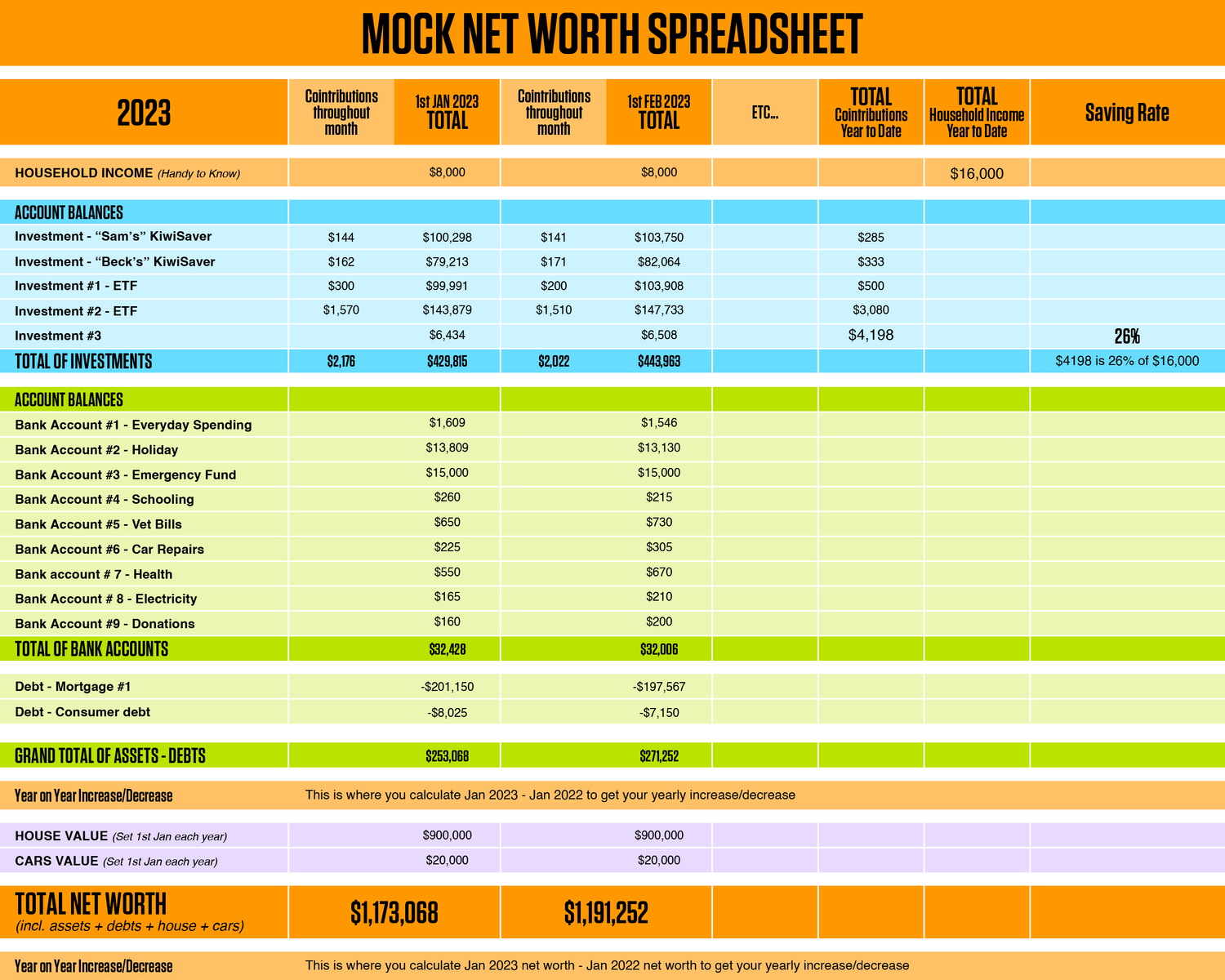
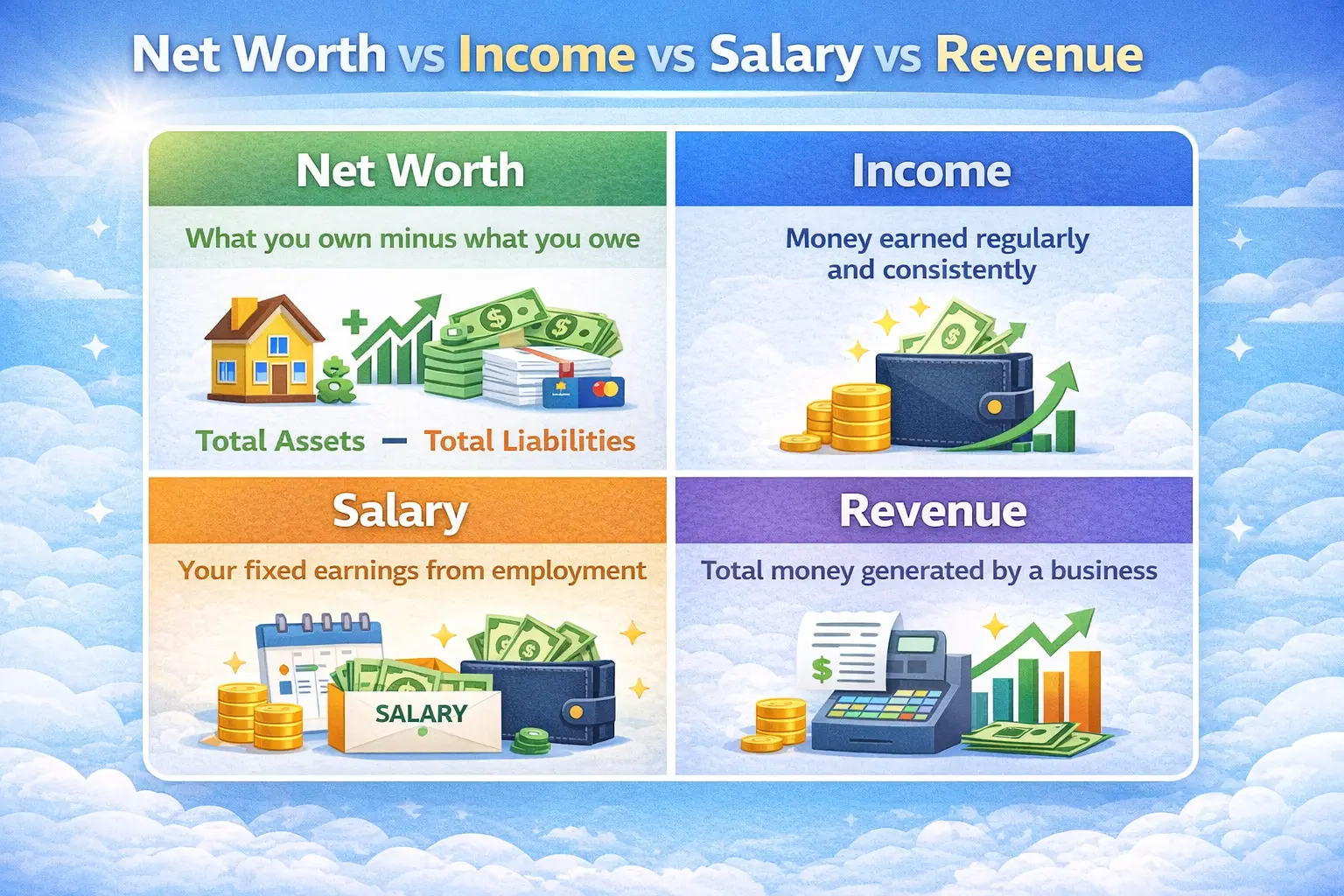
Furthermore, net worth is not synonymous with liquid cash. A creator's actual wealth is tied up in a complex portfolio of assets and liabilities:
- Liquid Assets: Cash reserves held in business and personal checking or savings accounts.
- Investments: Stocks, bonds, retirement accounts, or cryptocurrency holdings.
- Physical Property: Real estate holdings, commercial studio spaces, or high-value production equipment.
- Intellectual Property: Trademarks, channel branding, and copyrighted material ownership.
- Liabilities: Business loans, mortgages, equipment financing, and outstanding tax obligations.
Financial Management and Long-Term Sustainability for Creators
The digital creator economy is notoriously fast-paced, prompting many financially savvy personalities to diversify their wealth beyond immediate content creation. Relying solely on short-term internet fame is a high-risk strategy, given how quickly platform preferences shift and audience attention wanes.
Successful digital entrepreneurs typically transition their earnings into sustainable business models. This may involve launching independent software products, investing in real estate, establishing production agencies, or building scalable e-commerce brands. By treating their online presence as the top of a marketing funnel rather than the sole product, creators protect themselves against the inevitable volatility of digital platforms.
Tax planning also plays a massive role in preserving net worth. Transitioning from a hobbyist to a formal corporate structure (such as an S-Corporation or LLC) allows creators to optimize their tax strategies, write off legitimate business expenses, and protect personal assets from liability.
Frequently Asked Questions
Can you calculate an online personality's net worth accurately from public view counts?
No. Public view counts only reveal gross traffic metrics, not net income. They ignore platform revenue splits, operating expenses, taxes, and secondary income sources like merchandise or private investments.
Why do net worth websites display such wildly different numbers for the same person?
Most net worth sites use automated algorithms and speculative guesses rather than verified financial data. Because they lack access to private records, their estimates often vary by millions of dollars.
What constitutes the largest expense for independent digital creators?
Production overhead typically forms a major expense category. This includes high-end hardware, software licenses, studio rentals, professional editing or management staff, and marketing costs.
Are platform ad revenues stable over the long term?
No. Ad revenues fluctuate based on seasonal advertiser demand, broader economic conditions, and frequent changes to platform monetization policies and recommendation algorithms.
How do most online figures protect their long-term wealth?
Creators typically diversify by investing in real estate, launching separate e-commerce ventures, establishing formal business entities, and building alternative revenue streams independent of social media algorithms.
Conclusion and Next Actions
When evaluating claims regarding digital creator wealth, always prioritize skepticism over sensationalized headlines. Exact financial figures for independent online personalities are rarely public for valid privacy and business reasons. If you are researching creator economics for business benchmarking, focus on verifiable industry benchmarks, average CPM ranges, and structural operational costs rather than speculative net worth databases.
Image Gallery