How the Life Insurance Premium Rate Works
Life insurance premium rates are determined by a risk-assessment process where insurers evaluate your age, health, lifestyle, and financial history to calculate the ongoing cost of maintaining coverage. This pricing mechanism balances...
Life insurance premium rates are determined by a risk-assessment process where insurers evaluate your age, health, lifestyle, and financial history to calculate the ongoing cost of maintaining coverage. This pricing mechanism balances the probability of a payout against the life expectancy of the insured, establishing a stable financial foundation for the policy.
Contents
Understanding how life insurance premium rates work requires looking beneath the surface of monthly bills to examine the actuarial science, underwriting guidelines, and financial mechanics that insurers use. When you purchase a policy, you enter into a contract where the insurance company assumes the financial risk of your premature death in exchange for regular payments, known as premiums. Because every applicant presents a different statistical likelihood of filing a claim, insurers do not charge a flat fee. Instead, they run your personal profile through complex rating tables to assign an individual price.
The Core Mechanics of Risk Pooling and Actuarial Science
At the heart of every life insurance system is the principle of risk pooling. Insurance companies collect premiums from millions of policyholders and pool these funds together to pay out death benefits when claims occur. Actuaries use mortality tables—statistical charts tracking historical death rates across different demographic groups—to predict how many people within a specific cohort are likely to pass away in a given year.
However, mortality tables alone are too broad for individual pricing. To determine your specific rate, insurers must isolate your personal risk factors from the general population. If you are statistically more likely to live longer than average based on your personal habits and genetics, your cost per thousand dollars of coverage will be lower. Conversely, if your risk factors elevate the probability of an early claim, the insurer raises your premium rate to offset that exposure.
Key Factors That Influence Your Premium Rate
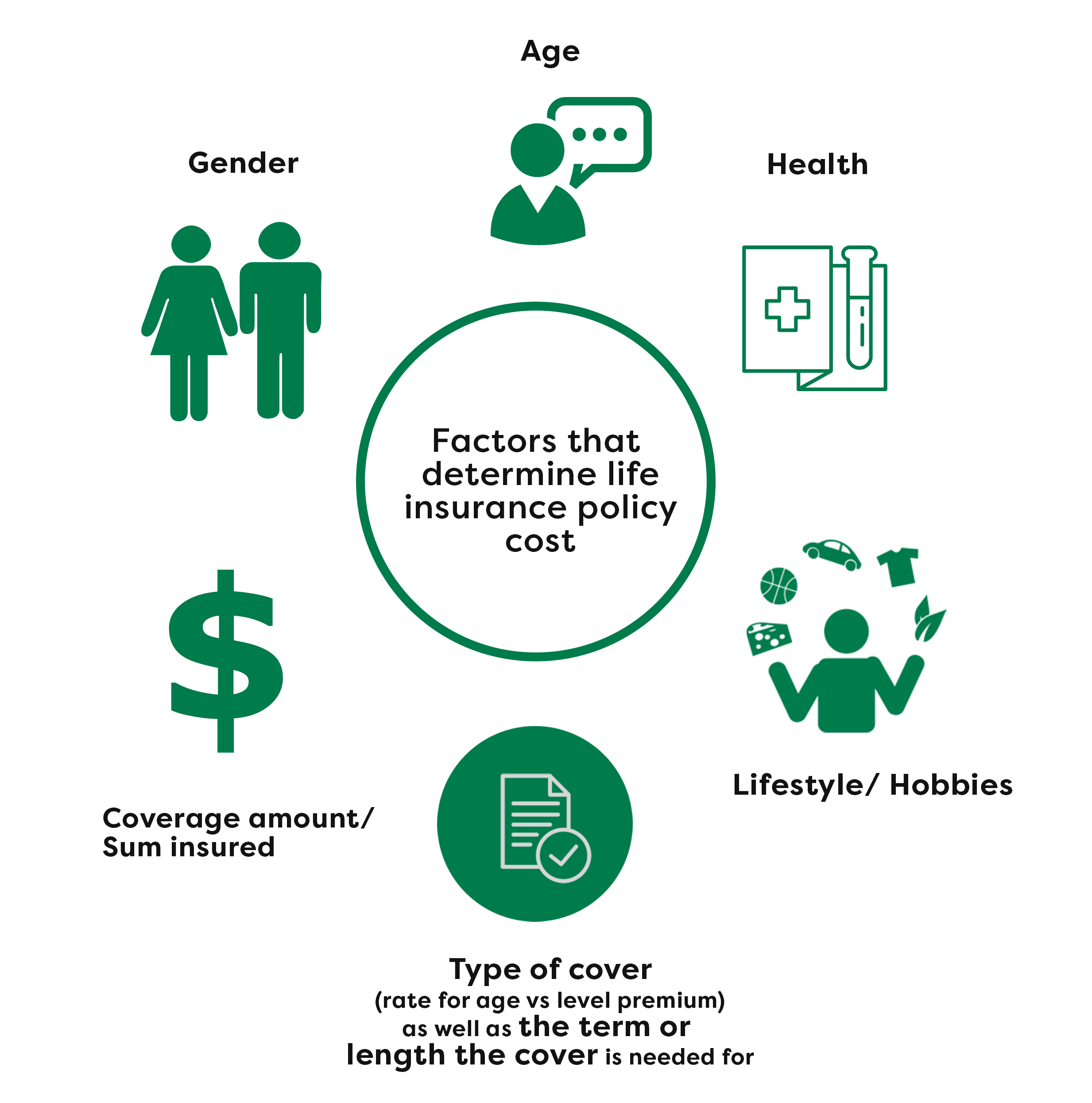
Insurance underwriters look at a wide array of variables before settling on a final rate class. These variables can be categorized into personal attributes, health history, and policy-specific choices.
1. Age and Gender
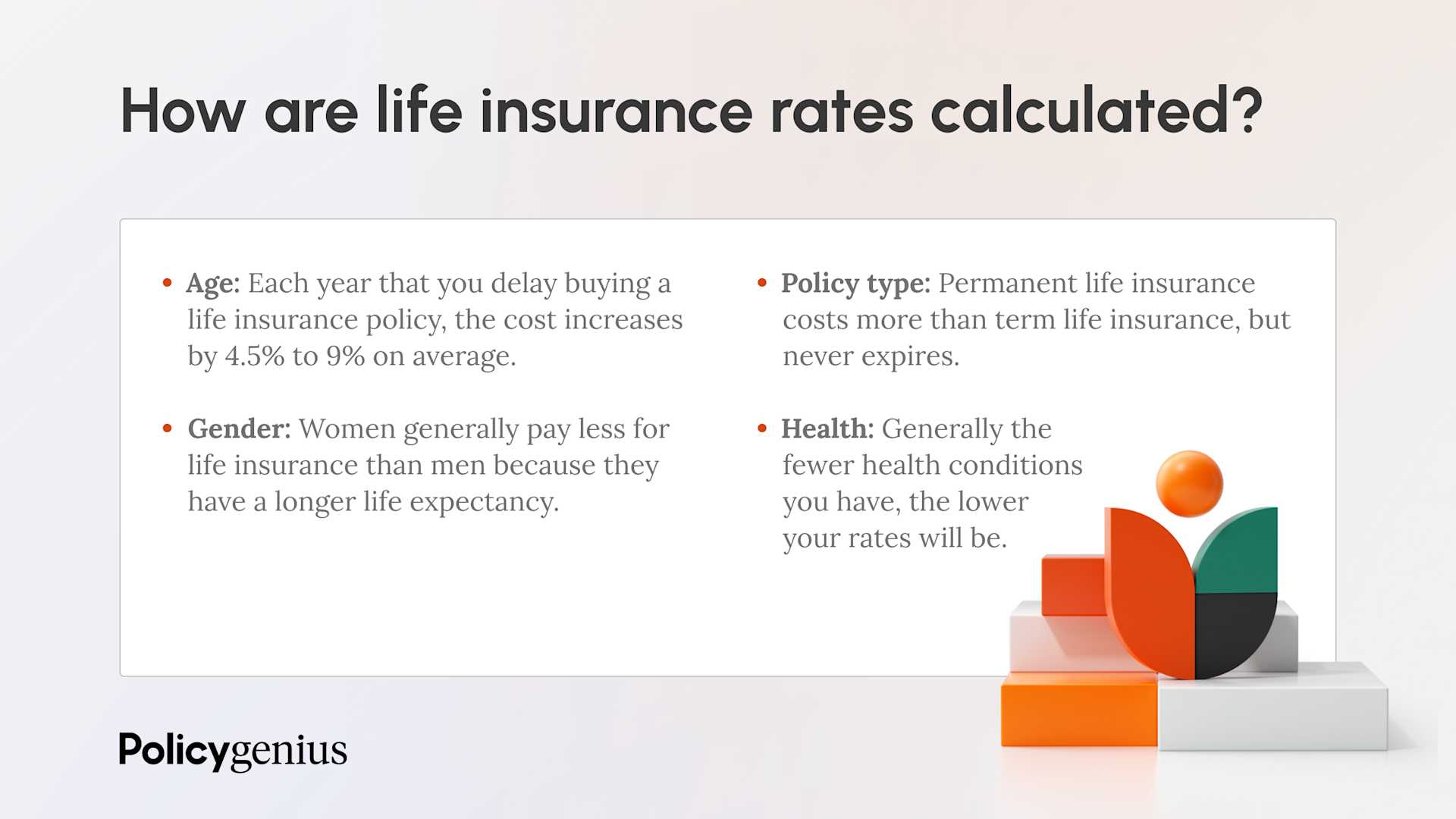
Age is often the single most powerful driver of life insurance costs. The younger you are when you lock in a policy, the lower your base rate will be. This happens because younger individuals have a longer statistical life expectancy, giving the insurer more decades to collect premiums and invest those funds before paying out a claim. Gender also plays a role; statistically, women live longer than men, meaning female applicants generally secure lower rates for the same coverage amounts.
2. Health and Medical History
Your current physical condition and medical background dictate a massive portion of your premium rate. Underwriters typically require a paramedical exam, which includes drawing blood and testing urine for cholesterol, glucose levels, nicotine use, and underlying diseases. They also review your attending physician's statement (APS) to check for chronic illnesses such as diabetes, heart disease, high blood pressure, or a family history of hereditary conditions.
3. Lifestyle and Occupation
Insurers evaluate what you do for work and how you spend your free time. High-risk occupations—such as commercial fishing, structural steelwork, or underground mining—come with higher premiums or require specialized riders. Similarly, hazardous hobbies like skydiving, scuba diving, rock climbing, or auto racing can spike your rates or lead to specific exclusions in the policy language.
4. Driving Record and Credit History
In many jurisdictions, motor vehicle reports reveal your habits behind the wheel. Multiple speeding tickets, reckless driving charges, or Driving Under the Influence (DUI) convictions signal behavioral risk, prompting higher pricing tiers. Additionally, in regions where permitted, insurers check credit-based insurance scores, as statistical correlations suggest individuals with strong financial management are less likely to let policies lapse.
Underwriting Classes and Rate Tiers
Once an insurer completes its review of your application, medical exam, and records, it assigns you to a specific underwriting tier. These classifications establish the baseline multiplier applied to the base rate of the policy.
| Underwriting Class | Description | Typical Health Profile |
|---|---|---|
| Preferred Plus / Preferred Best | Exceptional pricing tier for individuals with optimal health metrics. | Zero tobacco use, ideal blood pressure and cholesterol, no major family history of disease. |
| Preferred | Above-average health tier for individuals with minor, well-controlled issues. | Good overall health, occasional minor medical treatment, excellent build-to-weight ratio. |
| Standard Plus | Good health tier for those who do not quite meet strict preferred criteria. | Normal life expectancy, minor health conditions that are stable and managed with medication. |
| Standard | Average health tier representing the baseline for most Americans. | Average life expectancy, manageable chronic conditions, or minor tobacco usage depending on the carrier. |
| Substandard (Table Ratings) | High-risk tier assigned to individuals with significant medical challenges. | Chronic illnesses, higher body mass index (BMI), or hazardous lifestyle factors requiring surcharges. |
Term Life vs. Permanent Life Insurance Premium Structures
How your premium rate behaves over the life of the contract depends heavily on the type of insurance product you choose.
Term Life Insurance
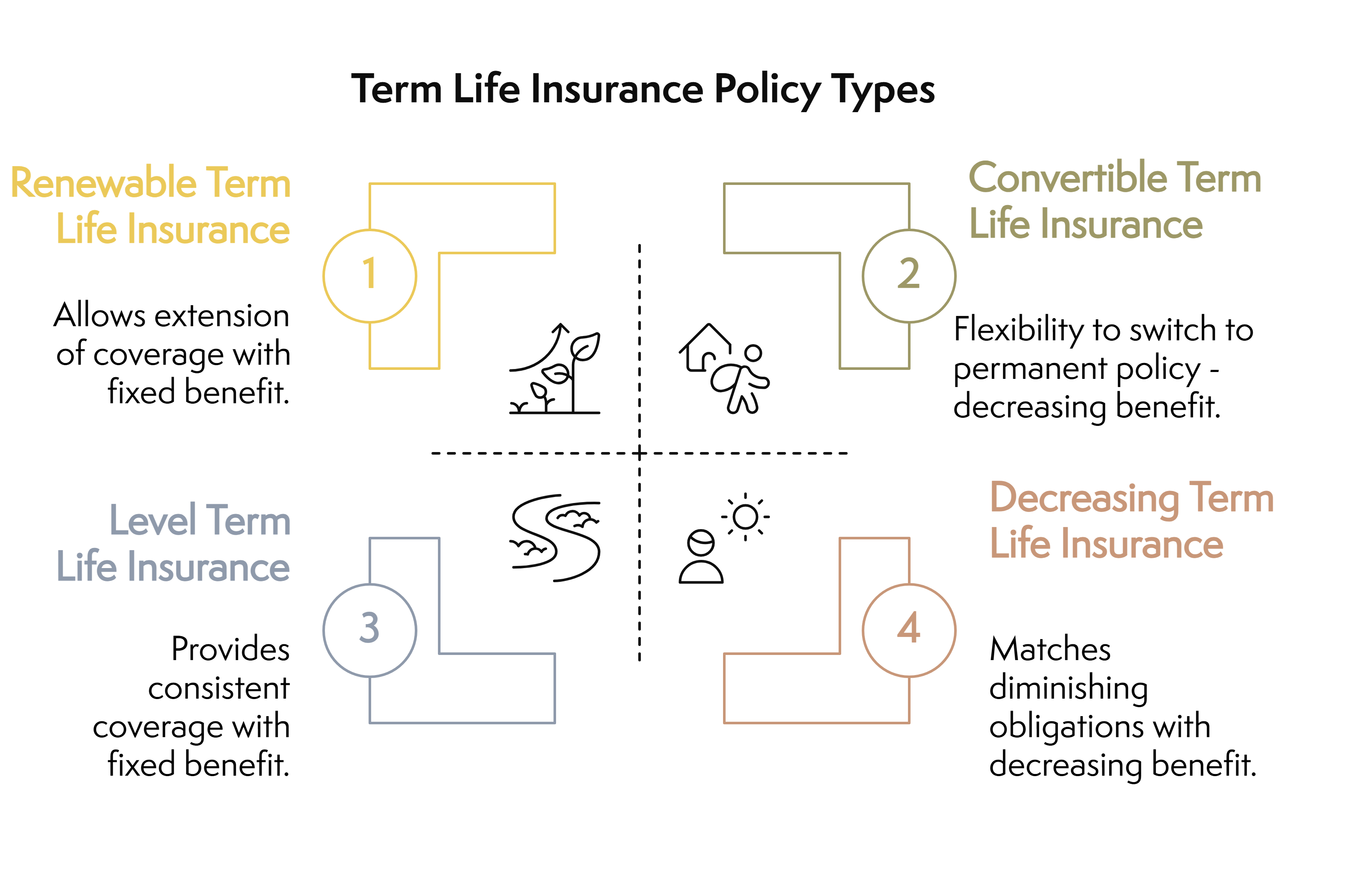
Term life insurance provides coverage for a specific period, such as 10, 20, or 30 years. The most common variation is level term life insurance, where your premium rate stays completely flat and locked in for the entire duration of the term. This stability allows policyholders to budget accurately. Once the term expires, however, renewing the policy usually triggers an annually increasing rate structure based on your attained age, making continuation prohibitively expensive.
Permanent Life Insurance
Permanent policies—such as whole life or universal life—remain active for your entire life as long as you pay the required amounts. Whole life insurance typically features guaranteed level premiums that never increase, regardless of how old you get or how your health declines. To offset the high cost of insuring older individuals, early whole life premiums are intentionally higher than what is needed to cover annual mortality risk, allowing the insurer to build a cash value reserve. Universal life insurance offers more flexibility, allowing policyholders to adjust premium payments using accumulated cash value, though dropping payments too low can jeopardize the policy if interest rates shift unfavorably.
Common Misconceptions About Life Insurance Rates
Navigating the insurance market often leads to confusion due to persistent myths regarding how pricing operates.
- "My employer-provided life insurance is enough." Group life insurance supplied through a job is convenient, but it is typically limited to one or two times your salary and terminates the moment you leave the company. Relying solely on group coverage leaves you vulnerable to age-related rate shocks if you try to buy private insurance later.
- "Smoking cigars or vaping won't affect my rates." Underwriters test for nicotine metabolites through blood and urine screenings. Even occasional cigar smoking, nicotine replacement therapy patches, or vaping e-cigarettes generally classifies you as a tobacco user, which can double or triple your premium rate compared to a non-smoker.
- "Waiting until next year won't change my price much." Life insurance companies calculate age based on either your actual age or your nearest age. Crossing an age threshold typically increases base premium rates by 4% to 10% simply due to advancing calendar years, independent of any health changes.
How to Secure and Maintain the Best Possible Rate
If you are preparing to apply for coverage, proactive steps can help you secure a more favorable rate class.
- Apply early: Locking in a policy when you are young and healthy yields the lowest possible long-term baseline rates.
- Optimize your health metrics: If you have borderline high blood pressure or cholesterol, addressing these through diet and exercise a few months before your paramedical exam can shift you into a better pricing tier.
- Shop the market: Independent insurance brokers can compare underwriting guidelines across multiple carriers. Different companies weigh specific conditions—such as sleep apnea, aviation hobbies, or controlled anxiety—differently, resulting in varying price quotes for the exact same coverage amount.
- Maintain consistent payments: Ensure your policy remains in force through automated withdrawals to prevent accidental lapses that would require you to reapply at an older age and higher rate.
Disclaimer: Life insurance underwriting guidelines, medical definitions, and regulatory requirements vary by jurisdiction and issuing carrier. Consult with a licensed financial advisor or insurance professional to evaluate specific policy terms and personal coverage needs.
Image Gallery