Workers' Compensation Telemedicine Usage Statistics in the US: Data, Trends, and Outcomes
Telemedicine usage in U.S. workers' compensation expanded from less than 0.1% of medical professional services prior to 2020 to a peak of approximately 4% to 6% during the COVID-19 pandemic. Current administrative data indicates adopti...
Telemedicine usage in U.S. workers' compensation expanded from less than 0.1% of medical professional services prior to 2020 to a peak of approximately 4% to 6% during the COVID-19 pandemic. Current administrative data indicates adoption has stabilized between 1.5% and 3.0% of total professional medical services, with concentrated utilization in initial injury triage, occupational tele-mental health, and follow-up care.
Contents
Historical Context: The Shift in Occupational Telehealth
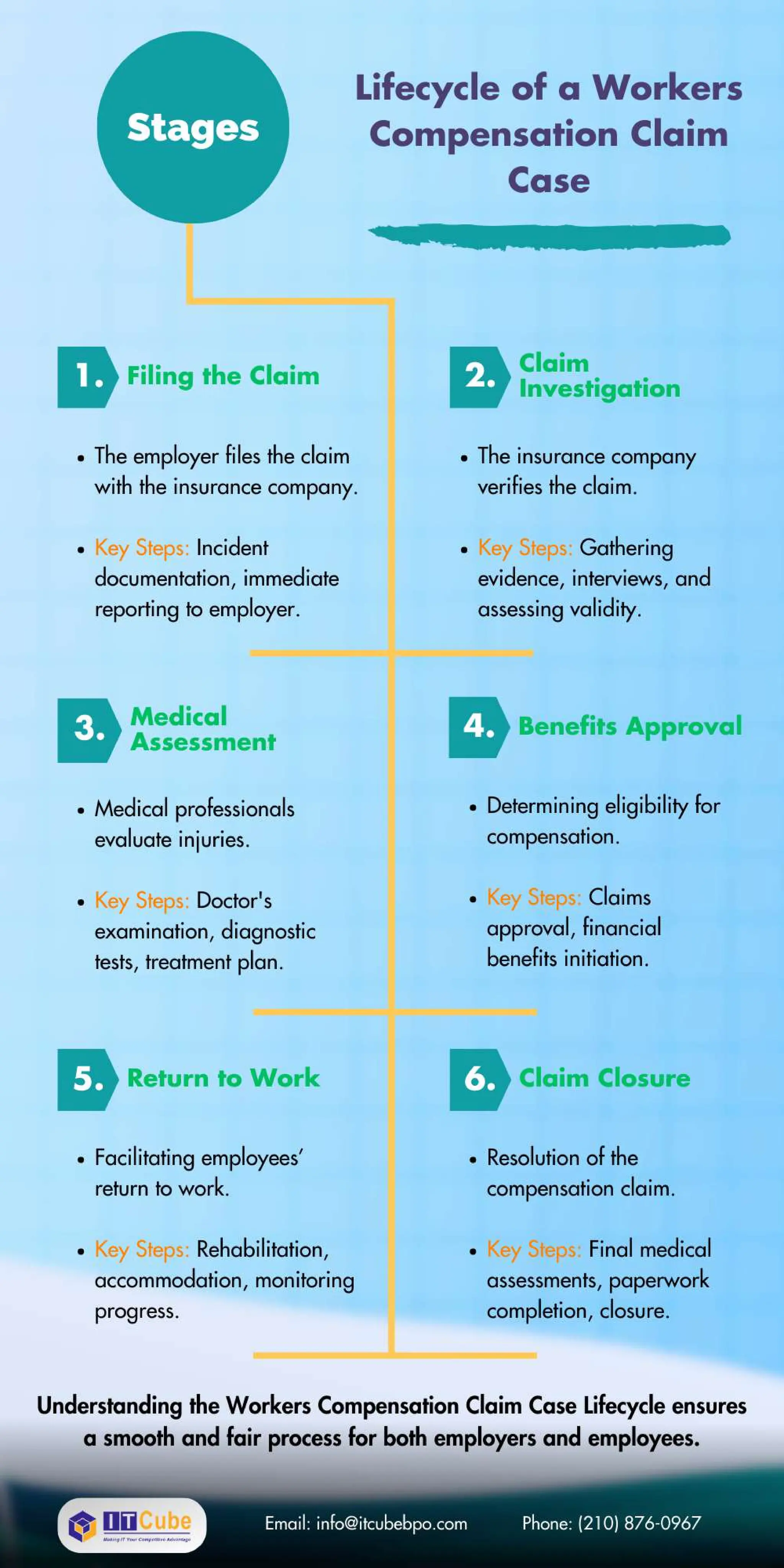
Prior to 2020, telemedicine was rarely utilized within the U.S. workers' compensation system. Structural hurdles—including restrictive state fee schedules, rigid provider licensing requirements across state lines, and a traditional administrative preference for in-person industrial clinic visits—kept utilization under 0.1% of all medical professional services. Injured workers were almost exclusively directed to urgent care centers, hospital emergency rooms, or designated occupational health clinics for evaluation and treatment.
The onset of the public health emergency in March 2020 prompted emergency executive orders, state regulatory waivers, and temporary fee schedule adjustments. Payers, third-party administrators (TPAs), and medical networks rapidly deployed virtual care platforms to maintain continuity of treatment while minimizing viral exposure. Research from the National Council on Compensation Insurance (NCCI) demonstrated an unprecedented surge in virtual encounters during the second quarter of 2020, when telehealth accounted for nearly 5% of all active medical professional services in workers' compensation claims nationwide.
Telemedicine Share of Workers' Comp Professional Services (US Benchmark):
- Pre-2020: < 0.1%
- 2020 Peak: 4.5% - 6.0%
- Stabilized: 1.5% - 3.0%
As in-person facilities reopened and emergency declarations expired, telemedicine utilization naturally contracted from its pandemic peak. However, virtual care did not revert to its baseline levels. Data compiled by the Workers Compensation Research Institute (WCRI) confirms that current telehealth usage remains roughly 15 to 20 times higher than pre-pandemic levels. The technology has evolved from an emergency substitute into a permanent, targeted component of modern claims management and managed care delivery.
Key Telemedicine Usage Statistics by Medical Specialty
Telemedicine adoption across workers' compensation is not uniform. Virtual care delivery is heavily concentrated in specific medical specialties and distinct phases of the injured worker's recovery lifecycle.
Subspecialty Adoption Rates (% of Specialty-Specific Visits Conducted Virtually):
- Behavioral Health / Telepsychiatry: 25% - 40%
- Physical Therapy & Telerehab: 5% - 10%
- General Physician Follow-Ups: 3% - 6%
- Initial Medical Evaluations: 1% - 2%
1. Occupational Mental Health and Telepsychiatry
Behavioral health services represent the single highest sustained adoption rate for telemedicine within workers' compensation.
- Sustained Volume: Between 25% and 40% of psychiatric and psychological encounters for occupational injury claims are delivered virtually.
- Clinical Drivers: Telepsychiatry eliminates transportation barriers, reduces the stigma associated with visiting mental health facilities, and provides consistent access to specialized providers in rural or underserved regions.
- Claim Impact: Early psychological interventions via telehealth have been shown to reduce post-injury depression, manage chronic pain perception, and mitigate long-term claim litigation risks.
2. Physical Medicine and Tele-Rehabilitation
Physical therapy (PT) and occupational therapy account for a significant portion of overall medical expenditure in workers' compensation.
- Hybrid Model: Fully virtual physical therapy accounts for 5% to 10% of total PT encounters, but hybrid care models—combining hands-on in-clinic sessions with home-based virtual guided exercise—are used in up to 20% of active rehabilitation cases.
- Compliance Rates: Remote therapeutic monitoring and virtual follow-ups improve patient adherence to prescribed home exercise programs, reducing missed sessions caused by travel difficulties or work schedule conflicts.
3. Early Injury Triage and Tele-Triage Hotlines
24/7 tele-triage services operate at the entry point of the workers' compensation workflow.
- Initial Assessment: Employers utilizing dedicated tele-triage hotlines report that 30% to 50% of workplace incident calls can be successfully triaged and managed with self-administered first aid and remote oversight, avoiding unnecessary emergency room visits.
- Escalation Management: When formal medical care is required, tele-triage nurses immediately direct the employee to approved in-network clinics or initiate an immediate virtual physician visit, reducing treatment delays.
4. Routine Follow-Up and Evaluation Encounters
General medical follow-up visits represent a substantial portion of stable telehealth volume.
- Administrative Efficiency: Post-surgical check-ins, medication management reviews, diagnostic test result reviews, and work-status updates account for 3% to 6% of routine physician encounters.
- Workplace Productivity: Virtual follow-up appointments minimize time away from transitional light-duty work, enabling employees to attend 15-minute consultations without losing half a day of work to travel and waiting room delays.
Comparative Analysis: Pre-Pandemic vs. Peak vs. Stabilized Usage Metrics
The following matrix outlines the operational and financial shifts in U.S. workers' compensation telemedicine across three distinct historical phases.
| Metric / Dimension | Pre-Pandemic Baseline (Prior to 2020) | Peak Pandemic Period (2020–2021) | Stabilized Hybrid Era (Current Benchmark) |
|---|---|---|---|
| Share of Overall Professional Services | < 0.1% | 4.0% – 6.0% | 1.5% – 3.0% |
| Primary Delivery Modality | Tele-triage pilot programs | Audio-video and audio-only visits | Audio-video integrated with EHR platforms |
| Highest Telehealth Service Category | Rural nurse triage | Primary care follow-up & therapy | Telepsychiatry & physical therapy follow-up |
| Regulatory Authorization | Strict state-by-state limitations | Comprehensive emergency waivers | Formalized state statutes & fee schedules |
| Average Initial Care Wait Time | 24 to 72 hours (in-clinic) | < 2 hours (virtual entry point) | < 4 hours (tele-triage / virtual clinic) |
| Average Cost per Virtual Encounter | $120 – $180 (unstandardized) | Equal to in-person fee schedule | Fee schedule parity or 5%–10% discount |
Financial Impact, Claim Costs, and Return-to-Work Outcomes
Integrating telemedicine into workers' compensation programs influences direct medical expenditures, claim duration, and indemnity costs.
Financial & Operational Impact Highlights:
- Direct Cost per Visit: 15% - 30% Lower than Urgent Care/ER
- Time to First Treatment: Reduced from Days to Hours
- Total Claim Duration: Slight Reduction in Low-Severity Claims
- Invasive Service Rates: No Increase in Advanced Imaging / Surgery
Direct Medical Expenditures
Multiple claims studies conducted by industry research organizations reveal that telemedicine visits generally cost less than equivalent in-person encounters:
- Facility Fee Avoidance: Virtual visits eliminate facility charges associated with hospital-owned outpatient clinics and emergency departments. The direct cost of an initial virtual medical consultation averages 15% to 30% less than an urgent care clinic visit and up to 80% less than an emergency room evaluation.
- Prescribing and Diagnostic Patterns: Independent studies show that telemedicine providers in workers' compensation order advanced imaging (such as MRIs) and prescribe Schedule II opioids at rates lower than or equal to their in-person counterparts. This helps prevent over-treatment and unnecessary medical escalation.
Impact on Claim Duration and Disability Days
The speed of initial medical intervention directly correlates with overall claim duration and indemnity costs:
- Accelerated Treatment Access: Telemedicine reduces the time between injury report and first physician evaluation from an average of 3.5 days to less than 6 hours. Early clinical reassurance reduces claim friction and mitigates employee anxiety.
- Modest Claims: For minor musculoskeletal strains and lacerations, early virtual care paired with modified work duty reduces total temporary disability (TTD) days by an average of 10% to 15%.
- Complex Claims: For severe, complex catastrophic injuries, telemedicine serves primarily as a supplemental communication tool rather than a replacement for hands-on surgical or specialist interventions.
State Regulatory Frameworks and Reimbursement Mechanics
Workers' compensation in the United States is regulated individually by each state and territory, leading to significant structural variation in how telemedicine is authorized, delivered, and reimbursed.
State Regulatory Profiles for Telemedicine in Workers' Compensation:
- State Category 1: Explicit Fee Schedule Parity (e.g., CA, TX, NY)
- Mandatory parity for covered services
- Standardized CPT coding with modifiers (GT, 95)
- Specific provider licensing and consent mandates
- State Category 2: Negotiated / Permissive Frameworks (e.g., FL, IL)
- Telehealth permitted by mutual agreement
- Reimbursement set by contract or statutory fee cap
- Variable audio-only coverage policies
- State Category 3: Restrictive / Specific-Use Jurisdiction
- Limits on initial evaluations or disability rating
- Strict physical examination requirements for MMI
- In-state licensing requirements enforced without exception
Statutory Mandates and Fee Schedule Parity
- Reimbursement Rates: A majority of major workers' compensation jurisdictions—including California, Texas, New York, and Pennsylvania—have established explicit guidelines or fee schedules for virtual care. In most of these jurisdictions, telemedicine services billed under standard Current Procedural Terminology (CPT) codes with appropriate modifiers (such as Modifier 95 or GT) are reimbursed at parity with equivalent in-person office visits.
- Biolocation and Licensing: Providers must be fully licensed in the state where the injured worker is physically located at the time of the virtual visit. Cross-state practice waivers established during the pandemic have largely expired, requiring multi-state telemedicine vendors to maintain credentialed networks in every jurisdiction they serve.
Service Exclusions and Clinical Boundaries
While state regulations broadly support virtual follow-ups and triage, specific clinical functions remain restricted to in-person care:
- Maximum Medical Improvement (MMI) Ratings: Performing formal impairment ratings and assigning MMI status generally requires a hands-on physical examination by a certified medical evaluator.
- Complex Physical Examinations: Conditions requiring comprehensive neurological assessments, detailed joint palpation, or specialized diagnostic procedures cannot be evaluated exclusively via video.
Implementation Strategies for Employers and Claims Administrators
To maximize the value of telemedicine while ensuring high-quality clinical outcomes, risk managers, self-insured employers, and workers' compensation insurers should incorporate several core practices into their programs.
1. Establish Clear Tele-Triage Protocols
- Connect workplace injury reporting directly to a dedicated 24/7 tele-triage hotline staffed by registered nurses trained in occupational safety.
- Provide clear decision trees for site supervisors to distinguish between medical emergencies (requiring immediate 911 dispatch or emergency room transport) and non-emergent incidents suitable for virtual triage.
2. Select Specialized Occupational Telehealth Partners
- Partner with telemedicine vendors that specialize in occupational medicine rather than general direct-to-consumer health services.
- Ensure clinicians understand workplace functional requirements, state-specific workers' compensation reporting forms (such as Doctor's First Report of Injury), and light-duty transitional work concepts.
3. Integrate Telehealth into the Pharmacy and Diagnostic Workflow
- Choose virtual platforms that directly link to automated prescription delivery services, physical therapy networks, and local diagnostic imaging centers.
- Ensure immediate digital delivery of work-status notes (work capacity certificates) to both the employer and the claims adjuster within 24 hours of the virtual visit.
Frequently Asked Questions
What percentage of workers' compensation claims currently use telemedicine?
Telemedicine is used in approximately 1.5% to 3.0% of overall medical professional services across all active U.S. workers' compensation claims. However, within specific service categories—such as early nurse triage hotlines and occupational behavioral health encounters—utilization rates range between 25% and 50%.
Is telemedicine as effective as in-person care for workplace injuries?
For non-emergent, soft-tissue injuries, initial triage, routine follow-ups, and mental health counseling, studies show telemedicine delivers comparable clinical outcomes, high patient satisfaction scores, and faster return-to-work rates. However, acute fractures, severe lacerations, and complex surgical cases still require immediate hands-on care.
Can an injured worker be forced to use telemedicine by their employer or insurer?
No. Choice of doctor rules vary by state, but injured workers retain the right to receive in-person medical treatment. Telemedicine is offered as a voluntary, convenient option to expedite initial medical evaluation and reduce travel burdens, not as a mandatory substitute for in-person medical care.
How are telemedicine visits reimbursed under state workers' compensation fee schedules?
Most states with established workers' compensation fee schedules reimburse telemedicine encounters at parity with equivalent in-person office visits (using standard CPT codes combined with telehealth modifiers such as 95 or GT). Some insurance programs negotiate specialized contract rates with dedicated virtual healthcare networks.
Does using telemedicine affect the length or cost of a workers' compensation claim?
Research indicates that early telemedicine intervention reduces average claim duration for minor injuries by accelerating the start of medical care and eliminating scheduling delays. Direct visit costs are typically lower or equal to in-person visits, primarily due to the elimination of outpatient hospital and emergency facility fees.
Programmatic Next Steps
Employers, claims administrators, and risk managers seeking to optimize their telemedicine delivery models should take the following initial steps:
- Audit Current Claims Data: Review historic medical billing and triage logs to identify what percentage of non-emergent injuries are currently directed to high-cost urgent care or emergency facilities.
- Review State Jurisdictional Rules: Verify that existing virtual care vendors comply with state-specific provider licensing requirements, fee schedule modifiers, and first report of injury filing deadlines across all operating locations.
- Formalize Workplace Triage Workflows: Train front-line managers and safety personnel on mandatory injury reporting procedures, ensuring clear distinction between emergency medical response and immediate tele-triage access.
Disclaimer: Workers' compensation statutes, administrative rules, and fee schedules vary significantly by state jurisdiction. The statistics and regulatory summary provided above are for educational and analytical purposes and do not constitute legal or medical advice. Consult qualified legal counsel or a certified workers' compensation compliance professional for state-specific guidance.
EDITORIAL CATEGORY METADATA:
Image Gallery