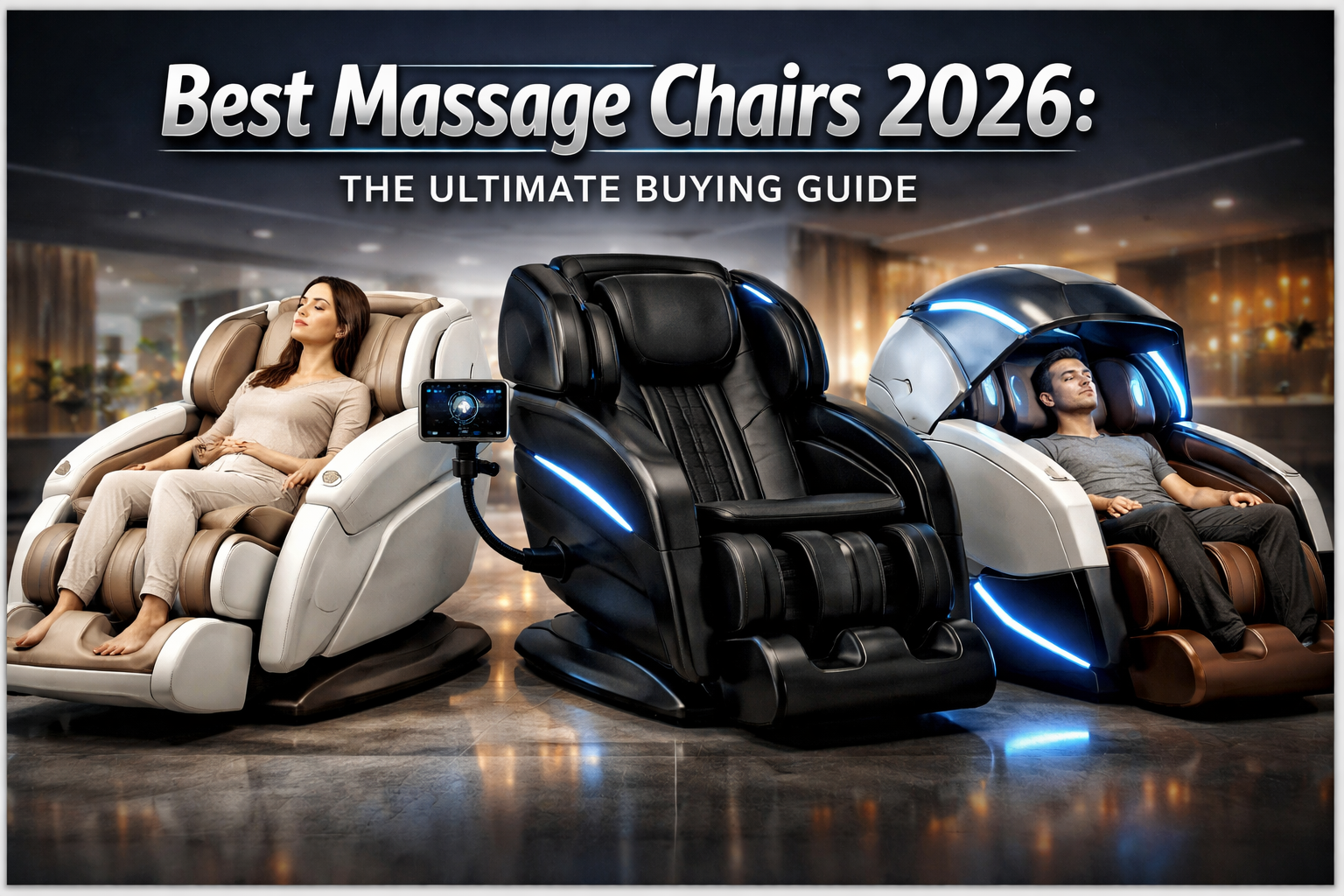
The Best Massage Chair for Home Comfort: A Comprehensive Guide to 2026 Technology and Relaxation
Choosing the best massage chair for home comfort in 2026 involves balancing advanced robotics, AI-driven body scanning, and ergonomic design. The ideal chair provides a seamless transition from daily stress to deep physical recovery, u...
Choosing the best massage chair for home comfort in 2026 involves balancing advanced robotics, AI-driven body scanning, and ergonomic design. The ideal chair provides a seamless transition from daily stress to deep physical recovery, utilizing 4D track systems and zero-gravity positioning to mimic the precision of a professional massage therapist.
Contents
The landscape of home wellness has shifted significantly. In 2026, a massage chair is no longer a luxury novelty; it is a sophisticated health appliance designed to address chronic pain, improve circulation, and facilitate mental decompression. As technology has advanced, the gap between human-touch therapy and robotic precision has narrowed, making the selection process more nuanced than ever. To find the best massage chair for your specific needs, you must evaluate the underlying mechanics, the integration of smart features, and the practicalities of housing such a substantial piece of equipment.
The Evolution of Massage Mechanism: 2D, 3D, and 4D
To understand what constitutes the "best" chair, one must first look at the movement of the rollers, which are the heart of the machine. In 2026, most high-end models have moved beyond basic 2D systems.
2D and 3D Systems
Basic 2D rollers move on X and Y axes—up and down, and left and right. While effective for surface-level muscle relaxation, they lack the depth required for therapeutic work. 3D massage chairs introduced the Z-axis, allowing the rollers to protrude into the muscle tissue. This depth is adjustable, enabling the user to choose between a gentle stroke and a deep-tissue experience.
The Rise of 4D Technology
The gold standard for home comfort in 2026 is the 4D massage mechanism. The "fourth dimension" refers to variable speed and rhythm. Unlike older models that moved at a mechanical, constant pace, 4D rollers can slow down as they press into a knot and speed up during a rolling stroke. This variability mimics the human element of a massage, where a therapist reacts to the tension they feel in the muscle. This technological leap significantly reduces the "robotic" feel that previously hindered home massage experiences.
Core Features That Define Home Comfort
When evaluating the best massage chair for home comfort, several non-negotiable features distinguish a medical-grade device from a standard recliner.
AI Body Scanning
Modern chairs utilize infrared and pressure sensors to map the user’s anatomy before the session begins. This scan identifies the location of the shoulders, the curvature of the spine, and specific pressure points. Without accurate scanning, a chair might apply pressure to the shoulder blades or the back of the skull, causing discomfort rather than relief. The 2026 generation of AI scanners can even detect muscle tension by measuring the resistance against the rollers, automatically adjusting the routine to focus on "hot spots."
Zero-Gravity Positioning
Originally developed by NASA to assist astronauts during lift-off, Zero-Gravity positioning elevates the knees above the heart and reclines the torso at a specific 128-degree angle. This position evenly distributes body weight across the chair, reducing the strain of gravity on the vertebrae and allowing the massage rollers to work deeper into the muscle tissue. From a comfort perspective, this creates a sensation of weightlessness that enhances the mental relaxation response.
S-Track vs. L-Track vs. SL-Track
The "track" is the rail the rollers move along.
- S-Track: Follows the natural "S" curve of the spine from the neck to the lower back.
- L-Track: Extends the massage area past the lower back to reach the glutes and hamstrings.
- SL-Track: This is the current industry preference, combining the spinal contouring of the S-track with the extended reach of the L-track. For those seeking total body comfort, an SL-track is essential as it addresses the piriformis and gluteal muscles, which are often the root cause of lower back pain.
Top Recommendations for Home Comfort in 2026
While many brands exist, a few models have defined the 2026 market by integrating reliability with cutting-edge comfort features.
| Model Category | Primary Benefit | Key Technology | Ideal User |
|---|---|---|---|
| Luxury Performance | Total Body Immersion | 4D Dual-Core Rollers | Users seeking a professional-grade deep tissue experience. |
| Therapeutic/Medical | Spinal Decompression | AI Tension Detection | Individuals with chronic back pain or sciatica. |
| Compact/Space-Saver | Zero-Wall Design | Brushless Motors (Silent) | Apartment dwellers or those with limited floor space. |
| Value/Utility | Reliability and Ease | Integrated Heat Therapy | Seniors or those prioritizing simple operation and warmth. |
The Therapeutic Power of Heat and Compression
Home comfort is not solely about the rollers. Thermotherapy (heat) and Air Compression (airbags) play vital roles in the recovery process.
Heat Therapy: Most 2026 models feature graphene or carbon fiber heating elements in the lumbar region. Heat promotes vasodilation, which increases blood flow to the area, bringing oxygen and nutrients to damaged tissues. Some premium chairs now offer "full-body" heat, including in the footrest and the rollers themselves, providing a sensation similar to a hot stone massage.
Air Compression: This utilizes a series of airbags located in the shoulders, arms, calves, and feet. By inflating and deflating in a rhythmic pattern, the chair performs "lymphatic drainage," which helps move metabolic waste out of the extremities. This is particularly beneficial for users who suffer from edema or who spend long hours standing.
Practical Considerations for Home Integration
A massage chair is a significant investment, both financially and in terms of physical space. Before purchasing, consider these environmental factors:
- Zero-Wall Clearance: In the past, massage chairs required several feet of clearance behind them to recline. Most 2026 "wall-hugger" models now slide forward on a track as they recline, requiring only 2 to 4 inches of space from the wall.
- User Capacity: Check the height and weight limits. While many chairs are "one size fits all," users over 6'3" or under 5'0" may find that the rollers do not align correctly with their anatomy unless the chair has a highly adjustable leg extension.
- Noise Levels: High-quality chairs now use brushless motors and insulated pump systems. If you plan to use the chair in a bedroom or shared living space, ensure the decibel rating is low enough to allow for conversation or sleep.
Health Benefits and Safety Precautions
The regular use of a high-quality massage chair provides documented physiological benefits. According to research on myofascial release, mechanical massage can reduce cortisol levels by up to 30% while increasing serotonin and dopamine. This makes the chair a powerful tool for managing anxiety and insomnia.
However, certain conditions require caution. Individuals with deep vein thrombosis (DVT), those with pacemakers, or pregnant women should consult a medical professional before use. The intense vibration and compression can interfere with certain medical conditions or devices. Always start with a low-intensity setting to gauge your body's response.
Maintenance for Longevity
To keep a massage chair in peak condition through 2026 and beyond, routine maintenance is required.
- Upholstery Care: Most chairs use high-grade synthetic leather (PU leather) because it withstands the friction and heat of the rollers better than genuine leather. Clean it with a damp cloth and specialized cleaner to prevent cracking.
- Software Updates: Modern smart chairs often connect to Wi-Fi. Ensure the firmware is updated to improve the AI's body-scanning accuracy and to access new massage programs developed by the manufacturer.
- Mechanical Rest: Avoid running the chair for more than 30-60 minutes consecutively to prevent the motors from overheating.
Frequently Asked Questions
Is it okay to use a massage chair every day?
Yes, most manufacturers recommend 15 to 30 minutes of use per day. Overuse, however, can lead to muscle bruising or inflammation, especially on high-intensity deep-tissue settings. It is best to listen to your body and treat the chair like a workout—consistency is better than excessive duration.
How do I know if I need a 3D or 4D chair?
If you only want general relaxation and a light rub, a 3D chair is sufficient. If you have specific "knots" or chronic tension that requires a therapist to vary their pressure and speed, a 4D chair is the better investment for home comfort. The 4D system is significantly more effective at breaking down adhesions in the muscle.
Do massage chairs use a lot of electricity?
Surprisingly, no. Most massage chairs are designed to be energy-efficient, drawing approximately 150 to 300 watts during operation. This is comparable to a high-end desktop computer or a small kitchen appliance.
Can a massage chair help with sciatica?
Yes, specifically models with an L-track or SL-track. Sciatica is often caused by compression in the lower spine or tension in the piriformis muscle (in the glutes). By stretching the lower back and massaging the gluteal region, these chairs can alleviate the pressure on the sciatic nerve.
What is the average lifespan of a high-quality massage chair?
With proper maintenance, a premium massage chair should last between 10 and 15 years. The key components—the rollers and the air pump—are typically rated for thousands of hours of use. Ensure you purchase from a brand that offers a robust warranty covering both parts and in-home labor.
Final Recommendation for 2026
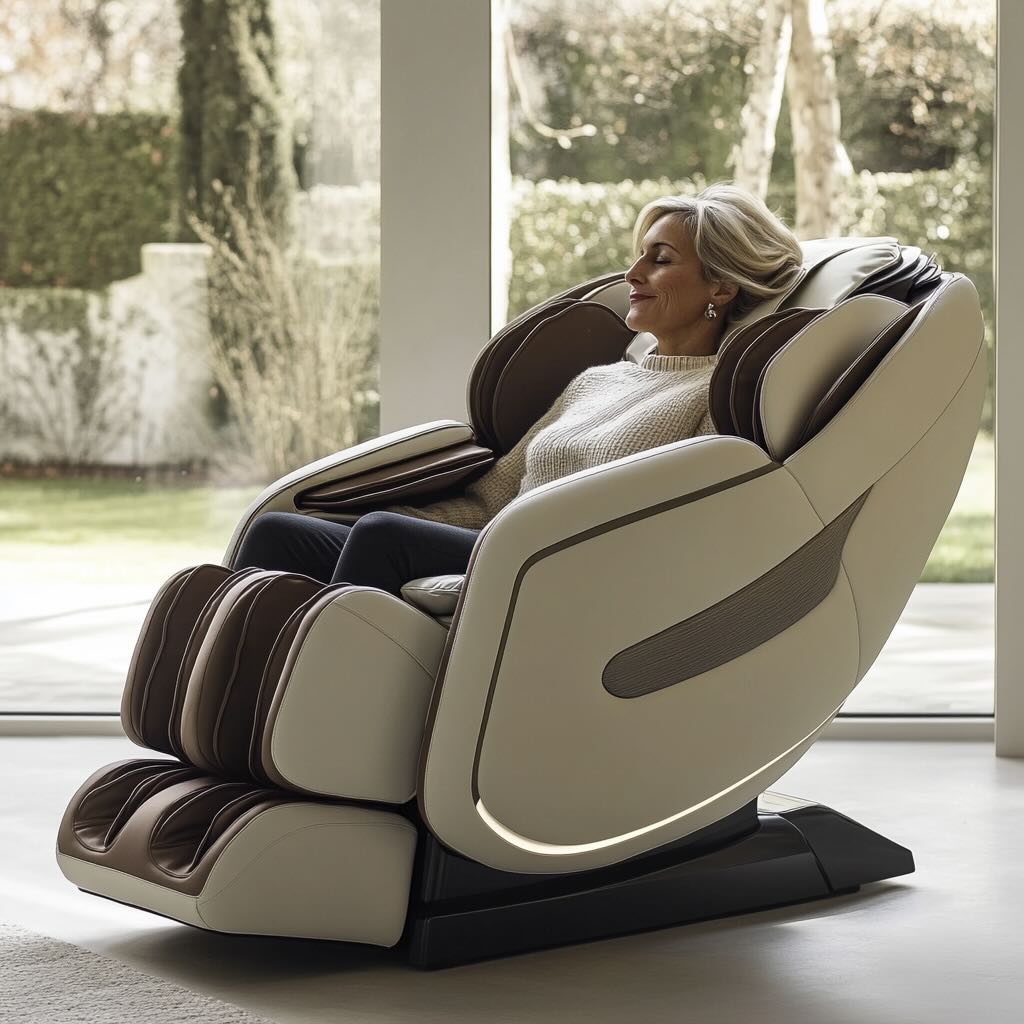
When searching for the best massage chair for home comfort, prioritize the SL-Track mechanism and AI-driven 4D rollers. These features ensure that the chair adapts to your unique body shape rather than forcing you to adapt to its mechanical path. Look for a model that offers "Zero-Wall" technology to maximize your living space and integrated heat therapy to enhance muscle recovery. By investing in a chair that balances these technical specifications with ease of use, you create a permanent sanctuary for physical and mental well-being within your own home.
Image Gallery