Is Life Insurance Considered an Asset in Divorce?
Life insurance is considered a marital asset in a divorce if the policy has an accumulated cash value, such as a whole life or universal life policy. While term life insurance typically has no cash value and is not divisible, the equit...
Life insurance is considered a marital asset in a divorce if the policy has an accumulated cash value, such as a whole life or universal life policy. While term life insurance typically has no cash value and is not divisible, the equity built within permanent policies during the marriage is generally subject to equitable distribution or community property laws.
Contents
When a marriage dissolves, the process of identifying, valuing, and dividing assets—known as the "marital estate"—becomes a central legal focus. While houses, bank accounts, and retirement funds are obvious targets for division, life insurance is a frequently misunderstood component of financial planning. As of 2026, family law courts and financial mediators increasingly scrutinize these policies not just for their current cash value, but for their role in long-term financial security and support obligations.
The treatment of life insurance in a divorce depends heavily on the type of policy held, when it was purchased, and the source of the funds used to pay the premiums. Understanding these nuances is critical for ensuring a fair settlement and preventing future legal disputes regarding beneficiary rights.
The Critical Distinction: Term vs. Permanent Life Insurance
To determine if a life insurance policy is an asset, one must first identify the underlying structure of the contract. Not all insurance is created equal in the eyes of the law.
Term Life Insurance
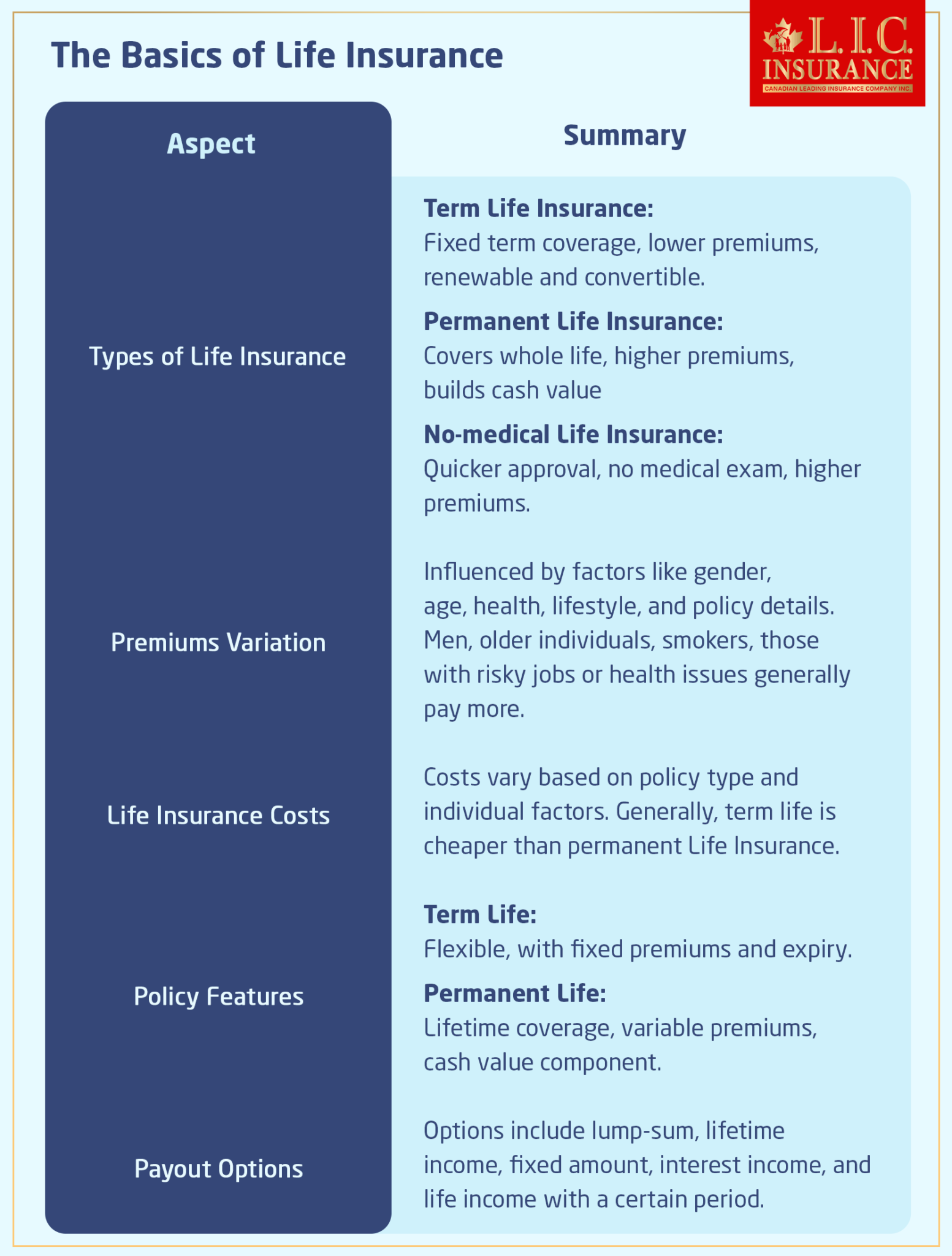
Term life insurance provides coverage for a specific period (the "term"), such as 10, 20, or 30 years. It pays a death benefit only if the insured party passes away during that timeframe. Crucially, term insurance does not accumulate any equity or "cash value." Because it is a pure risk-protection product rather than an investment vehicle, it is generally not considered a divisible asset in divorce proceedings.
However, even though term insurance lacks intrinsic value, it may still be relevant to a divorce decree. Courts often require the person paying child support or alimony to maintain a term life insurance policy to ensure that these financial obligations are met if the payer dies prematurely.
Permanent Life Insurance (Whole, Universal, and Variable)
Permanent life insurance policies are designed to last for the insured's entire life and include a savings or investment component known as "cash value." As premiums are paid, a portion goes toward the cost of insurance, while the remainder grows in a tax-deferred account.
Because this cash value can be accessed through loans or surrenders, it is treated as a tangible marital asset. If the policy was funded using marital income during the marriage, the portion of the cash value accumulated during that period is typically subject to division between the spouses.
Determining Marital vs. Separate Property
The classification of a life insurance policy as marital or separate property is a pivotal factor in how it is handled. This determination often hinges on the timing of the policy’s acquisition and the source of premium payments.
- Policies Purchased During Marriage: If a permanent policy was purchased after the wedding date and premiums were paid using marital funds (such as wages earned by either spouse), the entire cash surrender value is usually considered marital property.
- Policies Purchased Before Marriage: If a spouse owned a whole life policy prior to the marriage, it may be classified as separate property. However, if marital funds were used to pay premiums after the wedding, the policy becomes "commingled." In such cases, the court may apply a formula to determine what percentage of the cash value growth is marital versus separate.
- Inherited Policies: If a spouse inherited a life insurance policy or the funds to pay for one, it might remain separate property, provided those funds were never mixed with joint marital accounts.
In 2026, legal standards emphasize the "source of funds" rule, where the contribution of the marital estate to the policy’s growth is meticulously calculated by forensic accountants if the asset value is significant.
How Life Insurance Assets are Valued
When a permanent policy is deemed a marital asset, the next step is valuation. The primary metric used is the Cash Surrender Value (CSV). This is the amount the insurance company would pay the policyholder if the policy were canceled immediately, minus any outstanding loans or surrender charges.
It is important to distinguish the CSV from the Death Benefit. The death benefit—the amount paid upon the death of the insured—is generally not the value divided during a divorce, as that event has not occurred. Instead, the focus remains on the liquid equity currently held within the policy.
Adjustments to Valuation
Several factors can complicate the valuation of a life insurance asset:
- Outstanding Policy Loans: If a spouse took out a loan against the policy's cash value during the marriage, that debt typically reduces the net asset value of the policy.
- Dividend Accumulations: Some whole life policies pay dividends that can be left to accumulate interest or purchase additional "paid-up" insurance. These accumulations are part of the marital asset.
- Tax Consequences: Cashing out a policy may trigger income taxes on the gains (the amount received above the total premiums paid). A fair settlement should account for these potential tax liabilities if the policy is to be liquidated.
Methods for Dividing Life Insurance Assets
Once the value of the life insurance asset is established, the parties must decide how to distribute it. There are three common approaches used in 2026 divorce settlements:
1. The Offset Method
This is often the most practical solution. One spouse retains full ownership of the life insurance policy, including its entire cash value. In exchange, the other spouse receives a different marital asset of equivalent value, such as a larger share of a bank account or a specific piece of property. This avoids the need to cancel the policy and maintains the insurance coverage.
2. Liquidation (Surrendering the Policy)
If neither spouse wants to keep the policy or if the cash is needed to satisfy the division of assets, the policy can be surrendered. The insurance company pays out the cash surrender value, which is then split between the spouses according to the divorce agreement. The downside of this method is that the insured party loses their coverage and may find it more expensive or impossible (due to age or health) to obtain a new policy later.
3. Transfer of Ownership
Ownership of the policy can be transferred from one spouse to the other. For example, if Spouse A is the insured but Spouse B wants the policy, Spouse A can transfer the ownership rights to Spouse B. Spouse B then becomes responsible for future premiums and controls the cash value and beneficiary designations.
| Feature | Term Life Insurance | Permanent (Whole/Universal) |
|---|---|---|
| Cash Value Accumulation | No | Yes |
| Considered a Marital Asset | Usually No | Yes (the cash value portion) |
| Subject to Valuation | No | Yes (Cash Surrender Value) |
| Common Use in Divorce | Security for support | Direct asset distribution |
| Impact of Cancellation | Loss of protection | Loss of protection + loss of equity |
Life Insurance as Security for Support Obligations
Beyond its status as an asset, life insurance plays a functional role in many divorce decrees as a "security instrument." When a court orders one spouse to pay child support or alimony (spousal maintenance), there is an inherent risk: if the payer dies, the financial support vanishes.
To mitigate this risk, divorce agreements often include a provision requiring the payer to maintain a life insurance policy with a death benefit sufficient to cover the total remaining support obligations. In these scenarios:
- The recipient spouse is typically named as the beneficiary or as a trustee for the children.
- The payer is usually required to provide annual proof that the policy is in force and that premiums are paid.
- The required coverage amount may decrease over time as the total remaining support obligation diminishes (e.g., as children reach the age of majority).
Beneficiary Designations and State Laws
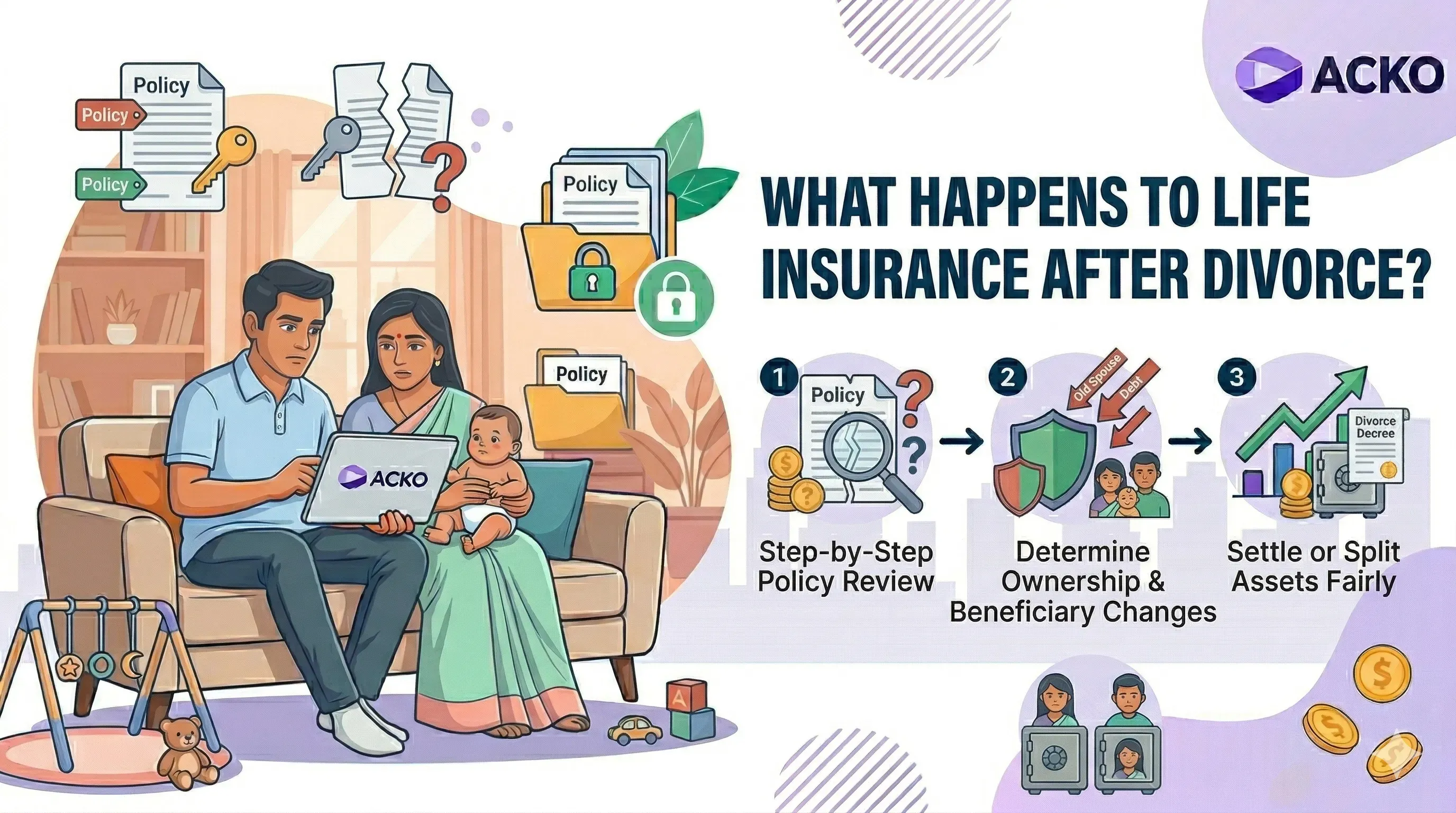
One of the most dangerous oversights in a divorce is failing to update beneficiary designations. In many jurisdictions, a divorce does not automatically revoke a spouse’s status as a beneficiary on a life insurance policy. If an individual forgets to change the beneficiary from their ex-spouse to someone else, the ex-spouse may still legally collect the death benefit upon the insured’s death, regardless of the divorce.
However, as of 2026, many states have enacted "Revocation on Divorce" statutes. These laws automatically nullify the designation of a former spouse as a beneficiary upon the entry of a final divorce decree. Despite these laws, relying on them is risky, especially if the policy is governed by federal law (like ERISA-governed employer plans), which often preempts state revocation laws. The safest course of action is to manually update beneficiary forms immediately following the finalization of the divorce.
Tax Considerations in 2026
Under Internal Revenue Code Section 1041, transfers of property between spouses "incident to a divorce" are generally tax-free. This applies to the transfer of ownership of a life insurance policy. However, if a policy is surrendered for cash, any amount received that exceeds the "cost basis" (the total premiums paid) is taxable as ordinary income.
Furthermore, if a policy is transferred to an ex-spouse and they continue to pay premiums, the tax treatment of the eventual death benefit can be complex. It is essential to consult with a tax professional to ensure that the transfer does not inadvertently trigger the "transfer-for-value" rule, which could make a portion of the death benefit taxable.
FAQs
Can I be forced to keep my ex-spouse as a beneficiary?
Yes, a court can order you to maintain your ex-spouse as a beneficiary if the insurance is intended to secure alimony or child support payments. This ensures that the financial support awarded during the divorce continues even if the primary earner passes away.
Does my employer-provided life insurance count as an asset?
Generally, no. Most employer-provided life insurance is "group term" insurance, which has no cash value. However, the death benefit is still significant, and a court may order you to maintain your ex-spouse or children as beneficiaries of that policy as part of the support agreement.
What happens if my spouse hid a life insurance policy during the divorce?
If a spouse fails to disclose a permanent life insurance policy with cash value, it may be considered a "fraudulent concealment of assets." If discovered later, the court can reopen the property division portion of the case, potentially awarding a higher percentage of the asset (or other penalties) to the spouse who was misled.
How is the "marital portion" of a policy calculated if I had it before the wedding?
Courts typically use a "coverture fraction" or similar accounting method. They subtract the cash value the policy had on the date of the marriage from the cash value it had on the date of the divorce filing. The difference is generally considered the marital increase subject to division.
Should I get a new policy after my divorce?
In many cases, yes. Once a divorce is finalized, your financial responsibilities change. You may need a new policy to protect your children's future, or you may need to replace a policy that was surrendered or transferred during the asset division process.
Practical Recommendation
When navigating a divorce involving life insurance, your first action should be to request a "In-Force Illustration" from the insurance provider for every policy owned by either spouse. This document provides a detailed breakdown of the current cash surrender value, any outstanding loans, and the projected growth of the policy.
Do not rely solely on the annual statement, as it may not reflect surrender charges or the impact of loans. Once you have these illustrations, consult with both your family law attorney and a financial advisor to determine whether an offset, transfer, or liquidation is the most tax-efficient and protective strategy for your specific situation.
Image Gallery