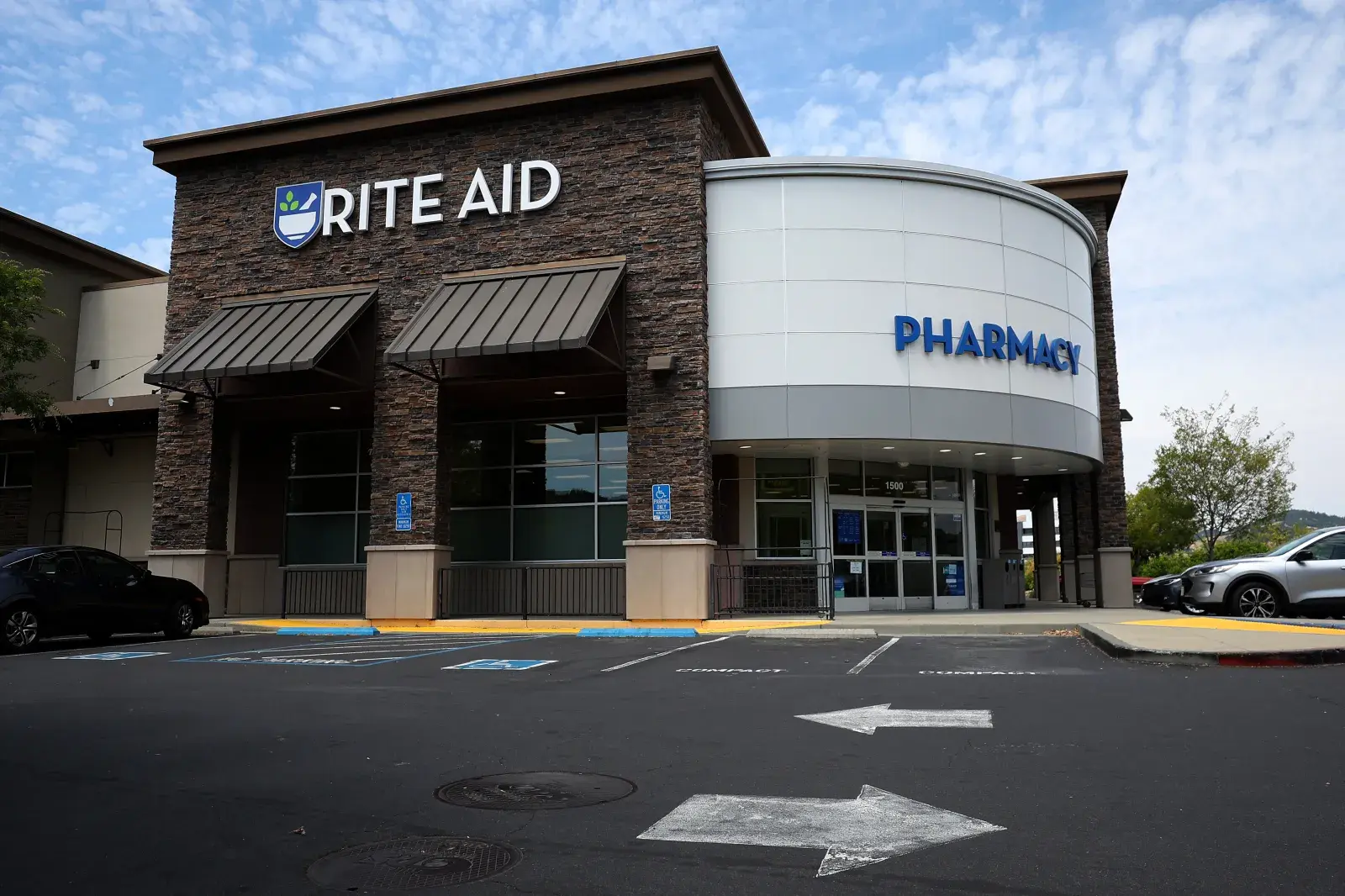
Why the Latest Rite Aid Pharmacy News Matters to You
The recent conclusion of Rite Aid’s restructuring and its transition into a private entity have fundamentally changed the retail pharmacy landscape for millions of Americans. These developments matter because they directly influence wh...
The recent conclusion of Rite Aid’s restructuring and its transition into a private entity have fundamentally changed the retail pharmacy landscape for millions of Americans. These developments matter because they directly influence where you pick up life-saving medications, how your insurance covers prescriptions through pharmacy benefit managers, and the long-term stability of healthcare access in your local community.
Contents
Navigating the Post-Restructuring Pharmacy Landscape
In 2026, the retail pharmacy industry is still feeling the ripples of the massive consolidation efforts that began several years ago. Rite Aid, once one of the "Big Three" national pharmacy chains, underwent a transformative Chapter 11 bankruptcy process that concluded in mid-2024. This was not merely a financial reshuffling; it was a total overhaul of the company’s physical footprint and service model. For the average consumer, this news is the difference between a five-minute drive to a local branch and a thirty-minute commute to a neighboring town.
The restructuring resulted in Rite Aid emerging as a private company, having shed approximately $2 billion in debt. While this makes the company more financially viable in 2026, it came at the cost of hundreds of store closures across its primary markets in the Northeast and West Coast. If you are a long-term Rite Aid customer, the "news" is about the permanence of these changes and how the company is now prioritizing "clinical-first" care over traditional high-volume retail.
The Shift to Private Ownership
Unlike publicly traded competitors like CVS or Walgreens, the "new" Rite Aid is no longer beholden to quarterly earnings calls with public shareholders. Now owned by a group of former creditors and overseen by a restructured board, the company has shifted its focus. This matters to you because the business logic has changed. Decisions are now driven by long-term sustainability rather than immediate stock price bumps. You may notice changes in store hours, staffing levels at the pharmacy counter, and a more curated selection of front-of-store retail items as the company optimizes its inventory for a smaller, more focused customer base.
Prescription Continuity and Store Closures
The most immediate impact of Rite Aid’s news involves the "transfer of care." During the restructuring, Rite Aid shuttered a significant portion of its stores, particularly in regions where it faced stiff competition or high operational costs. When a Rite Aid closes, it doesn't just stop selling toothpaste; it must legally and ethically manage thousands of sensitive medical records and active prescriptions.
What Happens to Your Data?
When a Rite Aid location closes, the company typically sells its "prescription files" to a nearby competitor—often Walgreens or CVS. This is a critical point for patients: your medical history and active refills move even if you don't take action. However, this transition is not always seamless. Issues such as insurance network compatibility, "prior authorization" resets, and synchronization of refill dates can arise.
Why this matters now: In 2026, the consolidation of these files has reached a steady state, but if you haven't checked your prescription status recently, you might find your records residing with a pharmacy you didn't choose. Verifying your preferred "home" pharmacy is essential to prevent delays in receiving maintenance medications for chronic conditions like hypertension or diabetes.
Addressing Pharmacy Deserts
The closure of Rite Aid stores has contributed to the rise of "pharmacy deserts"—areas where residents must travel more than a mile (in urban areas) or ten miles (in rural areas) to access a pharmacy. If you live in an affected ZIP code, the latest news regarding Rite Aid’s footprint matters because it may necessitate a switch to mail-order pharmacy services. While convenient, mail-order lacks the immediate consultation of a pharmacist, which can be a significant drawback for patients managing complex drug interactions.
The Sale of Elixir and Your Insurance Coverage
One of the most consequential pieces of news in the Rite Aid saga was the sale of its pharmacy benefit manager (PBM), Elixir, to MedImpact. This transaction, completed as part of the bankruptcy proceedings, has lingering effects on how prescriptions are priced and covered in 2026.
Understanding the PBM Link
A PBM acts as the middleman between insurance companies and pharmacies. They decide which drugs are on the "formulary" (the list of covered drugs) and what your co-pay will be. When Rite Aid owned Elixir, there was a vertical integration that often favored Rite Aid locations for certain insurance plans, particularly Medicare Part D.
With Elixir now integrated into MedImpact, the "preferred pharmacy" networks for many patients have shifted. If your employer-sponsored plan or your Medicare Advantage plan was previously tied to Elixir, the "latest news" regarding this transition might explain why your out-of-pocket costs changed or why a specific medication now requires a different tier of co-pay.
Impact on Medicare Part D
For seniors, the Elixir sale was particularly impactful. Rite Aid’s restructuring required a complete re-evaluation of its Medicare offerings. In 2026, patients should carefully review their Annual Notice of Change (ANOC) to see if Rite Aid remains a "preferred" or "standard" pharmacy in their network. Using a standard pharmacy instead of a preferred one can result in significantly higher costs over the course of a year.
Comparing the "New" Rite Aid to Industry Rivals
To understand why Rite Aid’s current status matters, it is helpful to compare its service offerings in 2026 against its main competitors. The following table outlines the key differences in how these giants are currently operating.
| Feature | Rite Aid (Post-Restructuring) | CVS Pharmacy | Walgreens Boots Alliance |
|---|---|---|---|
| Ownership Status | Private (Lender-owned) | Public (NYSE: CVS) | Public (Nasdaq: WBA) |
| Primary Footprint | Regional (Northeast/West) | National | National / International |
| PBM Integration | None (Elixir sold) | High (CVS Caremark) | Moderate (AllianceRx) |
| Primary Strategy | Clinical/Boutique Care | Integrated Health Hubs | Primary Care Clinics (VillageMD) |
| Digital Services | Focus on Pharmacy App | Comprehensive Health App | Integrated Retail/Pharmacy |
| Store Count Trend | Stabilized after 25%+ reduction | Strategic closures/rebranding | Optimization/Downsizing |
Legal Settlements and Public Health
A major driver behind Rite Aid’s bankruptcy was the staggering weight of opioid-related litigation. The latest news regarding the settlement of these claims is not just a financial detail; it is a matter of public health and corporate accountability.
Rite Aid reached settlements with federal, state, and local governments to resolve claims that it failed to adequately monitor "red flag" prescriptions for controlled substances. In 2026, the funds from these settlements are being distributed to community wellness programs and addiction recovery services. This matters to you because it represents a systemic shift in how pharmacies are regulated.
Pharmacists now operate under much stricter scrutiny. While this is a positive for public safety, it may mean that you experience more rigorous verification processes when filling certain medications. Understanding that these "hurdles" are the result of national legal settlements can help patients navigate the pharmacy counter with more patience and preparation.
Digital Transformation and Patient Privacy
As part of its 2026 strategy, the reorganized Rite Aid has doubled down on digital health tools. With fewer physical stores, the company must rely on its digital interface to maintain customer loyalty. This shift matters because it changes the "user experience" of healthcare.
- Rite Aid Rewards 2.0: The loyalty program has been redesigned to incentivize healthy behaviors rather than just retail spending.
- Telehealth Integration: The latest updates to the Rite Aid mobile platform include direct links to telehealth providers, allowing for "prescription-to-door" service without visiting a clinic.
- Data Security: Following the restructuring, there has been a significant investment in cybersecurity. Given the sensitive nature of health data, the company’s ability to protect your information is a paramount concern for any current customer.
Key Considerations for Patients in 2026
If you are a current or former Rite Aid customer, there are several actionable steps you should take based on the company's current status:
- Verify Your Pharmacy Location: Use the official Rite Aid store locator to ensure your local branch hasn't been part of the final wave of optimizations.
- Check Insurance Compatibility: Contact your insurer to confirm that Rite Aid remains an "in-network" or "preferred" pharmacy, especially following the MedImpact/Elixir transition.
- Update Your Digital Profile: Ensure your contact information is current on the Rite Aid app so you receive notifications regarding prescription ready-times or store hour changes.
- Review Prescription History: If your store closed, request a full printout of your immunization and prescription history from the receiving pharmacy to ensure no data was lost in the transfer.
Frequently Asked Questions
Is Rite Aid going out of business in 2026?
No. While Rite Aid closed hundreds of stores during its 2023-2024 bankruptcy, it emerged as a private company in mid-2024. In 2026, it is operating as a leaner, restructured entity focused on its strongest markets, primarily in the Northeast and parts of the West Coast. The company is currently focused on long-term sustainability rather than expansion.
What happened to my prescriptions if my local Rite Aid closed?
By law, pharmacies must notify patients before closing and provide a path for prescription transfers. In most cases, Rite Aid sold its prescription files to a nearby Walgreens or CVS. Your records and any remaining refills should have been moved automatically to that designated "receiving" pharmacy. You can contact that new pharmacy with your ID to pick up your medication.
Can I still use my Rite Aid Rewards points?
Yes, the Rite Aid Rewards program was maintained through the restructuring, though some terms and conditions were updated in 2025. It is advisable to log into your account via the mobile app or website to check your current point balance and ensure your account is active. Points generally expire after a period of inactivity, so regular use is recommended.
Why are my co-pays higher at Rite Aid than they used to be?
This may be due to the sale of Elixir, Rite Aid’s former pharmacy benefit manager. If your insurance plan was previously optimized for Rite Aid stores through Elixir, the new ownership under MedImpact may have changed the pharmacy's "tier" status. You should check your insurance provider’s 2026 formulary to see if another pharmacy is now considered "preferred."
Is Rite Aid still involved in opioid lawsuits?
The major opioid claims against Rite Aid were addressed during the bankruptcy proceedings. The company reached a settlement that allowed it to emerge from Chapter 11 while providing compensation to affected communities. As a result, the "new" Rite Aid operates under strict federal and state oversight regarding the dispensing of controlled substances to prevent future issues.
Strategic Recommendation for Consumers
The latest news regarding Rite Aid signifies a broader trend in American healthcare: the move toward efficiency over proximity. For you, this means taking a more proactive role in managing your pharmacy relationship. Do not wait for a "Store Closing" sign to appear to evaluate your options.
In 2026, the most successful patients are those who utilize digital tools for refills, maintain a secondary relationship with a local independent pharmacy, and re-verify their insurance networks annually. Rite Aid’s survival is a positive for market competition, but the reduction in its footprint serves as a reminder that healthcare access is never guaranteed. Stay informed, keep your digital records updated, and always confirm your coverage before heading to the pharmacy counter.
Image Gallery